
 English
 Español
Sound Absorbing Barriers: Materials, Design, and Noise Reduction Performance
Home / News / Industry News / Sound Absorbing Barriers: Materials, Design, and Noise Reduction Performance
Sound absorbing barriers are effective solutions for reducing environmental noise in residential, industrial, and transportation settings. By intercepting and dissipating sound waves, these barriers improve acoustic comfort and protect communities from excessive noise exposure.
Various types of sound absorbing barriers are used depending on application, space constraints, and desired acoustic performance:
The choice of material directly affects performance. Common materials include:
Key acoustic property metrics include Noise Reduction Coefficient (NRC), Sound Transmission Class (STC), and absorption at specific frequencies. Selecting materials with NRC ≥ 0.7 ensures effective sound attenuation in most environments.
Wall-mounted sound absorbing panels are installed using brackets, adhesive backing, or clips. Proper spacing and alignment are essential for maximum absorption.
Free-standing barriers require stable bases and anchoring, particularly for outdoor use. Modular design allows panels to be stacked or linked to cover longer distances efficiently.
Hybrid systems combine wall-mounted and free-standing elements to optimize both indoor and outdoor noise control, balancing absorption and reflection.
Performance of sound absorbing barriers can be evaluated using several metrics:
| Barrier Type | Material | NRC | STC | Application |
|---|---|---|---|---|
| Wall-Mounted Panel | Foam / Mineral Wool | 0.75 | 40 | Indoor, offices, studios |
| Free-Standing Barrier | Perforated Metal + Core | 0.65 | 35 | Outdoor, highways, construction sites |
| Hybrid System | Composite / Mineral Wool | 0.70 | 38 | Mixed indoor/outdoor applications |
To maintain effectiveness over time, sound absorbing barriers require proper maintenance:
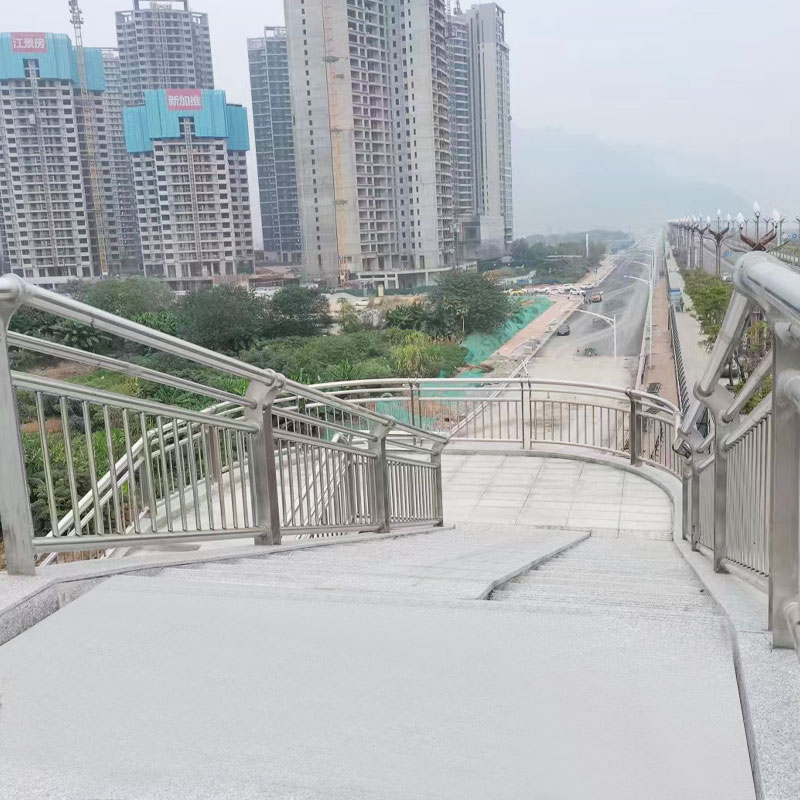
Stainless steel handrails are made of stainless steel materials and are mainly divided into handrails, columns, bases and other components. The struct...
See Details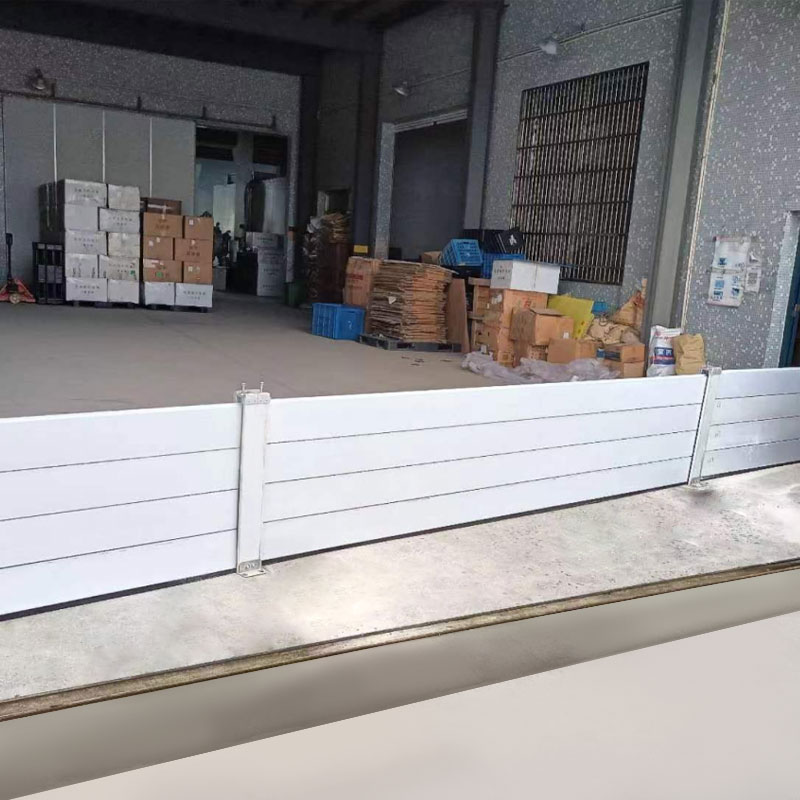
Flood control panels for workshops and factories are important protective equipment used to prevent floods or large amounts of water from invading wor...
See Details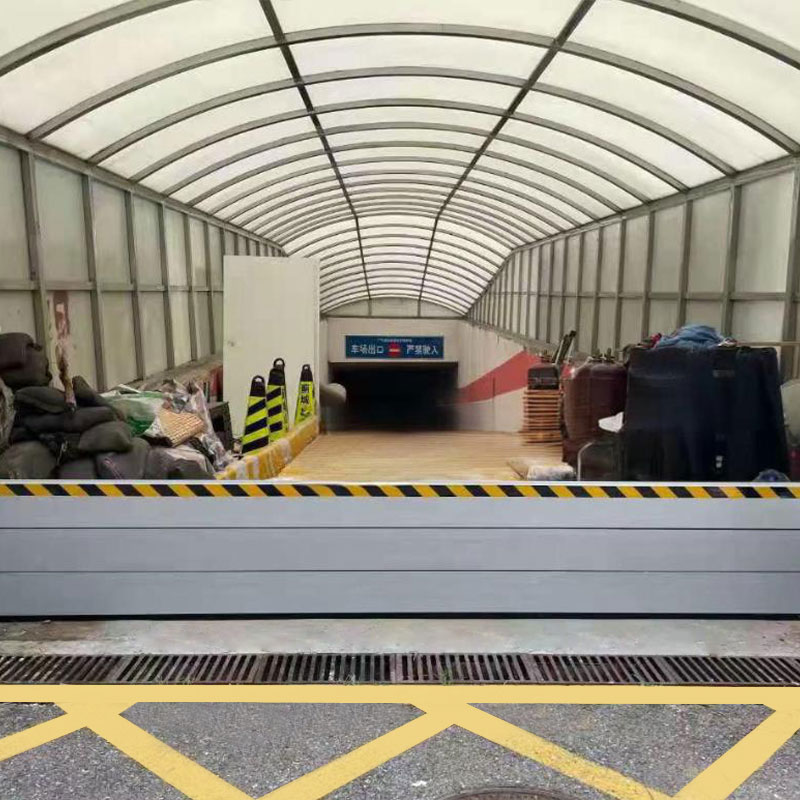
The entrance and exit water retaining plate, also known as water blocking plate, waterproof plate, rain shield, flood control plate, water-proof plate...
See Details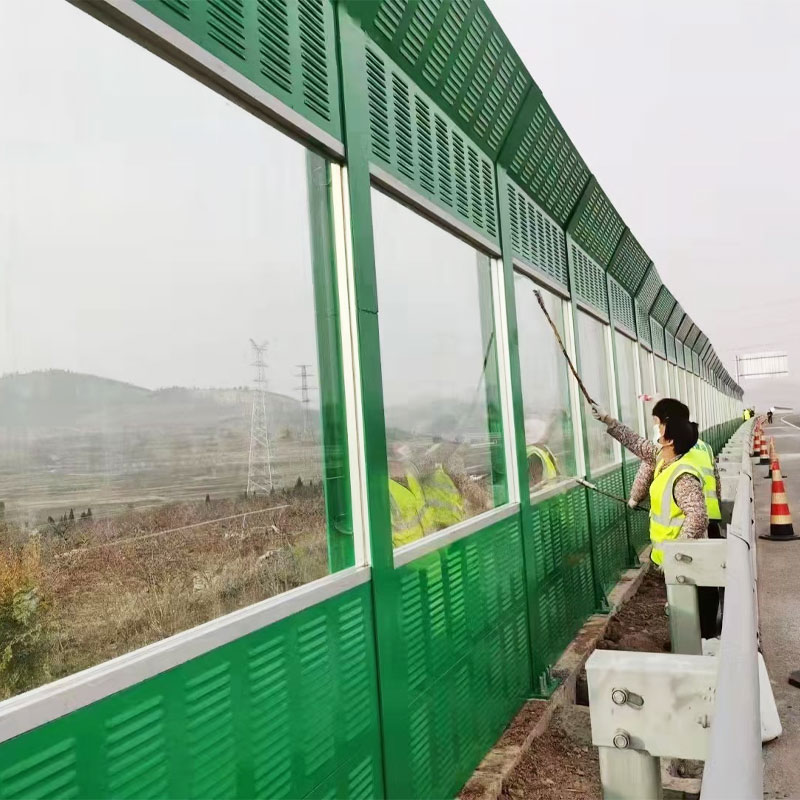
Acrylic highway sound barrier is a sound insulation barrier made of acrylic (chemical name: polymethyl methacrylate) as the main material. It is widel...
See Details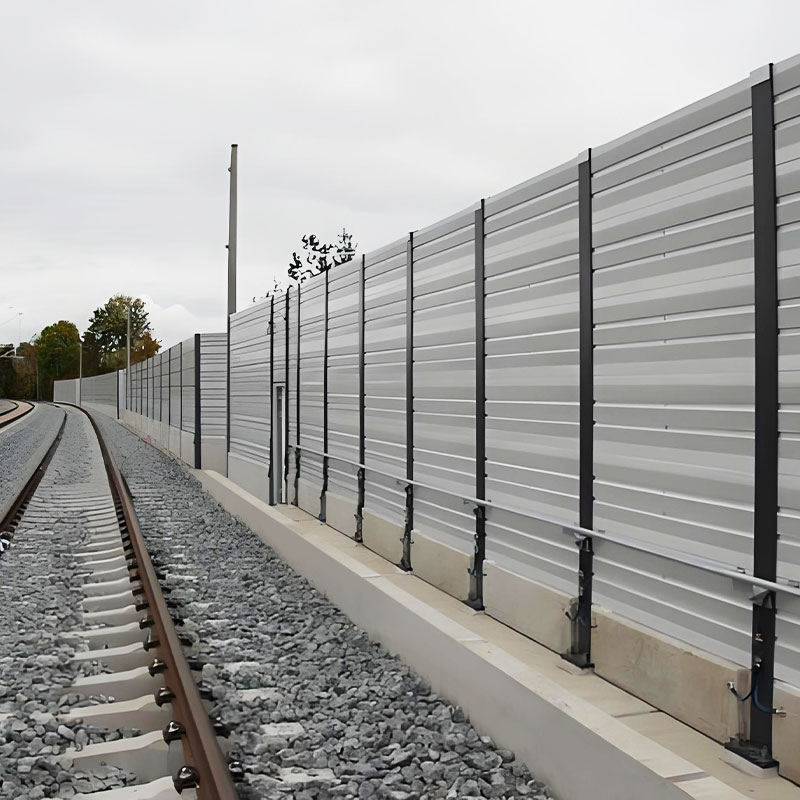
Railway sound barriers are facilities installed on both sides of railways or high-speed railways. Their main purpose is to reduce the noise pollution ...
See Details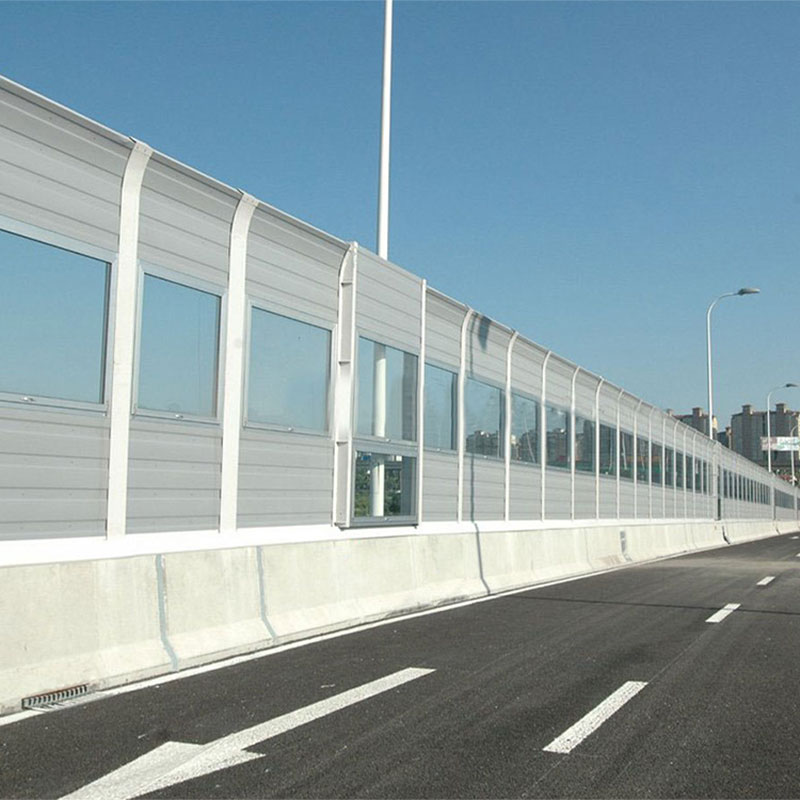
Bridge sound barriers refer to barriers that block noise when the noise source (such as vehicles, trains, etc.) is at a certain distance from the rece...
See DetailsContact Us
Add:No. 577 Fuqiang Road, Panhuo Street, Yinzhou District, Ningbo City, Zhejiang Province
Email: [email protected]
Telephone: +86-18058271903
Phone: +86 0571-28284189

Zhenxuan Traffic Engineering Co., Ltd. is a large manufacturers of professional responsible for the design, production and sales of a series of guard rails, guard rails and high-speed soundproofing screens.
PRODUCT
case
 OEM/ODM Aluminum/Steel Guardrail Manufacturers
+86-18058271903