
 English
 Español
Workshop warehouse isolation net
The workshop isolation net, also known as the warehouse isolation net, factory e...
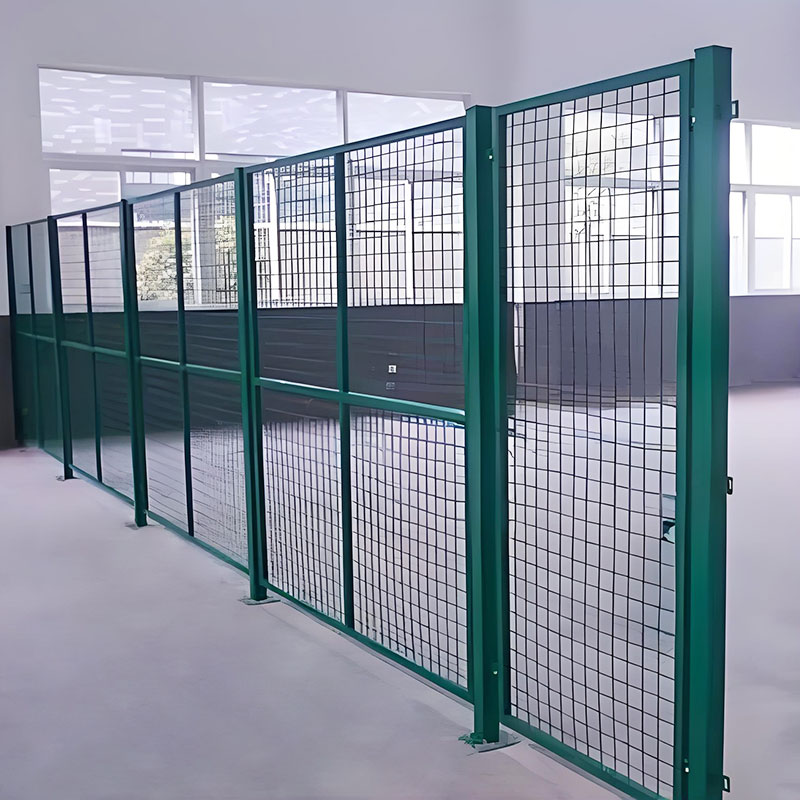
The workshop isolation net, also known as the warehouse isolation net, factory e...
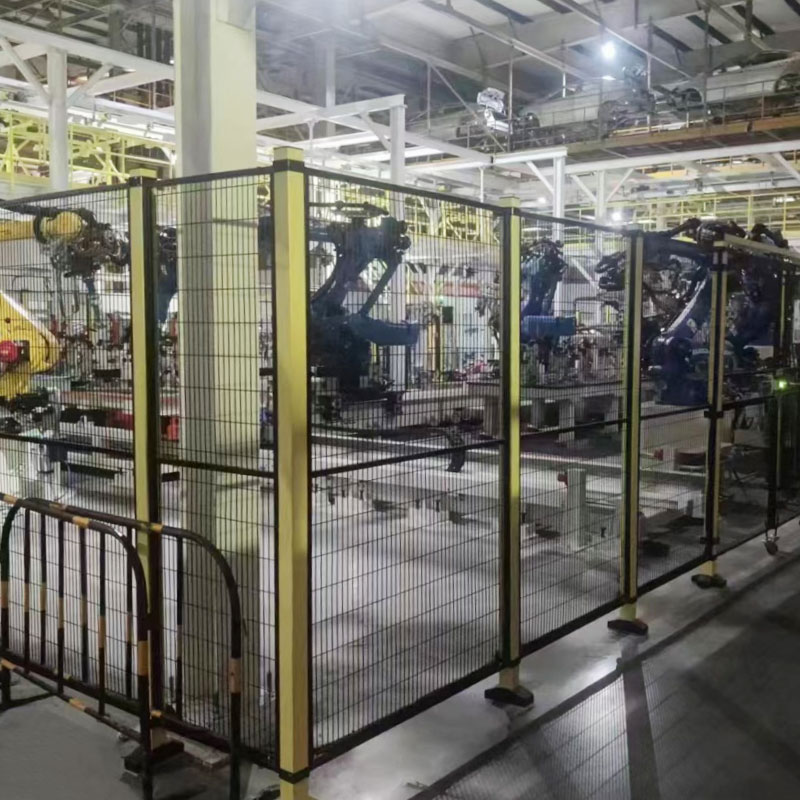
Designed specifically for robot isolation, it combines advanced technology with ...
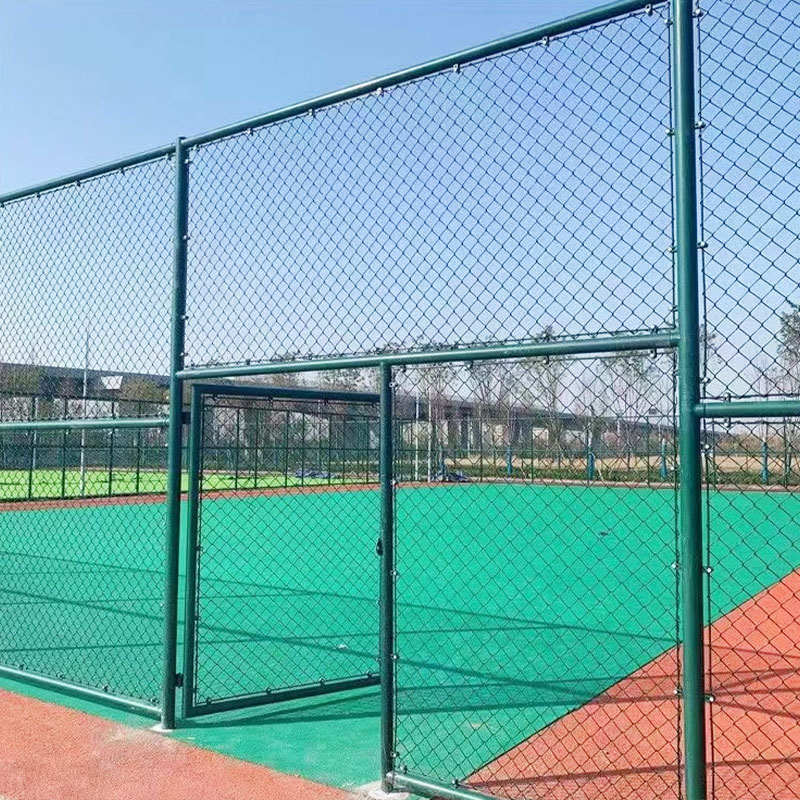
Assembled stadium fence is a fence system designed for stadiums, which is easy t...
The integral stadium fence, also known as the frame fence, is an indispensable s...
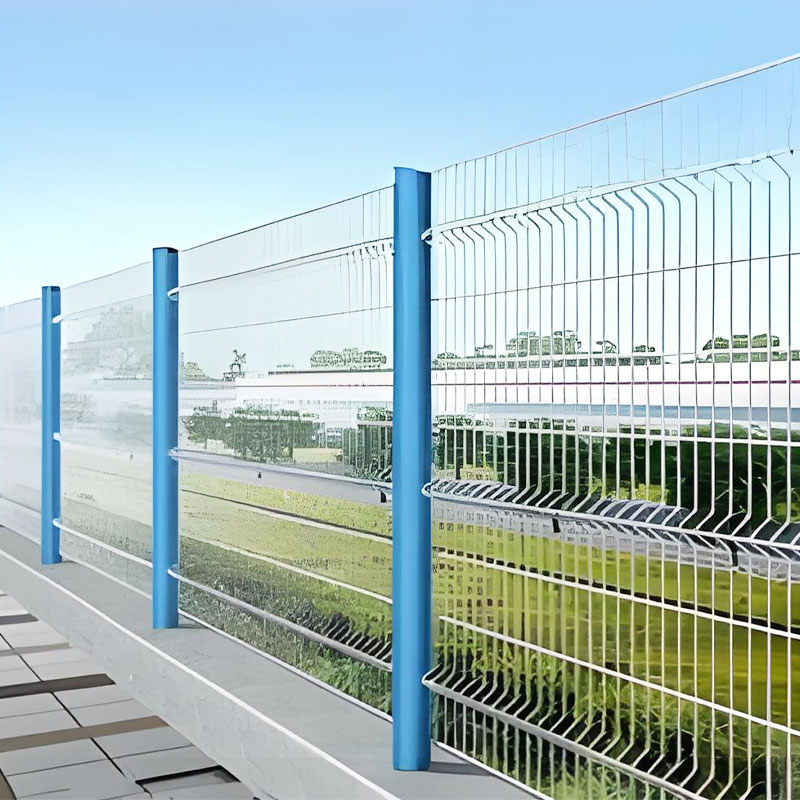
Peach-shaped column fence is a common road fence, also known as a peach-shaped f...
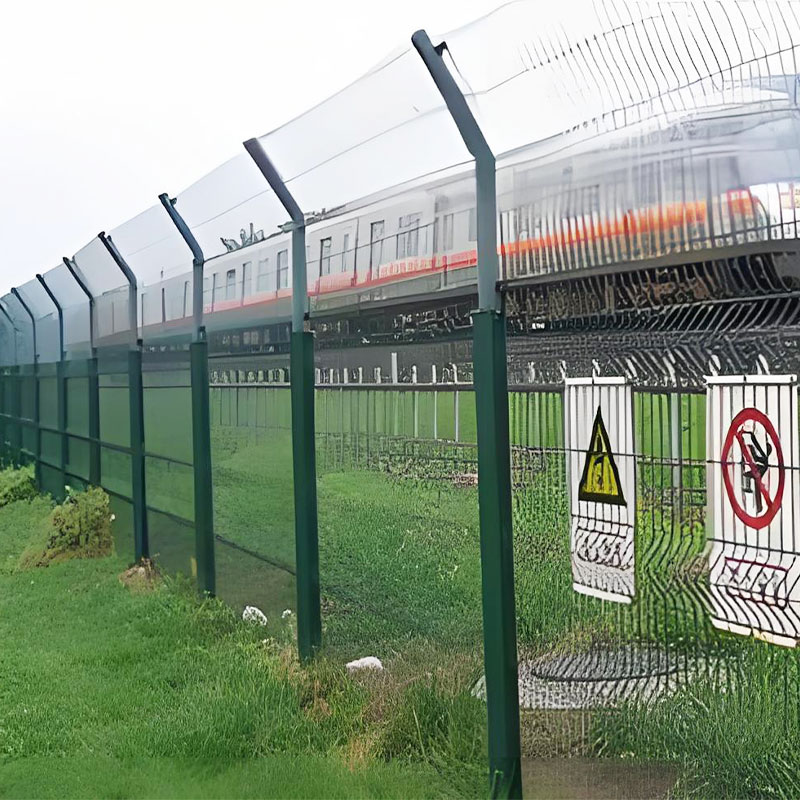
The double-sided wire fence is welded from high-quality, low-carbon steel wire. ...
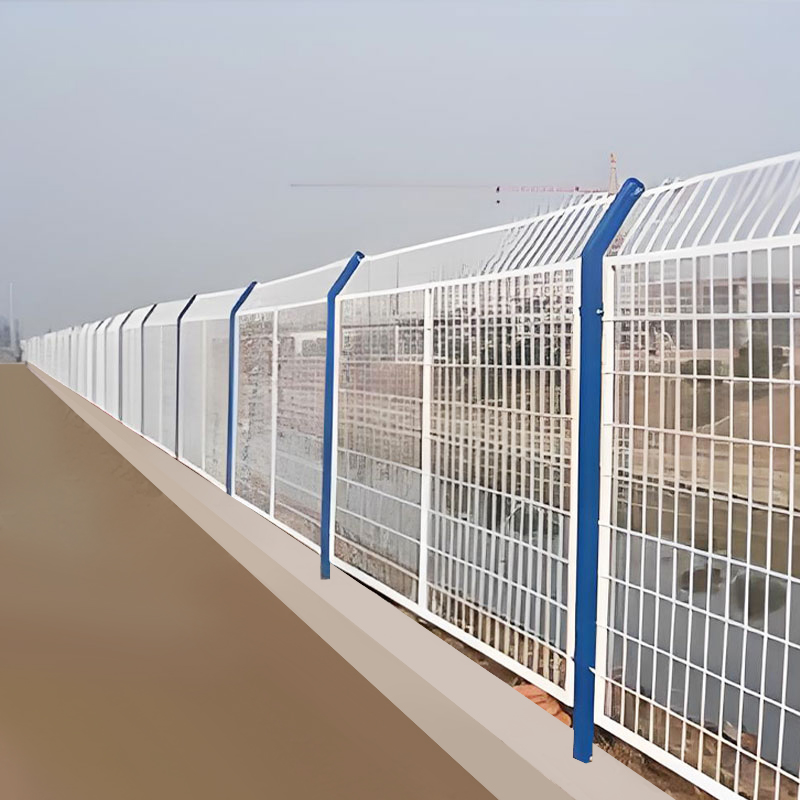
Border fence net, also known as frame fence net or border anti-climbing welded s...
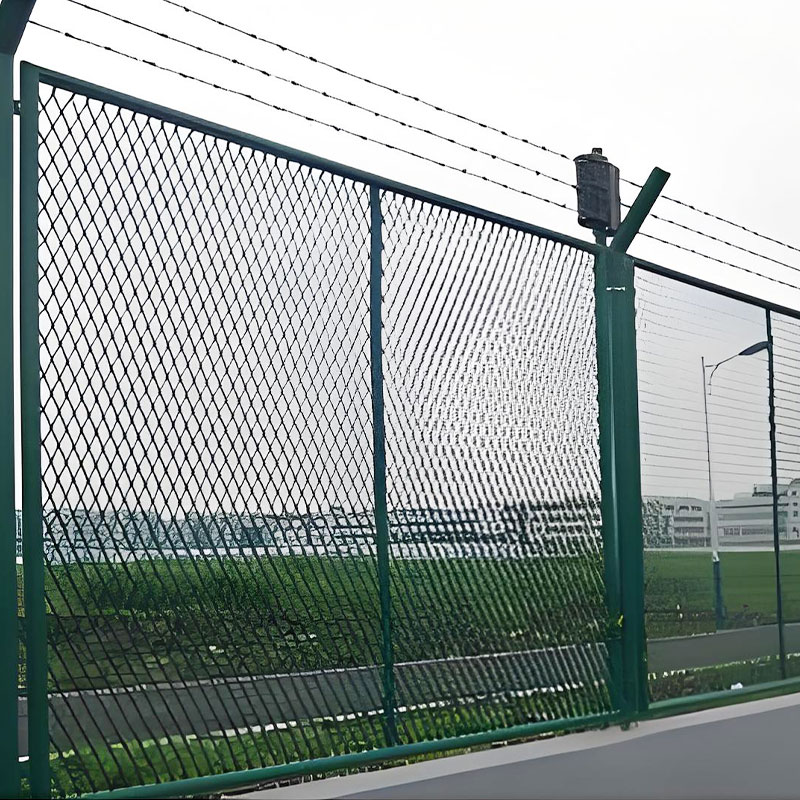
Y-type barbed wire prison airport fence is a kind of safety protection facility ...
Mesh Fence is a versatile, economical and practical fence solution, which is widely used in various places, such as industrial workshops, stadiums, and other public areas. The biggest feature of mesh fence is the metal mesh structure, which has extremely high strength and protection effect, and ensures excellent permeability and visual openness.
This series of products can not only meet different security needs, but also provide personalized design according to the characteristics of the use scenario, adapt to various environmental conditions, withstand external pressure and impact, and ensure long-term and stable service life.
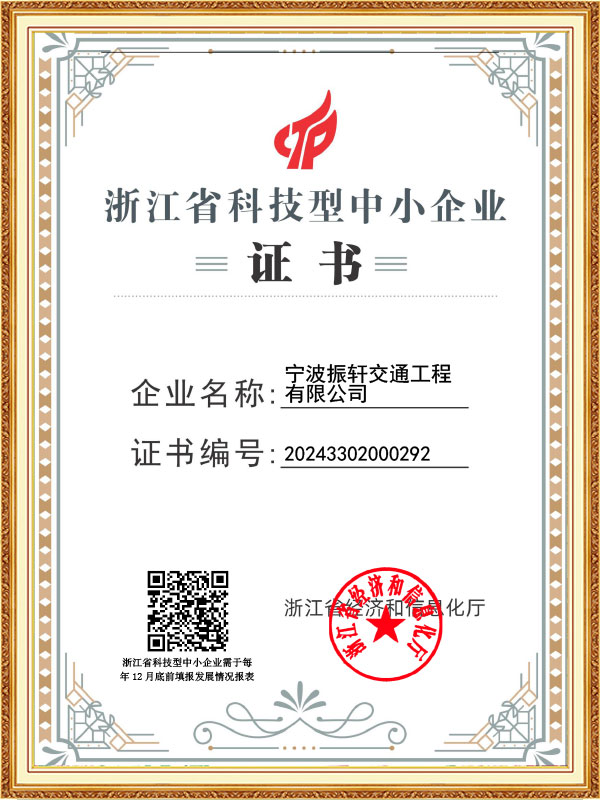
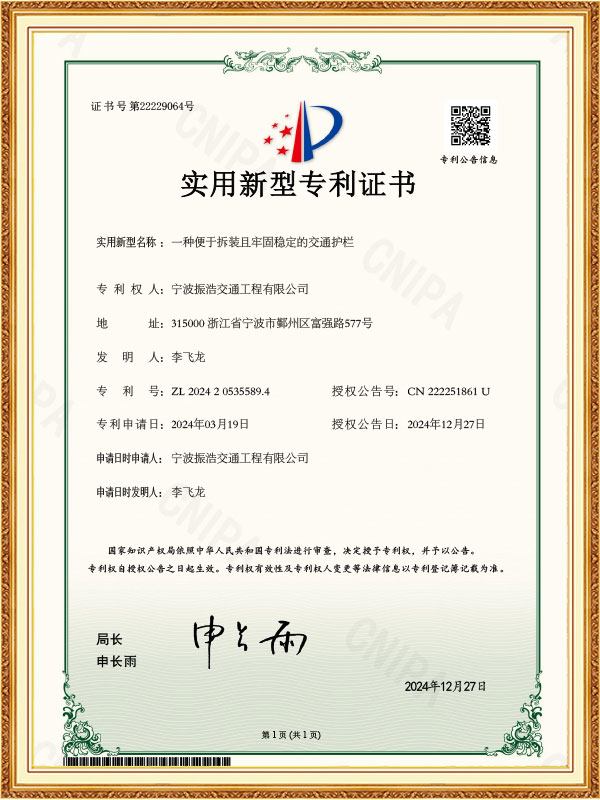
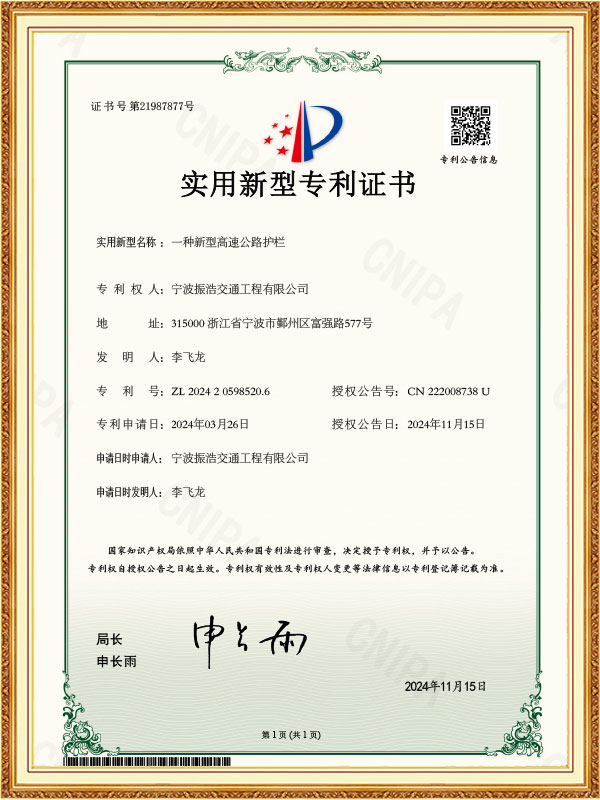
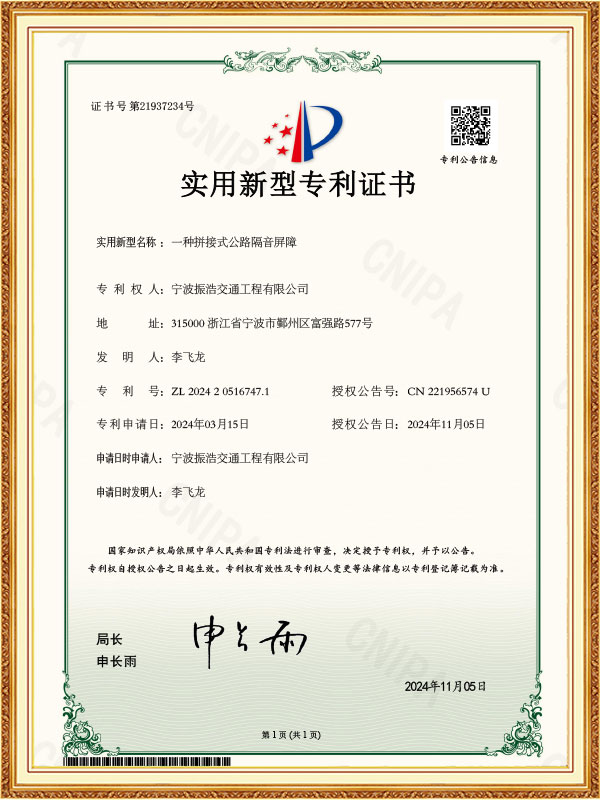
Zhenxuan Traffic Engineering Co., Ltd. is a large manufacturers of professional responsible for the design, production and sales of a series of guard rails, guard rails and high-speed soundproofing screens. As China Steel Mesh Fence Manufacturers and Metal Mesh Fence Factory, the company relies on high-speed guard board production equipment, the production quality meets national standards, and the product design is carried out using a computer...

A metal flood protection board is the most robust and reliable solution for preventing floodwater intrusion through doorways, entrances, and low-level openings. Unlike sandbags or plastic barriers, a properly engineered metal flood protection board system provides a demonstrable seal against water...
READ MORESpecifying a zinc steel fence guardrail provides municipal developers, industrial civil engineers, and premium estate managers with the ultimate equilibrium of structural yield strength, permanent electrochemical corrosion protection, and minimal long-term maintenance overhead. While alternative pe...
READ MORELearning how to build a wire mesh fence comes down to four fundamentals: set posts on a straight, correctly spaced line, unroll the mesh with steady tension, anchor it to every post without slack, and secure the ends with tension bars so the whole run stays tight for years instead of months. Mapp...
READ MORESelecting the right steel mesh fence manufacturer depends on balancing geometric rigidity against localized atmospheric corrosion. High-security infrastructure requires manufacturers utilizing heavy 4-gauge to 8-gauge wire with a minimum tensile strength of 500 MPa, combined with advanced Zinc-Alu...
READ MOREHow Does the Mesh Fence Achieve Optimal Balance Between Security, Economics, and Visual Openness?
The Unique Value Proposition of Mesh Fencing in Modern Infrastructure
The Mesh Fence stands as a ubiquitous and highly functional component of contemporary perimeter security and demarcation solutions. It offers a pragmatic and often superior balance of functionality, cost-effectiveness, and aesthetic integration compared to solid, opaque barriers. The cornerstone of the Metal/Steel Mesh Fence’s versatility is its carefully engineered lattice structure—a feature that provides exceptional security while ensuring crucial permeability and outstanding visual openness. This unique combination is why the mesh fence is an optimal choice across a diverse range of sectors, from critical infrastructure and controlled industrial zones to high-traffic public areas.
The Economic and Functional Versatility
The Mesh Fence system is globally recognized for its economical advantage. The nature of its construction, which utilizes steel efficiently in a grid pattern, translates directly to lower raw material consumption compared to solid plates or heavy concrete walls. This inherent efficiency results in reduced manufacturing costs, simplified logistics, and significantly lower installation labor requirements. This intrinsic cost-efficiency, crucially, is achieved without compromising the fence's functional integrity or its essential protection effect.
Its inherent versatility allows the Mesh Fence to be reliably applied in diverse and demanding environments, reinforcing its position as a preferred solution across various places, such as industrial workshops, stadiums, and other public areas.
The functional applications underscore the fence’s adaptability:
Industrial Workshops and Warehouses: Within these structured environments, the Metal/Steel Mesh Fence serves as vital internal partitioning. It is used to create safety enclosures for automated machinery, isolate hazardous or high-temperature processes, or secure high-value inventory in segregated cages. In this context, the visual openness is not merely an aesthetic benefit; it is a critical safety feature. It allows supervisors, operators, and security teams to maintain immediate, unobstructed sightlines across the facility floor, which significantly enhances overall operational awareness, allows for quick hazard identification, and simplifies monitoring compliance with safety protocols.
Stadiums and Public Venues: In environments designed for large-scale public gathering, the Mesh Fence plays a vital role in managing crowd flow, defining ticketed boundaries, and segregating zones without inducing a sense of restrictive confinement. Its permeability is multidimensional: visually, it ensures a connection to the environment; structurally, it allows for air circulation and helps to minimize wind resistance and load-bearing stress compared to solid panels, contributing to the system's structural stability in large, open-air settings.
Perimeter Security: When utilized as an exterior boundary, the fence provides a formidable and effective physical deterrent. Simultaneously, its transparency is an essential attribute for modern security and surveillance systems, ensuring that cameras and sensors have clear, uninhibited fields of view to maximize detection capabilities.
Engineering for Visual Clarity and Security
The definitive characteristic of the Mesh Fence is its steel mesh structure, which must be engineered to deliver both a reliable protection effect and superior visual openness. Manufacturers must carefully calibrate several key design parameters to meet specific security requirements while adhering to global and national safety regulations.
The selection of Wire Gauge—the thickness of the steel wire used—is fundamental to the system’s physical performance. A thicker wire gauge directly increases the fence's rigidity and cut resistance, which contributes to the overall high strength of the panel. While extremely thick wires might slightly reduce visual clarity, the enhanced structural integrity is often prioritized for demanding applications.
Equally critical is the Mesh Aperture Size, which is the dimension of the holes within the grid. Smaller mesh apertures inherently enhance the protection effect by making the fence significantly more difficult to climb, and virtually impossible to use as foot or hand holds. This design choice is critical for anti-climb applications. Conversely, larger apertures maximize visual openness, a desirable trait for commercial or residential integration where aesthetics and views are paramount. Thus, fence design involves a complex and calculated trade-off between maximizing anti-climb properties (smaller apertures) and maintaining aesthetic transparency (larger apertures).
The third vital component is the quality of the Welding or Crimp at the wire intersections. High-quality, consistent joins are what maintain the overall panel’s high strength and structural resilience under stress. The integrity of these bonds is directly linked to the panel's ability to withstand external pressure and impact, and is, therefore, crucial for a reliable service life.
This meticulous commitment to balanced engineering is a hallmark of specialized manufacturing. Zhenxuan Traffic Engineering Co., Ltd., which operates as a seasoned China Steel Mesh Fence Manufacturers, integrates decades of experience in the design and production of high-performance traffic safety barriers into their mesh fence solutions. Their expertise in applications where clear visibility and structural reliability are absolutely critical translates directly into Mesh Fence systems that deliver dependable security without sacrificing vital site visual openness.
The Manufacturer’s Commitment to Adaptability
A truly reliable Metal Mesh Fence Factory understands that every project presents a unique set of demands related to terrain, climate, and security threat level. The ability to provide personalized design according to the characteristics of the use scenario is non-negotiable for large-scale production. This high degree of adaptability is seamlessly realized through a variety of customizable options:
Tailored Dimensions: Panels can be custom-sized in height and width to adapt precisely to varied, sloping, or irregular terrain, ensuring continuity of the barrier and adherence to specific regulatory requirements.
Advanced Coating and Color Options: Custom coatings are applied not just for aesthetics but for specific performance needs. The choice of color is selected to integrate the fence aesthetically with its backdrop, while the underlying coating ensures required levels of Wear Resistance and Corrosion Resistance appropriate for the intended environment (e.g., highly saline or chemical-laden atmospheres).
Integration Capabilities: Panels are designed to seamlessly interface with modern access control infrastructure, including specific automated gate hardware, integrated alarm systems, and high-security turnstiles.
The measure of a successful Mesh Fence system is its ability to robustly fulfill its protective role while subtly, and often invisibly, integrating into its surroundings. This capability, driven by advanced manufacturing and precise engineering, reinforces why the mesh fence remains a leading, enduring solution for perimeter and partition needs globally.
What Advanced Manufacturing and Design Practices Ensure the High Strength and Long Service Life of Modern Metal/Steel Mesh Fence Systems?
Engineering Durability: The Foundation of Long-Term Mesh Fence Performance
The apparent simplicity of the Metal/Steel Mesh Fence is deceiving; its longevity and consistent performance are dependent on complex engineering and rigorous manufacturing processes. These processes are essential for ensuring the system maintains its intended high strength and dependable protection effect over many years. A perimeter system is fundamentally defined by its endurance, meaning the quality of the raw materials, the precision of the production line, and the integrity of the protective surface treatments are all critical in determining the eventual service life.
The Critical Role of Precision and Quality Manufacturing
The foundational structural integrity of any quality Mesh Fence is established during the manufacturing phase. Reputable manufacturers such as Ningbo Zhenhao Traffic Engineering Co., Ltd., operating as a dedicated Metal Mesh Fence Factory, utilize high-end, precise machinery. They often apply the same demanding quality assurance and testing protocols—originally developed for robust highway guardrails and soundproofing screens—to the production of their mesh systems.
Key manufacturing elements that directly determine long-term performance include:
High-Speed, High-Precision Welding: The junctions where the horizontal and vertical wires intersect are the fundamental stress points of the mesh. Precision welding or advanced crimping techniques ensure that these bonds possess a localized strength equal to or greater than the steel wire itself. This maintains the fence’s overall high strength and resilience when subjected to targeted external pressure and impact. The deployment of advanced machinery, such as the company’s specialized high-speed guard board production equipment, illustrates a commitment to achieving rapid, high-quality, and structurally uniform output, which is essential for major infrastructure projects where consistency is paramount.
Maximizing Service Life through Protective Coatings
The robust steel substrate, while providing the inherent strength, requires advanced protection against environmental degradation to achieve an extended service life. The twin threats of rust and corrosion are the primary enemies of metal fencing, and industry leaders deploy advanced coating technologies specifically engineered to mitigate these risks.
There are several multi-layered methods used to ensure maximum durability and Corrosion Resistance:
Hot-Dip Galvanization: This is often the foundational step, involving dipping the finished steel panel into a bath of molten zinc. This process creates a thick, resilient, metallurgical bond between the zinc and the steel. This zinc armor forms a highly effective sacrificial barrier that offers superior long-term resistance to rust, abrasion, and micro-damage. This protection is often a mandatory baseline for fences deployed in harsh environments, such as coastal areas or industrial sites exposed to chemical fumes, significantly enhancing the overall wear resistance.
Post and Foundation Systems: The Anchor of Ultimate Strength
The mesh panel provides the immediate barrier, but the fence’s long-term stability and ability to withstand forces are fundamentally derived from the strength and integrity of its post and foundation system. A structurally insufficient post system can negate the high strength of even the best-engineered mesh panel. The entire installation must be designed to effectively resist high external pressure and impact without failing or yielding:
Post Rigidity and Material: Fence posts are invariably constructed from a heavier gauge of steel tubing or robust structural profiles than the mesh itself. They are typically subject to the same multi-layer corrosion protection—hot-dip galvanization and/or powder coating—as the panels. The post’s design must be engineered to resist significant lateral deflection when the attached panel is placed under a heavy load or impact.
Contact Us
Add:No. 577 Fuqiang Road, Panhuo Street, Yinzhou District, Ningbo City, Zhejiang Province
Email: [email protected]
Telephone: +86-18058271903
Phone: +86 0571-28284189

Zhenxuan Traffic Engineering Co., Ltd. is a large manufacturers of professional responsible for the design, production and sales of a series of guard rails, guard rails and high-speed soundproofing screens.
PRODUCT
case
 Custom Steel/Metal Mesh Fence Manufacturers
+86-18058271903