English
 Español

Understanding the Metal Flood Protection Board: Design and Function
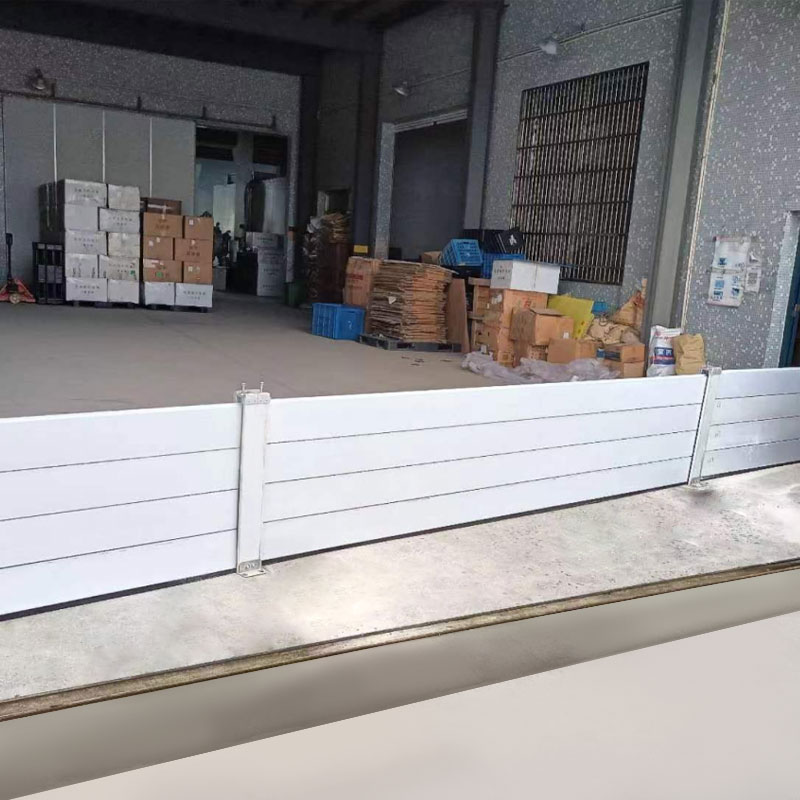
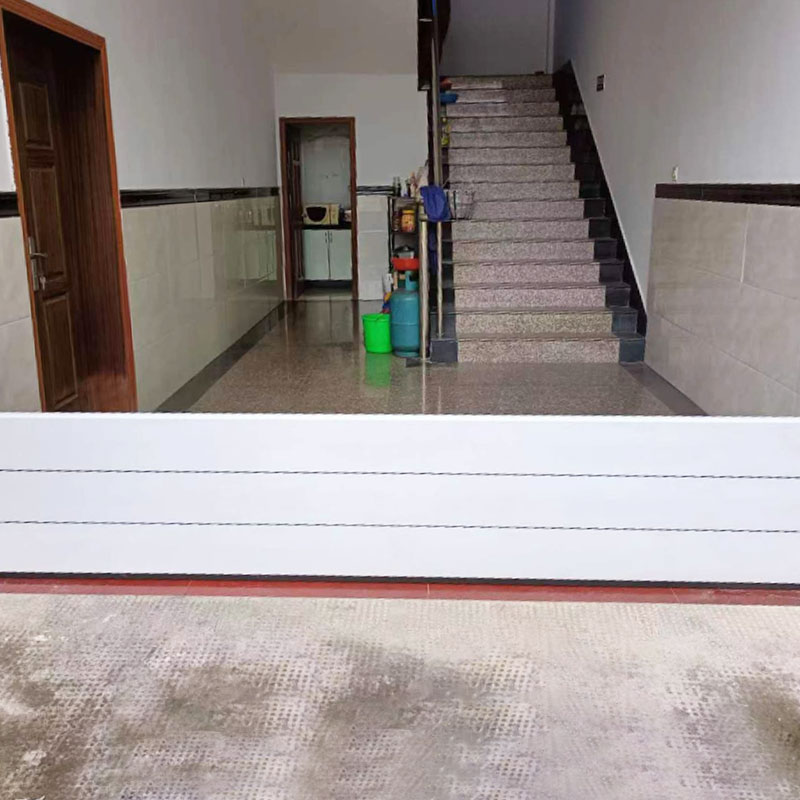
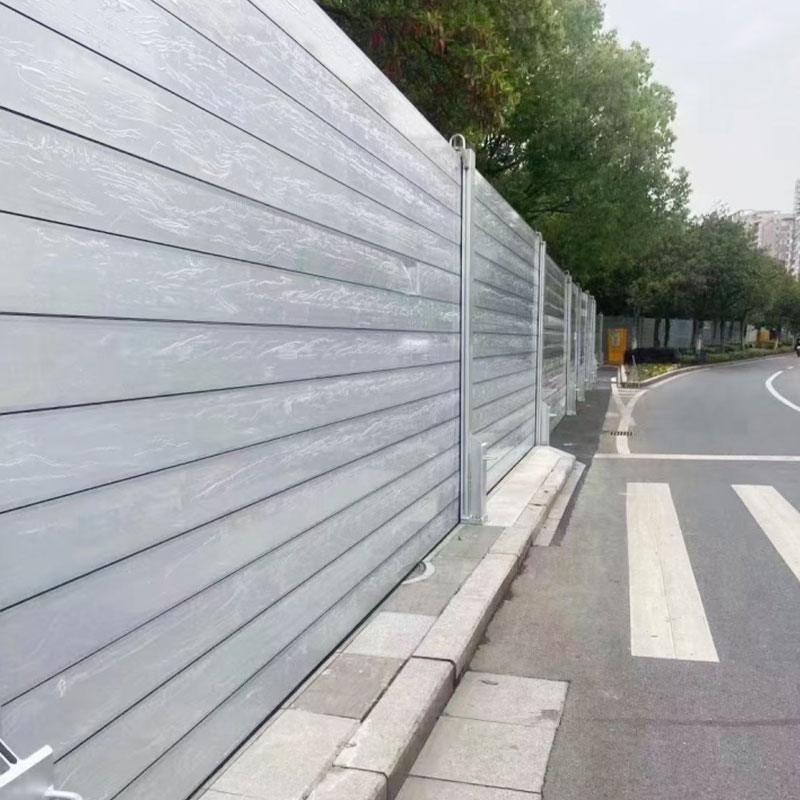
A metal flood protection board is a rigid, engineered barrier designed to be deployed at vulnerable building entry points to prevent floodwater ingress. The system typically consists of aluminium or galvanised steel panels that fit into pre-installed channels or slots on either side of the doorway or opening.
The effectiveness of a metal flood protection board depends on several design features. The panels must have sufficient thickness to resist bending under hydrostatic pressure. The sealing system between adjacent panels and against the building structure must remain watertight under pressure. The anchoring mechanism must transfer the water load into the building structure without failure. Premium metal flood protection board systems are tested to withstand water depths of 600mm to 2 metres, with design pressures verified by third-party testing laboratories.
Metal Flood Protection Board vs. Alternative Flood Barriers
The following table compares the metal flood protection board against the most common alternative flood protection methods available in the market.
| Parameter | Metal Flood Protection Board | Sandbags | Plastic Drop-Down Barriers | Inflatable Barriers | FRP Composite Barriers |
| Water Pressure Resistance | High (5-20 kN/m²) | Low (2-5 kN/m²) | Moderate (3-8 kN/m²) | Moderate (4-10 kN/m²) | High (6-15 kN/m²) |
| Deployment Time | 10-30 minutes | 30-120 minutes | 2-10 minutes | 5-15 minutes | 10-25 minutes |
| Reusability | Virtually unlimited | Limited (often single use) | High (100+ cycles) | Moderate (20-50 cycles) | Virtually unlimited |
| Maintenance Requirement | Low (clean, inspect seals) | None | Low (check seals) | Moderate (check for leaks) | Low (surface inspection) |
| Seal Integrity | Excellent (engineered seals) | Poor (gaps inevitable) | Good (subject to puncture) | Good (subject to failure) | Excellent (engineered seals) |
| Relative Cost (per metre) | High ($500-$2,500) | Very Low ($10-$50) | Moderate ($200-$800) | Moderate ($300-$900) | High ($600-$2,000) |
Material Selection: Aluminium vs. Galvanised Steel for Metal Flood Protection Boards
The choice of material for a metal flood protection board significantly affects weight, corrosion resistance, strength, and cost.
- Aluminium (6000-series alloys): Offers the best combination of light weight and corrosion resistance. An aluminium metal flood protection board weighs approximately 40-50% less than an equivalent steel panel, making it easier to handle and deploy. Aluminium naturally forms a protective oxide layer that resists corrosion in most environments. However, aluminium is softer than steel and may be more susceptible to surface damage from impact.
- Galvanised Steel (hot-dip galvanized): Provides exceptional strength and rigidity, allowing for thinner panels that still resist high water pressures. Steel metal flood protection board systems are often used in industrial and municipal applications where maximum strength is required. The zinc coating provides corrosion protection, but this protection can be compromised by scratches or cuts. For coastal environments, additional protective coatings (epoxy or powder coating) are recommended.
- Stainless Steel (304/316): Used in highly corrosive environments such as wastewater treatment facilities or coastal installations. Stainless steel metal flood protection board systems offer the highest level of corrosion resistance but are the most expensive option.
Lightweight Aluminium
Aluminium flood boards weigh 8-12 kg per metre length. Easily handled by one or two people. Excellent corrosion resistance in normal environments. Wide range of surface finishes available.
Heavy-Duty Steel
Steel flood boards offer superior resistance to impact damage. Ideal for industrial sites and high-traffic areas. Galvanised or powder-coated finishes provide corrosion protection. Heavier (18-25 kg per metre).
Rapid Deployment Systems
Modern metal flood protection board designs allow deployment in under 5 minutes for narrow openings. Pre-installed guide rails and stackable panels reduce setup time during emergency conditions.
Hydrostatic Pressure: Understanding the Forces on a Metal Flood Protection Board
The force exerted on a metal flood protection board by floodwater is a function of water depth. Hydrostatic pressure increases linearly with depth, with the maximum pressure at the base of the board. The total force on the board is calculated as:
F = 0.5 × ρ × g × h² × W
where F is the total force (Newtons), ρ is water density (1000 kg/m³), g is gravitational acceleration (9.81 m/s²), h is water depth (metres), and W is the width of the opening (metres).
For a 1.0-metre wide opening with a 600mm water depth, the total hydrostatic force on a metal flood protection board is approximately 1,760 N (about 180 kg). At 1.2 metres depth, this force increases to 7,060 N (about 720 kg). This rapid increase with depth explains why metal flood protection board systems must be engineered with robust structural frames and secure anchoring.
The structural design of a metal flood protection board must also account for dynamic loads such as debris impact and wave action. Flood events often bring floating debris that can impact the barrier. Premium systems incorporate impact-resistant design features and are tested to withstand debris impact energy of 20 Joules or more.
Sealing Systems: The Key to Effective Metal Flood Protection Boards
The most robust metal flood protection board is ineffective without a reliable sealing system. The following sealing technologies are employed in modern systems:
- Compression Seals (EPDM or Neoprene): These seals are compressed between adjacent panels or between the board and the building structure when the panels are locked into place. Compression seals provide excellent water-tightness, accommodating minor dimensional variations in the opening. Typical compression ratios of 20-30% ensure a tight seal under hydrostatic pressure.
- Hydrophilic Swelling Seals: These seals expand upon contact with water, creating a self-reinforcing seal. Hydrophilic seals are particularly effective in applications where the sealing surfaces may be irregular or where the metal flood protection board may be deployed quickly with minimal adjustment.
- Magnetic Seals: Advanced metal flood protection board systems incorporate magnetic strips that secure the panels in place and provide a continuous seal. Magnetic seals enable rapid deployment and are highly effective in maintaining seal integrity under pressure.
The seal material must be compatible with the metal flood protection board material to prevent galvanic corrosion. EPDM seals are commonly used with aluminium, while neoprene or NBR seals are preferred for steel applications.
Metal Flood Protection Board Installation Types and Anchors
The installation configuration of a metal flood protection board system depends on the building type, the frequency of deployment, and aesthetic considerations.
- Slot-Channel Systems: Permanent vertical channels are installed on either side of the doorway or opening. The metal flood protection board panels slide into these channels and are locked in place with wedge locks or cam locks. This is the most common configuration, balancing security with ease of deployment. The channels are typically flush-mounted to maintain the building's appearance when the boards are stored.
- Surface-Mounted Systems: The attachment frames are fixed to the surface of the building structure. This is a simpler installation, suitable for buildings where flush mounting is impractical. However, surface-mounted systems are more visible and may be vulnerable to damage from vehicles or passing equipment.
- Recessed Systems: The metal flood protection board storage and mounting hardware is recessed into the building structure, concealed when not in use. This provides the highest aesthetic quality and is typically specified for heritage buildings, luxury residential properties, and high-profile commercial buildings.
Anchoring the metal flood protection board system requires careful structural engineering. The anchor loads must be transferred to the building's structural frame. Inadequate anchoring can result in the board being forced inward by water pressure, causing catastrophic failure. A structural engineer should determine the required anchor spacing and embedment depth based on the anticipated flood load.
Critical insight for property managers: A metal flood protection board system is only as effective as its integration with the building structure. Improper anchoring is the most common cause of system failure during flood events. Always engage a structural engineer to verify that the building can withstand the expected flood loads, and never install a system on a building that has not been structurally assessed for flood resilience.
Compliance and Certification for Metal Flood Protection Boards
A metal flood protection board system should be certified to recognised standards to ensure its effectiveness and reliability. The key standards include:
- BS EN 12056-3: European standard for building drainage and flood protection systems. This standard specifies performance requirements for flood barriers, including test methods for water-tightness and structural integrity under hydrostatic pressure.
- FEMA P-936: US Federal Emergency Management Agency guidance on flood mitigation measures for buildings. This document includes detailed guidance on the design, installation, and maintenance of flood barriers, including metal flood protection board systems.
- ASTM E2128: Standard practice for evaluating the performance of building envelope components. This standard includes test methods for evaluating the water resistance of barriers.
- Test Reports: Independent laboratory test reports confirming that the metal flood protection board system has been tested to the required flood depth and pressure, with specific details on the test setup and results.
When specifying a metal flood protection board system, require documentation of certification to the applicable standards. Systems without independent certification may not be accepted by insurance companies or building inspectors.
Insurance Implications of Metal Flood Protection Board Installation
For high-value customers, the financial benefits of a metal flood protection board system extend beyond flood damage prevention to include significant reductions in insurance premiums.
Most commercial insurers offer premium discounts of 10-30% for properties that have installed certified flood protection systems. The premium reduction is typically based on the flood depth the system is certified to withstand, with greater discounts for systems tested to higher water depths.
A typical case study: A commercial warehouse valued at $2 million with an annual insurance premium of $12,000 installed a metal flood protection board system at a cost of $18,000. The insurer granted a 25% premium discount, saving $3,000 annually. The system paid for itself in 6 years through premium savings alone, with the additional benefit of avoided flood damage costs.
Maintenance of Metal Flood Protection Boards for Long-Term Reliability
To ensure that a metal flood protection board system performs when needed, a regular maintenance schedule is essential.
- Quarterly Inspection: Inspect the mounting channels, seals, and the boards themselves for signs of corrosion, damage, or debris. Ensure that the storage area is free from obstruction and that the boards can be easily retrieved.
- Annual Test Deployment: Deploy the metal flood protection board system annually to verify that all components are in working order. This test deployment also ensures that staff are familiar with the deployment procedure. Record the deployment time and any issues encountered.
- Lubrication: Lubricate all moving parts, including locking mechanisms and pivot points, with the manufacturer-recommended lubricant. This prevents seizing and ensures smooth operation during emergency deployment.
- Seal Replacement: Rubber seals have a finite service life (typically 5-10 years). Replace seals when they show signs of hardening, cracking, or deformation. Many metal flood protection board systems use proprietary seals that must be sourced from the original manufacturer.
A well-maintained metal flood protection board system can provide 30-50 years of reliable service. The annual maintenance cost is typically 1-2% of the original installation cost, representing a small investment compared to the potential flood damage that the system prevents.
Applications of Metal Flood Protection Boards Across Different Building Types
The metal flood protection board system is suitable for a wide range of building types, each with specific application requirements.
- Commercial Retail Facilities: Require aesthetically pleasing systems that do not detract from the customer experience. Recessed metal flood protection board systems with colour-matched finishes are common.
- Industrial Warehouses: Typically specify heavy-duty steel metal flood protection board systems capable of withstanding vehicular impact. Deployment speed is less critical than durability.
- Multi-Residential Buildings: Require systems with easy-to-understand deployment instructions for residents. Lighter aluminium systems are preferred for ease of handling.
- Healthcare and Critical Infrastructure: Demand the highest level of reliability. These facilities often use dual-stage metal flood protection board systems with primary and secondary sealing for maximum protection.
Cost-Benefit Analysis of Metal Flood Protection Board Investment
The financial case for a metal flood protection board system is compelling when evaluated over the 25-30 year service life of the equipment.
Consider a mid-sized commercial building with four potential entry points, each 1.8 metres wide. The installed cost of a premium aluminium metal flood protection board system is approximately $18,000, including installation.
- Flood Damage Avoidance (one event): Without protection, the building faces a risk of $200,000-$500,000 in flood damage (50-year flood event).
- Insurance Premium Savings (annual): $3,600 per year.
- Business Continuity Value: Avoiding the 4-8 weeks of closure typical after severe flood damage.
The payback period for a metal flood protection board system in this scenario is under 5 years, with the return on investment exceeding 200% over the 25-year service life.