
 English
 Español
Beijing style road guardrail
Beijing-style road guardrails are shaped like the letters N and U, so they are a...
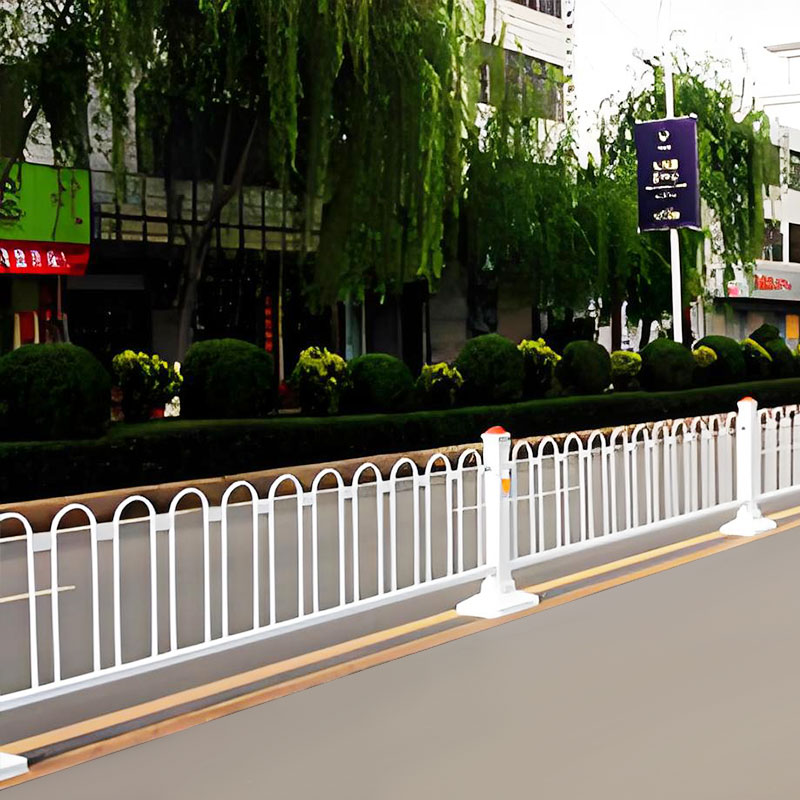
Beijing-style road guardrails are shaped like the letters N and U, so they are a...
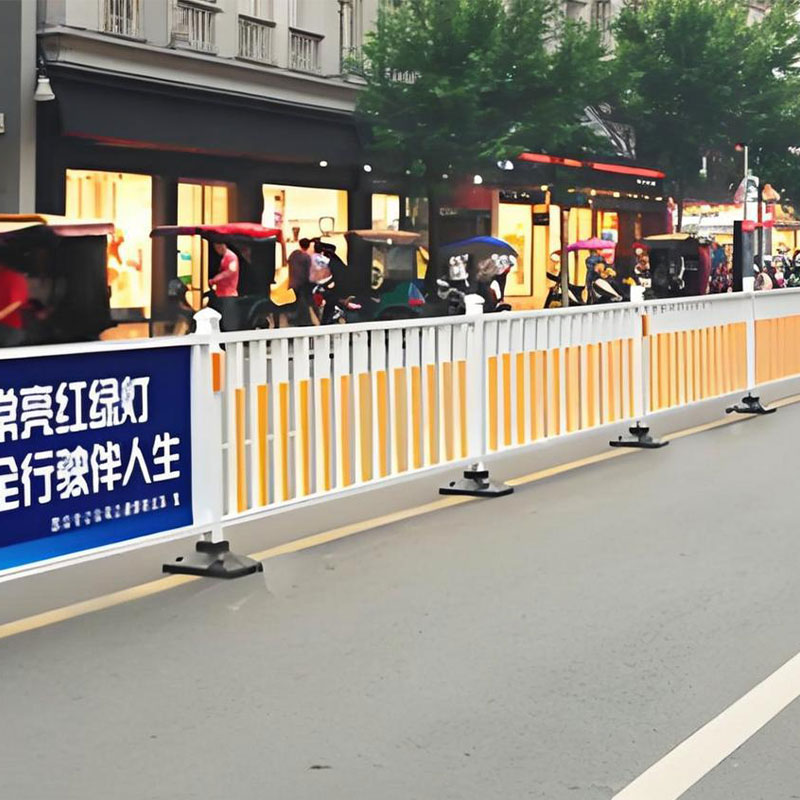
PVC road guardrail is a road isolation facility made of polyvinyl chloride (PVC)...
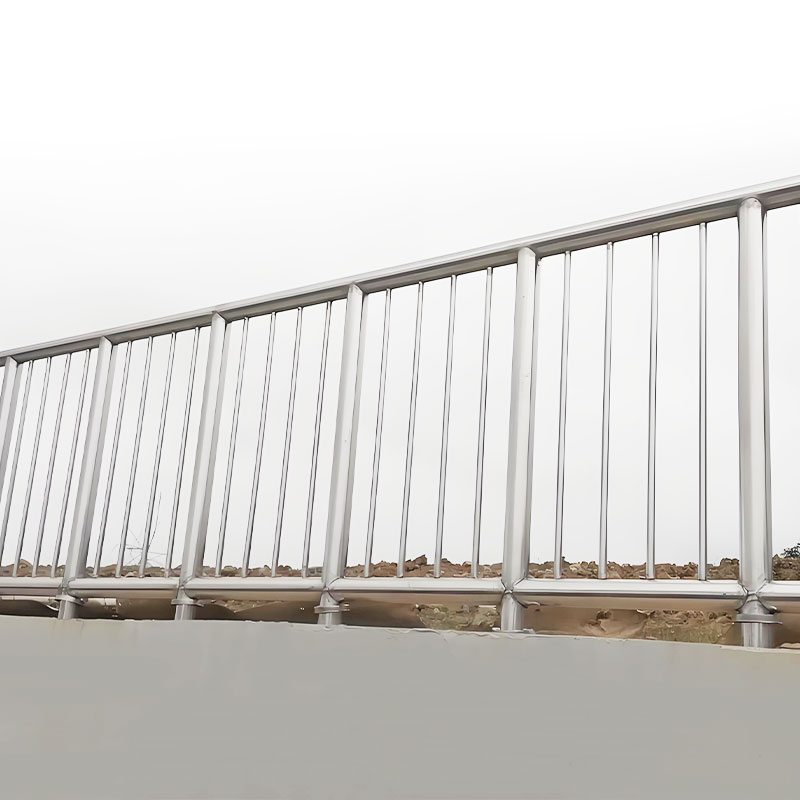
Stainless steel road guardrails are traffic isolation facilities made of stainle...
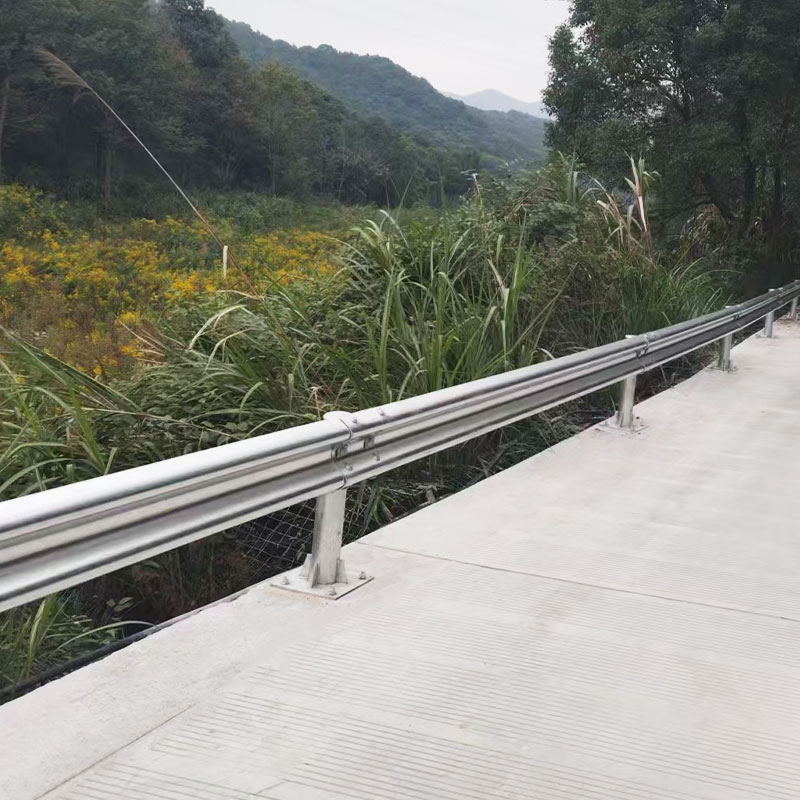
Galvanized corrugated guardrails are usually made of corrugated steel plates. Af...
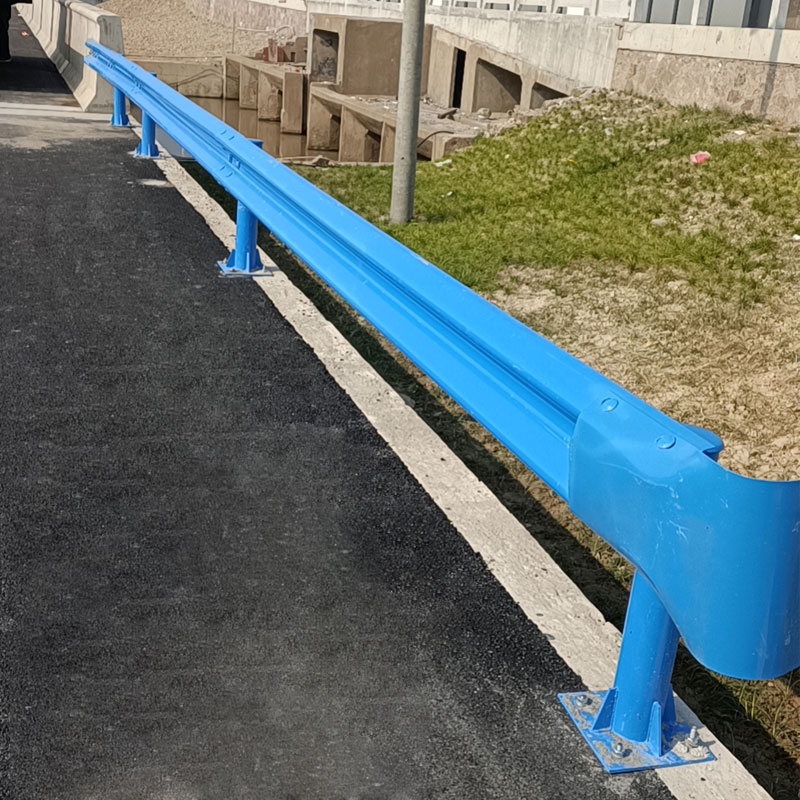
The spray-coated corrugated guardrail is an upgraded product based on the tradit...
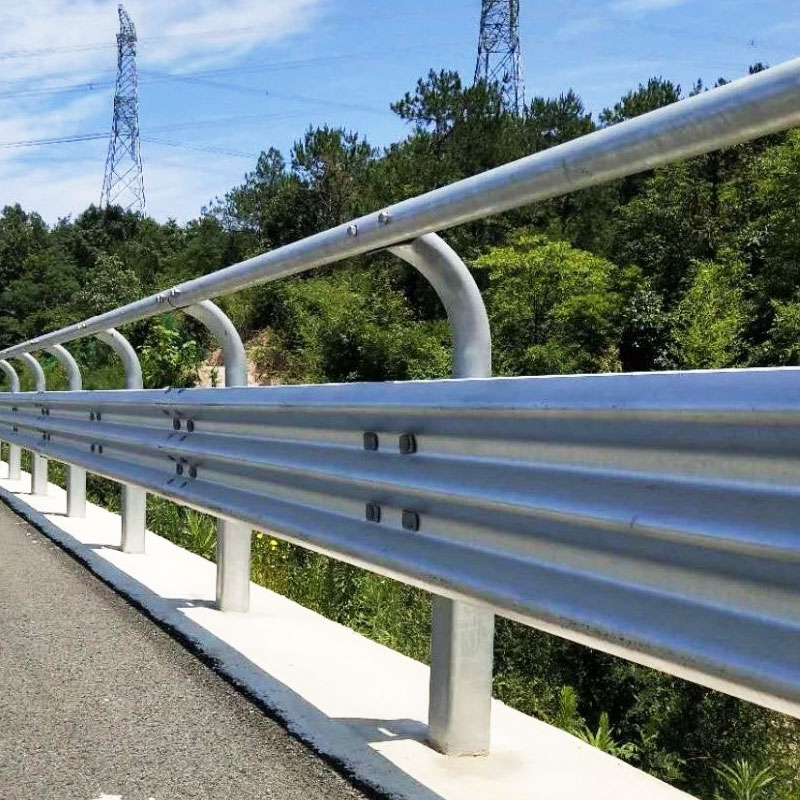
The bull-horn corrugated guardrail is a special end design in the corrugated gua...
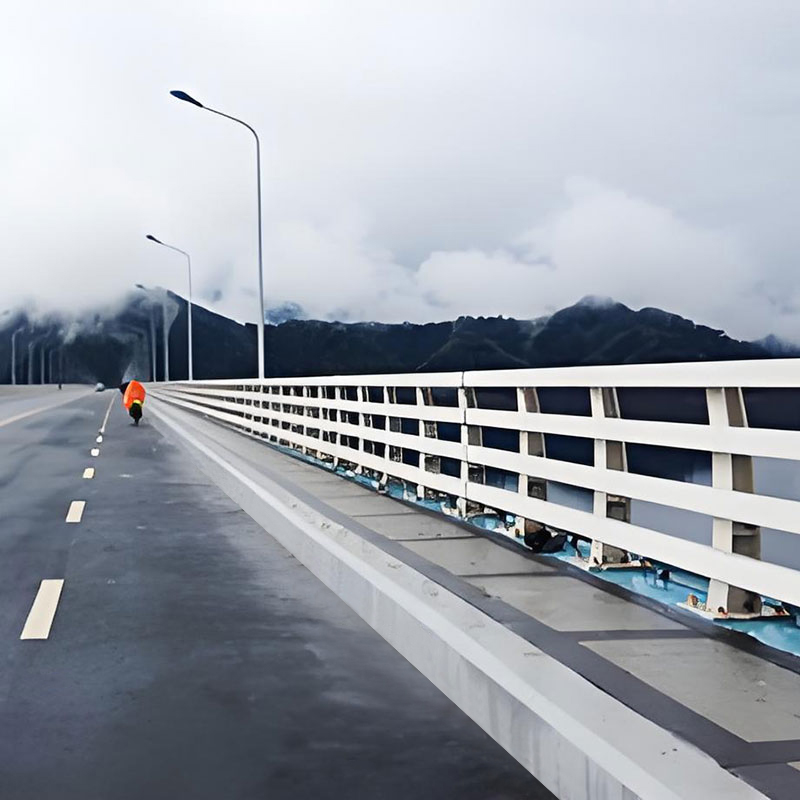
Metal bridge guardrails are protective facilities on both sides of roads and rai...
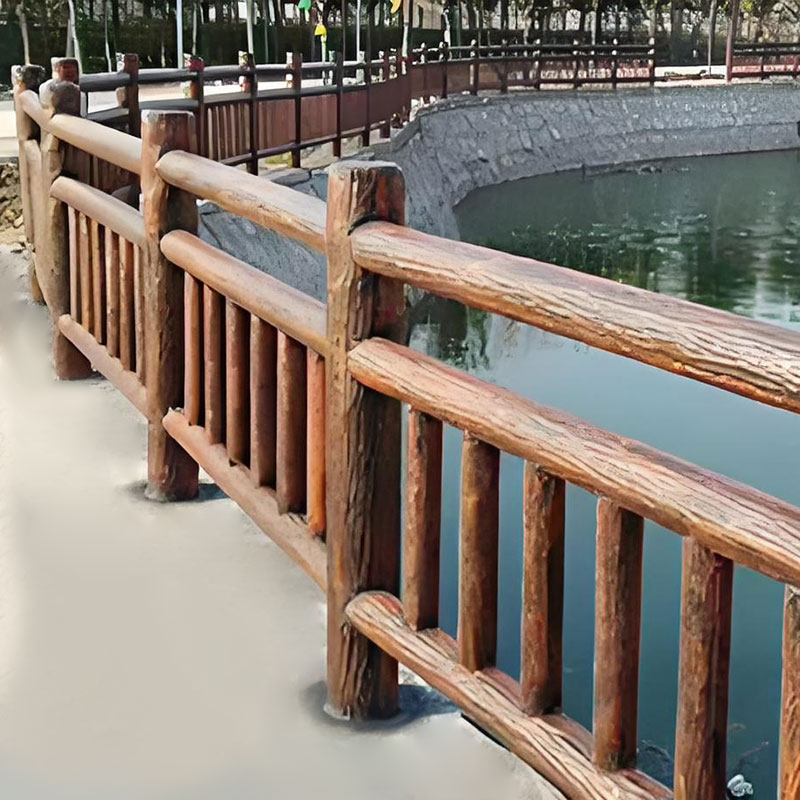
Imitation wood bridge guardrail is a kind of bridge guardrail made of reinforced...
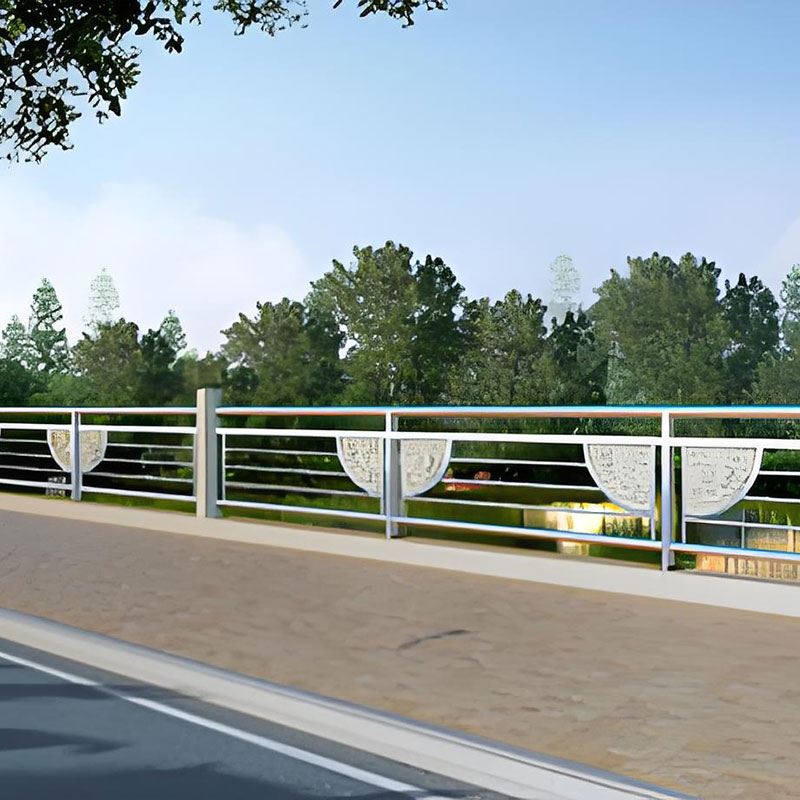
Imitation stone bridge guardrail is a kind of bridge guardrail that simulates th...
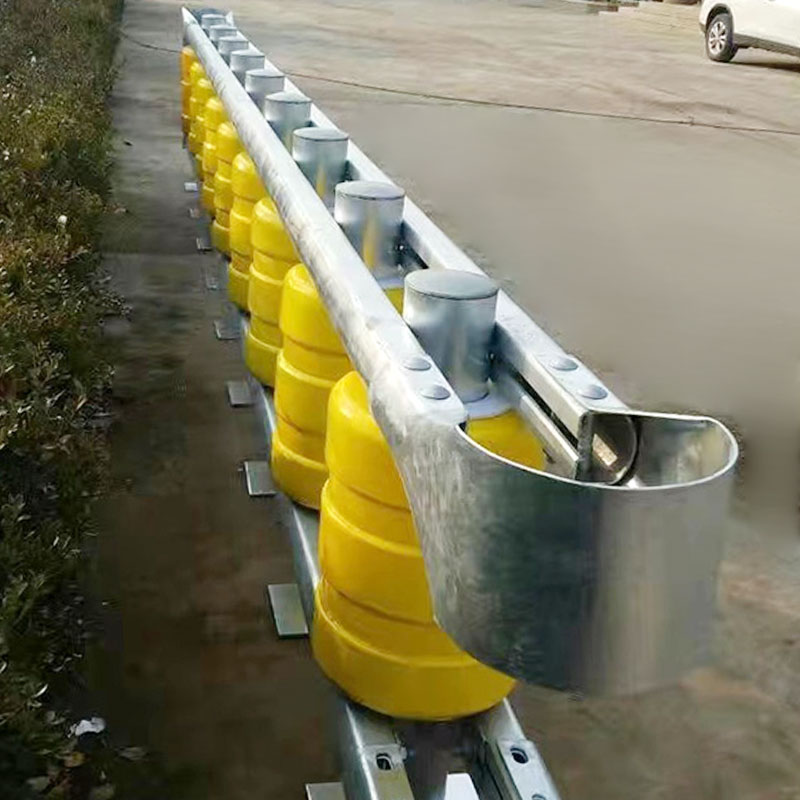
EVA rotating barrel guardrail is a traffic safety facility, mainly composed of c...
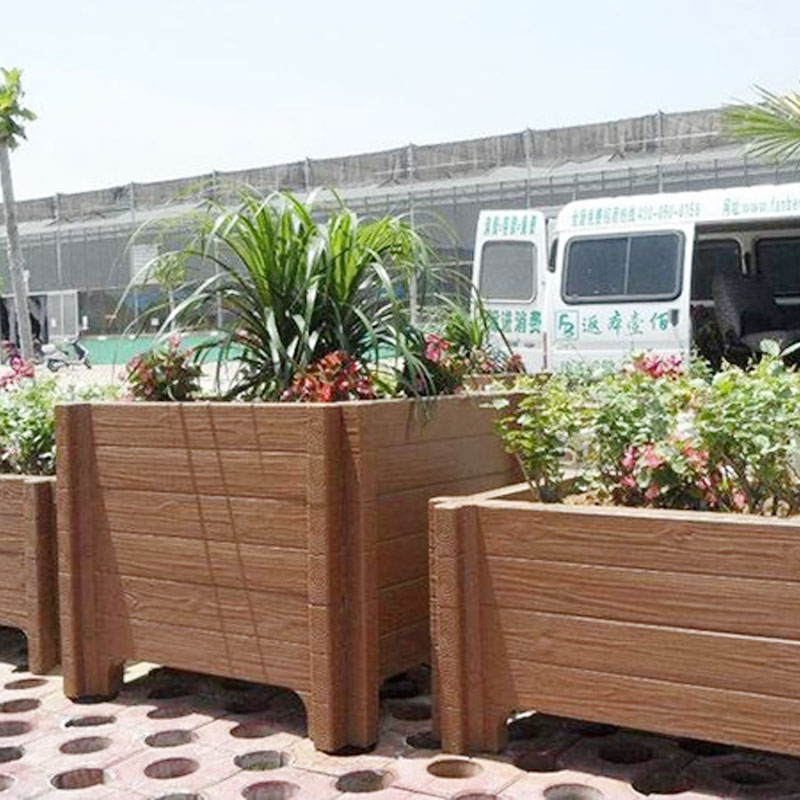
Imitation wood flower box guardrail is a kind of guardrail product that combines...
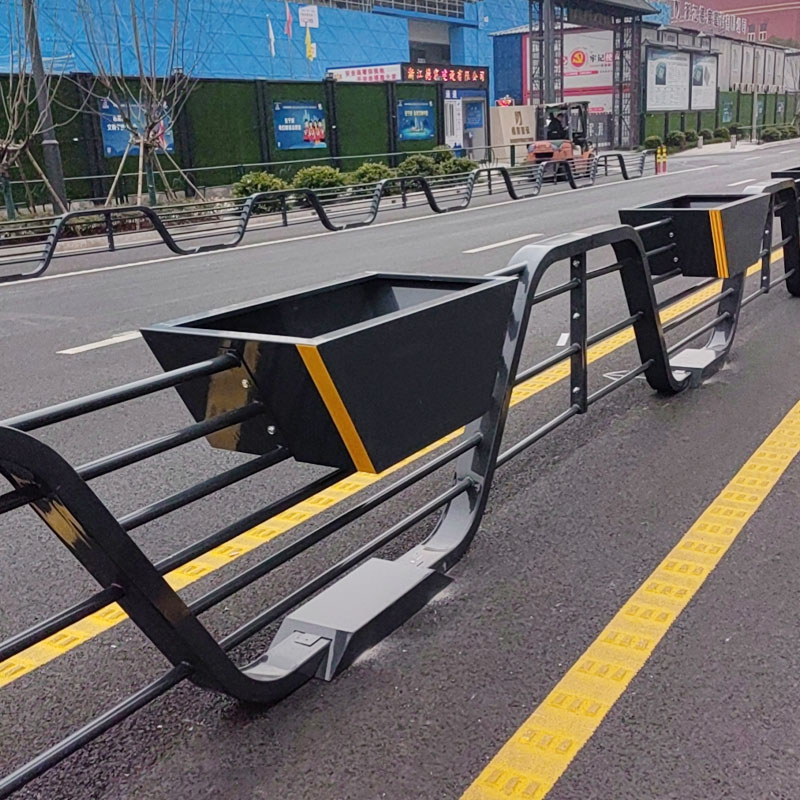
The aluminum alloy flower box guardrail combines the modern feel of metal materi...
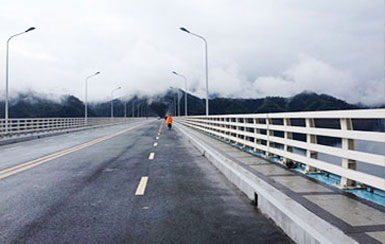
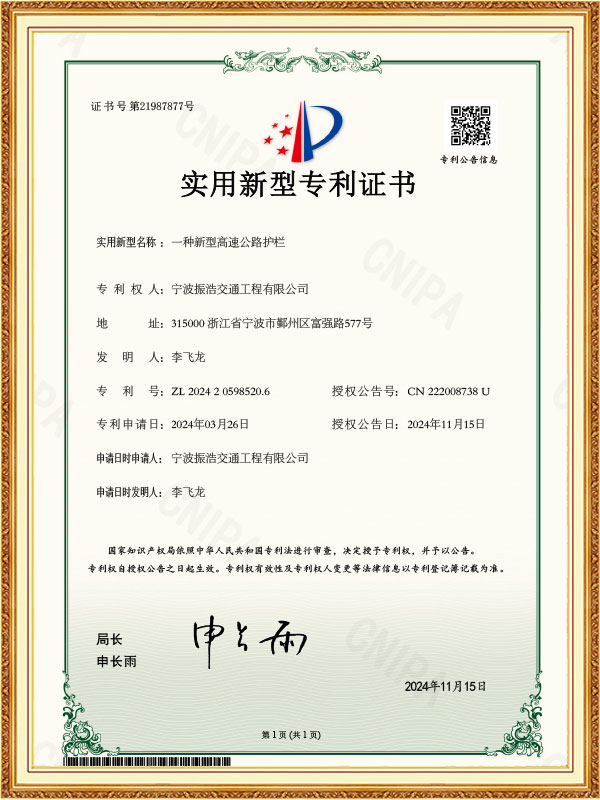
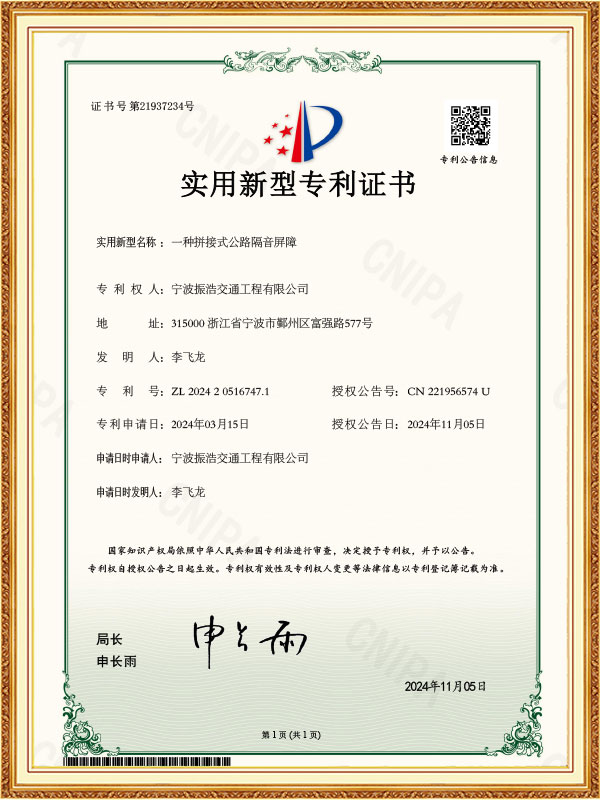
Zhenxuan Traffic Engineering Co., Ltd. is a large manufacturers of professional responsible for the design, production and sales of a series of guard rails, guard rails and high-speed soundproofing screens. As China Traffic Barrier Manufacturers and Waveform Guardrails Factory, the company relies on high-speed guard board production equipment, the production quality meets national standards, and the product design is carried out using a computer...
A metal flood protection board is the most robust and reliable solution for preventing floodwater intrusion through doorways, entrances, and low-level openings. Unlike sandbags or plastic barriers, a properly engineered metal flood protection board system provides a demonstrable seal against water...
READ MORESpecifying a zinc steel fence guardrail provides municipal developers, industrial civil engineers, and premium estate managers with the ultimate equilibrium of structural yield strength, permanent electrochemical corrosion protection, and minimal long-term maintenance overhead. While alternative pe...
READ MORELearning how to build a wire mesh fence comes down to four fundamentals: set posts on a straight, correctly spaced line, unroll the mesh with steady tension, anchor it to every post without slack, and secure the ends with tension bars so the whole run stays tight for years instead of months. Mapp...
READ MORESelecting the right steel mesh fence manufacturer depends on balancing geometric rigidity against localized atmospheric corrosion. High-security infrastructure requires manufacturers utilizing heavy 4-gauge to 8-gauge wire with a minimum tensile strength of 500 MPa, combined with advanced Zinc-Alu...
READ MOREHow Does the Traffic Barrier Effectively Ensure Road Safety and Order?
The Core Value of Traffic Barriers in Modern Road Safety Systems
Traffic safety is the foundation of social development and public well-being, and the Traffic Barrier, also referred to as the Road Traffic Barrier or guardrail, is one of the key facilities ensuring road safety. The design objective of a traffic barrier is to minimize the severity of injuries to vehicle occupants during collisions and prevent vehicles from veering off the road or crossing the central median into oncoming traffic, thereby ensuring both safe travel and regulated road order.
The Three Core Functions of Traffic Barriers: Mitigation, Guidance, and Separation
The function of the Traffic Barrier system extends far beyond simple physical separation, with its core value embodied in the following three aspects:
Crash Mitigation: This is the most crucial function of the Traffic Barrier. When an out-of-control vehicle impacts the barrier, the barrier utilizes its inherent deformation and energy-absorbing mechanisms to redirect the vehicle back toward the correct path of travel. By absorbing the collision energy and reducing the impact force on the occupants, the severity of the accident is significantly lessened.
Visual Guidance: Traffic barriers, particularly those installed along road edges or in the central median, provide drivers with clear indications of the road boundaries. In poor visibility conditions, such as at night or during adverse weather, they serve as vital visual references, helping drivers maintain the correct trajectory.
Functional Separation: The Traffic Barrier is used to delineate different types of traffic flow or to divide the road into distinct areas. This effectively prevents illegal crossing and head-on collisions, maintaining the overall smooth flow of traffic.
Classification and Applicable Environments of Traffic Barriers
Based on their protection principles and structural rigidity, traffic barriers are primarily categorized into three types:
Rigid Barrier: These barriers are primarily constructed from heavily reinforced concrete, such as Jersey barriers or F-Shape barriers. They are designed to undergo virtually no lateral deformation upon vehicle impact. This rigidity makes them suitable for critical areas requiring extremely high protection capability and where space is restricted, such as central medians with narrow clearances, bridges, and tunnel entrances. While they have a high initial installation cost, their key advantages include low maintenance costs over their service life and the ability to handle severe impacts with minimal deflection, ensuring traffic flow in adjacent lanes is not compromised.
Semi-Rigid Barrier: Represented primarily by the Waveform Guardrails (W-Beam or Thrie-Beam), these barriers utilize steel posts and beams to provide a degree of flexibility and controlled energy absorption. Upon impact, the guardrail system deforms slightly, spreading the collision force across multiple posts and redirecting the vehicle. This balance of strength and give offers excellent protection while being more cost-effective and easier to repair than rigid barriers. This is the most widely applied type for roadside and central median use on highways and major arterial roads globally.
Flexible Barrier: Such as cable barriers, these offer the greatest degree of deformation capability and the longest stopping distance. They consist of tensioned steel cables supported by weak posts. When impacted, the posts break away, and the cables absorb the vehicle's energy over a long run-out length. They are suitable for roadside areas with relatively flat terrain and ample buffer space, as they require significant lateral clearance. Their advantage is lower impact severity for vehicle occupants, but their disadvantage is the high potential for significant repair after an incident due to the large area of damage.
Demonstrating the Professional Capability of China Traffic Barrier Manufacturers
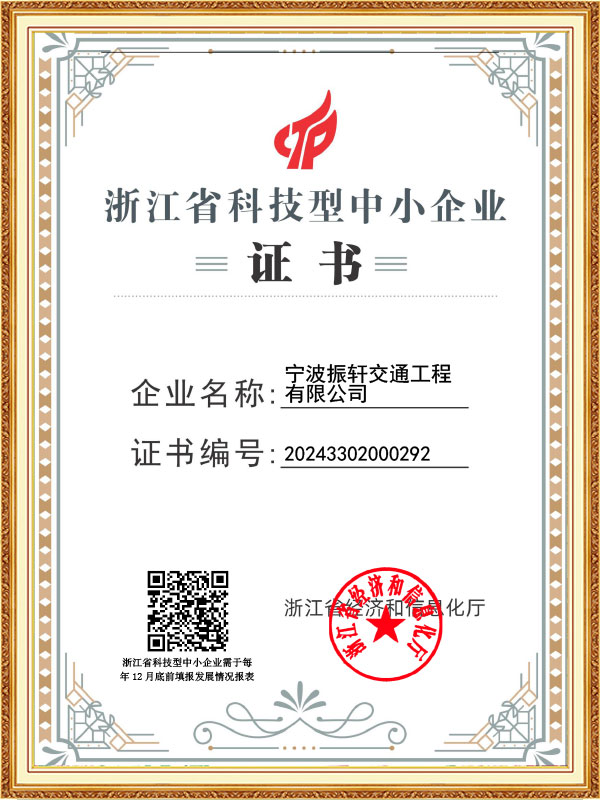
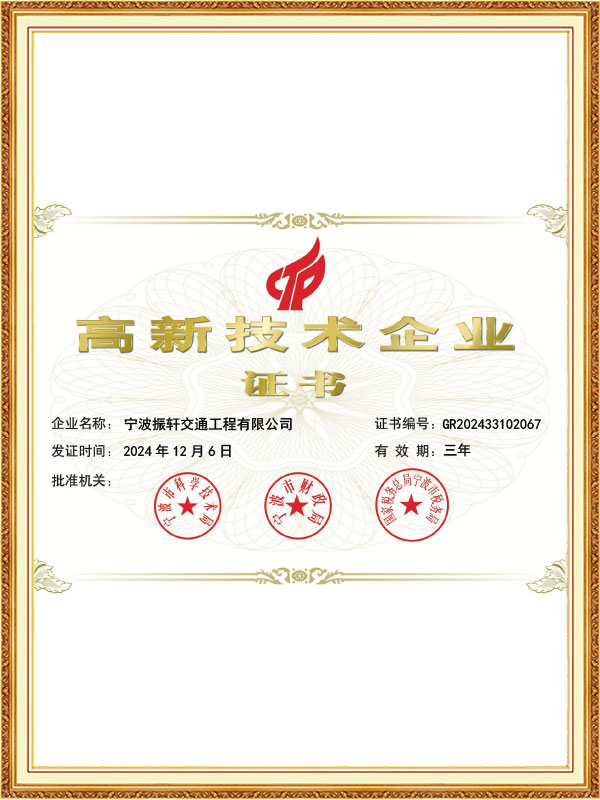
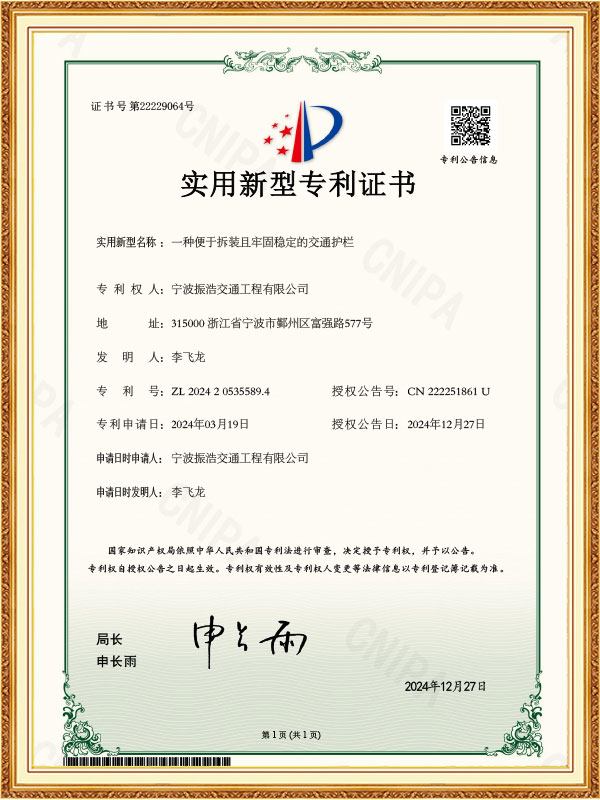
In China, the manufacturing of traffic safety facilities adheres to a mature and strict set of standard protocols. Ningbo Zhenhao Traffic Engineering Co., Ltd., operating as one of the professional China Traffic Barrier Manufacturers, understands that product quality is the cornerstone of road safety. The company specializes in the design, production, and sales of a series of Traffic Barrier products, guardrails, and highway soundproofing screens.
As an expert Chinese Traffic Barrier Manufacturer, the company leverages computer-aided design during the planning stage to ensure that the product structure accurately meets the national standard requirements for protection levels and crash testing metrics. This dedication to design precision and manufacturing excellence is key to ensuring that every Traffic Barrier system delivered to road engineering projects performs its intended safety function reliably.
The company utilizes advanced high speed guard board production equipment, strictly controlling every process from raw material procurement to finished product dispatch, ensuring the production quality of all products fully meets national standards and provides reliable Traffic Barrier solutions for road users.
Why Have Waveform Guardrails Become the Prevailing Choice for Highway Protection Systems?
The Unique Advantages of Waveform Guardrails in Semi-Rigid Protection Systems
Waveform Guardrails, also known as W-Beam or Thrie-Beam guardrails, are the flagship product of semi-rigid Traffic Barrier systems. Due to their distinctive wave shape and structural design, they are widely adopted globally on highways and main thoroughfares. Their success is attributed to their exceptional energy absorption mechanism, redirective performance, and cost-effectiveness.
The Balance of Flexibility and Rigidity: Energy Absorption and Guidance
The core strength of the Waveform Guardrails lies in their philosophy of "yielding to absorb force." When a vehicle collision occurs, Waveform Guardrails achieve highly effective protection through the following mechanisms:
Continuous Beam-Post Structure: The guardrail panels are spliced together and supported by posts, forming a continuous beam structure. Upon impact, the force is distributed through the guardrail panel to multiple posts, spreading the collision force over a longer length.
Elastic Deformation for Energy Absorption: Waveform Guardrails are designed to allow a certain degree of lateral deformation. This movement is the primary method of absorbing the vehicle's kinetic energy, effectively extending the collision duration and reducing the vehicle's deceleration, thereby mitigating the risk of injury to occupants.
Smooth Redirection: The wave shape of the guardrail helps to smoothly guide the vehicle after impact, preventing the vehicle from being abruptly stopped and rebounding violently into the travel lanes, which reduces the likelihood of secondary accidents.
This balance of flexibility and rigidity ensures that Waveform Guardrails provide both the necessary structural protection and the crucial cushioning during impact, meeting the dual demands of safety and economy required for highway guardrails.
Quality Assurance from Zhenxuan Traffic Engineering, a Waveform Guardrails Factory
The reliability of these products depends on stringent manufacturing standards. Zhenhao Traffic Engineering Co., Ltd., as a specialized Waveform Guardrails Factory, recognizes the importance of high-quality manufacturing for road safety. The company's production process strictly adheres to the highest industry standards:
Production Equipment and Technology: The company relies on advanced high speed guard board production equipment to ensure the dimensional accuracy, stamping formation, and surface treatment (such as hot-dip galvanizing or powder coating) quality of every guardrail panel. This commitment guarantees superior durability and high corrosion resistance.
Quality Management System: As a professional Waveform Guardrails Factory, the company ensures that its Waveform Guardrails products strictly meet national standards. Every parameter, from the selection of steel materials to the thickness of the anti-corrosion layer, is rigorously inspected to ensure the product maintains stable performance and a long service life under various complex climate conditions.
Design Optimization: In terms of product design, the company utilizes computer-aided design technology to quickly optimize and adjust the guardrail parameters, adapting them to the needs of different road grades, topographical conditions, and protection levels, thereby providing solutions that are better suited to actual engineering requirements.
Waveform Guardrails maintain an irreplaceable position in road safety facilities due to their mature structure, simple installation, reliable protection, ease of maintenance, and recyclability.
Zhenhao Traffic Engineering Co., Ltd., through its professional design capability, reliable production quality, and strict adherence to national standards, continues to provide stable and dependable Waveform Guardrails products for domestic and international road projects, jointly building a safer traffic environment.
Contact Us
Add:No. 577 Fuqiang Road, Panhuo Street, Yinzhou District, Ningbo City, Zhejiang Province
Email: [email protected]
Telephone: +86-18058271903
Phone: +86 0571-28284189

Zhenxuan Traffic Engineering Co., Ltd. is a large manufacturers of professional responsible for the design, production and sales of a series of guard rails, guard rails and high-speed soundproofing screens.
PRODUCT
case
 Custom Waveform Guardrails Manufacturers
+86-18058271903