
 English
 Español
Single column solar bracket
The single-column bracket is mainly composed of a column perpendicular to the gr...
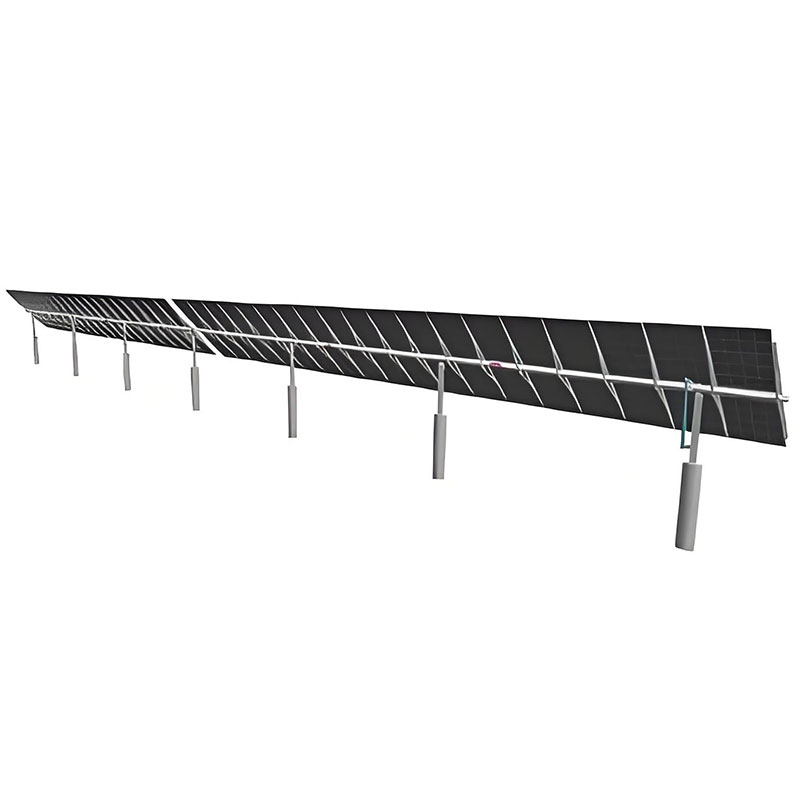
The single-column bracket is mainly composed of a column perpendicular to the gr...
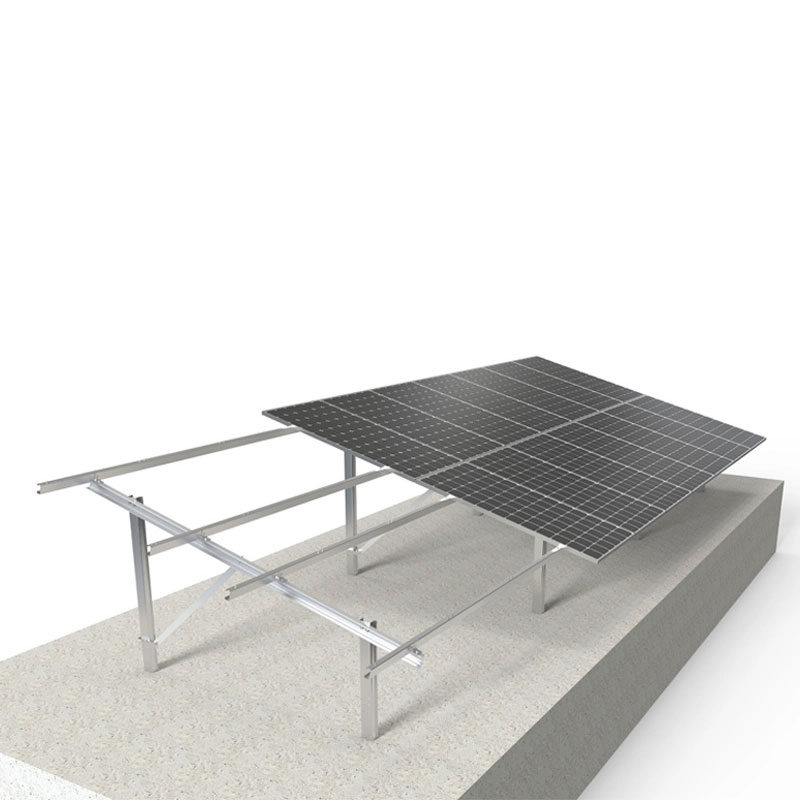
The double-column bracket is mainly composed of two columns perpendicular to the...
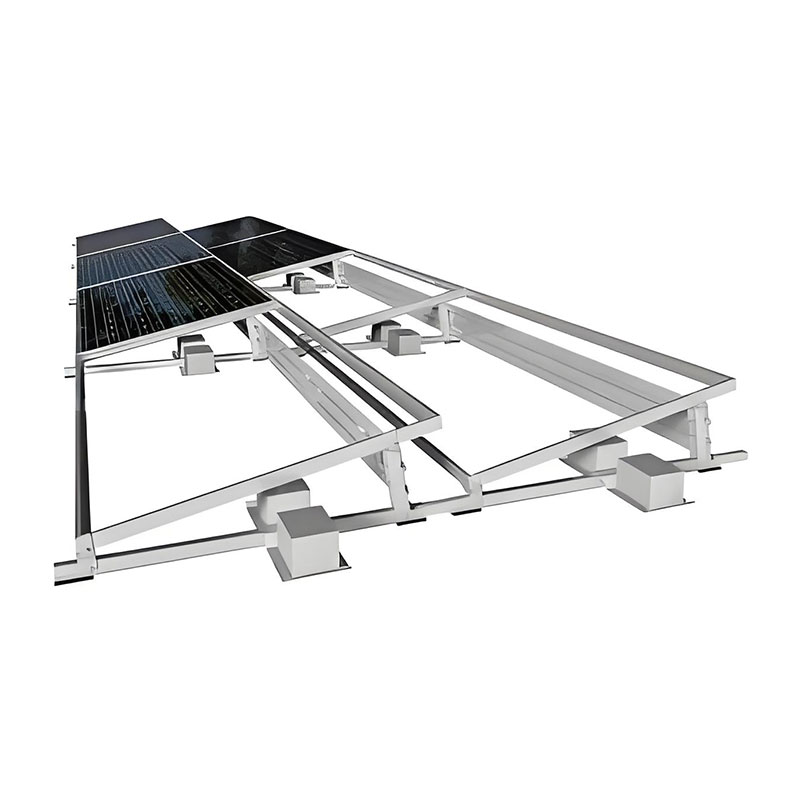
The frame-type bracket is mainly composed of columns, beams, connectors and fast...
Ground Solar Bracket is a support structure system designed for ground-mounted solar photovoltaic panels, designed to provide stable support and optimize solar power generation efficiency. It is widely used in large-scale solar power projects such as photovoltaic power stations, farmlands, and open spaces to maximize the power generation capacity of solar panels by ensuring that solar panels are stably and safely installed on the ground. Ground solar brackets are usually made of high-strength, corrosion-resistant materials such as galvanized steel, stainless steel, or aluminum alloy, and have excellent characteristics such as strong weather resistance, wind resistance, and earthquake resistance.
Zhenxuan Traffic Engineering Co., Ltd. is a large manufacturers of professional responsible for the design, production and sales of a series of guard rails, guard rails and high-speed soundproofing screens. As China Ground solar bracket Manufacturers and Ground solar bracket Suppliers, the company relies on high-speed guard board production equipment, the production quality meets national standards, and the product design is carried out using a computer...





A metal flood protection board is the most robust and reliable solution for preventing floodwater intrusion through doorways, entrances, and low-level openings. Unlike sandbags or plastic barriers, a properly engineered metal flood protection board system provides a demonstrable seal against water...
READ MORESpecifying a zinc steel fence guardrail provides municipal developers, industrial civil engineers, and premium estate managers with the ultimate equilibrium of structural yield strength, permanent electrochemical corrosion protection, and minimal long-term maintenance overhead. While alternative pe...
READ MORELearning how to build a wire mesh fence comes down to four fundamentals: set posts on a straight, correctly spaced line, unroll the mesh with steady tension, anchor it to every post without slack, and secure the ends with tension bars so the whole run stays tight for years instead of months. Mapp...
READ MORESelecting the right steel mesh fence manufacturer depends on balancing geometric rigidity against localized atmospheric corrosion. High-security infrastructure requires manufacturers utilizing heavy 4-gauge to 8-gauge wire with a minimum tensile strength of 500 MPa, combined with advanced Zinc-Alu...
READ MOREWhat are the Main Functions of Ground Solar Brackets?
1. Basic Functions of Ground Solar Brackets
The primary function of a ground solar bracket is to provide stable and secure support for solar panels. By connecting solar panels to the ground, the bracket ensures that the panels maintain the optimal angle and orientation, maximizing solar energy absorption and conversion efficiency. The specific functions include:
Support and Stability: The core function of ground solar brackets is to provide support for solar panels, ensuring they remain stable despite external factors like wind, rain, and ground vibrations. This is critical to ensure the long-term operation of solar power systems.
Angle Adjustment: Ground solar brackets are often equipped with angle adjustment capabilities, allowing the solar panels to be positioned at the most efficient angle based on geographic location and seasonal changes. This feature is particularly beneficial for solar power plants, as it enhances energy production efficiency under varying light intensity and weather conditions.
Weather Resistance: Ground solar brackets must possess strong wind resistance, seismic stability, and corrosion resistance to adapt to various harsh weather conditions such as high temperatures, heavy snow, and strong winds. To achieve this, our products use high-quality steel or aluminum alloy materials, which are treated with surface coatings such as hot-dip galvanizing or powder coating to ensure durability and long-term use.
2. Advantages of Zhenhao Ground Solar Brackets
Ningbo Zhenhao Traffic Engineering Co., Ltd., with years of production experience and technical accumulation, possesses unique advantages in the design and manufacture of ground solar brackets. Our products not only meet national and international quality standards but can also be customized according to customer needs. The key advantages are as follows:
High-Quality Material Selection: We use premium steel, aluminum alloys, and high-strength composites to ensure the stability of the brackets in various environmental conditions. We also apply advanced surface treatment techniques to improve the corrosion resistance of the brackets, thereby extending their service life.
Precise Design and Manufacturing: Our ground solar brackets are designed using advanced tools such as CAD systems and CATIA 3D modeling, which precisely calculate the mechanical properties of the brackets. This ensures that the brackets can support solar panels without deformation or damage under load. With fully automated production lines, we can quickly and efficiently complete large-scale manufacturing, ensuring product consistency and high precision.
Customized Services: We understand that the needs of different regions and projects may vary. Therefore, we offer highly customized services in product design. Whether it's the size, angle adjustment range, or installation method, we can tailor the design to meet the specific characteristics of each project, ensuring that the ground solar brackets perform optimally in real-world applications.
Ease of Installation: Our ground solar brackets not only feature strong functionality but also focus on simplifying the installation process. By optimizing structural design and providing complete installation plans, we minimize time and labor costs during installation. Additionally, we offer comprehensive after-sales services to ensure timely technical support for our customers.
3. The Importance of Ground Solar Brackets in Solar Power Generation
Ground solar brackets are an indispensable part of large-scale solar power plant projects, directly influencing the stability and efficiency of the entire system. The following are the key roles that ground solar brackets play in solar power generation:
Improving Light Absorption Efficiency: Ground solar brackets allow for the adjustment of solar panel angles to ensure that they can capture solar radiation to the maximum extent. This feature is especially important in regions with varying sun paths, as angle adjustment helps increase solar energy absorption and overall power generation efficiency.
Adaptability to Complex Terrain: Another advantage of ground solar brackets is their ability to adapt to different terrain conditions. Whether it is flat land, slopes, or uneven ground, ground solar brackets can be designed to accommodate these variations, ensuring the stability and safety of the bracket system. For special terrains, Zhenhao offers customized design solutions to ensure the brackets can be securely installed in any environment.
Durability and Long-Term Use: The durability of ground solar brackets directly affects the overall service life of the solar power system. Our brackets undergo rigorous quality checks, utilizing corrosion-resistant materials and wind-resistant designs to withstand various weather conditions and external pressures. This ensures that the solar panels remain in stable operation for an extended period, reducing maintenance costs.
What Are the Installation Steps and Process for Ground Solar Brackets?
1. Preparation Stage
The installation of ground solar brackets is a systematic process that needs to be carried out strictly according to procedures, starting with the preparation phase.
1. Survey and Design Plan Confirmation
Before installation, a site survey must be conducted to ensure that the ground solar brackets can be securely installed in the appropriate location. Surveyors need to evaluate factors such as terrain, soil quality, and climate conditions to ensure the feasibility and reasonableness of the design plan. Ningbo Zhenhao Traffic Engineering Co., Ltd. provides highly customizable ground solar brackets, and our design team will offer the most optimized installation solutions based on the actual conditions of the site.
2. Material Preparation
After confirming the design plan, the next step is the preparation of materials. This includes the bracket frame, support columns, connectors, solar panels, and other components. Zhenhao's ground solar brackets are made from high-strength steel or aluminum alloy, and undergo rigorous quality control to ensure each component meets national standards and possesses excellent corrosion resistance and durability.
2. Foundation Construction Stage
Foundation construction is a crucial step in the installation of ground solar brackets. The stability and safety of the bracket system are directly related to the quality of the foundation work.
1. Excavation and Pile Driving
According to the design plan, excavation or drilling is required to ensure that the support columns can be deeply embedded in the ground to provide sufficient support. For regions with loose soil, pile driving is often necessary to improve support strength. Zhenhao’s ground solar bracket system can be customized based on different geological conditions, including pile depth, column length, etc., ensuring secure installation in any type of terrain.
2. Support Column Installation
The support columns are the core components of the entire solar bracket system and must be installed with precision to ensure verticality and stability. The support columns are generally fixed in place through concrete pouring or other reinforcing methods. Zhenhao’s ground solar brackets feature standardized, modular designs, making the installation of support columns straightforward. Additionally, we provide flexibility in adjusting height and angle to ensure solar panels receive the optimal lighting angle.
3. Bracket Assembly and Installation
Bracket assembly and installation involve connecting the support columns with the bracket system.
1. Bracket Frame Assembly
After the support columns are installed, the next step is assembling the bracket frame. The bracket frame must be installed precisely on the support columns according to the size and number of solar panels. Ningbo Zhenhao Traffic Engineering Co., Ltd. utilizes computer-aided design (CAD) technology for precise design, ensuring the frame’s angle is optimized for the solar panels. Our bracket frame structures are modular and adjustable, making them adaptable to various solar panel configurations.
2. Solar Panel Installation
Once the bracket frame is assembled, the next step is installing the solar panels onto the brackets. During this process, it is essential to ensure that the panels are securely fixed in place to prevent displacement due to wind, vibration, or other external forces. We use high-quality fasteners and connectors to ensure a stable and reliable connection between the solar panels and the brackets.
3. Electrical System Installation
After the solar panels are installed, the final step is to connect the electrical system. This includes wiring the solar panels to the inverter, battery systems, and other equipment, ensuring that the electrical current flows smoothly and that all electrical connections are secure.
4. Testing and Debugging
After the installation is completed, testing and debugging are crucial to ensure the proper functioning of the ground solar bracket system and its solar panels.
1. Bracket Stability Testing
First, a stability test of the bracket system is conducted to ensure that the structure does not shift or collapse under wind, vibrations, or other external conditions. Zhenhao’s ground solar brackets are designed with rigorous wind and seismic resistance, and undergo multiple quality tests to ensure they remain stable in complex environments.
2. Lighting Angle Optimization Testing
After the solar panels are installed, the testing team will adjust the angle of the solar panels based on the local geographical location and seasonal variations to ensure that the system captures the maximum amount of sunlight. This is a key step in improving the solar power generation efficiency.
3. Electrical System Inspection
The stability of the electrical system directly impacts the safety and performance of the entire solar power generation system. After installation, technicians will check the wiring for correctness and ensure that the system operates smoothly.
5. Completion and Handover
Once all tests and debugging are completed, the installation of the ground solar bracket system is considered finished. During the completion inspection, Zhenhao will provide a detailed installation report and equipment manuals, ensuring that the client understands the system’s operation, maintenance, and care requirements. Additionally, we offer professional after-sales services to ensure that the system receives timely technical support during its operation.
Do Ground Solar Brackets Need Regular Maintenance? What is the Maintenance Cycle and What Should be Noted?
The Importance of Maintenance for Ground Solar Brackets
Ground solar brackets play a crucial role in solar power systems by providing the necessary support for solar panels, ensuring the system’s stability and operational efficiency. While ground solar brackets are designed to be durable and robust, like all outdoor equipment, they are subject to the effects of the environment, weather, and external factors. Therefore, regular maintenance and inspection are essential to prolong their lifespan and ensure optimal performance.
As a leading company specializing in the design, production, and sales of traffic safety facilities, solar brackets, and related products, Ningbo Zhenhao Traffic Engineering Co., Ltd. understands the importance of maintenance for solar brackets in ensuring long-term use. Our ground solar brackets are designed to be durable and high-quality, but regular maintenance is still crucial to keeping them in the best condition.
The Maintenance Cycle for Ground Solar Brackets
The maintenance cycle for ground solar brackets is not fixed and should be determined based on factors like the local climate, ground conditions, and the age of the system. Below are some maintenance cycle recommendations based on different environments:
1. Mild Climate Areas:
In regions with mild climates, where there is less wind, sand, and rainfall, the maintenance cycle for ground solar brackets can be extended. We recommend performing a comprehensive check once a year, including inspecting the bracket joints and the integrity of the surface coating to ensure there is no rust or looseness.
2. Harsh Climate Areas:
In areas with heavy winds, frequent rainfall, or extreme weather conditions such as strong winds or snow, the maintenance cycle should be shorter. A detailed check every six months is recommended. In these areas, the corrosion resistance and wind-resistant, shock-resistant features of the solar bracket are especially important, so more frequent inspections will help detect potential issues before they become major problems.
3. Special Environments (e.g., Coastal or Industrial Areas):
In coastal areas or industrial zones where salt in the air or pollutants can accelerate metal corrosion, the maintenance cycle should be even shorter. We recommend conducting inspections every three to four months. Regular maintenance is critical in these environments to prevent the solar brackets from being damaged by corrosion.
Maintenance Considerations for Ground Solar Brackets
When performing maintenance on ground solar brackets, the following considerations are essential:
1. Cleaning the Surface of the Bracket:
The surface of the brackets can accumulate dust, dirt, leaves, and other debris, which can affect both the stability of the brackets and the efficiency of solar panel light reception. Regular cleaning with a soft brush or a high-pressure water jet is necessary, especially at the connection points of the brackets, to ensure there is no buildup of dirt or debris that could affect performance.
2. Checking the Corrosion-Resistant Coating:
The anti-corrosion coating on the surface of ground solar brackets is key to their long-lasting durability. During maintenance, it is essential to check the coating for any signs of peeling, chipping, or corrosion. If any issues are found, the coating should be repaired or reapplied to prevent further damage. Ningbo Zhenhao Traffic Engineering Co., Ltd. uses advanced surface treatments such as hot-dip galvanizing and powder coating to ensure excellent corrosion resistance against elements like sea air and rain.
3. Inspecting Fasteners:
Over time, bolts, nuts, and other fasteners used in the bracket system can loosen due to vibration, temperature fluctuations, and other external factors. Regularly check all connection parts to ensure that no fasteners are loose or damaged. If necessary, tighten or replace any loose components.
4. Checking Bracket Structure:
The structural stability of the brackets is crucial. After long-term use or exposure to extreme weather events, it is important to inspect the brackets for any signs of deformation, cracks, or other damage. If any structural issues are found, the brackets should be repaired or replaced immediately.
5. Checking the Electrical System:
The electrical system connected to the ground solar brackets, such as cables and connectors, should also be checked regularly. Ensure that the cables are intact, and the connections are secure to avoid any electrical faults that could affect the system’s efficiency.
6. Drainage System:
For brackets installed in low-lying areas, it is important to ensure that the drainage system is not blocked. Standing water can cause damage to both the brackets and the solar panels. Zhenhao’s ground solar bracket systems are designed with efficient drainage in mind, preventing water accumulation and ensuring system stability.
The Maintenance Advantages of Zhenhao Ground Solar Brackets
At Ningbo Zhenhao Traffic Engineering Co., Ltd., we pride ourselves on producing high-quality ground solar brackets that are designed with durability in mind. Our brackets are made from high-strength materials such as galvanized steel and aluminum alloy, combined with precise CAD design technology to ensure robust and long-lasting performance. Our solar brackets undergo rigorous quality control to meet national standards, providing excellent wind, shock, and corrosion resistance.
In addition to offering durable products, we provide professional after-sales service and technical support. Clients can always count on us for expert guidance on maintaining their solar bracket systems, ensuring that their solar energy projects remain efficient and reliable for many years.
How to Consider Land Use and Installation Terrain When Designing Ground Solar Brackets?
Optimizing Land Use
When designing ground solar brackets, it is crucial to fully consider the effective use of land, especially when land resources are limited or scarce. Maximizing the layout of solar panels on limited land is a key task in the design process to improve the power generation efficiency of solar systems.
1. Reasonable Planning of Bracket Layout
When designing ground solar brackets, the first step is to reasonably plan the layout based on the total area of the project and the actual conditions of the land (such as topography, soil structure, and land usage). To maximize land use, the bracket layout design should optimize the arrangement of the modules to avoid unnecessary gaps. For example, in large-scale photovoltaic plants, the arrangement of brackets must fully consider the tilt angle and orientation of the solar panels, ensuring that each piece of land can receive maximum solar radiation and improve power generation efficiency.
2. Dual-layer or Stacked Design
For areas with limited land resources, Ningbo Zhenhao Traffic Engineering Co., Ltd. often uses a dual-layer or stacked design for solar brackets. This design not only increases land usage density but also enhances the system’s exposure to sunlight. The dual-layer solar bracket design integrates the land and air space, making full use of the available land.
3. Utilizing Wasteland or Non-agricultural Land
In some regions, wasteland or non-agricultural land may be available. Using such land for solar power stations increases land utilization without conflicting with agricultural production. Zhenhao provides the most suitable ground solar bracket solutions for clients after thoroughly analyzing local land properties to ensure that no available land resources are wasted.
Impact of Installation Terrain
The design of ground solar brackets must also take into account the diversity of installation terrain. Different terrain conditions, such as flat land, hills, and uneven ground, have a direct impact on the stability and installation difficulty of solar brackets. Therefore, the design team must conduct thorough terrain surveys and evaluations before the project starts to develop a bracket design scheme that meets the actual conditions.
1. Design Considerations for Flat Terrain
On flat terrain, the installation of brackets is relatively simple, and the design flexibility is higher. In this case, the main design task of the bracket is to reasonably arrange the solar panels according to the size of the land and the light angle, maximizing the power generation on the land. Installation usually only requires ground foundation work, such as piling or concrete foundation pouring, and the stability of the bracket system is primarily ensured by the structural strength and the solidity of the foundation.
2. Design Challenges for Sloped or Irregular Terrain
Installing solar brackets on sloped or irregular terrain increases the design complexity and technical requirements. The sloped terrain causes variations in the tilt angles of the brackets, which can affect the light exposure efficiency of the solar panels. Additionally, the bracket foundation on sloped land needs to be more solid to prevent landslides or other geological hazards from damaging the system. In these projects, Zhenhao adopts adjustable brackets with precise height and angle adjustments that can adapt to the slope requirements, ensuring that the solar panels are positioned at the optimal angle for maximum sunlight absorption.
3. Adaptation for Complex Terrain
For more complex terrains, such as hills, rocky areas, or wetlands, the design team needs to customize the bracket plan based on the specific terrain conditions. This includes adjusting the length of the bracket support posts, the depth of the foundation, and the seismic resistance of the system. In such specialized terrain, Ningbo Zhenhao Traffic Engineering Co., Ltd. uses modular and adjustable designs for the brackets, allowing for flexible adjustments based on geological conditions and ensuring the system remains stable and secure in any environment.
Environmental and Climatic Considerations
In addition to land use and terrain, the bracket design must also consider surrounding environmental and climatic factors, such as wind force, precipitation, and temperature variations, as they can impact the stability of the brackets and the operational efficiency of the solar system.
1. Wind Resistance Design
In regions with strong winds, the solar bracket system must have sufficient wind resistance. The design of the brackets should take wind load into account, using high-strength materials and stable structural designs to prevent damage from strong winds. Zhenhao solar brackets are made from high-quality galvanized steel and aluminum alloy, ensuring that they remain stable and durable even in high-wind areas.
2. Corrosion Resistance and Weatherproofing
In areas with high humidity or salt spray, the corrosion resistance and weatherproofing of the brackets are particularly important. The protective coating and material selection of the brackets directly affect their service life and stability. Zhenhao’s ground solar brackets are treated with hot-dip galvanizing and spray coating, ensuring they can resist corrosion from sea breezes, acid rain, and other harsh weather, extending their service life.
Contact Us
Add:No. 577 Fuqiang Road, Panhuo Street, Yinzhou District, Ningbo City, Zhejiang Province
Email: [email protected]
Telephone: +86-18058271903
Phone: +86 0571-28284189

Zhenxuan Traffic Engineering Co., Ltd. is a large manufacturers of professional responsible for the design, production and sales of a series of guard rails, guard rails and high-speed soundproofing screens.
PRODUCT
case
 OEM/ODM Ground solar bracket Suppliers
+86-18058271903