
 English
 Español
Floating (floating) water surface solar bracket
The floating surface photovoltaic bracket is mainly composed of buoys, cable tro...
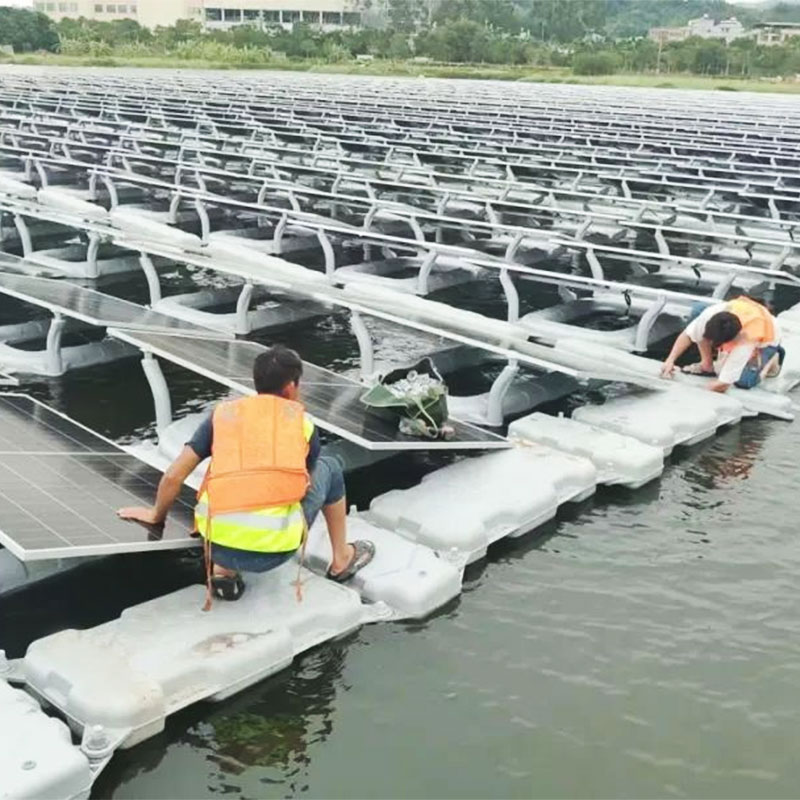
The floating surface photovoltaic bracket is mainly composed of buoys, cable tro...
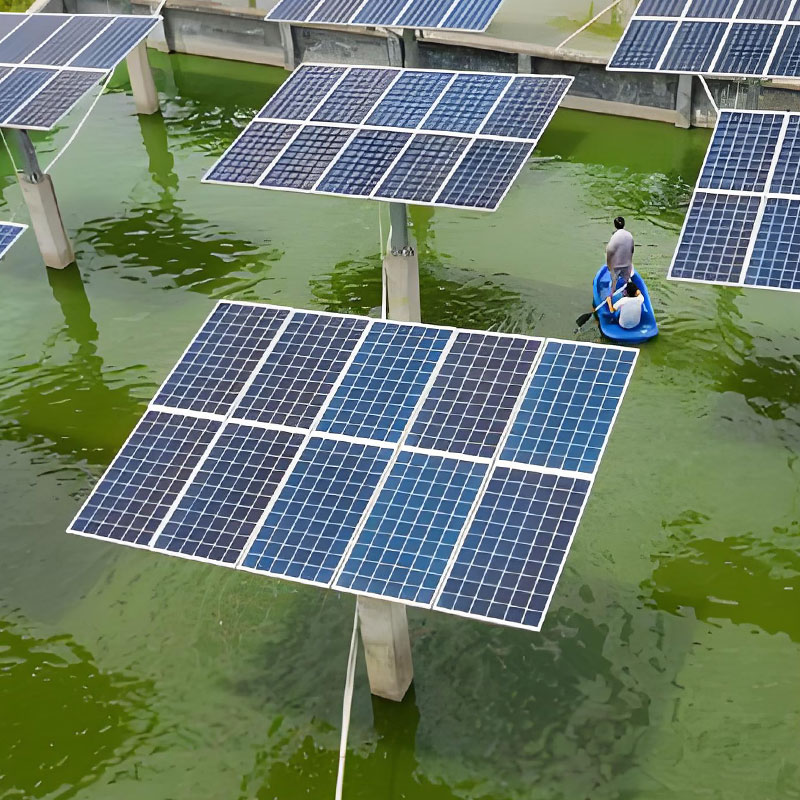
Fixed surface photovoltaic brackets are usually composed of columns, beams, conn...
Water Surface Solar Bracket is a support system designed for water environments, by installing solar panels on the water surface, such as lakes, reservoirs and rivers. It can make full use of the water surface space for solar power generation, and keep the solar panels at the best angle through the floating design to obtain maximum sunlight radiation. This bracket not only helps save land resources, but also efficiently converts water space into clean energy resources, and is suitable for areas where traditional ground installation methods are difficult to achieve.
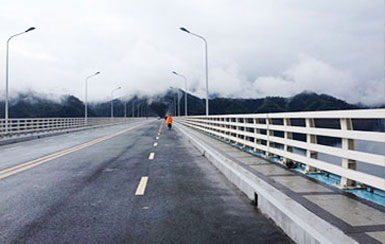
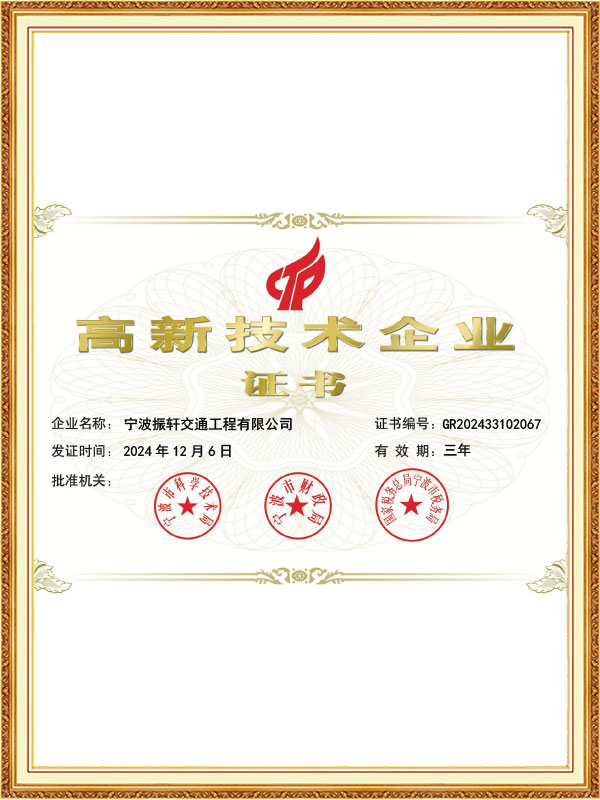
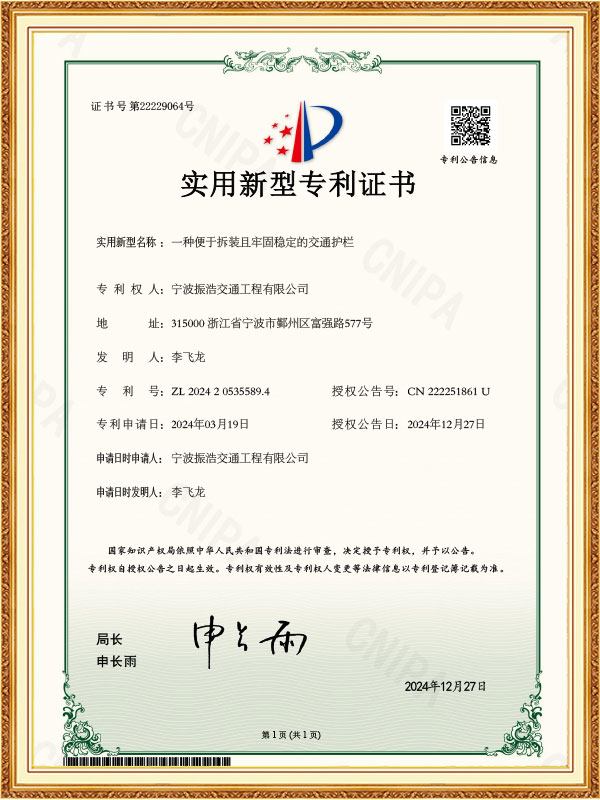
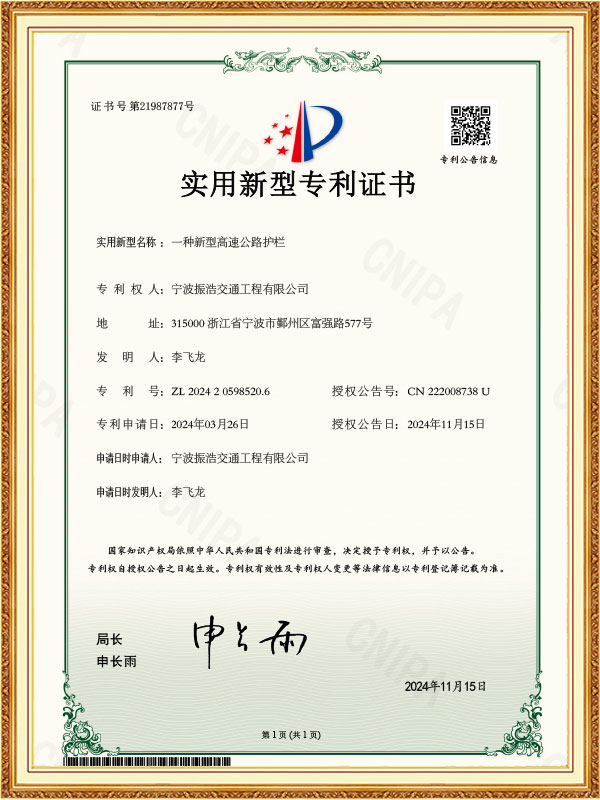
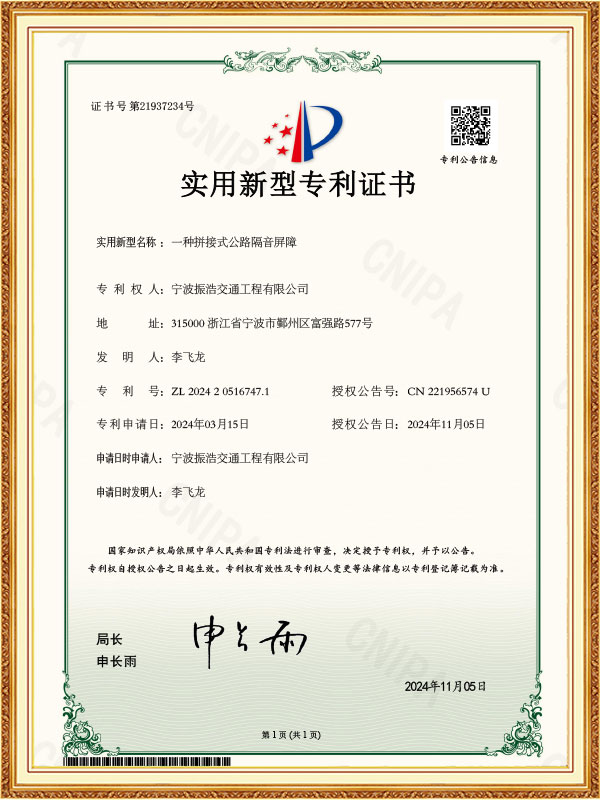
Zhenxuan Traffic Engineering Co., Ltd. is a large manufacturers of professional responsible for the design, production and sales of a series of guard rails, guard rails and high-speed soundproofing screens. As China Water surface solar bracket Manufacturers and Water surface solar bracket Suppliers, the company relies on high-speed guard board production equipment, the production quality meets national standards, and the product design is carried out using a computer...
A metal flood protection board is the most robust and reliable solution for preventing floodwater intrusion through doorways, entrances, and low-level openings. Unlike sandbags or plastic barriers, a properly engineered metal flood protection board system provides a demonstrable seal against water...
READ MORESpecifying a zinc steel fence guardrail provides municipal developers, industrial civil engineers, and premium estate managers with the ultimate equilibrium of structural yield strength, permanent electrochemical corrosion protection, and minimal long-term maintenance overhead. While alternative pe...
READ MORELearning how to build a wire mesh fence comes down to four fundamentals: set posts on a straight, correctly spaced line, unroll the mesh with steady tension, anchor it to every post without slack, and secure the ends with tension bars so the whole run stays tight for years instead of months. Mapp...
READ MORESelecting the right steel mesh fence manufacturer depends on balancing geometric rigidity against localized atmospheric corrosion. High-security infrastructure requires manufacturers utilizing heavy 4-gauge to 8-gauge wire with a minimum tensile strength of 500 MPa, combined with advanced Zinc-Alu...
READ MOREWhat Are the Advantages of Water Surface Solar Brackets Compared to Traditional Ground Solar Brackets?
Utilizing Space More Efficiently by Making Full Use of Water Resources
Traditional ground-mounted solar brackets typically require large areas of land, which can be a limiting factor in regions with scarce or expensive land resources. On the other hand, water surface solar brackets can be installed on lakes, ponds, reservoirs, and other bodies of water, effectively utilizing water space and avoiding the waste of land resources. For regions with abundant water resources but limited land, water surface solar brackets are an ideal solution.
At Ningbo Zhenhao Traffic Engineering Co., Ltd., we design and manufacture water surface solar brackets that are tailored to the unique characteristics of different bodies of water. This ensures the stability and long-term reliability of the brackets. For example, our water surface solar brackets are made using advanced materials and optimized designs, allowing them to adapt to fluctuating water levels and ensuring stable operation even in environments with significant wave movement.
Enhancing Light Efficiency and Reducing Temperature Impact
Water surface solar brackets offer a unique advantage in terms of light efficiency. The reflective properties of water can enhance the amount of sunlight that the solar panels receive. In traditional ground-mounted solar systems, the amount of reflected light is relatively limited, resulting in lower light efficiency.
Additionally, water bodies have a natural ability to regulate temperature, helping to maintain a cooler environment around the solar panels. In contrast, traditional ground-mounted solar systems are more susceptible to overheating in hot weather, which can reduce their energy generation efficiency. The cooling effect of water helps maintain a lower operating temperature for solar panels on water surface solar brackets, boosting their energy production efficiency.
At Ningbo Zhenhao Traffic Engineering Co., Ltd., our water surface solar brackets are designed with this factor in mind, ensuring that solar panels operate under the most favorable temperature and lighting conditions for optimal performance.
Improving System Stability and Enhancing Resistance to Wind and Waves
Water surface solar brackets face additional challenges compared to traditional ground-mounted systems due to the dynamic nature of water bodies, including fluctuations in water levels, tidal changes, and wave movement. As a result, water surface solar brackets require enhanced structural stability and resistance to wind and waves.
Ningbo Zhenhao Traffic Engineering Co., Ltd. uses advanced CAD and CATIA 2D/3D design systems, combined with computer simulation technology, to precisely calculate and optimize the wind and wave resistance of our brackets. Our water surface solar brackets are designed to withstand strong winds and waves, ensuring stability even in harsh weather conditions, and are built for long-lasting durability. Whether faced with strong winds or rising water levels, our brackets maintain the system’s stability, preventing equipment damage and energy loss.
Environmental Friendliness and Sustainability
Another notable advantage of water surface solar brackets is their environmental impact. Traditional ground-mounted solar brackets can sometimes interfere with land ecosystems and disturb local wildlife habitats. In contrast, water surface solar brackets are installed directly on the water surface, minimizing land and ecosystem disruption.
At Ningbo Zhenhao Traffic Engineering Co., Ltd., we prioritize environmental protection in our product designs. Our water surface solar brackets are made from eco-friendly materials, ensuring that their use has no negative impact on water quality or aquatic life. Moreover, our brackets undergo rigorous testing to meet environmental standards, providing an eco-conscious solution that maximizes solar energy generation while reducing carbon emissions.
High Economic Efficiency and Shorter Payback Period
Water surface solar brackets also provide significant economic advantages over traditional ground-mounted systems. First, because they do not require large amounts of land, they reduce costs associated with land acquisition or leasing. Secondly, the structural design of water surface solar brackets is often simpler, leading to lower installation costs.
Additionally, due to their ability to enhance light efficiency and minimize the impact of temperature on solar panel performance, water surface solar brackets typically achieve higher energy generation compared to ground-mounted systems. This results in a quicker return on investment and better economic benefits. With higher energy output and lower maintenance costs, water surface solar brackets allow for a shorter payback period.
At Ningbo Zhenhao Traffic Engineering Co., Ltd., our water surface solar brackets are designed to deliver maximum value, ensuring that your investment in solar energy pays off in a shorter time frame.
How Do Water Surface Solar Brackets Withstand Floating and Tidal Changes?
Design Principles to Adapt to Water Surface Fluctuations and Waves
One of the biggest challenges for water surface solar brackets is adapting to the fluctuations and waves of the water surface, especially tidal changes and the impact of wind and waves on the brackets. Unlike traditional ground-mounted solar brackets, water surface solar brackets must be installed stably on water surfaces, which requires careful consideration of factors such as water level changes, tidal rises and falls, and wind and wave impacts.
Ningbo Zhenhao Traffic Engineering Co., Ltd. has utilized advanced CAD and CATIA 2D/3D modeling systems in the design of its water surface solar brackets. These systems simulate various water conditions to precisely design the structural stability and adaptability of the brackets. Our water surface solar brackets can automatically adjust to changes in water levels and tidal fluctuations, ensuring that the solar panels remain in the optimal working position.
By using precision floating platform systems, the brackets can adjust their height and angle according to water level changes, maintaining panel stability and preventing imbalance caused by tidal fluctuations or wave movements. This design effectively addresses the dynamic environment of water bodies, ensuring the solar panels receive maximum sunlight, thereby improving energy generation efficiency.
Anti-Tidal Design and Stability
One of the most challenging environmental factors for water surface solar brackets is tidal changes. The periodic rise and fall of tides put significant pressure on the stability and long-term operation of solar panel systems on water surfaces. Ningbo Zhenhao Traffic Engineering Co., Ltd. has engineered its water surface solar brackets with reinforced anti-corrosion materials and stabilization designs to withstand tidal fluctuations in various water bodies, such as oceans, lakes, and reservoirs.
Our water surface solar brackets are equipped with a precise floating adjustment system that ensures stability during tidal changes. The connection points between the brackets and the water surface are designed with elastic joints and buoyancy features to absorb water movements during tidal fluctuations, reducing the impact of external forces on the structure. Additionally, the foundation of the brackets is designed with reinforced structures to maintain stability and prevent tilting or collapse as water levels change.
Furthermore, Ningbo Zhenhao Traffic Engineering Co., Ltd. uses high-corrosion-resistant metal materials with special coating treatments to ensure that the brackets perform reliably even in saltwater environments. These materials help extend the service life of the brackets and ensure reliability despite tidal variations and extreme weather conditions.
Wind and Wave Resistance
In addition to tidal changes, wind and waves also pose a significant challenge for water surface solar brackets. Especially in oceanic or large, open water bodies, the strength and unpredictability of wind and waves demand a higher level of resistance from the support structure. Unlike traditional ground-mounted systems, water surface solar brackets must be specifically designed to withstand wind and wave forces.
Ningbo Zhenhao Traffic Engineering Co., Ltd. has designed its water surface solar brackets to withstand high winds and large waves. The frame of the bracket is specially engineered to endure wind forces from different directions, ensuring the system remains intact and operational even in extreme weather conditions. The base and floating platform of the brackets are weighted and optimized to prevent instability or damage in strong winds. Moreover, the anchoring system ensures that the bracket is securely fixed to the water surface, avoiding displacement or overturning caused by waves.
This robust wind and wave resistance allows Ningbo Zhenhao Traffic Engineering Co., Ltd.’s water surface solar brackets to function efficiently in varied and harsh environments, maintaining system safety and performance even during storms or typhoons.
Long-Term Durability and Low Maintenance Costs
Water surface solar brackets are continuously exposed to the water environment, making durability and low maintenance essential for their long-term operation. To ensure the long-term stability of the system, Ningbo Zhenhao Traffic Engineering Co., Ltd. focuses on selecting the highest quality materials and advanced corrosion protection technologies for its solar brackets.
Our water surface solar brackets are made from high-strength, corrosion-resistant alloys and stainless steel, which can effectively resist corrosion from water bodies, ensuring a long service life. Additionally, the surface of the brackets is treated with specialized coatings, allowing them to maintain excellent durability and structural integrity even after prolonged exposure to water. Compared to traditional ground-mounted solar brackets, water surface solar brackets significantly reduce maintenance costs, as they require less frequent cleaning and repair, reducing long-term operational expenses.
Customized Design to Meet the Needs of Different Water Environments
Each water body has different water flow, wave, and tidal conditions, meaning that water surface solar brackets must be designed to adapt to these environmental factors. Ningbo Zhenhao Traffic Engineering Co., Ltd. offers customized water surface solar bracket solutions that take into account the specific conditions of the water environment.
Whether it’s a lake, artificial reservoir, or oceanic water body, we are able to design the most suitable bracket structure based on the local conditions to ensure both stability and energy generation efficiency. Our customized design capabilities allow us to tackle the challenges posed by a variety of water environments and provide professional, high-efficiency solar bracket solutions for our clients.
What Special Equipment and Technologies Are Needed for Installing Water Surface Solar Brackets?
Special Installation Equipment
The installation of water surface solar brackets requires equipment that is different from traditional ground-mounted solar brackets. Due to the unique characteristics of water environments, installation involves underwater operations, the assembly of floating platforms, and testing the stability of the bracket system. Thus, specialized equipment is necessary:
1. Floating Platform System
Water surface solar brackets require a floating platform to support the solar panels. The platform must be designed to accommodate water fluctuations and level changes, ensuring the stability of the bracket system. Ningbo Zhenhao Traffic Engineering Co., Ltd. uses high-strength, corrosion-resistant floating platforms combined with a flexible adjustment system to automatically adjust the height and angle of the bracket depending on water level changes. During installation, specialized lifting equipment is required to install the platform on the water surface and ensure it remains level and stable.
2. Underwater Anchoring Equipment
To secure the bracket system in place in the water, special underwater anchoring equipment is used. The anchoring system involves driving steel columns or anchor rods into the seabed or lakebed, anchoring the system securely. Ningbo Zhenhao Traffic Engineering Co., Ltd. has designed innovative anchoring solutions to provide firm support for solar panels in various aquatic environments, ensuring stability against water currents and tides.
3. Specialized Installation Barges and Cranes
Installation of water surface solar brackets requires installation barges and cranes to transport and install the components. Installation barges serve as a stable work platform on the water, allowing installation personnel to operate safely and efficiently. Cranes are used to lift and position the solar panels and bracket components accurately. These specialized installation tools are critical for ensuring the successful deployment of water surface solar systems.
Special Technological Requirements
In addition to specialized equipment, the installation of water surface solar brackets also involves specific technical requirements to ensure the long-term stability and high efficiency of the system:
1. Water Surface Dynamic Adaptation Technology
The primary challenge in installing water surface solar brackets is dealing with water level fluctuations and tidal changes. Ningbo Zhenhao Traffic Engineering Co., Ltd. employs dynamic adaptation technology to automatically adjust the height and angle of the brackets in response to changes in water level. This ensures that solar panels remain in an optimal position for maximum sunlight exposure, regardless of tide cycles or water level fluctuations. During installation, the system is precisely designed based on tidal data and water level predictions to guarantee stable operation in various water environments.
2. Wind and Wave Resistance Technology
Water environments are often subjected to strong wind and wave forces, making it essential for solar bracket systems to have robust wind and wave resistance. During the installation process, Ningbo Zhenhao Traffic Engineering Co., Ltd. utilizes advanced simulation technology to test the wind and wave resistance of the brackets, ensuring they can withstand extreme weather conditions. We also use special shock-resistant designs that allow the brackets to remain stable, even in the presence of strong winds and waves, preventing tilting or damage.
3. Corrosion Resistance Technology
Due to the corrosive nature of water environments, particularly in seawater or saline conditions, corrosion resistance is a critical consideration. Ningbo Zhenhao Traffic Engineering Co., Ltd. selects corrosion-resistant alloy steels and stainless steel materials for the solar bracket components. Additionally, the surface of the brackets is treated with a special anti-corrosion coating to enhance durability and ensure long-lasting performance in harsh water environments. Our brackets undergo extensive corrosion resistance testing to ensure their reliability and longevity.
4. Precise Installation Alignment Technology
The accuracy of the bracket installation is essential for the overall system stability and energy generation efficiency. Ningbo Zhenhao Traffic Engineering Co., Ltd. uses laser alignment technology to precisely measure and align each component during installation. This ensures that the brackets are installed exactly as designed, avoiding any misalignment or instability. We also use advanced 3D modeling techniques to simulate the installation process, ensuring each step meets the design specifications and minimizes errors.
5. Real-Time Monitoring and Testing Technology
To guarantee the quality of installation and the system’s long-term stability, Ningbo Zhenhao Traffic Engineering Co., Ltd. equips the installation process with real-time monitoring tools. These devices monitor the progress of the installation, the structural integrity of the system, and the surrounding environmental conditions. This allows for early detection of potential issues and adjustments as needed. We also provide quality testing services post-installation to assess the load-bearing capacity, stability, and corrosion resistance of the system, ensuring it meets international standards.
Post-Installation Debugging and Maintenance
After installation, water surface solar brackets require a series of debugging and maintenance tasks to ensure the system operates smoothly. Ningbo Zhenhao Traffic Engineering Co., Ltd. offers comprehensive after-sales services, including regular inspections, system optimization, and troubleshooting. Our professional technical team provides timely support and maintenance, ensuring that the solar power system operates at optimal performance throughout its lifespan.
What Makes Water Surface Solar Brackets Adaptable to Different Types of Water Bodies?
Freshwater Environments Adaptation
Freshwater bodies, such as lakes, reservoirs, and rivers, are the most common application scenarios for Water Surface Solar Brackets. In these water bodies, the water quality is relatively stable, with minor water level fluctuations. The main challenges include water flow velocity, sedimentation, and seasonal water level changes.
1. Bracket Design: Adapting to Water Level Fluctuations
In freshwater lakes, the water level may fluctuate with seasonal changes and rainfall. The Water Surface Solar Brackets designed by Ningbo Zhenhao Traffic Engineering Co., Ltd. feature a flexible floating platform design that can automatically adjust the bracket height with the water level. This ensures that the solar panels are always positioned at their optimal working level. Our floating bracket system effectively adapts to water level variations, ensuring stability and efficiency in varying conditions.
2. Corrosion Resistance and Durability
Although freshwater bodies are less corrosive than seawater, the bracket system still requires a certain level of corrosion resistance due to prolonged exposure to water. Ningbo Zhenhao Traffic Engineering Co., Ltd. uses high-strength stainless steel and corrosion-resistant alloy materials for the solar brackets, and applies special anti-corrosion coatings to ensure longevity and reliable performance in freshwater environments.
Adaptation to Seawater and Saline Water Environments
Compared to freshwater bodies, seawater and saline water environments impose stricter requirements on solar brackets. The high salinity, strong corrosion, and tidal variations in seawater present greater challenges for material choice and structural design.
1. High Corrosion Resistance Design
The salt in seawater is highly corrosive to metal materials, so solar brackets in marine environments must be made of materials with higher corrosion resistance. Ningbo Zhenhao Traffic Engineering Co., Ltd. selects high corrosion-resistant stainless steel and saltwater-resistant alloys for the design of its Water Surface Solar Brackets. The brackets undergo special hot-dip galvanizing and anti-corrosion coating treatments to resist the corrosion caused by seawater, ensuring long-term stable operation in marine environments.
2. Adaptation to Tides and Waves
In marine and saline water bodies, tidal and wave variations are more pronounced, requiring brackets with enhanced resistance to tidal changes and wave impacts. Ningbo Zhenhao Traffic Engineering Co., Ltd.'s Water Surface Solar Brackets are equipped with unique floating designs and anchoring systems that can adapt to tidal fluctuations. The brackets' floating platforms adjust in response to water level changes, while the anchoring system ensures the structure’s stability against strong winds and waves.
3. Structural Reinforcement and Wind Resistance
Marine environments often experience strong winds, especially during storms, which can severely impact the solar brackets. Ningbo Zhenhao Traffic Engineering Co., Ltd. optimizes its floating solar bracket design for wind resistance by using high-strength steel structures and reinforcement designs. This allows the brackets to withstand strong winds and prevent tilting or damage from gusty conditions.
Adaptation to Tidal Lakes and Wetlands
Tidal lakes and wetlands have characteristics such as significant water level fluctuations and the presence of aquatic vegetation and plankton, which can create challenges for solar bracket installation and performance.
1. Adapting to Rapid Water Level Changes
In tidal lakes and wetlands, the water level changes rapidly, so Water Surface Solar Brackets must be flexible enough to adjust. Ningbo Zhenhao Traffic Engineering Co., Ltd.'s Water Surface Solar Brackets feature an intelligent platform system that automatically adjusts to water level changes, ensuring that solar panels remain at the optimal angle for maximum efficiency. This design minimizes the impact of water level fluctuations on bracket stability.
2. Preventing Biological Attachments and Aquatic Plant Growth
In wetlands and tidal lakes, aquatic plants and plankton can easily attach to the bracket structure, which may reduce solar panel efficiency. To address this, Ningbo Zhenhao Traffic Engineering Co., Ltd. applies an anti-biofouling coating to the brackets, which reduces the attachment of plants and other organisms, ensuring the efficient operation of the solar panels.
Adaptation to Artificial Water Bodies and Reservoirs
Artificial water bodies, such as water reservoirs and ponds, typically have slow-moving water and cleaner water quality that is easier to control. However, these environments still experience seasonal water level fluctuations and water flow changes, which require flexibility in the bracket design.
1. Adjustable Bracket Systems
In artificial water bodies, Ningbo Zhenhao Traffic Engineering Co., Ltd.'s Water Surface Solar Brackets are designed with adjustable floating systems that allow them to adapt to varying water levels. This ensures that the solar panels maintain an optimal angle for light capture in any water level condition, while preventing displacement or instability caused by water flow changes.
Customized Design and Comprehensive Solutions
Ningbo Zhenhao Traffic Engineering Co., Ltd. is committed to providing tailored solar bracket solutions based on customer needs. Whether the water body is freshwater, saline, or tidal, we offer customized floating solar bracket systems that account for specific water quality, flow, tidal variations, and other factors. Our team provides comprehensive solutions to ensure efficient, stable solar power generation in any aquatic environment.
Contact Us
Add:No. 577 Fuqiang Road, Panhuo Street, Yinzhou District, Ningbo City, Zhejiang Province
Email: [email protected]
Telephone: +86-18058271903
Phone: +86 0571-28284189

Zhenxuan Traffic Engineering Co., Ltd. is a large manufacturers of professional responsible for the design, production and sales of a series of guard rails, guard rails and high-speed soundproofing screens.
PRODUCT
case
 OEM/ODM Water surface solar bracket Suppliers
+86-18058271903