
 English
 Español
Acrylic road sound barrier
Acrylic highway sound barrier is a sound insulation barrier made of acrylic (che...
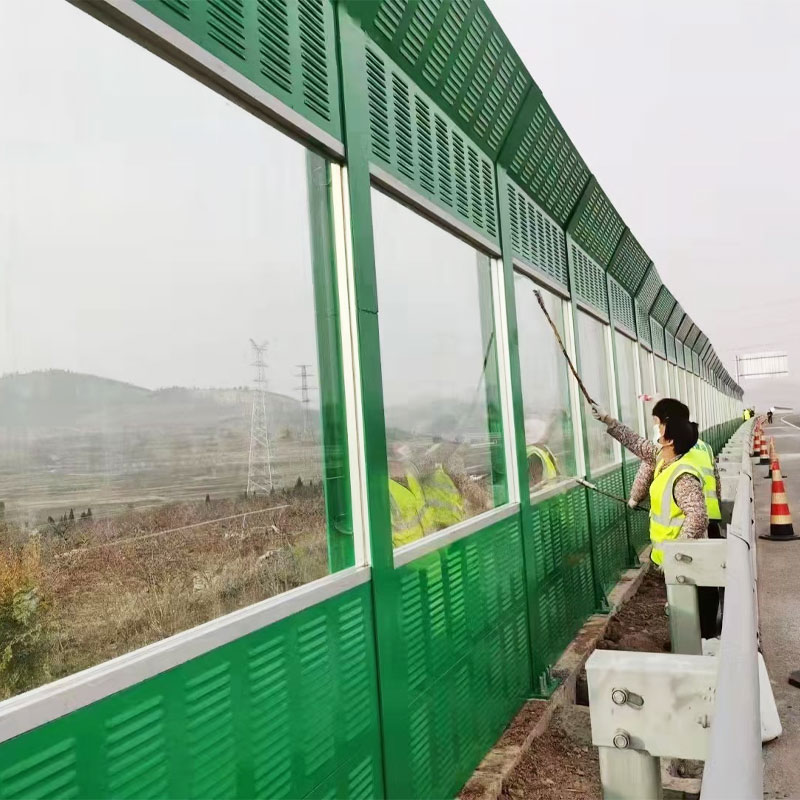
Acrylic highway sound barrier is a sound insulation barrier made of acrylic (che...
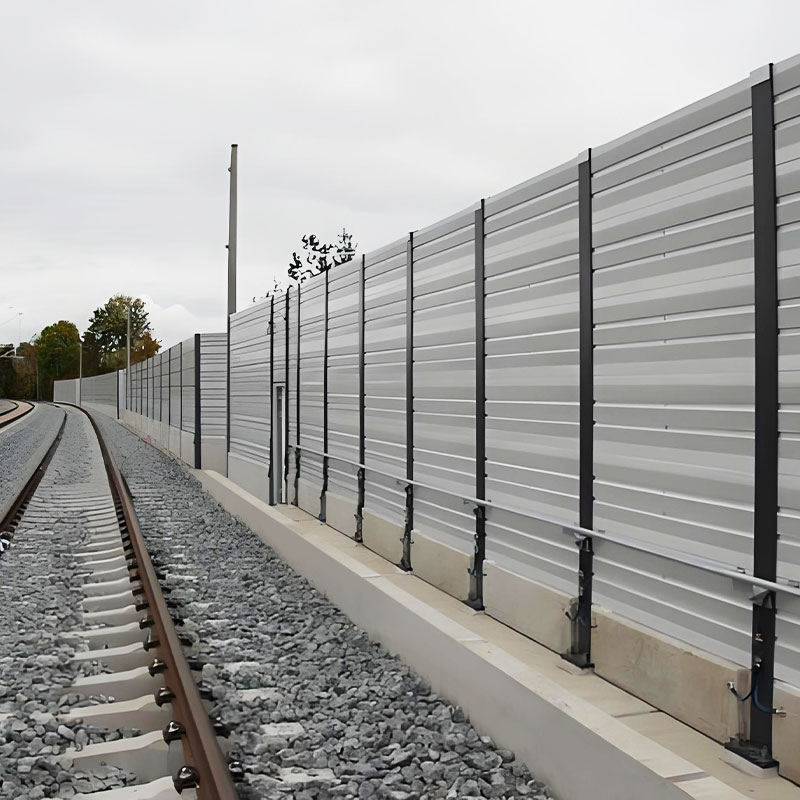
Railway sound barriers are facilities installed on both sides of railways or hig...
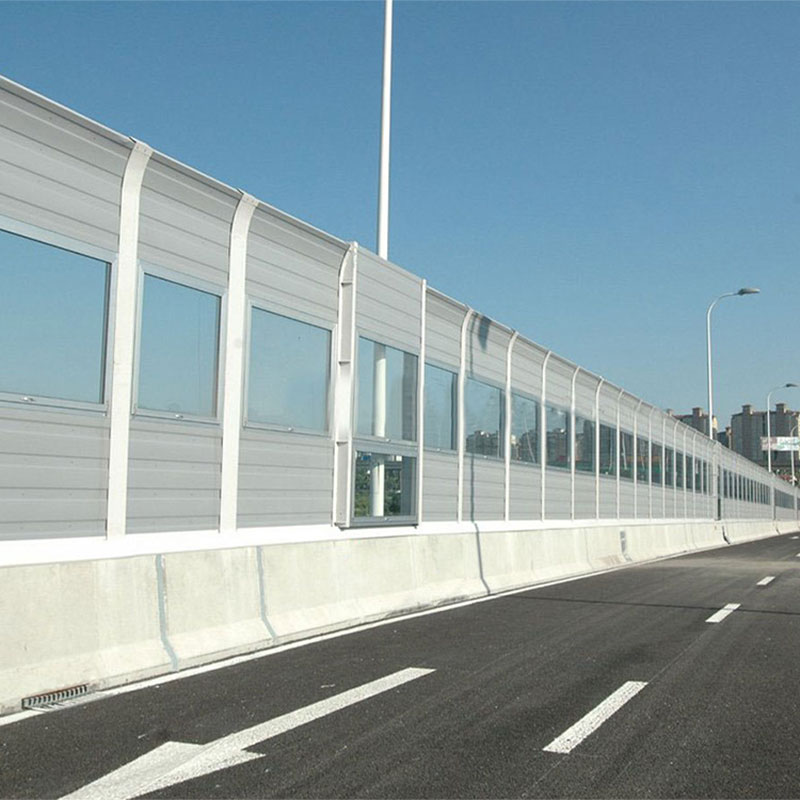
Bridge sound barriers refer to barriers that block noise when the noise source (...
Elevated Noise Barrier is a noise isolation system designed for elevated roads, railways, bridges and other transportation facilities. It can effectively reduce noise pollution generated by elevated roads, railways and other sources. By isolating the noise source from the surrounding area, the elevated noise barrier can significantly reduce the impact of noise on residents, commercial areas and other sensitive areas, providing a quieter and more comfortable living and working environment.
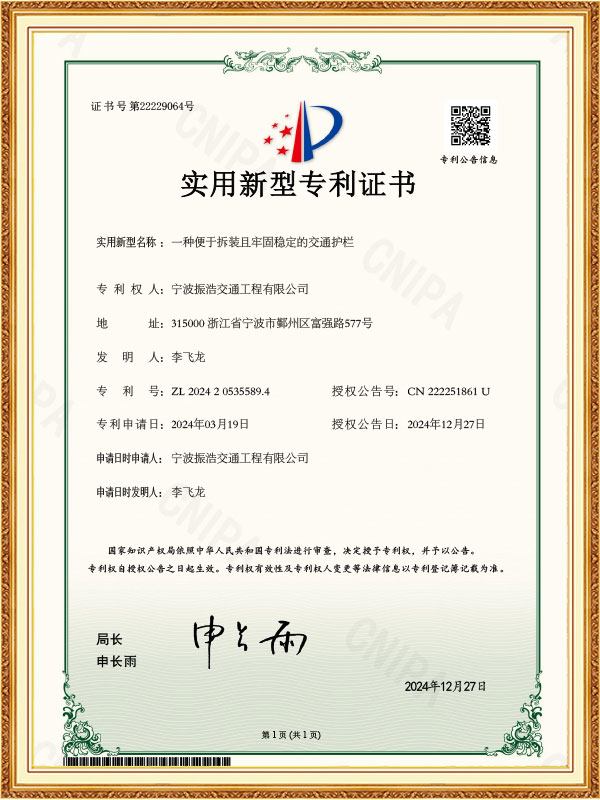
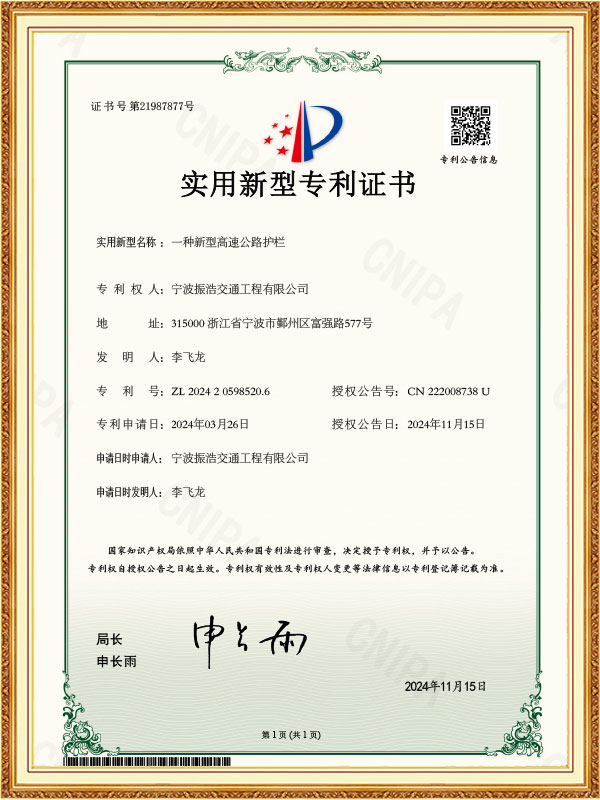
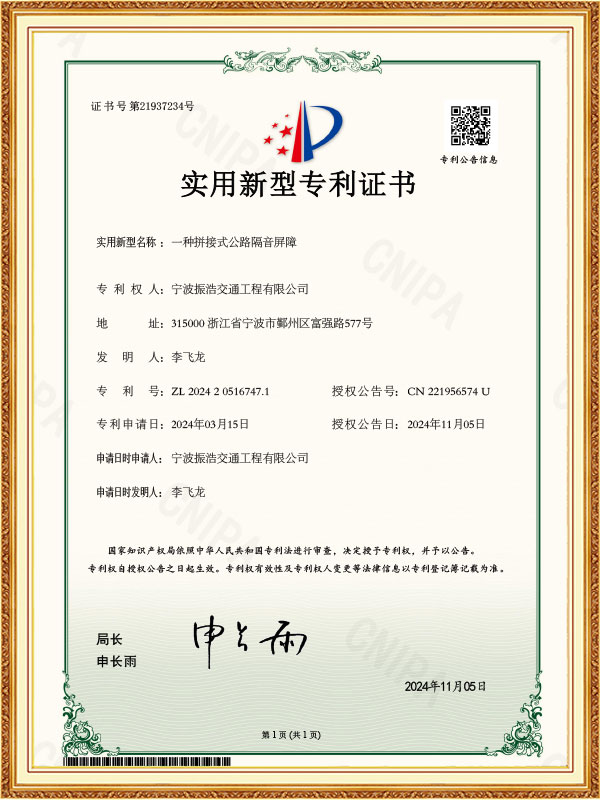
Zhenxuan Traffic Engineering Co., Ltd. is a large manufacturers of professional responsible for the design, production and sales of a series of guard rails, guard rails and high-speed soundproofing screens. As China Elevated noise barrier Manufacturers and Elevated noise barrier Suppliers, the company relies on high-speed guard board production equipment, the production quality meets national standards, and the product design is carried out using a computer...


A metal flood protection board is the most robust and reliable solution for preventing floodwater intrusion through doorways, entrances, and low-level openings. Unlike sandbags or plastic barriers, a properly engineered metal flood protection board system provides a demonstrable seal against water...
READ MORESpecifying a zinc steel fence guardrail provides municipal developers, industrial civil engineers, and premium estate managers with the ultimate equilibrium of structural yield strength, permanent electrochemical corrosion protection, and minimal long-term maintenance overhead. While alternative pe...
READ MORELearning how to build a wire mesh fence comes down to four fundamentals: set posts on a straight, correctly spaced line, unroll the mesh with steady tension, anchor it to every post without slack, and secure the ends with tension bars so the whole run stays tight for years instead of months. Mapp...
READ MORESelecting the right steel mesh fence manufacturer depends on balancing geometric rigidity against localized atmospheric corrosion. High-security infrastructure requires manufacturers utilizing heavy 4-gauge to 8-gauge wire with a minimum tensile strength of 500 MPa, combined with advanced Zinc-Alu...
READ MOREWhat is an Elevated Noise Barrier and How Does it Work?
In areas with significant noise pollution, such as highways, urban roads, or railways, elevated noise barriers have become an effective solution to reduce sound transmission and protect surrounding residents and the environment. Unlike traditional ground-mounted noise barriers, elevated noise barriers are typically installed above elevated bridges, roads, or other structures. By minimizing the noise generated by traffic, they help reduce the impact of noise pollution.
How Does an Elevated Noise Barrier Work?
The working principle of an elevated noise barrier is based on the nature of sound wave propagation. The noise generated by vehicles travels through the air in the form of sound waves. When these sound waves encounter an obstacle, some are reflected, while others are absorbed. Elevated noise barriers function by blocking or reflecting the sound waves' path, effectively reducing the intensity of the sound reaching areas behind the barrier.
When designing elevated noise barriers, several factors are taken into account:
Advantages of Elevated Noise Barriers
As one of the flagship products of Ningbo Zhenhao Traffic Engineering Co., Ltd., elevated noise barriers stand out in the market due to their exceptional performance. Our elevated noise barriers utilize advanced design principles and high-precision manufacturing equipment to provide effective noise control solutions.
Applications of Elevated Noise Barriers
Elevated noise barriers are widely used in the following scenarios:
What Are the Differences Between Elevated Noise Barriers and Traditional Ground Noise Barriers?
1. Differences in Design Principles
Traditional ground noise barriers are typically installed along the sides of roads or highways, directly in contact with the ground, blocking sound waves from spreading. On the other hand, elevated noise barriers are set up on overpasses, bridges, or elevated roadways, usually positioned at a height above the ground. This design allows elevated noise barriers to more effectively block noise from traffic, particularly for elevated roads or bridges, where the noise is deflected from a higher angle, resulting in more effective noise control.
At Ningbo Zhenhao Traffic Engineering Co., Ltd., we bring extensive experience in this field, allowing us to provide accurate and efficient noise barrier solutions for our customers. Using advanced CAD CATIA 2D/3D design systems, combined with high-precision production equipment, we ensure that every elevated noise barrier is designed and manufactured to achieve the best possible results.
2. Different Applications
Elevated Noise Barriers and traditional Ground Noise Barriers are suited to different traffic environments. Ground noise barriers are typically applied to highways, urban roads, and railways along the sides, where there is sufficient space for installation. These barriers primarily serve to stop noise from spreading along the ground, significantly mitigating noise in residential or commercial areas adjacent to these roads.
However, the advantage of elevated noise barriers is that they can be effectively used on elevated roads, bridges, tunnels, and other special transportation structures. In these cases, traditional ground barriers may be limited due to space and structural constraints. In contrast, elevated noise barriers can block sound from a higher perspective, ensuring that noise does not spread downwards to surrounding areas, especially in densely populated urban environments.
Ningbo Zhenhao Traffic Engineering Co., Ltd. offers customized solutions for elevated noise barriers. Our products are designed with precision and installed efficiently to meet the noise control needs of large transportation hubs, urban highways, and elevated bridges.
3. Differences in Noise Control Effectiveness
Elevated noise barriers typically offer better noise control compared to traditional ground barriers. This is because elevated noise barriers, positioned at a higher level, can reflect and absorb sound waves more effectively. In high-traffic areas, they not only reduce noise on the ground level but also block high-frequency traffic noise from spreading to surrounding areas.
In contrast, ground noise barriers, which are directly placed on the ground, have a more limited sound-blocking path. The effectiveness of these barriers is influenced by ground conditions, air flow, and other environmental factors. Especially in areas with heavy traffic, traditional ground noise barriers may not always provide the desired level of noise reduction.
At Ningbo Zhenhao Traffic Engineering Co., Ltd., we use advanced sound-absorbing materials and reflection technologies in our elevated noise barriers, ensuring they significantly reduce noise in surrounding environments. Our products have been tested to meet national and international noise control standards.
4. Differences in Construction and Maintenance
In terms of construction, traditional ground noise barriers are relatively easy to install. With conventional road infrastructure and installation locations, the construction cycle is shorter, and the costs are typically lower. On the other hand, installing elevated noise barriers is more complex, as it requires careful consideration of the special structure and safety requirements of elevated roads, bridges, or tunnels. As a result, installation is more technically challenging and takes longer.
However, despite the higher construction difficulty, elevated noise barriers generally incur lower maintenance costs over time compared to ground noise barriers. This is because elevated barriers are less affected by ground environmental factors such as soil, plant growth, or water accumulation, which can cause wear and tear on ground-level barriers.
Ningbo Zhenhao Traffic Engineering Co., Ltd. uses highly automated production equipment and rigorous quality control processes to ensure that every elevated noise barrier undergoes thorough testing before leaving the factory. This reduces the need for extensive maintenance and repairs, providing our clients with more reliable and cost-effective solutions.
5. Differences in Aesthetic Integration and Environmental Harmony
In addition to functionality, elevated noise barriers are often designed to blend seamlessly with the surrounding environment. Traditional ground noise barriers are often more utilitarian in appearance, which can sometimes appear out of place in certain environments. In contrast, elevated noise barriers, due to their higher installation location, require a more thoughtful design approach to ensure that they integrate well with the city's overall landscape.
Ningbo Zhenhao Traffic Engineering Co., Ltd.'s elevated noise barriers not only focus on noise control effectiveness but also on aesthetic appeal and environmental harmony. We offer a variety of materials and design options to ensure our products match the modern urban environment, traffic infrastructure, and natural surroundings, helping our clients maintain a visually pleasing and functional urban space.
How Can Elevated Noise Barriers Be Designed to Avoid Reflective Noise?
1. Design Principles: The Basic Approach to Avoiding Reflective Noise
The core task of an elevated noise barrier is to effectively block the transmission of traffic noise. However, if the design is not carefully considered, noise could reflect off the surface of the barrier, causing secondary noise pollution.
To avoid reflective noise, the design of elevated noise barriers should follow several key principles:
Ningbo Zhenhao Traffic Engineering Co., Ltd. applies advanced CAD CATIA 2D, 3D assisted design systems, incorporating modern acoustics principles, to ensure that every elevated noise barrier is optimized to absorb sound and minimize reflections.
2. Material Selection: Efficient Sound Absorption and Reflection Control
Choosing the right materials is key to designing an elevated noise barrier that avoids reflective noise. The properties of the materials used directly impact the noise isolation and absorption capabilities of the barrier.
Ningbo Zhenhao Traffic Engineering Co., Ltd. rigorously selects materials that meet both environmental and high-performance noise reduction standards, ensuring the barriers minimize sound reflection while maintaining long-term effectiveness.
3. Structural Optimization: Reducing the Impact of Reflective Noise
The structure of the elevated noise barrier is another crucial factor in avoiding reflective noise. By optimizing the shape and surface structure of the barrier, sound waves can be effectively guided and dispersed, reducing the impact of reflective noise.
Ningbo Zhenhao Traffic Engineering Co., Ltd. carefully considers sound wave propagation laws in the structural design of our elevated noise barriers, using sloped, curved, and segmented designs to minimize reflective noise while maximizing noise control.
4. Environmental Adaptability and Smart Management
The design of elevated noise barriers should also account for environmental factors such as climate, wind speed, and temperature, all of which can affect the sound absorption and reflection characteristics of the barrier. In addition to ensuring the barrier itself is functional, it's essential to integrate smart management systems that monitor both the barrier’s condition and environmental changes.
Ningbo Zhenhao Traffic Engineering Co., Ltd. incorporates intelligent monitoring systems into our elevated noise barriers, which collect real-time noise and environmental data. This technology not only enhances the efficiency of noise control but also enables the design to adjust based on environmental changes, ensuring minimal noise reflection at all times.
What Are the Differences in the Application of Elevated Noise Barriers in Urban and Highway Environments?
1. Environmental Differences Between Urban and Highway Settings
Urban environments are typically more complex due to factors such as dense buildings, high traffic volume, and varied road conditions. In urban areas, elevated roads often pass through commercial, residential, and industrial zones, which are densely populated. The traffic on urban roads tends to be slower, and vehicles generate a variety of noises, including engine noise, brake noise, and tire-road interaction noise. Due to the concentration of buildings, urban noise barriers need to be more adaptable to prevent sound from spreading to surrounding buildings.
In contrast, highways are typically located outside urban areas with fewer buildings, and the environment is relatively open. The traffic flow is usually much higher on highways, with vehicles traveling at greater speeds, generating more intense noise over longer distances. As a result, elevated noise barriers on highways must provide coverage over larger distances and ensure greater effectiveness in preventing sound transmission to surrounding areas.
2. Design Considerations: Elevated Noise Barriers in Urban Environments
When designing elevated noise barriers for urban areas, several key factors need to be considered:
Height and Structural Flexibility: Due to the density of buildings in urban settings, the height of the noise barrier should be carefully considered in relation to surrounding structures. The barrier should be tall enough to block noise but not so high as to negatively impact the cityscape. Additionally, the barrier needs to be adaptable to environmental factors like wind, humidity, and temperature to ensure long-term effectiveness.
Noise Absorption and Reflection Control: Urban environments have complex noise sources from various types of vehicles and surrounding buildings. Therefore, noise barriers in urban areas need to absorb sound effectively while minimizing reflection. Ningbo Zhenhao Traffic Engineering Co., Ltd. uses advanced materials and surface designs such as porous and textured surfaces that absorb noise and prevent its reflection to other areas.
Aesthetic and Environmental Integration: Urban areas often require that noise barriers blend into the surroundings. In addition to functionality, the design should consider the visual impact of the barrier, ensuring that it complements the city's architectural style. Ningbo Zhenhao Traffic Engineering Co., Ltd. offers customized designs for noise barriers to meet both aesthetic and functional needs.
3. Design Considerations: Elevated Noise Barriers in Highway Environments
Designing noise barriers for highways, on the other hand, has a different set of priorities:
Stronger Sound Insulation: On highways, vehicles travel at higher speeds, creating more intense low- and mid-frequency noise. The noise is more powerful and travels further, meaning that the noise barriers need to be more effective at blocking sound over a longer range. Ningbo Zhenhao Traffic Engineering Co., Ltd. uses high-density composite materials and specialized structures to enhance sound insulation, ensuring maximum noise reduction.
Wind Resistance and Durability: Highways are typically located in more open areas where wind speed is higher, and weather conditions can vary significantly. Therefore, noise barriers for highways need to be designed to withstand high winds and other environmental factors. The materials and structure of the noise barriers must be durable and stable over time.
Long-Distance Noise Control: Since highways typically have a larger area of influence, the noise barriers need to cover a greater distance to be effective. Ningbo Zhenhao Traffic Engineering Co., Ltd. designs elevated noise barriers with optimized height and spacing to ensure that they effectively block noise over long distances and prevent noise from escaping.
4. Construction and Maintenance Differences
Urban Environment Construction and Maintenance: In urban areas, the complexity of the environment requires careful planning for construction and maintenance. Urban areas have limited space, and noise barriers need to be constructed with minimal disruption to local traffic and infrastructure. Ningbo Zhenhao Traffic Engineering Co., Ltd. provides solutions that reduce construction complexity, making the installation process more efficient. Our barriers are also designed to be easy to maintain, ensuring long-term performance with minimal upkeep.
Highway Environment Construction and Maintenance: Highway environments typically offer more space for construction, and the process is less constrained by surrounding buildings. However, the durability and long-term performance of the noise barriers are still critical, especially due to the high traffic speeds and environmental exposure. Ningbo Zhenhao Traffic Engineering Co., Ltd. utilizes fully automated production processes and high-precision quality control to ensure the barriers are durable and require less maintenance.
Contact Us
Add:No. 577 Fuqiang Road, Panhuo Street, Yinzhou District, Ningbo City, Zhejiang Province
Email: [email protected]
Telephone: +86-18058271903
Phone: +86 0571-28284189

Zhenxuan Traffic Engineering Co., Ltd. is a large manufacturers of professional responsible for the design, production and sales of a series of guard rails, guard rails and high-speed soundproofing screens.
PRODUCT
case
 OEM/ODM Elevated noise barrier Suppliers
+86-18058271903