
 English
 Español
Plastic wood pergola
The main material is plastic-wood composite material, which looks like wood, but...
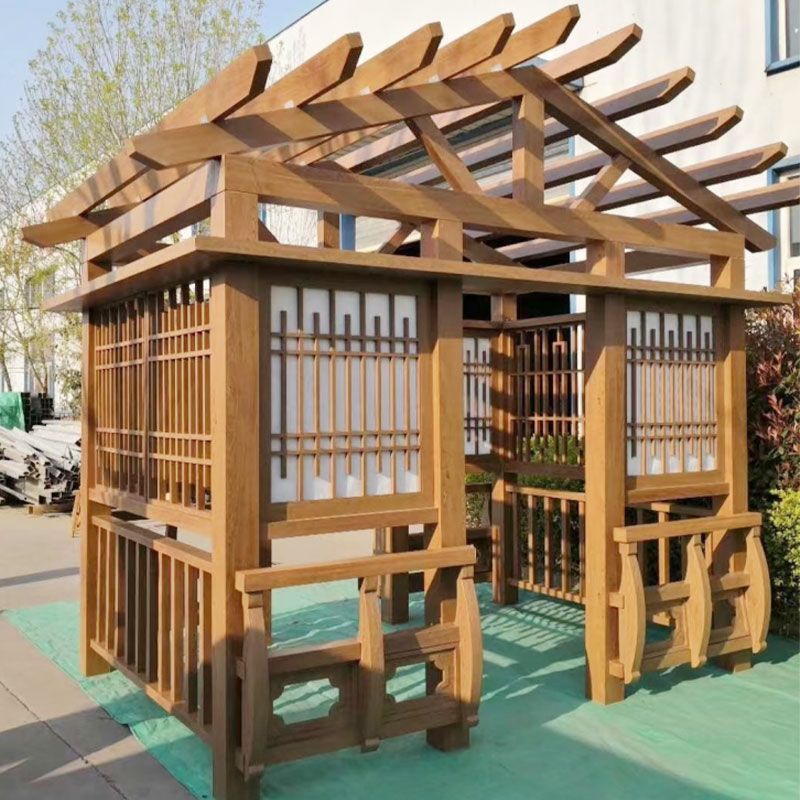
The main material is plastic-wood composite material, which looks like wood, but...
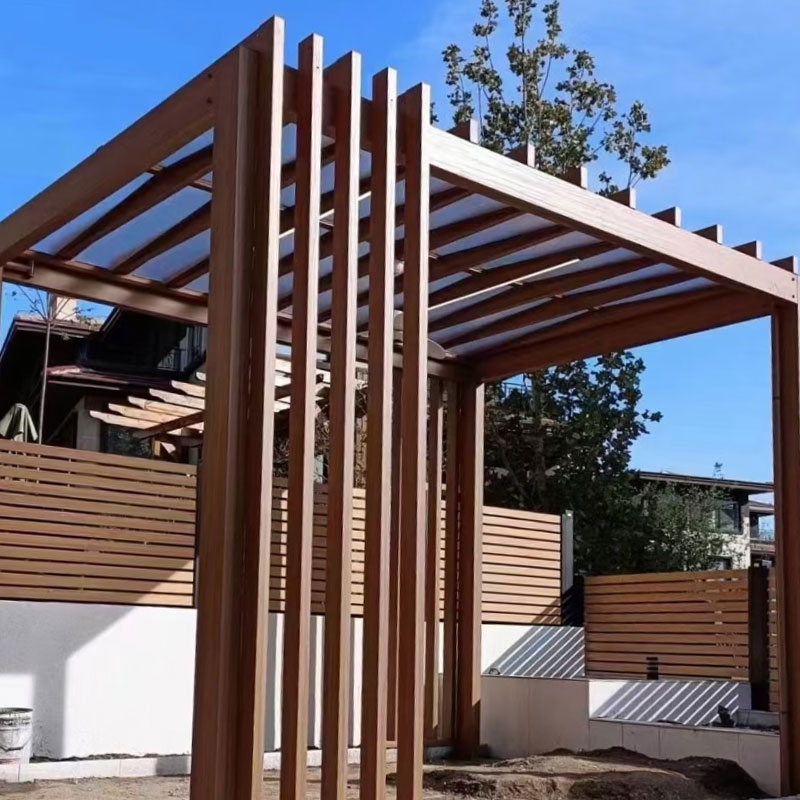
Metal imitation wood pergolas are made of metal (such as aluminum alloy, steel, ...
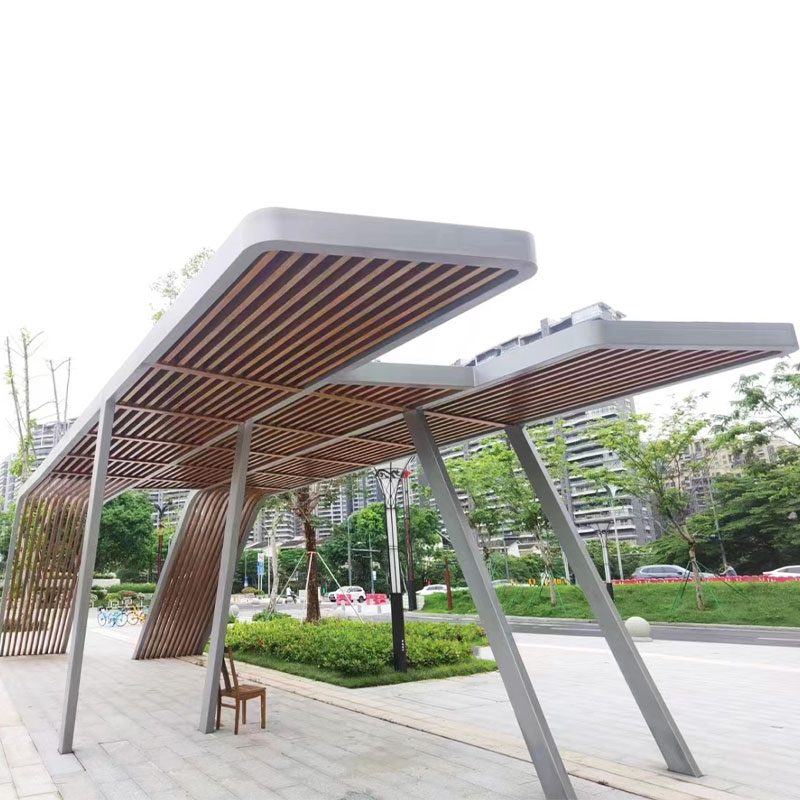
Composite wood-like pergolas are made of metal and plastic wood as the main raw ...
The Imitation Wood Pergola combines the beauty of natural wood with the advantages of modern durable materials and low maintenance, making it an ideal outdoor structure. It uses high-quality imitation wood materials to imitate the texture and color of wood on the outside, adding a natural beauty to outdoor spaces. Imitation wood pergolas not only have the visual effects of wood, but also have stronger corrosion resistance, weather resistance and low maintenance requirements.
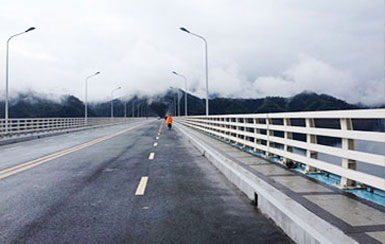
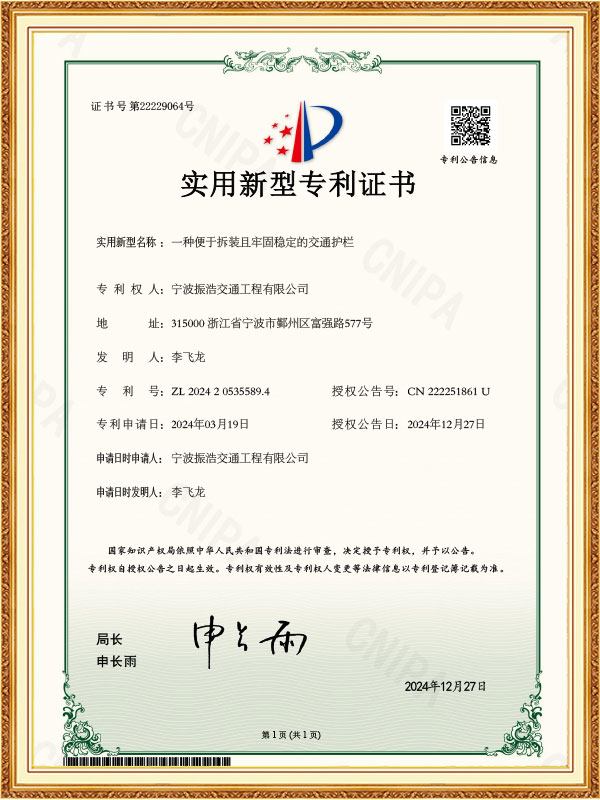
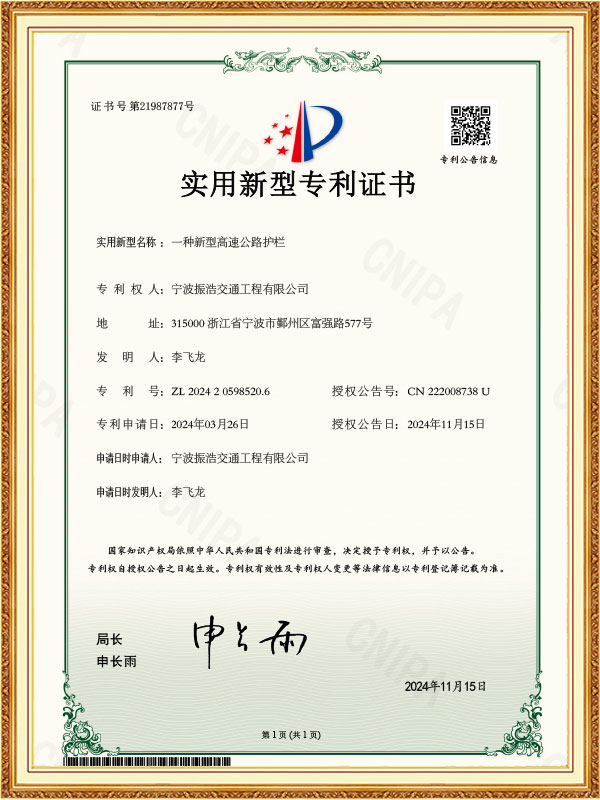
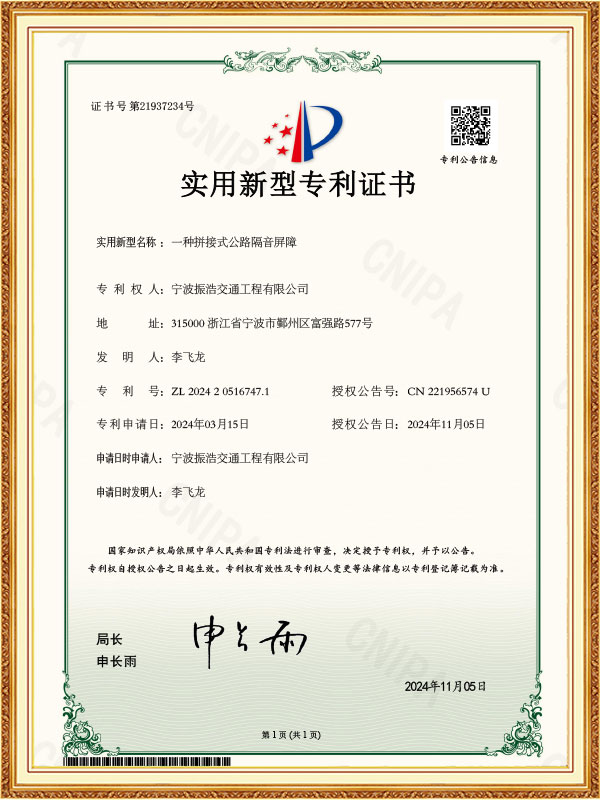
Zhenxuan Traffic Engineering Co., Ltd. is a large manufacturers of professional responsible for the design, production and sales of a series of guard rails, guard rails and high-speed soundproofing screens. As China Imitation wood pergola Manufacturers and Imitation wood pergola Suppliers, the company relies on high-speed guard board production equipment, the production quality meets national standards, and the product design is carried out using a computer...


A metal flood protection board is the most robust and reliable solution for preventing floodwater intrusion through doorways, entrances, and low-level openings. Unlike sandbags or plastic barriers, a properly engineered metal flood protection board system provides a demonstrable seal against water...
READ MORESpecifying a zinc steel fence guardrail provides municipal developers, industrial civil engineers, and premium estate managers with the ultimate equilibrium of structural yield strength, permanent electrochemical corrosion protection, and minimal long-term maintenance overhead. While alternative pe...
READ MORELearning how to build a wire mesh fence comes down to four fundamentals: set posts on a straight, correctly spaced line, unroll the mesh with steady tension, anchor it to every post without slack, and secure the ends with tension bars so the whole run stays tight for years instead of months. Mapp...
READ MORESelecting the right steel mesh fence manufacturer depends on balancing geometric rigidity against localized atmospheric corrosion. High-security infrastructure requires manufacturers utilizing heavy 4-gauge to 8-gauge wire with a minimum tensile strength of 500 MPa, combined with advanced Zinc-Alu...
READ MOREMaterials Used in Imitation Wood Pergolas
Imitation wood pergolas are constructed using advanced synthetic materials that closely mimic the look and texture of natural wood. The primary materials commonly used include high-density polyethylene (HDPE), polypropylene (PP), wood-plastic composite (WPC), and various specialty resin-based compounds. These materials are carefully processed to maintain the aesthetic qualities of wood while offering superior durability, environmental resistance, and minimal maintenance.
Wood-Plastic Composite (WPC)
Wood-plastic composite is one of the most popular materials for imitation wood pergolas. Made by combining wood fibers and plastics, WPC offers both the appearance of natural wood and the advantageous properties of plastic. The key benefits include:
High-Density Polyethylene (HDPE)
High-density polyethylene is a strong, durable plastic material with excellent abrasion resistance, making it suitable for pergola structures that require additional strength. Its advantages include:
Polypropylene (PP)
Polypropylene is another commonly used material for imitation wood pergolas, particularly for areas with high temperatures or humidity. Its benefits include:
Advantages of Imitation Wood Pergolas Over Traditional Wood
When compared to traditional wooden pergolas, imitation wood pergolas have several notable advantages, especially in terms of durability, maintenance, and adaptability to different environments.
Superior Durability
Traditional wood is susceptible to moisture, mold, insects, and physical degradation over time. In contrast, imitation wood pergolas made from materials like WPC and HDPE are highly resistant to these issues. These materials can endure in wet, humid, or pest-prone environments without suffering from rot or structural weakening, making them a more durable option for long-term use.
Lower Maintenance Costs
Traditional wooden pergolas require regular maintenance, including painting, sealing, and replacing damaged sections. Over time, this can add up to significant maintenance costs. Imitation wood pergolas, on the other hand, require minimal care. With no need for re-coating or anti-corrosion treatments, they save property owners both time and money in upkeep.
UV and High-Temperature Resistance
Natural wood can fade and degrade under prolonged exposure to the sun’s UV rays. In contrast, materials like WPC, HDPE, and PP are engineered to resist UV rays and heat, ensuring that the pergola maintains its color and structural integrity even under intense sunlight. This resistance makes imitation wood pergolas particularly suitable for areas with strong sunlight or extreme weather conditions.
Environmental Friendliness
At Ningbo Zhenhao Traffic Engineering Co., Ltd., we prioritize sustainability. The materials used in imitation wood pergolas are often recyclable and do not contribute to deforestation. By using wood-plastic composite and other eco-friendly materials, imitation wood pergolas help reduce the strain on natural wood resources, making them a more environmentally responsible choice.
Design Flexibility and Aesthetic Appeal
Imitation wood pergolas offer greater flexibility in terms of design and customization. The materials can be shaped and colored to suit a wide range of architectural styles and landscape designs, offering more choices than traditional wood. In comparison, natural wood is more limited in terms of color, shape, and finish options.
Structural Stability
The materials used in imitation wood pergolas, especially WPC, provide better structural stability than traditional wood. These materials can withstand heavy loads and high winds, making them suitable for large-scale installations or exposed locations. Natural wood, especially in areas with fluctuating humidity, may warp or crack over time, compromising its structural integrity.
What Are the Daily Maintenance and Care Methods for Imitation Wood Pergolas?
1. Cleaning and Maintenance
Cleaning is the most basic and crucial aspect of daily maintenance for imitation wood pergolas. Due to the excellent stain resistance of the materials used, cleaning is relatively simple. The following methods can be used for regular cleaning:
- Regular Cleaning: Clean the pergola surface every month using a soft brush or a high-pressure water gun to remove dust, debris, and pollutants. For stubborn stains, a mild cleaner (avoid strong acids or alkalis) can be used, and the surface can be wiped with a soft cloth.
- Avoid Using Hard Cleaning Tools: Avoid using hard brushes, metal cleaners, or any sharp objects that might scratch the surface. These could damage the surface coating and compromise the appearance.
- Clean Gaps and Corners: The gaps and corners of the pergola often accumulate dust and water stains. Regularly use a small brush to clean these hard-to-reach places, ensuring no debris builds up.
At Ningbo Zhenhao Traffic Engineering Co., Ltd., we use wood-plastic composite materials with excellent stain and corrosion resistance, making cleaning simple and ensuring the materials won't easily degrade or fade.
2. Avoiding Strong Impacts and Scratches
While imitation wood pergolas are made of strong and durable materials, it is still important to avoid strong impacts or scratches during everyday use. The supporting columns and beams are especially vulnerable to damage from collisions or friction. Thus, it is essential to avoid direct contact with hard objects. When moving or cleaning around the pergola, care should be taken not to impact the structure severely.
3. Regularly Check Structural Stability
The structural stability of an imitation wood pergola is vital to its long-term use. Although the materials have good load-bearing and wind resistance, prolonged use and environmental forces can impact stability. We recommend conducting a comprehensive inspection of the pergola's structure once a year, especially for the following areas:
- Connection Components: Check all connection points to ensure they are secure, with no looseness, deformation, or damage. If any screws or connectors are found to be loose, tighten them or replace them as needed.
- Supporting Columns: Examine the supporting columns for cracks, corrosion, or tilting. If any issues are found, repairs or replacements should be made immediately.
- Beams and Panels: Regularly inspect the beams and panels to ensure there is no loosening, cracking, or other structural issues.
With Ningbo Zhenhao Traffic Engineering Co., Ltd.'s advanced manufacturing processes and quality control systems, every imitation wood pergola is built to high standards, ensuring long-term structural integrity for our customers.
4. Avoid Prolonged Sun Exposure
While imitation wood pergola materials are treated with UV-resistant coatings and have excellent aging resistance, prolonged exposure to strong sunlight can accelerate the aging of the surface coating and impact the pergola’s appearance and lifespan. Therefore, it is advisable to avoid using the pergola during extreme weather conditions, particularly in areas with intense sunlight.
If possible, additional shading devices, such as sunshades or awnings, can be installed to reduce UV exposure and protect the pergola's surface.
5. Waterproof and Moisture Resistance
One of the key advantages of imitation wood pergolas is their excellent water and moisture resistance. However, if the pergola is continuously exposed to moisture, water accumulation and mold growth may occur. To keep the pergola dry and clean, it's essential to regularly check the drainage system to ensure rainwater can flow away properly and avoid water accumulation.
- Drainage System: Ensure that the drainage holes on the top of the pergola are clear and free from blockages. Regularly inspect the drainage pipes and openings to remove any debris that might cause clogging.
- Promptly Clear Water: If any water accumulates, it should be cleared promptly to prevent damage to the materials and structure.
6. Periodic Coating Maintenance
Although the surface of imitation wood pergolas is typically treated with UV protection, which significantly reduces fading, the surface may still experience minor wear and tear due to wind, sun exposure, and other environmental factors. To preserve its appearance, it is recommended to apply a protective coating periodically.
- Apply Protective Coating: Use special coatings for wood or imitation wood materials to coat the pergola's surface. This will help extend the life of the surface and protect it from UV damage, while also improving stain resistance.
7. Timely Repairs for Minor Damage
If minor scratches or damages appear on the surface of the pergola during use, they should not be overlooked. Timely repairs can prevent these issues from escalating, preserving the overall aesthetic of the pergola.
At Ningbo Zhenhao Traffic Engineering Co., Ltd., our imitation wood pergolas are made using advanced precision manufacturing processes and standardized materials. They are designed to be highly resistant to damage, ensuring their longevity even under harsh weather conditions.
What Climate Conditions are Imitation Wood Pergolas Suitable For?
1. Warm and Humid Climates
Warm and humid climates often come with high air humidity and frequent rainfall, which can be a significant challenge for traditional wood pergolas. Traditional wood tends to absorb moisture, leading to mold, rot, and a reduced lifespan. On the other hand, imitation wood pergolas made from wood-plastic composite materials or other synthetic materials have excellent moisture resistance and can withstand damp conditions without degrading.
In warm and humid climates, imitation wood pergolas perform exceptionally well. Particularly in tropical and subtropical regions, the materials are highly resistant to prolonged high humidity, preventing mold and corrosion, and ensuring structural stability. At Ningbo Zhenhao Traffic Engineering Co., Ltd., our imitation wood pergolas are designed with high-quality wood-plastic composites, ensuring long-term durability in these regions.
2. Hot and Dry Climates
Hot and dry climates pose a significant challenge due to intense sunlight and high temperatures, which can cause materials to fade, crack, or warp. Traditional wood pergolas often suffer from sun exposure, while imitation wood pergolas are made from UV-resistant materials, which protect against sun damage, maintaining color and structure without cracking.
In hot and dry climates, the imitation wood pergola's heat resistance and UV protection make it an ideal choice. Whether in desert or arid regions, these pergolas can withstand intense sun without deteriorating. At Ningbo Zhenhao Traffic Engineering Co., Ltd., we use high-performance wood-plastic composite materials that endure temperature fluctuations, preventing the performance degradation typically seen in traditional wood structures.
3. Cold Climates
Cold climates, with their freezing temperatures, snow, and ice, can have a severe impact on many building materials. Traditional wood can crack and deform due to frost. However, imitation wood pergolas made from wood-plastic composite or high-density polyethylene (HDPE) materials retain their weather resistance even in sub-zero temperatures, preventing shrinkage, cracking, or warping.
The freeze-resistant properties of imitation wood make it particularly suitable for cold regions. In northern climates with harsh winters, these pergolas are unaffected by snow and ice, maintaining both appearance and functionality. Ningbo Zhenhao Traffic Engineering Co., Ltd. designs its imitation wood pergolas to withstand freezing conditions, ensuring long-lasting performance even in extreme cold.
4. Rainy Climates
In areas with heavy rainfall, especially regions with high precipitation, water resistance and anti-corrosion properties are crucial for maintaining the durability of pergolas. Traditional wood is prone to rot and swelling after prolonged exposure to rain, whereas imitation wood pergolas, made from wood-plastic composite materials, are water-resistant and impervious to moisture, ensuring long-term structural integrity.
In rainy climates, imitation wood pergolas are an excellent choice. With their water-resistant properties and ability to prevent mildew and rot, these pergolas are ideal for areas with frequent rainfall. Ningbo Zhenhao Traffic Engineering Co., Ltd.'s imitation wood pergolas are designed with water-resistant features that make them perfect for use in wet conditions, ensuring long-lasting performance.
5. Windy Areas
Windy areas, especially coastal or mountainous regions, experience strong winds that can stress building materials. While imitation wood pergolas are more robust than traditional wood structures, they must still be designed to withstand high winds.
Ningbo Zhenhao Traffic Engineering Co., Ltd. uses enhanced wood-plastic composite materials in its pergolas, ensuring that each structure is optimized for wind resistance. Whether in coastal regions with strong sea winds or mountainous areas with high gusts, our pergolas maintain their stability, ensuring both safety and durability in harsh wind conditions.
6. Versatility Across Extreme Climates
Imitation wood pergolas are designed to perform well in a variety of extreme climates, from high heat and humidity to cold and snow. Whether in tropical, cold, or temperate climates, the pergola’s weather-resistant properties make it an ideal choice for a wide range of environments.
Ningbo Zhenhao Traffic Engineering Co., Ltd. understands the varying demands of different climates and provides pergola solutions that deliver exceptional durability across all weather conditions. Whether you're in a hot, dry desert or a cold, snowy region, our imitation wood pergolas are built to stand up to the elements while maintaining their aesthetic appeal and functionality.
What Safety Issues Should Be Considered in the Structural Design of Imitation Wood Pergolas?
1. Material Safety
The choice of materials for an imitation wood pergola directly affects its structural stability and lifespan. Compared to traditional wood, imitation wood pergolas are typically made from wood-plastic composite or other high-strength synthetic materials, which have superior corrosion resistance, UV protection, and aging resistance. However, it’s crucial to ensure that these materials are strong enough to bear the required loads and stresses.
The main load-bearing components of the pergola, such as beams and columns, should be made from materials that meet strength and safety standards. Additionally, the wind resistance, seismic performance, and other characteristics of the materials should be carefully considered, especially in areas with harsh environmental conditions.
Ningbo Zhenhao Traffic Engineering Co., Ltd. ensures that every batch of materials used in the production of imitation wood pergolas is rigorously tested and meets national safety standards, ensuring long-lasting safety and durability in various climates.
2. Structural Stability and Load-Bearing Design
Structural stability is the key to ensuring the safety of imitation wood pergolas. The design must accurately calculate the load-bearing capacity of the main structural components to ensure they can withstand external forces such as wind, snow, and everyday use without compromising stability. Particular attention should be given to the joints between beams and columns, as these are the primary points of stress.
During the design process, a well-balanced distribution of loads and appropriate connection methods (e.g., bolt connections, welding) should be used to ensure the pergola’s structural strength. These connections must be carefully designed to avoid failures under load.
Ningbo Zhenhao Traffic Engineering Co., Ltd. uses advanced CAD and CATIA design systems to conduct comprehensive structural analyses, ensuring that the imitation wood pergola design meets safety and stability requirements in a variety of environmental conditions.
3. Wind Resistance Design
Wind resistance is a critical aspect of the structural design, especially in regions prone to strong winds. The columns and supporting structure of the pergola must be designed to withstand the impact of high winds. Factors such as the diameter of the columns, material thickness, foundation depth, and overall height of the pergola need to be adjusted according to local wind conditions.
Wind can affect imitation wood pergolas in multiple ways, and if the design is inadequate, the pergola could tilt or collapse under strong winds. It is therefore essential to consider the maximum wind speed in the region and reinforce the structure to improve wind resistance.
Ningbo Zhenhao Traffic Engineering Co., Ltd. conducts precise wind resistance tests on their imitation wood pergolas to ensure stability and durability even under harsh wind conditions.
4. Seismic Design
Seismic resistance is another critical consideration in the structural design of imitation wood pergolas, especially in earthquake-prone areas. Pergolas in these regions must be designed to handle seismic forces and minimize damage during an earthquake. The foundation of the pergola should be adequately reinforced, and the flexibility and strength of the structure should be balanced to absorb seismic shocks.
The base design must be carefully calculated to ensure that the columns and foundation can withstand the impact of an earthquake. Moreover, the material's ductility and elongation are important to reduce the risk of structural failure during seismic events.
Ningbo Zhenhao Traffic Engineering Co., Ltd. employs professional seismic design methods to ensure that its imitation wood pergolas are equipped with excellent seismic resistance, guaranteeing safety and structural integrity during an earthquake.
5. Drainage System Design
The drainage system is an important part of ensuring the safety of the pergola. In regions with heavy rainfall or high humidity, improper drainage design can lead to water accumulation, increasing the load on the structure and potentially causing corrosion, deformation, or other safety issues. The top surface of the pergola should be designed with a slope to allow rainwater to flow away easily, preventing water from pooling.
Additionally, the design of drainage holes and pipes should be appropriately planned to prevent blockages, ensuring smooth water flow. The surrounding ground drainage should also be designed to ensure rainwater does not negatively affect the pergola's structure.
Ningbo Zhenhao Traffic Engineering Co., Ltd.'s imitation wood pergolas are designed with efficient drainage systems to ensure that the pergola remains safe and functional even in rainy or humid environments.
6. Regular Inspections and Maintenance
The safety of imitation wood pergolas depends not only on their design and manufacturing but also on regular inspections and maintenance. Periodic checks should be conducted to ensure there are no loose parts, deformation, or damage to the structure. Early identification and repair of issues can prevent small problems from turning into larger safety risks. Special attention should be paid to the columns, joints, and foundation.
Ningbo Zhenhao Traffic Engineering Co., Ltd. offers comprehensive after-sales service, including regular safety inspections and maintenance of imitation wood pergolas, ensuring that each pergola remains in excellent condition and continues to provide a safe environment for its users.
Contact Us
Add:No. 577 Fuqiang Road, Panhuo Street, Yinzhou District, Ningbo City, Zhejiang Province
Email: [email protected]
Telephone: +86-18058271903
Phone: +86 0571-28284189

Zhenxuan Traffic Engineering Co., Ltd. is a large manufacturers of professional responsible for the design, production and sales of a series of guard rails, guard rails and high-speed soundproofing screens.
PRODUCT
case
 OEM/ODM Imitation wood pergola Suppliers
+86-18058271903