
 English
 Español
Galvanized corrugated guardrail
Galvanized corrugated guardrails are usually made of corrugated steel plates. Af...
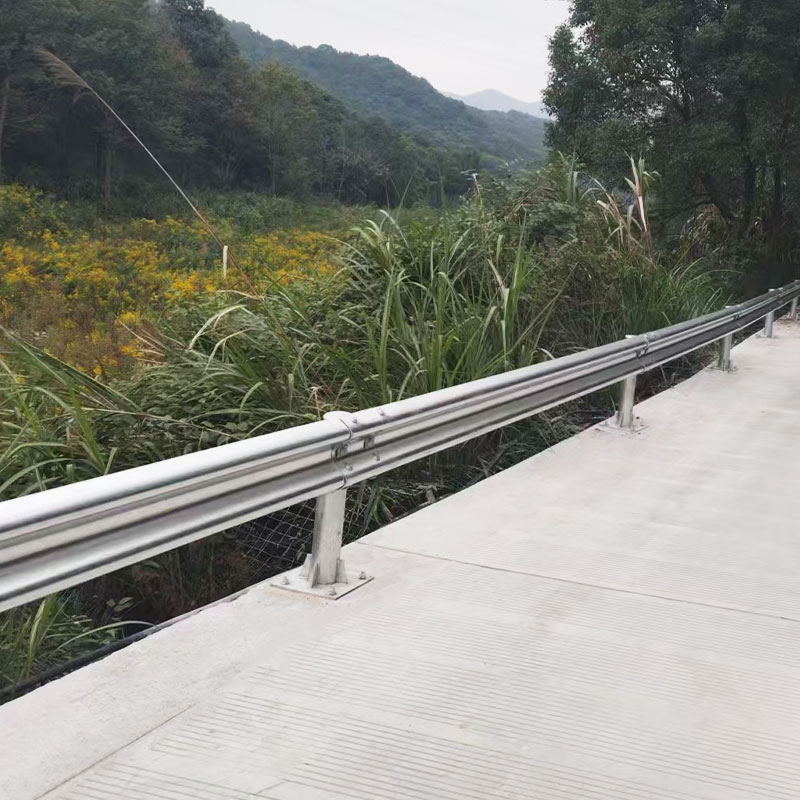
Galvanized corrugated guardrails are usually made of corrugated steel plates. Af...
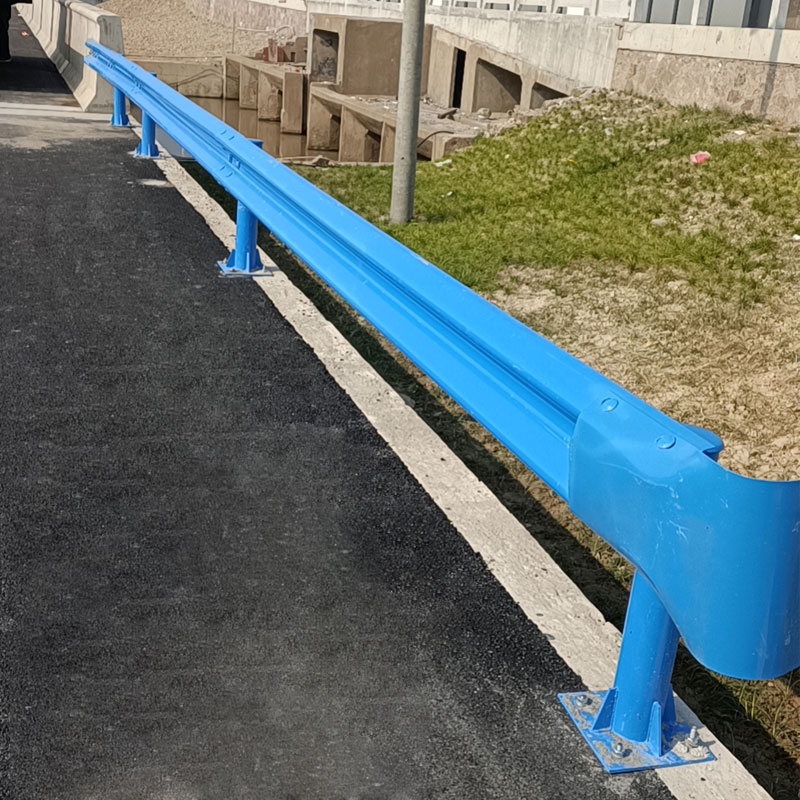
The spray-coated corrugated guardrail is an upgraded product based on the tradit...
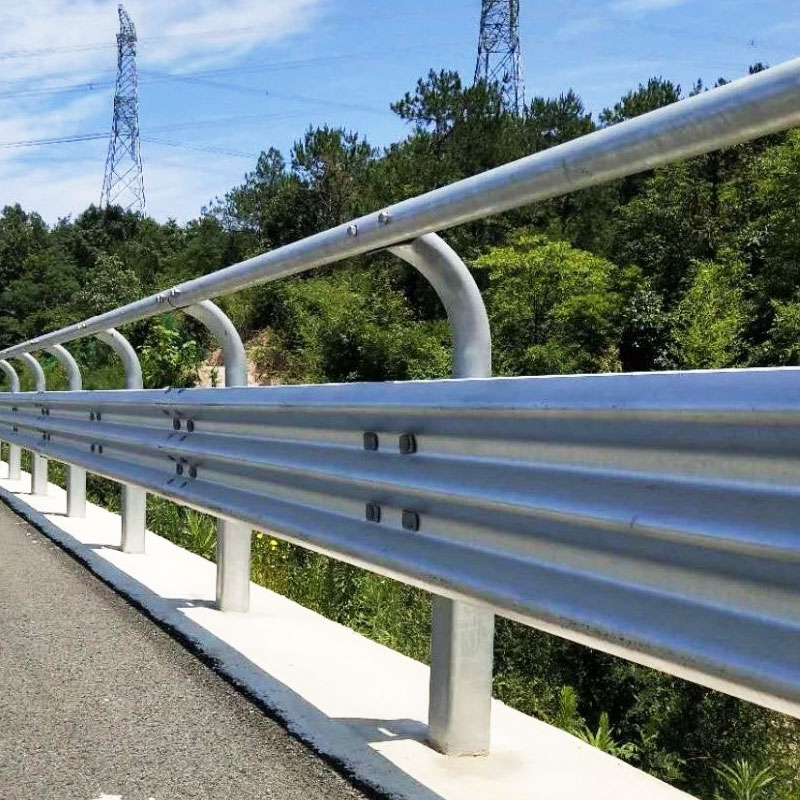
The bull-horn corrugated guardrail is a special end design in the corrugated gua...
Corrugated Guardrail is an efficient, safe and economical traffic safety facility widely used in highways, urban roads, bridges, tunnels and other types of traffic roads. Its design can not only enhance the strength of the guardrail through the corrugated structure, but also effectively absorb and disperse the energy of vehicle impact, thereby reducing the damage to the occupants of the vehicle caused by the collision. The corrugated guardrail has become an indispensable part of road safety due to its structural efficiency and durability.
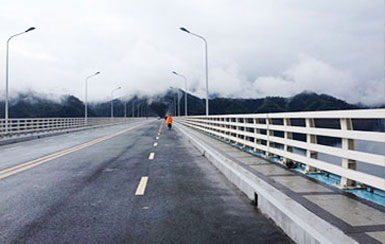
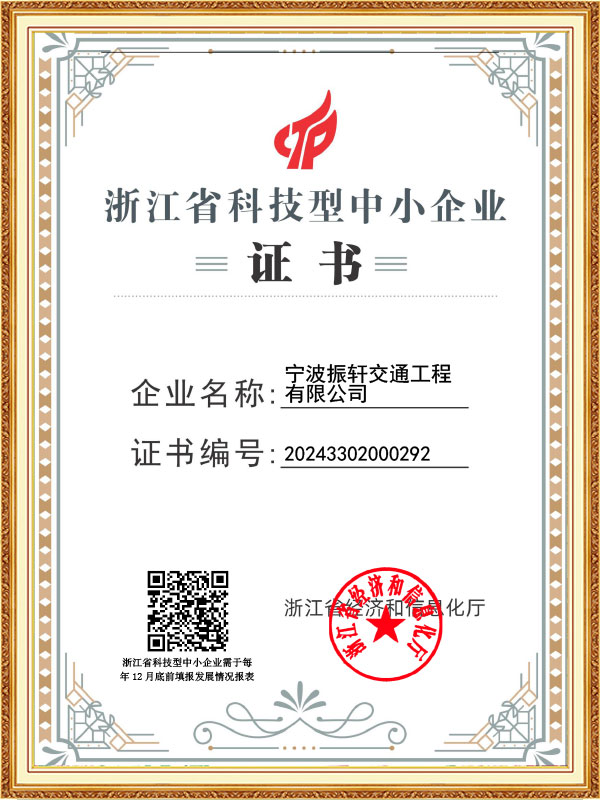
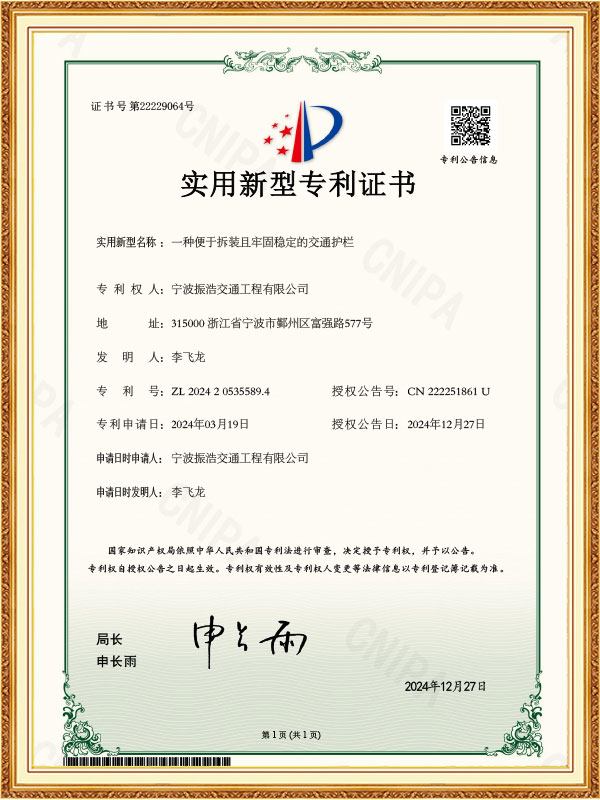
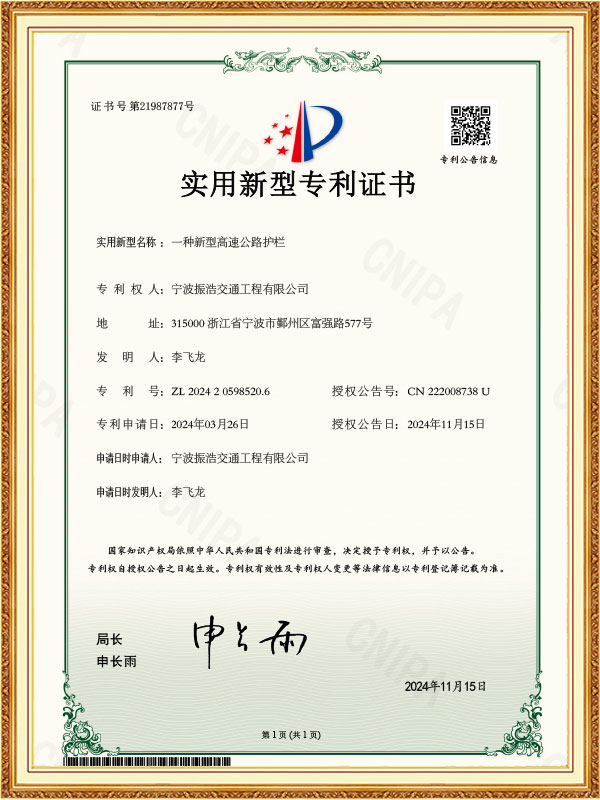
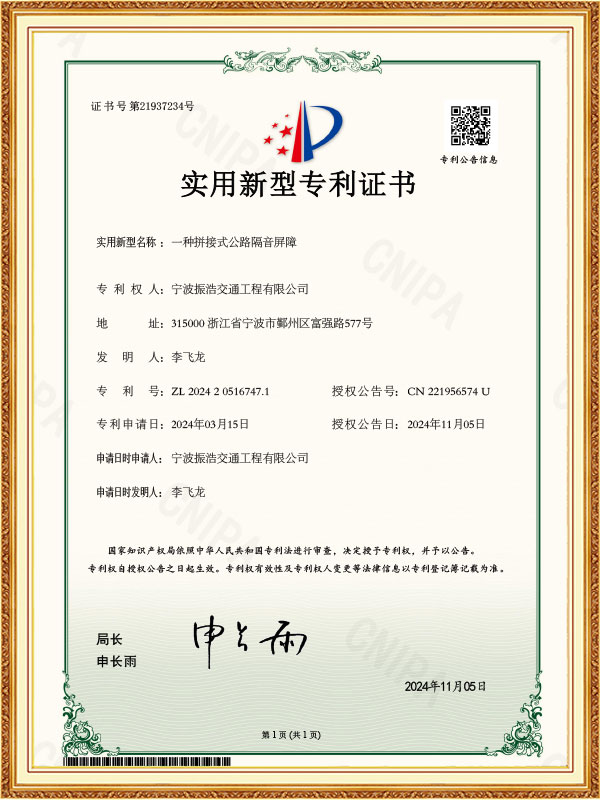
Zhenxuan Traffic Engineering Co., Ltd. is a large manufacturers of professional responsible for the design, production and sales of a series of guard rails, guard rails and high-speed soundproofing screens. As China Corrugated guardrail Manufacturers and Corrugated guardrail Suppliers, the company relies on high-speed guard board production equipment, the production quality meets national standards, and the product design is carried out using a computer...

A metal flood protection board is the most robust and reliable solution for preventing floodwater intrusion through doorways, entrances, and low-level openings. Unlike sandbags or plastic barriers, a properly engineered metal flood protection board system provides a demonstrable seal against water...
READ MORESpecifying a zinc steel fence guardrail provides municipal developers, industrial civil engineers, and premium estate managers with the ultimate equilibrium of structural yield strength, permanent electrochemical corrosion protection, and minimal long-term maintenance overhead. While alternative pe...
READ MORELearning how to build a wire mesh fence comes down to four fundamentals: set posts on a straight, correctly spaced line, unroll the mesh with steady tension, anchor it to every post without slack, and secure the ends with tension bars so the whole run stays tight for years instead of months. Mapp...
READ MORESelecting the right steel mesh fence manufacturer depends on balancing geometric rigidity against localized atmospheric corrosion. High-security infrastructure requires manufacturers utilizing heavy 4-gauge to 8-gauge wire with a minimum tensile strength of 500 MPa, combined with advanced Zinc-Alu...
READ MOREHow Does the Unique Corrugated Structure of Guardrails Maximize Strength and Ensure Efficient Energy Absorption During Vehicle Impact?
The Corrugated Guardrail stands as a universally recognized pillar of traffic safety facility design, distinguished primarily by its unique geometric cross section. Far more than a simple linear barrier, this design represents a sophisticated engineering solution to a complex physical problem: how to safely contain and redirect a vehicle traveling at high speed, thereby reducing the damage to the occupants of the vehicle and preserving the integrity of the roadway. The fundamental success of the Corrugated Guardrail lies in the synergistic interplay between its inherent structural efficiency and durability, making it a truly efficient, safe and economical choice for modern transportation infrastructure.
The Geometry of Strength and Flexibility
The key to the performance of the Corrugated Guardrail is the undulating wave pattern, typically forming a "W" shape (W-beam) or a "three-wave" shape (Thrie-beam). This corrugated design achieves two crucial mechanical benefits simultaneously, which are absent in flat panel barriers.
First, it significantly increases the strength of the steel beam. By folding the material, engineers create stiffening ribs that resist bending and local buckling. This rigidity allows the beam to span longer distances between support posts without excessive sag or deflection under its own weight, simplifying installation and maintenance. When subjected to a frontal or glancing impact, this inherent stiffness ensures the beam acts as a continuous tensile member, uniformly distributing the load across multiple posts and a large segment of the rail.
Second, and most critically, the corrugated form enables controlled energy dissipation. The system is designed to deform in a specific, predictable manner upon impact. The wave shape allows the rail to "flatten out" slightly, acting much like a massive spring or shock absorber. This controlled deformation extends the time duration of the collision, which is the most critical factor in reducing the damage to the occupants of the vehicle. According to the principles of physics, minimizing the rate of deceleration is paramount to reducing the forces experienced by human bodies. The guardrail absorbs the kinetic energy of vehicle impact through three principal mechanisms:
Tensile Resistance: The primary mechanism, where the steel beam stretches and acts as a huge, horizontal cable.
Bending and Deformation: The posts tilt and the corrugated beam deforms plastically, absorbing energy as it changes shape.
Soil Resistance: The posts pull against the soil, which provides the ultimate anchor and dissipates a significant portion of the impact energy into the ground.
Redirection and Occupant Safety
The profile of the Corrugated Guardrail is specifically tailored to manage the vehicle’s trajectory. The continuous surface is designed to guide the vehicle along its face rather than allowing it to pocket or snag, which could lead to violent redirection, rollovers, or sudden, dangerous deceleration.
When a vehicle strikes the guardrail at an angle, the corrugation profile contacts the tire, wheels, and bodywork in a sequence designed to gradually steer the vehicle back towards the traffic lane. This is known as "redirection." A successful redirection means the guardrail has contained the vehicle and ensured it exits the barrier run in a stable, shallow angle, dramatically reducing the risk of secondary collision or intrusion into the protected area.
The ultimate measure of effective protection is the occupant risk factor. Modern crash standards, such as MASH (Manual for Assessing Safety Hardware), dictate strict limits on acceleration and impact severity. The Corrugated Guardrail system, when properly designed and installed, consistently meets these standards by ensuring that the impact forces are spread out over time, keeping the severity index for occupants within survivable limits. This commitment to safe and economical performance validates its position as an indispensable part of road safety across every level of road infrastructure.
The widespread applicability of this technology across diverse terrains and traffic conditions underscores its structural efficiency. It provides a high level of containment and occupant safety at a relatively low cost of initial installation and maintenance compared to more rigid barriers, thus embodying the definition of an efficient, safe and economical solution. Its robust, simple-to-manufacture components ensure a consistent, predictable safety outcome regardless of where it is deployed on the modern transportation infrastructure.
What Factors of Durability, Standardization, and Widespread Application Cement the Corrugated Guardrail’s Indispensable Role in Global Traffic Safety?
The longevity and reliability of the Corrugated Guardrail are as critical as its immediate energy-absorbing capability. For an important traffic facility expected to function flawlessly for decades in extreme weather conditions, the combined factors of material durability, strict adherence to national standards, and proven performance across varied environments are what truly cement its indispensable part of road safety. This enduring effectiveness is why it remains the dominant form of barrier used globally across various high-risk transportation corridors.
Resilience Across Diverse Infrastructures
The versatility of the Corrugated Guardrail ensures its wide application in all corners of the modern transportation infrastructure. Its adaptable design means it is not limited to a single context but is highly effective across a spectrum of roadway types, each presenting unique engineering challenges.
Highways and Expressways: These environments require high containment levels due to high speeds. The guardrail’s ability to absorb the immense kinetic energy of vehicle impact from heavy traffic while preventing crossover into opposing lanes is crucial for reducing the damage to the occupants of the vehicle across multiple cars.
Urban Roads and Arterials: In urban settings, space is often constrained. The guardrail’s design must balance safety performance with minimizing the working width. Its structural efficiency allows for effective containment while minimizing intrusion into sidewalks or opposing traffic lanes.
Bridges and Viaducts: On bridges, guardrails must not only contain the vehicle but also protect the structure itself. The rail systems used here often feature enhanced anchorage and greater strength to ensure that vehicles do not breach the bridge deck, an event that carries extreme risks.
Tunnels and Mountain Passes: In tunnels, the rigid surroundings demand a guardrail system that minimizes deflection. On tunnels and steep mountain roads, its ability to act as a robust guide and barrier against sheer drops is literally life-saving, providing effective protection where run-off space is non existent.
The Science of Longevity: Galvanization and Coating
The cornerstone of the Corrugated Guardrail's long-term durability is its protection against environmental degradation. Since they are predominantly made of steel, these barriers are exposed to rain, snow, road salts, UV radiation, and temperature extremes.
To maintain structural efficiency and performance, manufacturers rely on the hot-dip galvanization process. This method provides a metallurgically bonded zinc coating that resists corrosion far better than paint or other surface treatments. The zinc layer serves as both a barrier and a sacrificial anode. When the surface is scratched or damaged, the zinc corrodes first, protecting the underlying steel base, thereby guaranteeing the rail's long term stable operation and ensuring it will perform exactly as crash-tested decades later. This commitment to coating quality is essential for the barrier to function as an efficient, safe and economical asset throughout its extensive lifespan.
Manufacturing Consistency and Industry Compliance
Achieving consistent, high-quality production is non-negotiable in the safety equipment sector. Every beam, post, and spacer block must conform precisely to engineering specifications to ensure the entire system interacts correctly during an impact event. The structural dimensions, the hole punch spacing, and the zinc coating thickness are all dictated by national standards to maintain system interoperability and guaranteed performance.
Companies dedicated to providing solutions for the modern transportation infrastructure must invest heavily in precision manufacturing. For instance, as one of the specialized China Corrugated Guardrail Manufacturers and Corrugated Guardrail Suppliers, Ningbo Zhenhao Traffic Engineering Co., Ltd. leverages advanced high-speed guard board production equipment. This ensures that the material specifications and geometric tolerances for every component are met, affirming that their production quality meets national standards required for public safety. Furthermore, their use of advanced computer-aided design ensures that the product design is carried out using a computer to model and optimize performance before a single beam is rolled.
The Standardization Imperative
Global acceptance of the Corrugated Guardrail is a direct result of standardization. The rigorous process of full-scale crash testing under recognized guidelines dictates every aspect of the guardrail system, including:
Post Spacing and Depth: How far apart the posts are placed and how deep they are driven into the soil, which affects impact absorption.
Beam Thickness and Splice Connections: The gauge of the steel and the strength of the bolts connecting the beam sections, ensuring the beam acts as one continuous unit.
End Treatments: The design of the terminals, which must absorb energy safely rather than acting as a rigid spear.
These detailed standards ensure that when a Corrugated Guardrail is installed, it is certified to provide effective protection for drivers, passengers and pedestrians from injury by managing the energy of vehicle impact predictably.
The Corrugated Guardrail is not just a roadside fixture; it is a meticulously engineered system. Its structural efficiency and durability, coupled with mandatory adherence to stringent national standards across its design and manufacturing, solidify its status as the most proven and indispensable part of road safety for millions of kilometers of highways, urban roads, bridges, and tunnels worldwide.
Contact Us
Add:No. 577 Fuqiang Road, Panhuo Street, Yinzhou District, Ningbo City, Zhejiang Province
Email: [email protected]
Telephone: +86-18058271903
Phone: +86 0571-28284189

Zhenxuan Traffic Engineering Co., Ltd. is a large manufacturers of professional responsible for the design, production and sales of a series of guard rails, guard rails and high-speed soundproofing screens.
PRODUCT
case
 OEM/ODM Corrugated guardrail Suppliers
+86-18058271903