
 English
 Español
Stainless steel guardrail handrail
Stainless steel handrails are made of stainless steel materials and are mainly d...
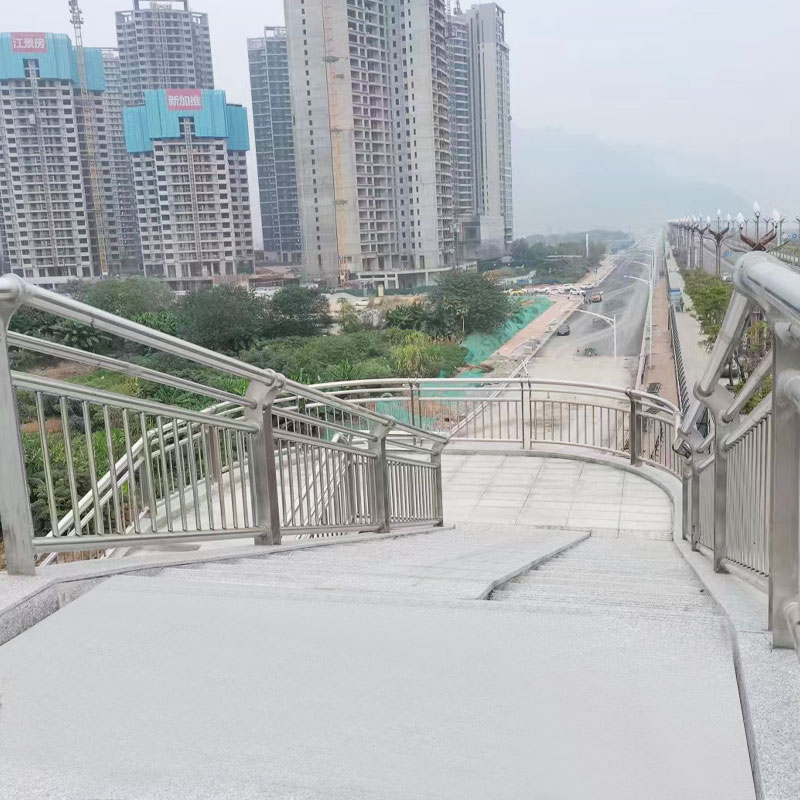
Stainless steel handrails are made of stainless steel materials and are mainly d...
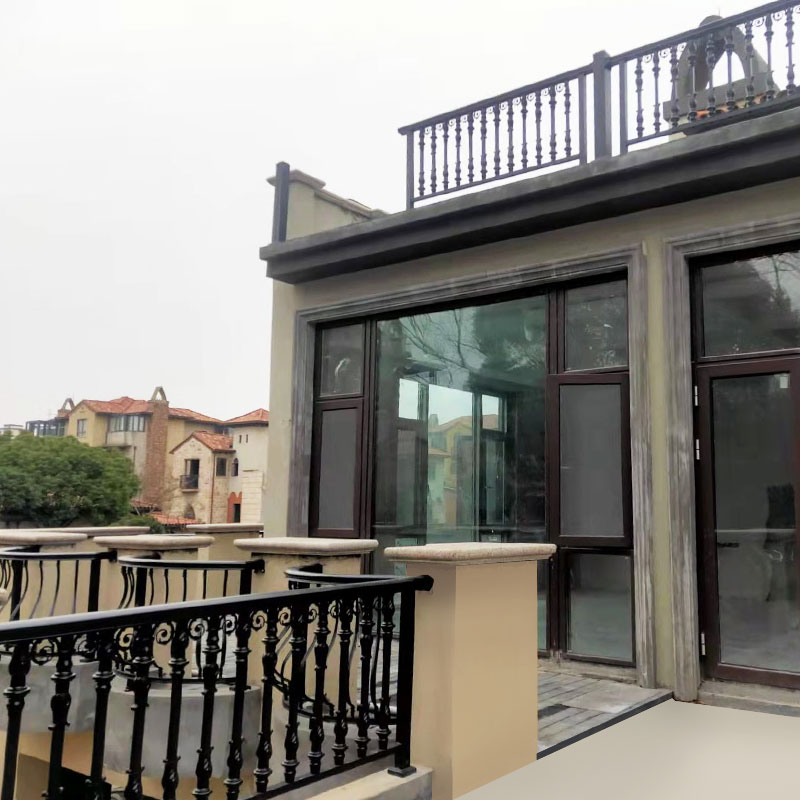
As a new generation of guardrail material, aluminum alloy guardrail has graduall...
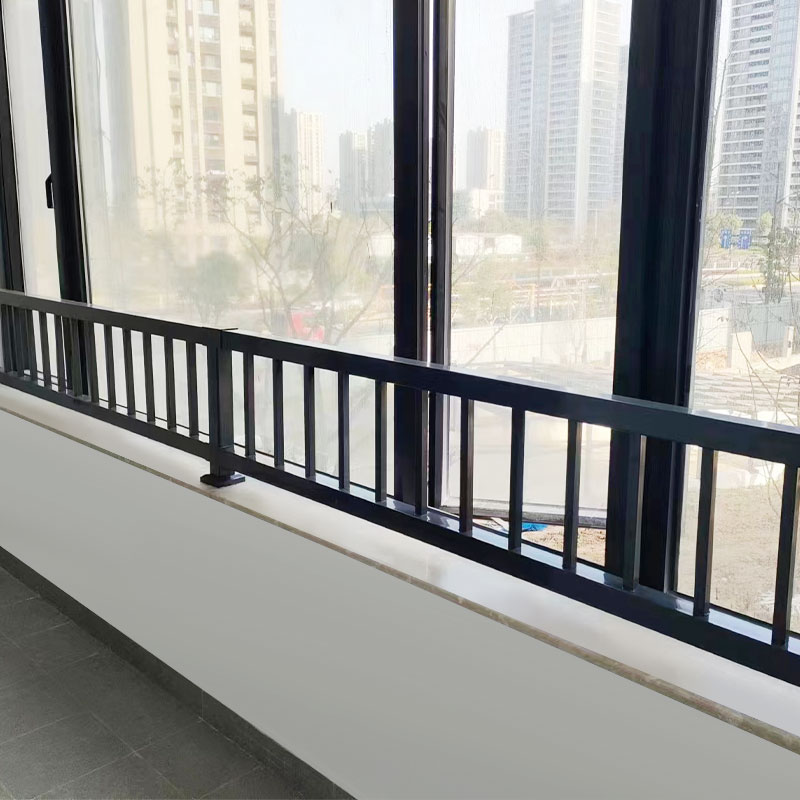
The zinc steel balcony guardrail is made of zinc alloy, which is not only strong...
Balcony Stair Handrail is a safety protection facility designed for balcony and staircase areas, mainly used to provide support to prevent slips or falls. It is widely used in homes, commercial buildings and public places, especially in areas such as stairs and balconies that require high safety. This product type can not only effectively improve safety and ensure safety when going up and down stairs or entering balconies, but also be beautiful and can perfectly blend with the surrounding environment and architectural style. Its materials are usually stainless steel, aluminum alloy, zinc steel, etc., which have the characteristics of corrosion resistance, durability and pressure resistance, ensuring stability for long-term use.
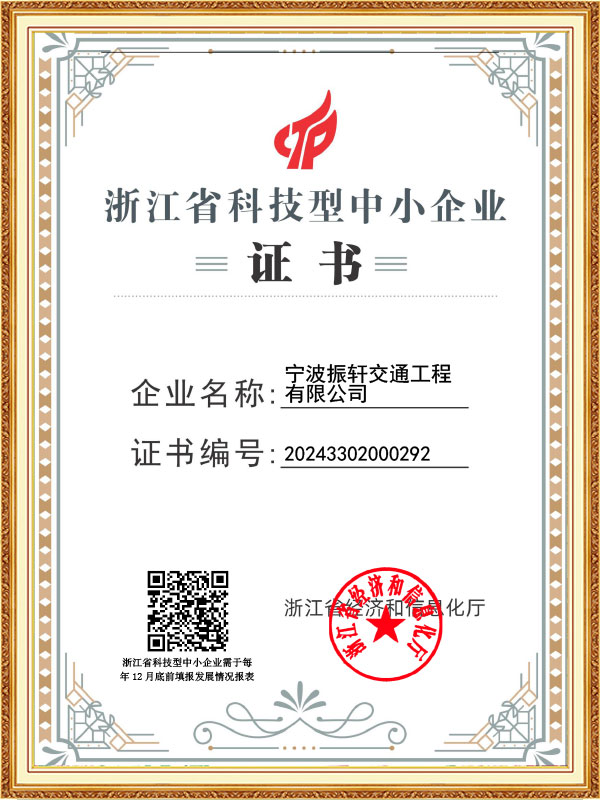
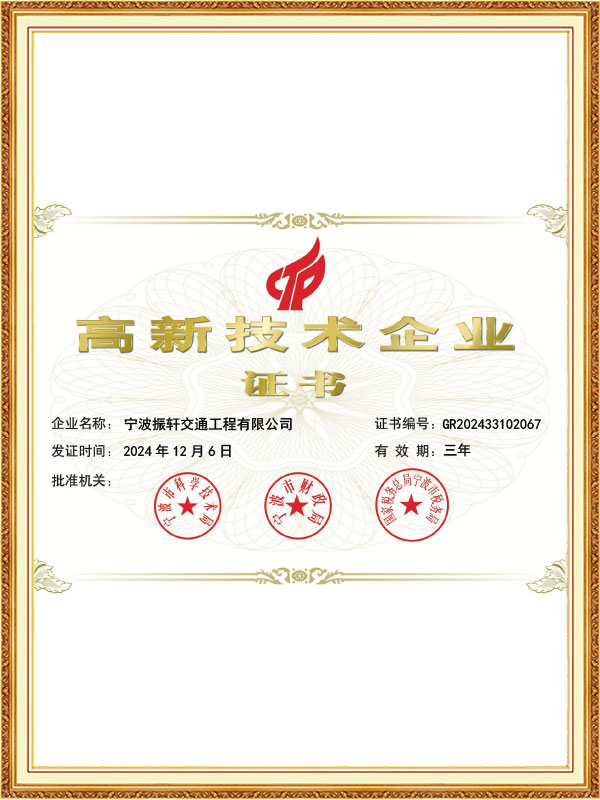
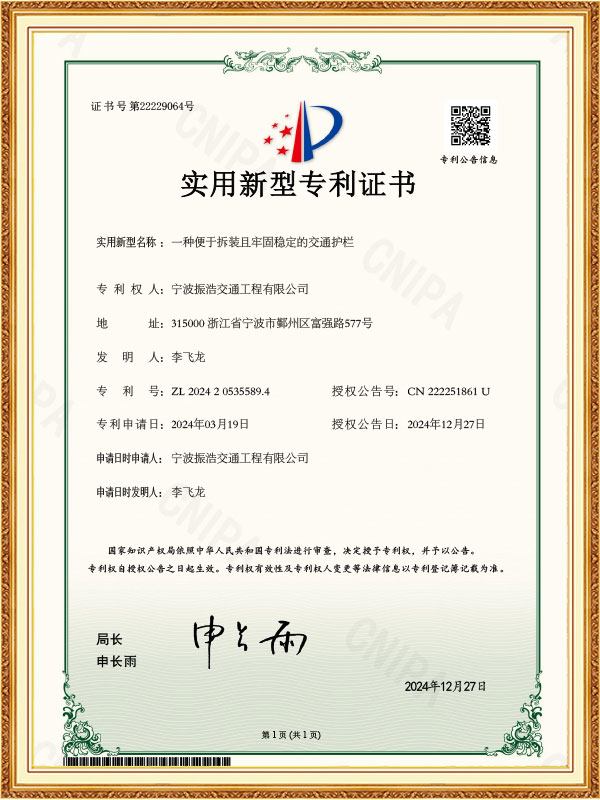
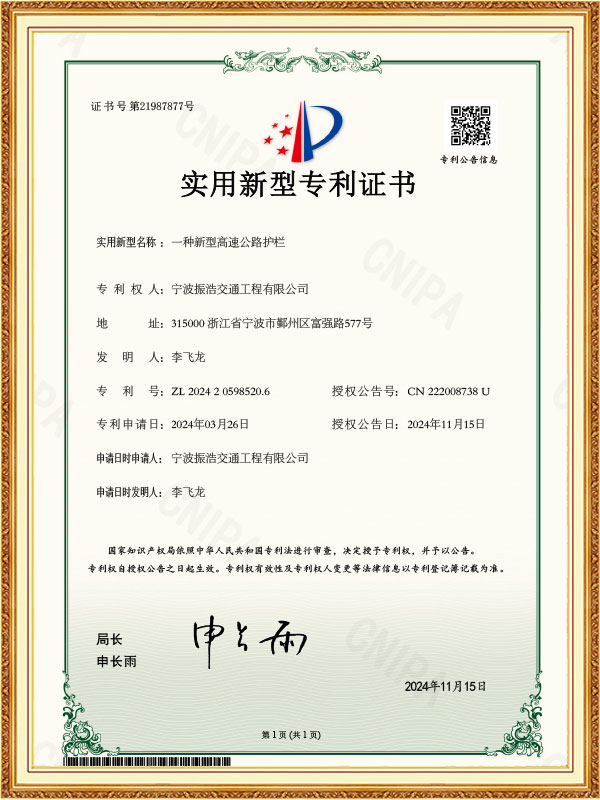
Zhenxuan Traffic Engineering Co., Ltd. is a large manufacturers of professional responsible for the design, production and sales of a series of guard rails, guard rails and high-speed soundproofing screens. As China Balcony stair handrail Manufacturers and Stair Railing Suppliers, the company relies on high-speed guard board production equipment, the production quality meets national standards, and the product design is carried out using a computer...
A metal flood protection board is the most robust and reliable solution for preventing floodwater intrusion through doorways, entrances, and low-level openings. Unlike sandbags or plastic barriers, a properly engineered metal flood protection board system provides a demonstrable seal against water...
READ MORESpecifying a zinc steel fence guardrail provides municipal developers, industrial civil engineers, and premium estate managers with the ultimate equilibrium of structural yield strength, permanent electrochemical corrosion protection, and minimal long-term maintenance overhead. While alternative pe...
READ MORELearning how to build a wire mesh fence comes down to four fundamentals: set posts on a straight, correctly spaced line, unroll the mesh with steady tension, anchor it to every post without slack, and secure the ends with tension bars so the whole run stays tight for years instead of months. Mapp...
READ MORESelecting the right steel mesh fence manufacturer depends on balancing geometric rigidity against localized atmospheric corrosion. High-security infrastructure requires manufacturers utilizing heavy 4-gauge to 8-gauge wire with a minimum tensile strength of 500 MPa, combined with advanced Zinc-Alu...
READ MOREWhat Are the Key Functions and Professional Value of Balcony Stair Handrails?
The balcony stair handrail, as a crucial component of architectural structures, offers value far beyond simple enclosure and decoration. For professional traffic engineering and protective facility manufacturers, such as Ningbo Zhenhao Traffic Engineering Co., Ltd., we understand that the professional functions of a handrail are based on stringent standards, precise engineering design, and reliable manufacturing processes.
The primary functions of balcony and stair handrails can be elaborated across four dimensions: Safety Protection, Structural Durability, Ergonomics, and Environmental Adaptability.
I. Critical Safety Protection Functions
Safety is the core function of the handrail and the primary prerequisite for all design and manufacturing.
1. Vertical Fall Prevention
This is the most direct function of the handrail. Whether on interior stairs, exterior egress stairs, or high-rise balconies, the handrail must form a robust barrier to effectively prevent accidental falls of people and objects from high places.
2. Impact Resistance and Anti-Vandalism Capability
Especially in public areas, commercial buildings, or high-traffic zones, handrails must withstand accidental impacts or intentional vandalism.
II. Structural Durability and Environmental Adaptability
Outdoor handrails are continuously exposed to harsh environments, making durability the key differentiator between premium and standard products.
1. Superior Weather Resistance and Anti-Corrosion
Outdoor handrails must resist UV radiation, temperature fluctuations, rain erosion, and, particularly in coastal areas, salt spray corrosion.
2. Structural Stability and Long-Term Service Life
The lifespan of the handrail directly impacts the overall safety and maintenance cost of the building.
III. Ergonomics and User Experience Functions
Professional handrail design is not only about safety but must also provide a comfortable and reliable gripping experience.
1. Support and Guidance
Stair handrails are the main component providing users with physical support and balance assistance.
2. Visual Guidance and Aesthetics
In modern architecture, handrails are also important aesthetic elements.
How Should One Select the Right Material for Balcony Stair Handrails?
For any construction project, the material selection for a balcony stair handrail is not merely an aesthetic consideration; it is an engineering decision concerning long-term safety, structural durability, and project cost-effectiveness. Incorrect material choice can lead to corrosion, strength reduction, and serious safety hazards. As a professional protective facility manufacturer, Ningbo Zhenhao Traffic Engineering Co., Ltd. leverages its deep expertise in traffic engineering fields, such as guard rails and soundproofing screens, to provide you with a professional guide from engineering design to manufacturing execution.
I. Primary Selection Principles: Environmental Adaptability and Safety Standards
When choosing handrail materials, it is essential to prioritize performance in specific environments over pure cost factors.
1. Environmental Assessment and Corrosion Mitigation
The corrosion resistance of the material is key to determining the handrail's lifespan.
2. Structural Strength and Load-Bearing Requirements
Fittings as a safety protection system, their material strength must satisfy local building code requirements for minimum horizontal and vertical load-bearing capacity.
II. Professional Comparison and Analysis of Core Handrail Materials
The mainstream materials for balcony stair handrails each have distinct characteristics, and B2B clients should make tailored choices based on the project scope.
1. Premium Choice: Stainless Steel
Stainless steel is a preferred choice for mid-to-high-end projects due to its modern appearance, high strength, and excellent corrosion resistance.
2. Performance and Lightweight Combination: Aluminum Alloy
Aluminum alloy is favored for its light weight, easy processing, low maintenance cost, and design versatility.
3. Cost-Effective Option: Galvanized Steel
Galvanized steel is a cost-effective option, particularly suitable for projects requiring high strength and moderate budgets.
III. Structural Design and Material Matching: Zhenhao's Systematic Solution
Material selection is not an isolated step; it must be deeply integrated with structural design and manufacturing processes.
Zhenhao people adhere to the guideline of "excellence, continuous development and perfection," achieving full integration across the entire process:
What Are the Professional Installation Requirements for Balcony Stair Handrails?
The safety and durability of balcony stair handrails rely one-third on design and material, and two-thirds on the installation process. As a professional protective facility manufacturer, Ningbo Zhenhao Traffic Engineering Co., Ltd. is acutely aware that regardless of product quality, improper installation can lead to safety risks and structural flaws. Professional installation requirements are the final checkpoint for ensuring architectural safety and reflecting engineering quality.
I. Strict Requirements for Accurate Layout and Positioning
Handrail installation begins with precise on-site measurement and layout, which directly determines the final plumb, levelness, and aesthetics of the handrail.
1. On-Site Measurement and Fit
The actual slope and corner of balconies and stairs often have slight deviations from design drawings.
2. Control of Plumb and Spacing
Handrail posts must be perfectly plumb (or consistent with the stair slope), and the spacing of balusters must be uniform and comply with safety codes.
II. Anchorage Connection and Assurance of Structural Stability
Anchorage connections are critical for the handrail to withstand horizontal thrust and vertical loads, making them the core component for achieving structural stability.
1. Selection and Requirements for Anchorage Elements
Anchorage elements must be selected to match the base material (concrete, steel structure, or wood) to achieve the design load-bearing capacity.
2. Treatment of Connection Joints
The connection between the handrail tube and the post, as well as between adjacent posts, must be tight and reliable, with sufficient shear resistance.
III. Detailed Treatment for Anti-Corrosion, Waterproofing, and Drainage
Since balcony and stair handrails are exposed to the outdoor environment, anti-corrosion and waterproofing treatments are necessary installation requirements for guaranteeing durability.
1. Waterproofing and Sealing of Anchorage Points
All anchorage elements exposed to the outdoors require professional waterproofing and sealing treatment.
2. Anti-Corrosion at Material Interfaces
Measures must be taken at interfaces between different metal materials or between metal and concrete to prevent galvanic corrosion.
IV. Construction Acceptance and Final Quality Assurance
The final stage of installation is rigorous acceptance to ensure the handrail fully complies with design intent and safety codes.
1. On-Site Acceptance Tests
In addition to visual inspection of plumb and spacing, functional tests must also be performed.
2. Handover and Maintenance Instructions
Ningbo Zhenhao Traffic Engineering Co., Ltd. always upholds that "service is the foundation of enterprise development." Upon project handover, we provide not only qualified products but also detailed installation records and subsequent maintenance guidelines to help clients ensure the long-term safe operation of the handrail.
What Mechanical Principles Must Be Considered in the Structural Design of Balcony Stair Handrails?
The structural design of the balcony stair handrail, as a crucial link in the architectural safety protection system, is not a simple assembly of geometric dimensions but is built upon rigorous structural mechanics analysis. For a professional manufacturer like Ningbo Zhenhao Traffic Engineering Co., Ltd., which specializes in guard rails, protective barriers, and high-speed soundproofing screens, we know that mechanical principles are the scientific foundation ensuring the handrail is safe and reliable throughout its entire service life.
Mechanical principles are integrated throughout our design process, aiming to minimize safety risks.
I. Load Analysis and Minimum Load-Bearing Capacity Principles
The first step in handrail design is accurately identifying and quantifying the various loads acting on it and ensuring the structure can resist these loads without failure or excessive deformation.
1. Uniform Horizontal Load
This is the most critical mechanical parameter in handrail design, primarily simulating the thrust generated when people lean against or crowd together.
2. Concentrated Point Load
Used to simulate sudden impact or pressure applied by a person or object at a specific local point on the handrail or infill panel.
II. Principles of Structural System Stability
The handrail, as a cantilever or multi-span continuous beam structure, depends on the overall synergy of the posts, connecting elements, and anchoring system for its stability.
1. Overturning Moment Resistance of the Anchorage Base
The horizontal load sustained by the handrail generates a significant overturning moment at the connection point between the post and the base.
2. Control of Deflection and Stiffness
Stiffness is the structure's ability to resist deformation. A well-designed handrail must possess sufficient stiffness to prevent an unsettling "wobble" during use.
III. Fatigue and Fracture Mechanics of Materials and Connections
While considering instantaneous large loads, structural design must also account for the material's fatigue characteristics under long-term use.
1. Fatigue Life and Stress Cycling
Outdoor handrails endure repeated stress cycling caused by temperature changes and wind loads.
2. Mechanical Impact of Connections and Galvanic Corrosion
Corrosion weakens the material's effective cross-sectional area, leading to a reduction in its load-bearing capacity, which is a long-term mechanical degradation process.
Contact Us
Add:No. 577 Fuqiang Road, Panhuo Street, Yinzhou District, Ningbo City, Zhejiang Province
Email: [email protected]
Telephone: +86-18058271903
Phone: +86 0571-28284189

Zhenxuan Traffic Engineering Co., Ltd. is a large manufacturers of professional responsible for the design, production and sales of a series of guard rails, guard rails and high-speed soundproofing screens.
PRODUCT
case
 OEM/ODM Balcony stair handrail Suppliers
+86-18058271903