
 English
 Español
How to Build a Wire Mesh Fence That Actually Stays Straight and Tight
The planning stage decides whether the fence stays straight for years
The single biggest predictor of a fence that lasts is how much time went into the layout before a single post touched the ground. Stretch a string line between where the fence will start and end, and use it as the reference for every post that follows — eyeballing a line, even over a short run, almost always drifts by the time you reach the far end.
Post spacing is the other variable that determines whether the finished fence stands rigid or starts to bow within the first season. The right spacing depends on the post type, not personal preference:
| Post Type | Recommended Spacing | Why This Range |
|---|---|---|
| Steel T-posts | 6–10 ft (2–3 m) | Lighter posts flex less over shorter spans, keeping mesh tension even |
| Wooden posts | 6.5–8 ft (2–2.5 m) | Slightly closer spacing compensates for wood's greater flex under load |
| Corner and gate posts | Set individually, not by interval | These bear the most pulling force from tensioning and need standalone anchoring |
| Sloped or uneven ground | Reduce spacing by 15–20% | Shorter spans add support where the terrain already works against stability |
A short staging list prevents mid-project trips back to the store
Every later step depends on how well this one is executed
Where most sagging fences actually go wrong
The mesh material changes both the look and the maintenance schedule
| Factor | Welded Wire Mesh | PVC-Coated Wire Mesh |
|---|---|---|
| Structural strength | High — rigid, welded joints | High, with an added flexible coating |
| Weather resistance | Good, but exposed metal can rust over time | Better — coating shields against rust and weathering |
| Appearance | Utilitarian, bare metal finish | Polished look, typically green or black to blend with landscaping |
| Best suited for | Gardens, animal enclosures, utility barriers | Residential yards and areas where appearance matters |
| Typical cost | Lower upfront cost | Higher upfront cost, lower long-term maintenance |
Most fences end up using both — knowing where each excels helps
| Factor | Steel T-Posts | Wooden Posts |
|---|---|---|
| Installation speed | Fast — driven directly into the ground | Slower — requires digging and often concrete |
| Best position on the fence | Straight runs, middle sections | Corners and end posts needing extra strength |
| Compatible mesh gauge | Works well up to 14-gauge mesh | Handles heavier mesh and gate hardware |
| Long-term durability | Very durable, minimal maintenance | Durable when set in concrete; can weather over decades |
| Appearance | Utility-focused | More traditional, often preferred for visible sections |
Small oversights that turn into big repairs
| Mistake | What It Leads To | How to Avoid It |
|---|---|---|
| Skipping the string line | Visibly crooked fence by the far end | Set and use a string line for every post placement |
| Attaching mesh with slack | Sagging that worsens with weather and time | Keep the roll taut while securing each section |
| No trench along the base | Animals burrowing underneath the fence | Dig a 4–6 inch trench along the line for added anchoring |
| Attaching mesh before concrete cures | Shifted or leaning posts | Let concrete footings cure fully before tensioning |
| Overtightening the tension bars | Bent posts or stressed, distorted mesh | Pull to snug and even tension, not maximum force |
Where the budget goes up or down on a typical project
Thicker wire gauges and coated finishes cost more per foot but reduce the maintenance and replacement costs that come with rust or sagging. Uneven terrain, additional gates, and corner reinforcement also add to the total, since these sections require individually set posts rather than evenly spaced runs.
The projects that come in on budget are almost always the ones where spacing, post type, and mesh gauge were decided before ordering materials — not adjusted mid-installation. Buying extra tension bars and ties upfront is inexpensive compared to a second trip to the store once the mesh is already unrolled.
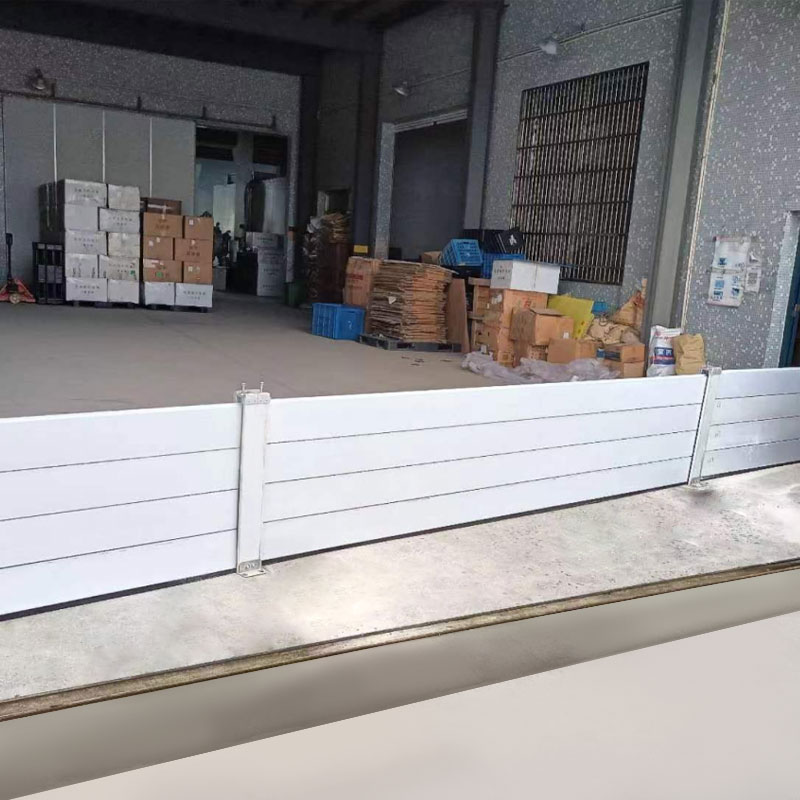
Flood control panels for workshops and factories are important protective equipment used to prevent floods or large amounts of water from invading wor...
See Details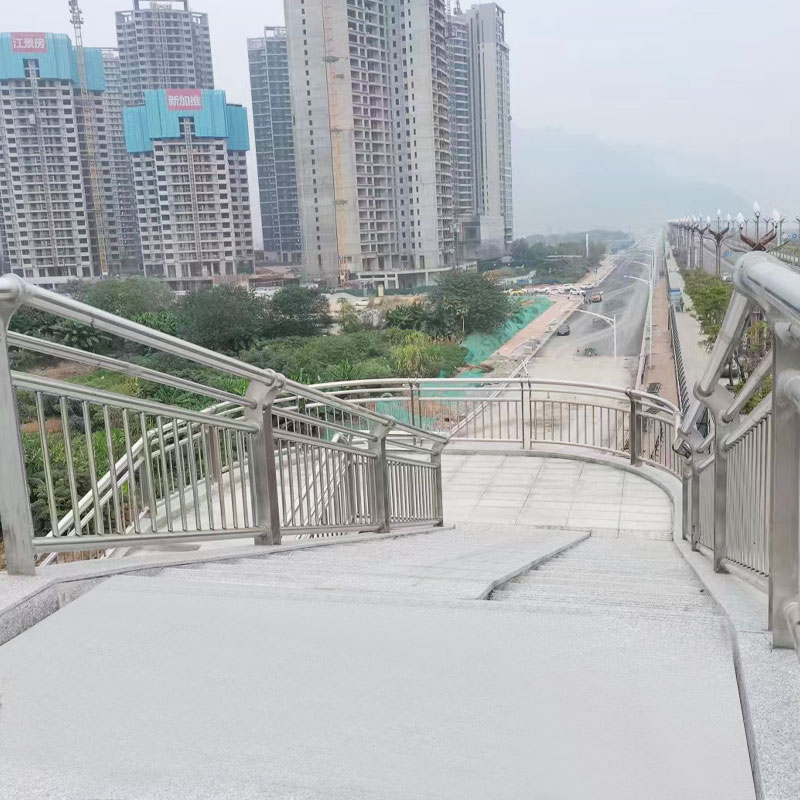
Stainless steel handrails are made of stainless steel materials and are mainly divided into handrails, columns, bases and other components. The struct...
See Details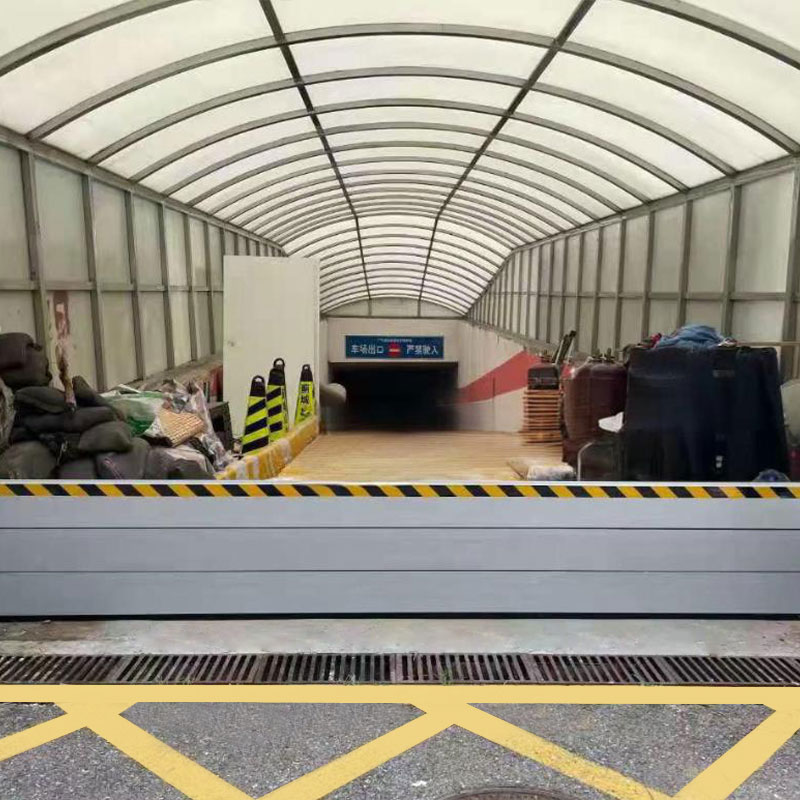
The entrance and exit water retaining plate, also known as water blocking plate, waterproof plate, rain shield, flood control plate, water-proof plate...
See Details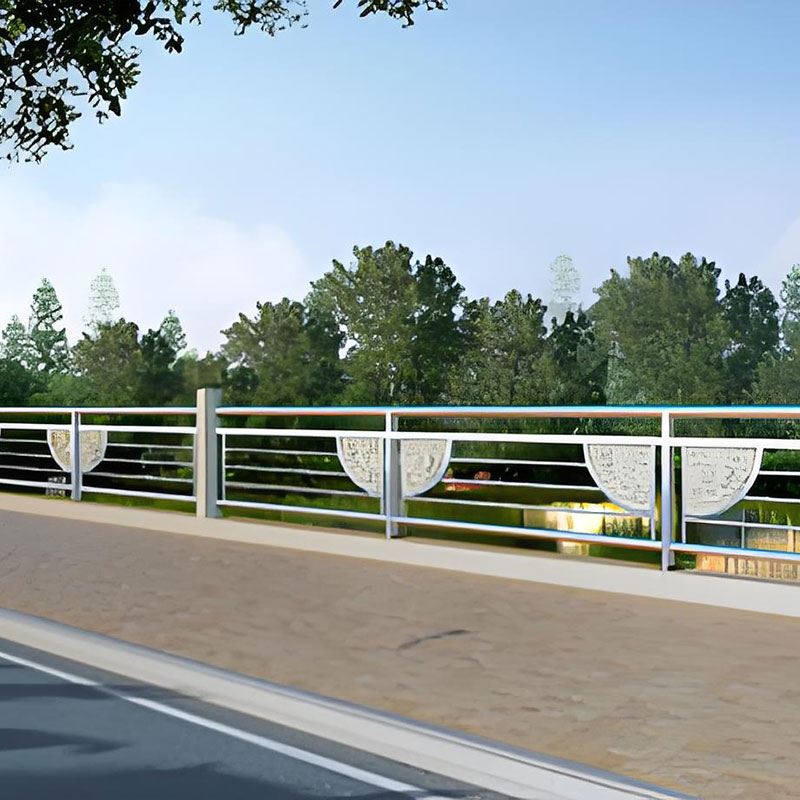
Imitation stone bridge guardrail is a kind of bridge guardrail that simulates the texture and feel of natural stone through modern technology. It is m...
See Details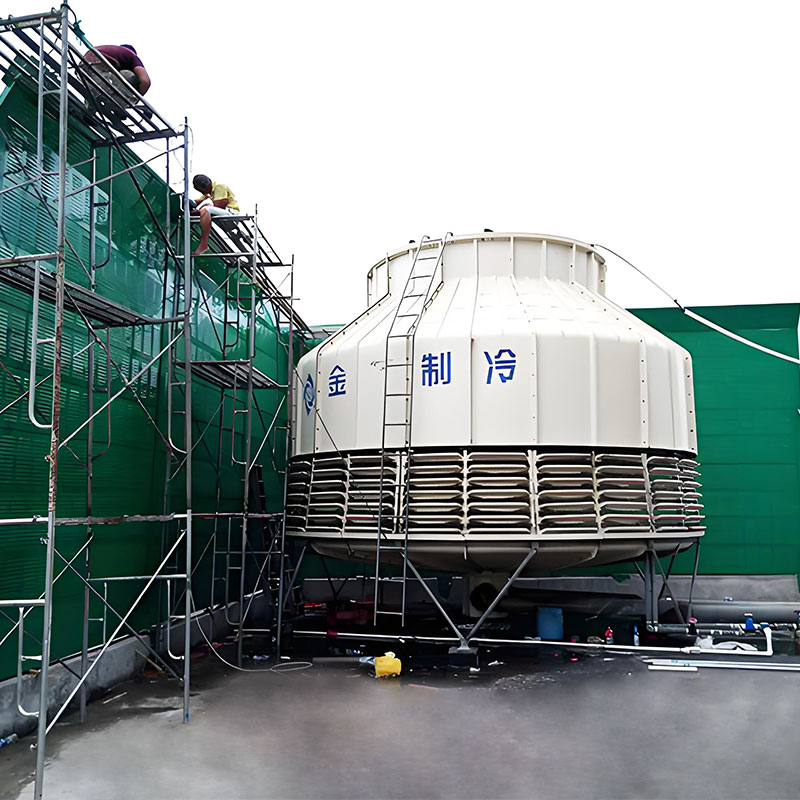
A cooling tower sound barrier is a device that blocks, absorbs or reflects sound waves by physical means, thereby reducing the impact of cooling tower...
See Details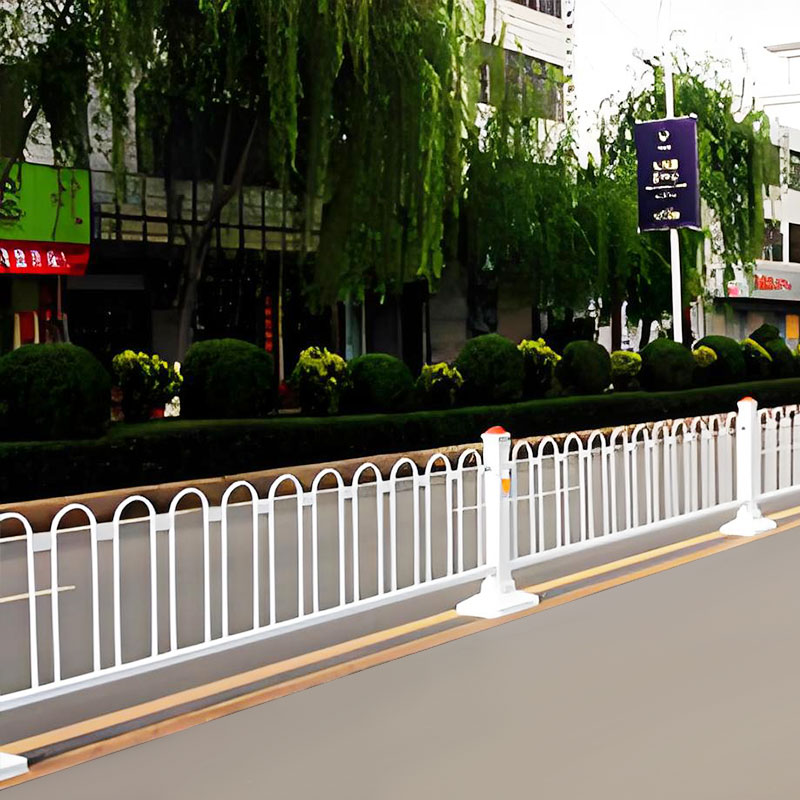
Beijing-style road guardrails are shaped like the letters N and U, so they are also called n-type iron fences and inverted U-shaped central fences. Th...
See DetailsContact Us
Add:No. 577 Fuqiang Road, Panhuo Street, Yinzhou District, Ningbo City, Zhejiang Province
Email: [email protected]
Telephone: +86-18058271903
Phone: +86 0571-28284189

Zhenxuan Traffic Engineering Co., Ltd. is a large manufacturers of professional responsible for the design, production and sales of a series of guard rails, guard rails and high-speed soundproofing screens.
PRODUCT
case
 OEM/ODM Aluminum/Steel Guardrail Manufacturers
+86-18058271903