
 English
 Español
What are corrugated guardrails, and how do they improve road safety?
A corrugated guardrail is a widely used road safety feature designed to protect motorists, pedestrians, and other road users from the dangers associated with driving off-course. These guardrails are primarily installed along the edges of highways, expressways, and rural roads, or within central medians on multi-lane roads, where there is a significant risk of vehicles leaving the roadway. The primary function of a corrugated guardrail is to reduce the likelihood of serious accidents by acting as a barrier between the vehicle and potentially dangerous areas, such as steep embankments, water bodies, trees, or other obstacles.
When a vehicle inadvertently drifts off its intended path, whether due to loss of control, driver error, or adverse weather conditions, the corrugated guardrail is designed to prevent the vehicle from continuing into hazardous zones. These hazardous zones can include cliffs, rivers, bodies of water, trees, bridge supports, and other potentially fatal or severe hazards that could result in much more catastrophic consequences if a vehicle were to collide with them directly.
The guardrail system consists of a series of metal panels that are curved in a corrugated pattern, which is what gives it its name. These corrugated metal panels are typically made from high-strength steel or aluminum, and they are designed to absorb impact energy and deform in a controlled manner when a vehicle crashes into them. This helps dissipate the force of the collision, preventing the vehicle from bouncing back into traffic or off the road, which could lead to a secondary accident or worse. The curved or wave-like design of the panels also plays a critical role in the gradual deceleration of the vehicle, which is essential for reducing the severity of the crash and protecting the vehicle's occupants.
The corrugated structure is especially important because it enhances the guardrail's ability to redirect the vehicle back onto the roadway in a safer manner, without the sudden, jarring stop that a solid barrier might impose. This feature makes the corrugated guardrail not just a passive barrier, but an active safety feature that works to minimize injury by distributing the collision force over a larger area.
In addition to preventing dangerous collisions with obstacles, these guardrails also serve a preventive role by stopping vehicles from careening into potentially high-risk areas, such as traffic lanes in the opposite direction, which could cause head-on collisions with oncoming vehicles. On high-speed roads and highways, where drivers are traveling at higher velocities, the dynamics of a crash are much more severe, and the role of the guardrail becomes even more critical in reducing the risk of fatalities or life-threatening injuries.
The design and function of corrugated guardrails make them an essential safety feature in road infrastructure, especially on high-traffic roads or in locations with a high risk of vehicles leaving the road. By providing both collision prevention and impact absorption, these guardrails act as a safeguard against the most dangerous scenarios, ensuring that the road remains as safe as possible for all travelers.
A corrugated guardrail is a crucial safety feature found along roadways, designed to minimize the risk of serious injuries and fatalities during vehicle collisions. The guardrail’s design, materials, and structural components play an essential role in ensuring that it effectively absorbs the impact from vehicles that veer off the road, preventing them from colliding with obstacles or running into hazardous areas.
The corrugated guardrail consists of several vital components that work together to ensure both the durability and effectiveness of the safety feature. These components include the corrugated metal panels, support posts, and end treatments. Each of these components serves a specific purpose, from absorbing impact to ensuring the stability and effectiveness of the guardrail over time.
At the heart of any corrugated guardrail lies the corrugated metal panels. These panels are the primary barrier that absorbs the majority of the impact force when a vehicle strikes the guardrail. Made from high-strength materials such as steel or aluminum alloys, the panels are shaped into a distinctive wavy pattern, which is why the guardrail is referred to as “corrugated.” The unique design of these metal panels allows the guardrail to effectively dissipate the energy generated during a collision, reducing the severity of the impact for both the vehicle and its occupants.
Steel: The most common material used for corrugated guardrails is galvanized steel. Galvanization is the process of coating the steel with a layer of zinc to protect it from corrosion. This ensures that the guardrail remains durable and effective over time, even in harsh weather conditions. Steel is chosen for its high tensile strength, which enables it to withstand the forces generated by high-speed crashes without deforming too quickly.
Aluminum: In some cases, aluminum alloys may be used for the corrugated panels. Aluminum is a lightweight material that is resistant to rust and corrosion. However, it is generally not as strong as steel, which means it may not be as effective in high-impact scenarios, although it still provides some level of protection and is often used in less-trafficked areas.
The corrugated design of the metal panels serves multiple purposes:
The support posts are the vertical metal structures that secure the corrugated panels to the roadbed. They are essential for maintaining the guardrail’s position and ensuring that it remains intact during an impact. The posts are typically spaced at regular intervals along the road and are driven into the ground at varying depths to anchor the guardrail securely.
The primary function of the support posts is to hold the corrugated panels in place, preventing them from collapsing or falling over when a vehicle strikes the guardrail. The support posts must also be designed to allow the guardrail to deform in a controlled manner during impact, which helps absorb the collision force and reduce the risk of injury. In addition, support posts are designed to withstand a certain amount of pressure without snapping or bending, ensuring that the guardrail remains functional after multiple impacts.
Support posts can be designed and installed in various ways, depending on factors such as the road type, traffic volume, and local environmental conditions. Some of the most common types of support posts include:
Wooden Posts: In some rural areas or older installations, wooden posts may still be used. While they are relatively inexpensive, wooden posts are less durable and more prone to damage from environmental factors like moisture or termites.
Steel Posts: More commonly, steel posts are used for their durability and resilience. These posts are often coated with zinc or other anti-corrosive materials to enhance their lifespan, especially in regions with harsh weather conditions.
Concrete or Composite Posts: For areas with extreme weather or high traffic volumes, concrete or composite posts may be used. These posts are more robust and resistant to wear and tear but are often more expensive and require more effort during installation.
The end treatments of a corrugated guardrail are designed to ensure that the vehicle is safely redirected in the event of a collision. The ends of the guardrail are often the most hazardous part of the system because they are sharp and can cause significant injuries if a vehicle strikes them directly. To mitigate this risk, engineers design end treatments to absorb impact, dissipate energy, and redirect vehicles away from the sharp edges of the guardrail.
Terminals: End terminals are used at the ends of guardrail systems to redirect vehicles in a controlled manner. These terminals are designed to slow down the vehicle’s impact and prevent it from continuing into the opposite lanes or off the road. Common terminal designs include flared terminals and tangent terminals.
Energy Absorbers: These devices are often installed at the ends of the guardrail to absorb the kinetic energy of the vehicle. They can take the form of crash cushions, which are designed to deform upon impact, or sand barrels that provide additional cushioning.
Fishtail Ends: This type of end treatment is used to deflect vehicles away from the guardrail’s end. It is designed to redirect the vehicle along the guardrail’s length, rather than allowing it to collide directly with the sharp end.
| Component | Function | Materials Used | Design Considerations |
|---|---|---|---|
| Corrugated Panels | Absorbs impact, redirects vehicles, enhances energy dissipation | Galvanized steel, aluminum alloys | Wavy design for impact absorption, vehicle redirection |
| Support Posts | Secures panels to the ground, maintains structure during impact | Steel, concrete, composite, wood | Spaced regularly, varying depths for anchoring |
| End Treatments | Reduces impact severity, redirects vehicle safely away from sharp edges | Steel, aluminum, crash cushions | Flared or tangent design, energy absorbers like sand barrels |
Corrugated guardrails are one of the most common and essential safety facilities used along modern highways, urban roads, and mountainous routes. Their distinctive wavy (corrugated) steel design is not merely aesthetic—it serves critical mechanical and safety purposes. By combining strength, flexibility, and energy absorption characteristics, these guardrails play a fundamental role in reducing traffic accident severity and protecting road users.
When a vehicle collides with a corrugated guardrail, the corrugated metal panels deform plastically, converting a portion of the vehicle’s kinetic energy into deformation energy. This controlled deformation is crucial—it allows the guardrail to absorb impact without completely failing.
In simple terms, the design functions as a shock absorber between the vehicle and the roadside. Instead of an abrupt stop, the guardrail “gives way” slightly, extending the impact duration and reducing the peak force transmitted to the vehicle and passengers.
The corrugated shape improves the metal’s resistance to buckling and allows it to deform progressively. When impacted, the waves of the corrugation flatten out sequentially, which effectively dissipates the energy over a larger area.
The materials used are usually high-strength galvanized steel, which maintains structural integrity under high stress while resisting corrosion. Some modern systems incorporate composite materials or weathering steel, further improving durability and energy dissipation.
Because the impact is distributed along the guardrail and absorbed gradually, passengers experience a lower deceleration rate, reducing the likelihood of serious injury. In severe crashes, this difference can mean the survival of occupants who might otherwise be killed in a direct impact with a rigid object.
One of the most vital functions of a corrugated guardrail is to prevent vehicles from leaving the roadway. During high-speed driving, loss of control can easily lead to vehicles veering off into dangerous terrain—steep slopes, rivers, ditches, or opposing traffic lanes. The guardrail acts as a containment and redirection system, keeping vehicles within a controlled area.
When hit, the corrugated guardrail bends but does not break. Its posts and beams work together to redirect the vehicle back toward the road while keeping it upright and stable. This controlled redirection minimizes the chance of rollover accidents.
In many driving environments, vehicles are surrounded by fixed objects—trees, poles, signposts, and bridge supports. A direct collision with any of these can cause severe damage and often fatal injuries.
Corrugated guardrails serve as a protective buffer, ensuring that a vehicle strikes the barrier first. The energy is absorbed and dispersed before the vehicle reaches the obstacle. This function drastically reduces the severity of crashes in hazardous roadside environments.
The impact force is not only absorbed but also distributed longitudinally along the rail. This means even if a vehicle hits a specific section, the load spreads across multiple posts and panels. The result is a smoother deceleration curve and less damage to both vehicle and infrastructure.
Below is a table comparing the performance characteristics of different types of roadside barriers, highlighting why corrugated guardrails are preferred in many scenarios:
| Barrier Type | Energy Absorption | Vehicle Redirection | Maintenance Cost | Durability |
| Corrugated Guardrail | High – absorbs and dissipates impact energy | Excellent – redirects vehicle smoothly | Moderate | High (galvanized steel) |
| Concrete Barrier | Low – rigid structure, minimal energy absorption | Good – redirects but high vehicle damage | Low | Very High |
| Wire Rope Barrier | Very High – flexible and efficient energy absorption | Moderate – less control on heavy vehicles | High (frequent repair) | Moderate |
As the table illustrates, corrugated guardrails strike a balance between performance, cost, and safety, making them ideal for general use across diverse environments.
Beyond physical protection, corrugated guardrails serve as visual guidance devices. The reflective coatings and bright galvanized finish make them highly visible under headlights, helping drivers identify road edges and curves even in fog, rain, or nighttime conditions.
Many guardrails are equipped with reflective strips or painted sections to improve visual cues. In areas with frequent fog or poor lighting, these visual markers alert drivers early, reducing the chance of drifting off the road.
Guardrails also provide a psychological sense of safety, giving drivers clear boundaries. Studies have shown that well-marked and visible barriers reduce driver anxiety on dangerous or winding roads, leading to smoother and more attentive driving behavior.
After an initial crash, vehicles can remain on or near the roadway, posing danger to other traffic. Corrugated guardrails help contain the incident by preventing the first vehicle from entering opposing lanes or dangerous zones. This significantly reduces the likelihood of multi-vehicle or secondary collisions.
By controlling where and how a vehicle stops, guardrails help emergency services operate in a more predictable and confined area. The controlled nature of vehicle rest positions makes post-accident scenes safer for both rescue personnel and other motorists.
In high-traffic environments, preventing secondary accidents is crucial. A single crash can trigger a chain of events involving multiple vehicles. Corrugated guardrails reduce this cascading effect, preserving smoother traffic flow and minimizing congestion.
Corrugated guardrails are designed in modular sections, meaning that damaged parts can be replaced individually. This reduces repair costs and downtime compared to systems like continuous concrete barriers.
The galvanized or powder-coated steel resists rust, corrosion, and weather damage, ensuring long service life even in humid, coastal, or snowy regions.
Because of their durability and recyclability, corrugated guardrails offer long-term economic benefits. The steel used can be recycled after decommissioning, making the system environmentally friendly as well as cost-effective.
Corrugated guardrails are a vital part of modern road infrastructure, designed to enhance safety for both vehicles and pedestrians by preventing accidents and reducing the severity of crashes. These guardrails are commonly used on highways, rural roads, and areas with high-risk zones. Their cost-effectiveness, durability, and versatility make them a preferred choice for road safety authorities.
Corrugated guardrails are highly valued for their cost-effectiveness, making them an attractive option for road authorities, especially when working within budget constraints. The affordability of these guardrails is reflected in both their installation costs and their long-term maintenance expenses.
The installation of corrugated guardrails is much more cost-efficient compared to other types of barriers, such as concrete or rigid steel barriers. Concrete barriers, for example, require extensive groundwork, the use of heavy machinery, and specialized labor for installation. These barriers are bulky and require significant preparation to ensure they are properly anchored in place. As a result, the installation costs of concrete barriers are significantly higher.
In contrast, corrugated guardrails are lighter and easier to install. The components of these guardrails are pre-fabricated in a factory, which minimizes on-site construction work. This leads to reduced labor and equipment costs, as fewer resources are required to complete the installation. Moreover, the process of installation is faster, reducing the overall downtime on roadways. This is especially important on high-traffic highways where prolonged construction can lead to significant traffic disruptions and additional costs.
Furthermore, the simple design of corrugated guardrails means they can be installed by a smaller crew without the need for heavy equipment. The process usually involves driving posts into the ground and attaching the guardrail sections to them, which is much less labor-intensive compared to other types of barriers.
Corrugated guardrails are not only affordable to install but also require minimal maintenance over time. They are typically constructed using galvanized steel, which is highly resistant to corrosion and wear, even under harsh environmental conditions. As a result, these guardrails have a long service life and do not require frequent repairs or replacements.
In comparison, concrete barriers are susceptible to cracking over time, especially when exposed to extreme weather conditions or physical impacts. Cracked barriers often require costly repairs, and in some cases, entire sections may need to be replaced. On the other hand, corrugated guardrails can withstand the impact of minor collisions without significant damage. If a section is damaged, it can be easily replaced without disrupting traffic or requiring expensive repairs.
Additionally, since corrugated guardrails are designed to flex and absorb impacts rather than resist them rigidly, they are less likely to suffer from structural damage during accidents. This reduces the overall repair costs associated with maintaining road safety barriers.
Corrugated guardrails offer significant long-term savings for road authorities. Their durability and resistance to environmental factors mean that they can stay in service for decades with minimal upkeep. Over time, this results in lower total lifecycle costs, as there is less need for frequent replacements or extensive repairs.
Furthermore, the lower cost of installation means that road authorities can allocate their resources to other areas of road safety or infrastructure projects, such as improving road signs, adding lighting, or investing in other safety measures.
By offering a combination of low initial investment and long-term savings, corrugated guardrails provide an excellent return on investment for road authorities and governments, especially in regions with limited budgets for infrastructure development.
Corrugated guardrails are highly versatile and can be adapted to suit a variety of environments, road conditions, and traffic volumes. Their flexibility in design and installation makes them suitable for use in both urban and rural settings, as well as on high-speed highways and low-traffic rural roads.
One of the major advantages of corrugated guardrails is their ability to be customized to fit different types of road environments. Whether it’s a busy urban road, a winding mountain highway, or a rural route, these guardrails can be designed to meet specific needs.
For instance, in urban areas, where space may be limited, corrugated guardrails can be designed with a more compact profile, allowing for easy integration into the existing road infrastructure. These guardrails can be installed in areas where space is constrained, such as along medians, sharp curves, or intersections, without requiring significant modifications to the road layout.
On the other hand, for roads in rural or mountainous areas, where there may be more room for installation, corrugated guardrails can be designed with a taller or more reinforced profile to prevent vehicles from veering off the road. In such environments, guardrails need to be able to withstand the higher impact forces generated by vehicles traveling at high speeds or on steep inclines.
The flexibility of corrugated guardrails also allows for their installation on roads with different surface conditions. Whether the road is gravel, asphalt, or concrete, these guardrails can be adapted to fit the terrain, ensuring optimal protection for vehicles and drivers.
Corrugated guardrails can also be customized to suit varying traffic conditions. In high-speed zones, such as highways or expressways, the guardrails can be reinforced to withstand more significant impacts. These higher-impact guardrails are designed to absorb the kinetic energy from faster-moving vehicles, ensuring that they maintain their integrity in the event of a collision.
In contrast, for low-traffic rural roads, a simpler design may suffice. These roads typically have slower-moving traffic, and the risk of high-speed accidents is lower. As a result, the guardrails in such areas may be installed at a lower height or use lighter materials.
In residential or low-speed urban areas, where the likelihood of collisions is typically lower, corrugated guardrails can be designed with features that increase their visibility, such as reflective tape or lights. This makes it easier for drivers to spot the guardrail at night or in low-light conditions.
Corrugated guardrails are also suitable for installation in areas with special requirements, such as near pedestrian crossings, school zones, or wildlife corridors. In these cases, the guardrails can be tailored to provide additional protection for pedestrians or prevent wildlife from entering the roadway.
Despite their flexibility, corrugated guardrails remain cost-effective to customize. The ability to tailor these barriers to different road environments and traffic conditions without significantly increasing the cost of materials or installation makes them an ideal choice for road authorities seeking a balance between performance and budget.
By providing customizable solutions, corrugated guardrails can offer enhanced protection in a wide range of environments, from high-speed highways to quiet rural roads, ensuring that the safety of road users is always a top priority.
Corrugated guardrails are designed to withstand a range of environmental conditions, making them highly durable and reliable in various weather settings. Their ability to maintain structural integrity despite exposure to extreme temperatures, humidity, and other environmental factors is a key reason for their widespread use.
The primary material used in the construction of corrugated guardrails is galvanized steel, which is coated with a layer of zinc to protect it from corrosion. This galvanization process enhances the material’s resistance to the elements, ensuring that the guardrails can withstand rain, snow, ice, and extreme temperatures without deteriorating.
In regions that experience heavy rainfall, for example, the galvanized steel resists rust and corrosion, unlike iron or uncoated steel, which can degrade over time when exposed to water. In cold climates where salt is used to de-ice roads, corrugated guardrails maintain their structural integrity despite prolonged exposure to salt, which can be highly corrosive to untreated materials.
Similarly, in hot and dry environments, galvanized steel resists degradation from ultraviolet rays and high temperatures, ensuring that the guardrails retain their strength and flexibility. This durability is essential for regions with extreme weather conditions, where frequent repairs or replacements would be costly and disruptive.
One of the primary benefits of corrugated guardrails is their long service life. Due to the use of corrosion-resistant materials and their ability to absorb impacts without significant damage, these guardrails can remain effective for decades with minimal maintenance. On average, corrugated guardrails can last between 20 to 30 years before needing to be replaced or repaired.
This long lifespan not only saves money in terms of maintenance but also ensures that road safety is consistently upheld. The durability of corrugated guardrails makes them a reliable long-term investment for road authorities, providing a high return on investment.
Unlike rigid barriers, such as concrete or steel barriers, corrugated guardrails are designed to flex upon impact, which helps to absorb the energy from collisions. This ability to absorb and dissipate energy is crucial in preventing vehicles from flipping over or crashing into more dangerous obstacles.
When a vehicle collides with a corrugated guardrail, the guardrail absorbs much of the impact, causing it to bend rather than stay rigid. This reduces the risk of injury to the vehicle occupants and minimizes damage to the vehicle itself.
In addition to being impact-resistant, corrugated guardrails are also flexible enough to return to their original position after an impact, requiring only minor adjustments or repairs. This flexibility makes them more effective than rigid barriers in situations where multiple vehicles may impact the guardrail over time.
To further understand the durability benefits of corrugated guardrails, the following table compares the weather resistance and lifespan of various types of guardrails
used in different environments:
| Guardrail Type | Material Used | Expected Lifespan | Resistance to Corrosion | Impact Absorption | Cost of Maintenance |
|---|---|---|---|---|---|
| Corrugated Guardrails | Galvanized Steel | 20-30 years | High | Excellent | Low |
| Concrete Barriers | Concrete | 15-25 years | Low (susceptible to cracking and wear) | Poor | High |
| Rigid Steel Barriers | Stainless Steel | 15-20 years | Moderate (corrosion over time) | Moderate | Moderate |
| Cable Barriers | Steel Cables | 10-15 years | Moderate (rusting and wear in certain climates) | Good | Moderate |
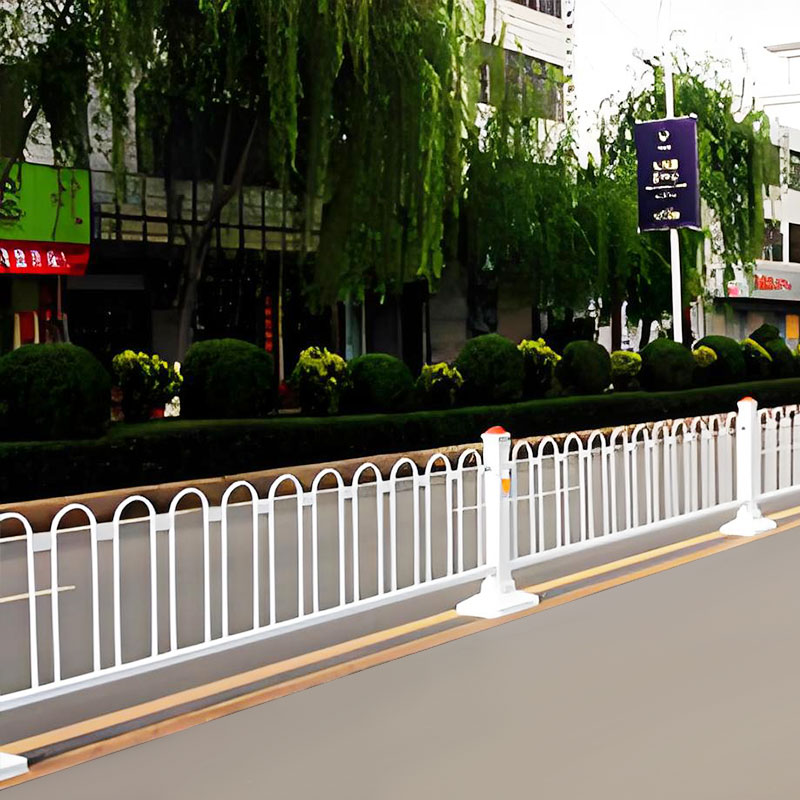
Beijing-style road guardrails are shaped like the letters N and U, so they are also called n-type iron fences and inverted U-shaped central fences. Th...
See Details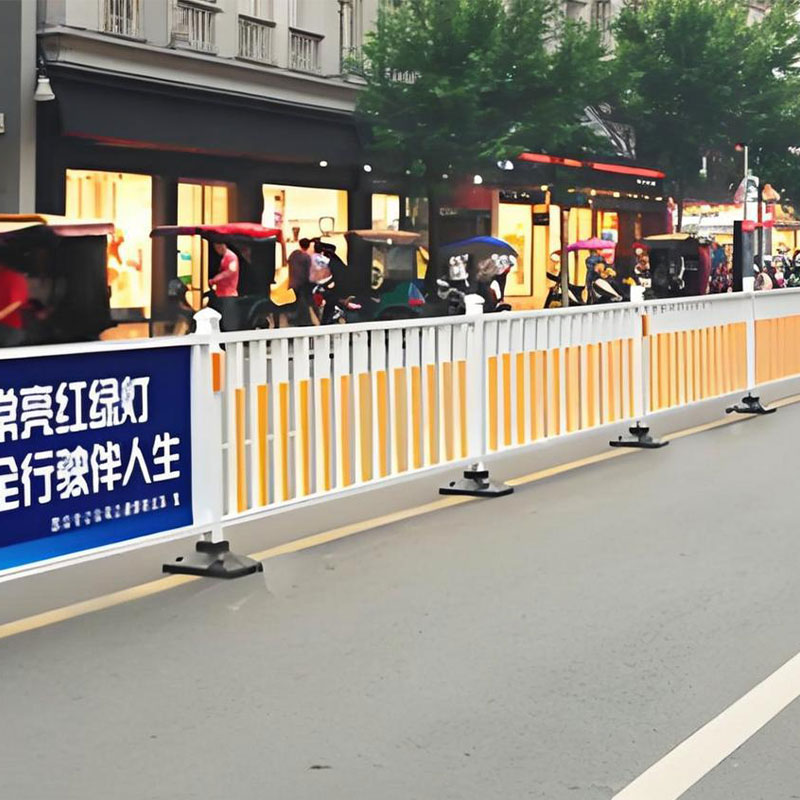
PVC road guardrail is a road isolation facility made of polyvinyl chloride (PVC) as the main material. It has the characteristics of light weight, cor...
See Details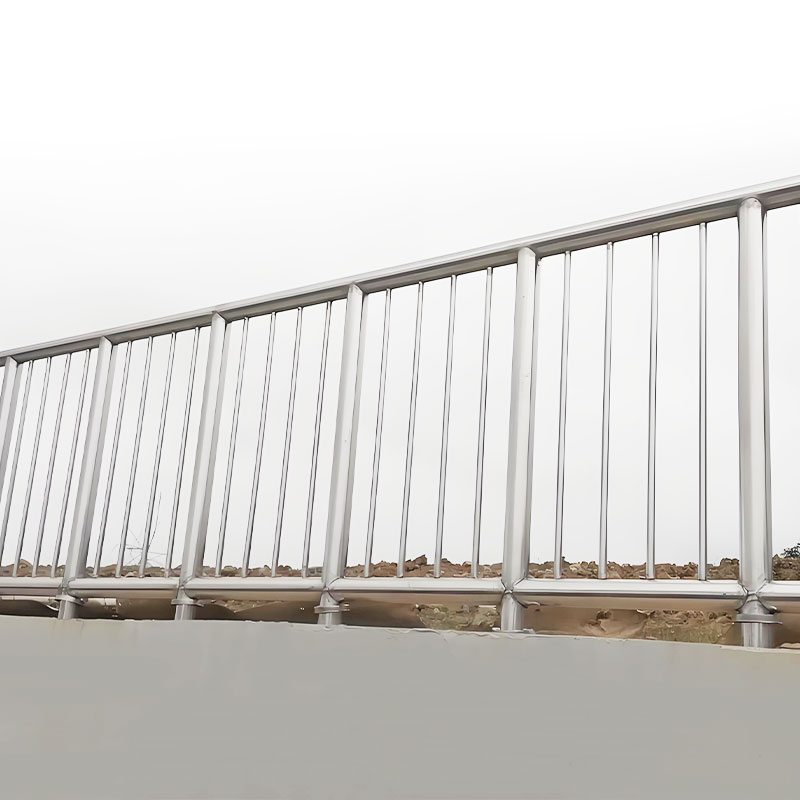
Stainless steel road guardrails are traffic isolation facilities made of stainless steel as the main material. With its excellent corrosion resistance...
See Details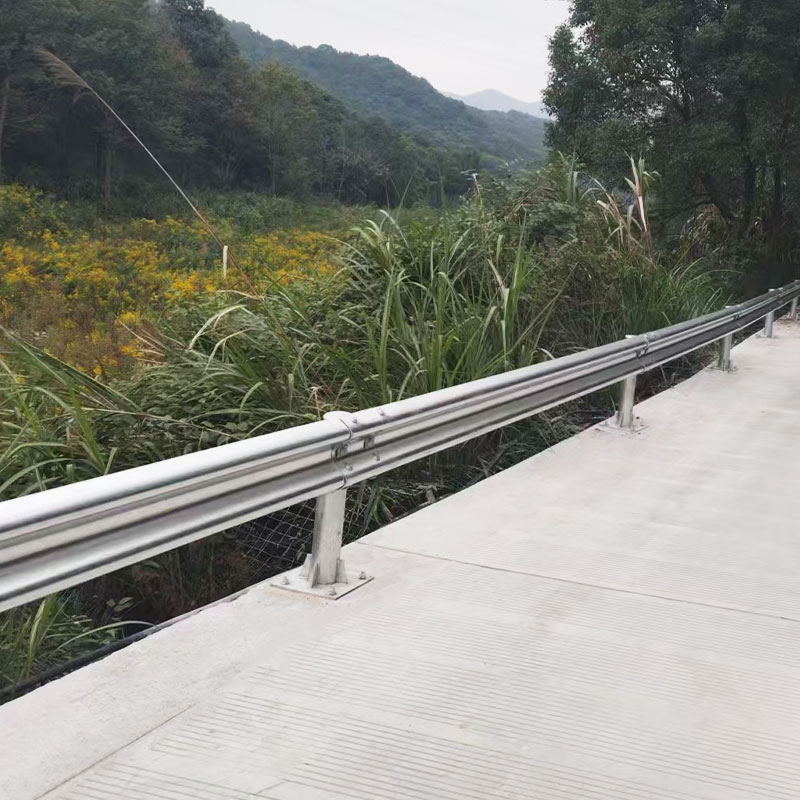
Galvanized corrugated guardrails are usually made of corrugated steel plates. After hot-dip galvanizing, they have good anti-rust performance and may ...
See Details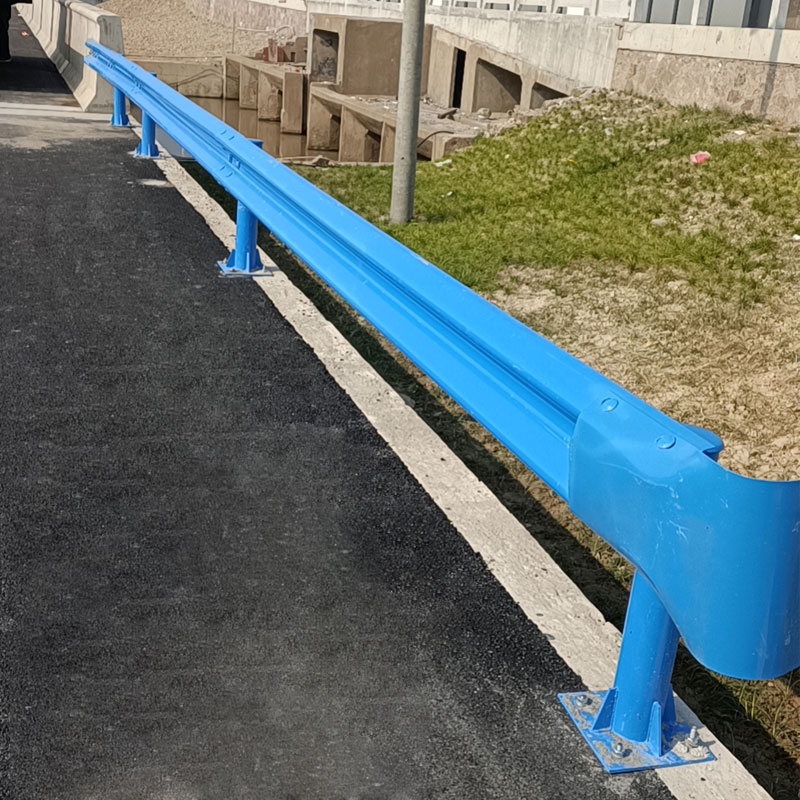
The spray-coated corrugated guardrail is an upgraded product based on the traditional corrugated guardrail, which is given high decorativeness and str...
See Details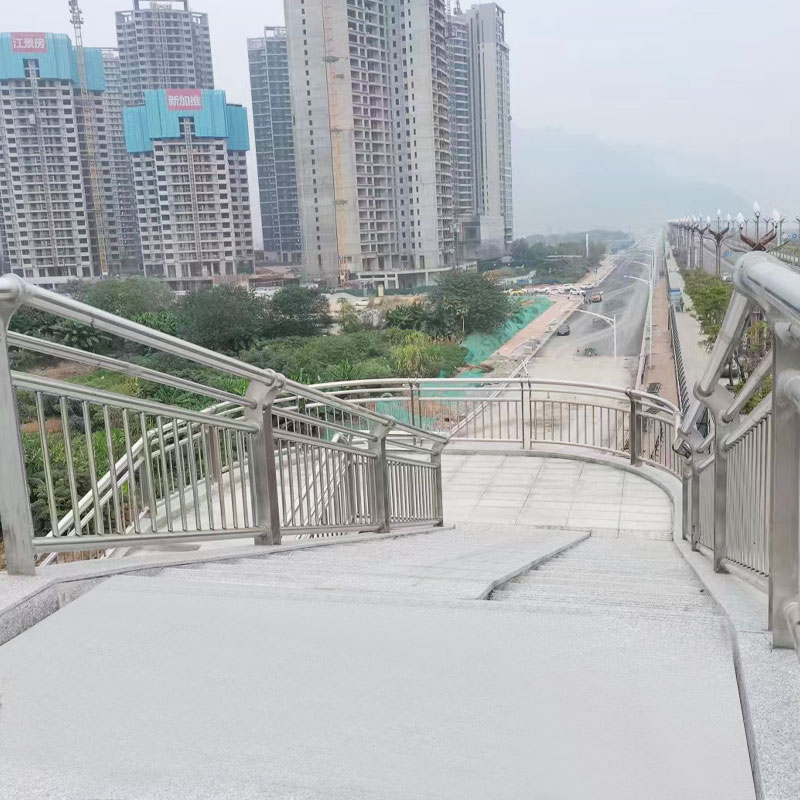
Stainless steel handrails are made of stainless steel materials and are mainly divided into handrails, columns, bases and other components. The struct...
See DetailsContact Us
Add:No. 577 Fuqiang Road, Panhuo Street, Yinzhou District, Ningbo City, Zhejiang Province
Email: [email protected]
Telephone: +86-18058271903
Phone: +86 0571-28284189

Zhenxuan Traffic Engineering Co., Ltd. is a large manufacturers of professional responsible for the design, production and sales of a series of guard rails, guard rails and high-speed soundproofing screens.
PRODUCT
case
 OEM/ODM Aluminum/Steel Guardrail Manufacturers
+86-18058271903