
 English
 Español
Ultimate Guide to Mesh Fencing: Types, Installation, and Maintenance
Mesh fencing is a type of fencing made from interconnected strands of metal, forming a grid or mesh pattern. This type of fence is widely applied across various sectors due to its durability and versatility. Common applications include residential garden fencing, agricultural fences to contain livestock, security fencing for commercial or industrial areas, and protective barriers around construction sites. Different types of mesh fencing, such as welded wire mesh, woven wire mesh, chain link fence, expanded metal mesh, and hardware cloth, provide options tailored to specific needs. Metal mesh fences, often made from galvanized steel fence or stainless steel fence, are particularly favored for their strength and long-term resilience, while PVC coated fence options provide added corrosion resistance and aesthetic appeal.
Mesh fencing offers several advantages that make it a popular choice for multiple applications. One primary benefit is security; the sturdy construction of metal mesh fences, such as galvanized steel fence or stainless steel fence, creates an effective barrier against unauthorized access. Mesh fencing also provides visibility, allowing property owners to monitor areas without obstruction while maintaining a defined boundary. Additionally, mesh fencing is generally cost-effective, especially in comparison with solid fencing alternatives. Materials like welded wire mesh and chain link fence combine durability with affordability, making them suitable for agricultural fences, livestock fences, and garden fence installations. The range of available mesh types, from woven wire mesh to expanded metal mesh, allows users to select a style that balances security, visibility, and budget considerations.
Mesh fencing comes in various forms to meet diverse functional requirements. Welded wire mesh consists of perpendicular wires welded at intersections, providing a strong, rigid structure suitable for security fence applications. Woven wire mesh is made by interlacing wires, offering flexibility while maintaining strength, which makes it ideal for agricultural fence and livestock fence purposes. Chain link fence is constructed from interwoven metal wires in a diamond pattern, commonly used for residential, commercial, and recreational boundaries. Expanded metal mesh is formed by cutting and stretching metal sheets, resulting in a diamond or hexagonal pattern that offers high strength and visibility. Hardware cloth, a finer mesh option, is often used in gardens to protect plants from small animals or pests. Each type of mesh fencing provides unique advantages depending on the intended use and environment.
The material composition and coatings of mesh fencing are critical factors in determining longevity and performance. Galvanized steel fence is widely used due to its corrosion resistance and ability to withstand harsh weather conditions, making it suitable for security fence, garden fence, and agricultural fence applications. Stainless steel fence offers additional resistance to rust and chemical exposure, ensuring long-term reliability. PVC coated fence provides a protective layer over metal mesh, improving durability while adding a visually appealing finish. The choice of materials and coatings allows mesh fencing to meet specific environmental conditions and user requirements, whether in livestock fence installations or security fence deployments.
Mesh fencing serves multiple sectors due to its versatility and adaptability. In residential settings, garden fence and decorative fencing provide property boundaries while maintaining visibility. In agricultural applications, woven wire mesh and galvanized steel fence are commonly used to create livestock fences, protecting animals while allowing airflow and visibility. Commercial and industrial areas frequently employ chain link fence or expanded metal mesh for security fence purposes, effectively restricting unauthorized access and safeguarding assets. Additionally, hardware cloth is used in horticulture and gardening to prevent damage from small animals. The combination of mesh types, materials, and coatings ensures that mesh fencing meets both functional and aesthetic requirements across various sectors.
The table below highlights the main characteristics of different mesh fencing types and their typical applications.
| Mesh Type | Material Options | Typical Applications | Key Advantages |
|---|---|---|---|
| Welded Wire Mesh | Galvanized Steel, Stainless Steel | Security fence, industrial boundaries | Rigid structure, strong and durable |
| Woven Wire Mesh | Galvanized Steel, PVC Coated | Agricultural fence, livestock fence | Flexible, strong, suitable for animal containment |
| Chain Link Fence | Galvanized Steel, PVC Coated | Residential, commercial, recreational | Cost-effective, easy to install, visible boundary |
| Expanded Metal Mesh | Galvanized Steel, Stainless Steel | Industrial security, barriers | High strength, visibility, and ventilation |
| Hardware Cloth | Galvanized Steel, PVC Coated | Garden protection, small animal barriers | Fine mesh, effective against small pests |
Welded wire mesh is a type of mesh fencing formed by welding horizontal and vertical metal wires at their intersections to create a rigid grid structure. Typically made from galvanized steel fence or stainless steel fence, welded wire mesh provides consistent strength and durability. Its secure construction makes it suitable for applications that require reliable barriers. Welded wire mesh is commonly used in garden fence installations, providing a defined boundary without obstructing visibility, and in animal enclosures where strength and containment are essential. The rigid nature of welded wire mesh contributes to its use in security fence settings, offering resistance to bending or intrusion while maintaining long-term stability.
Woven wire mesh is produced by interlacing metal wires over and under each other, resulting in a flexible yet strong mesh pattern. This type of wire mesh fence allows for some movement, which is advantageous when enclosing livestock or creating agricultural fence structures. The flexibility of woven wire mesh reduces the likelihood of breakage under pressure from animals or environmental conditions. Common applications include livestock fence and agricultural fence where durability and adaptability are important. Woven wire mesh can also be coated with PVC to enhance corrosion resistance, ensuring longevity in outdoor environments.
Chain link fence is constructed by weaving metal wires into a diamond-shaped pattern, forming a connected mesh that is both durable and cost-effective. This type of metal mesh fence is widely applied for security fence purposes in residential, commercial, and industrial areas. Chain link fencing provides a clear view through the fence while establishing a secure boundary, making it suitable for playgrounds, construction sites, and perimeter security. Materials such as galvanized steel fence or PVC coated fence enhance the resistance to rust and wear, ensuring long-term functionality. The combination of visibility, durability, and affordability makes chain link fence a common choice for multiple sectors.
Expanded metal mesh is made by cutting and stretching metal sheets, creating a pattern of diamond or hexagonal openings. This construction provides a strong, lightweight mesh that combines durability with visibility. Expanded metal mesh is often used in security fence applications where strength and deterrence are critical. Additionally, it can be employed in architectural applications for facades, partitions, and decorative panels, offering both functional and aesthetic value. The use of stainless steel fence or galvanized steel fence ensures resistance to corrosion and structural integrity, making expanded metal mesh suitable for long-term outdoor installations.
Hardware cloth is a fine mesh made from thin metal wires, typically arranged in a small grid pattern. This type of mesh fencing is versatile and can serve multiple purposes, including garden protection, pest control, and small animal enclosures. Hardware cloth is commonly used in agricultural fence setups to prevent intrusion from rodents and other pests while maintaining airflow and light penetration. Galvanized steel fence or PVC coated fence options provide additional resistance to corrosion, extending the material’s lifespan. Its fine mesh pattern and flexibility make hardware cloth a practical choice for situations requiring detailed containment or protective applications.
The table below summarizes the main characteristics, materials, and applications of different types of mesh fencing.
| Mesh Type | Material Options | Typical Applications | Key Advantages |
|---|---|---|---|
| Welded Wire Mesh | Galvanized Steel, Stainless Steel | Garden fence, animal enclosures, security fence | Rigid, strong, long-term durability |
| Woven Wire Mesh | Galvanized Steel, PVC Coated | Agricultural fence, livestock fence | Flexible, resilient, suitable for animal containment |
| Chain Link Fence | Galvanized Steel, PVC Coated | Residential, commercial, industrial security fence | Durable, cost-effective, allows visibility |
| Expanded Metal Mesh | Galvanized Steel, Stainless Steel | Security fence, architectural applications | Strong, lightweight, visually open pattern |
| Hardware Cloth | Galvanized Steel, PVC Coated | Garden protection, pest control, small animal enclosures | Fine mesh, versatile, corrosion-resistant |
The selection of materials plays a crucial role in the performance and longevity of mesh fencing. Galvanized steel fence provides effective protection against rust and is suitable for outdoor installations, including garden fence, agricultural fence, and security fence projects. Stainless steel fence offers additional strength and chemical resistance, making it ideal for high-stress applications or corrosive environments. PVC coated fence adds a protective and aesthetic layer to wire mesh fences, extending their usable life and maintaining visual appeal. The appropriate combination of mesh type and material ensures that each fencing solution meets specific functional and environmental requirements.
Mesh fencing is applied across a variety of sectors due to its adaptability. In residential settings, welded wire mesh and chain link fence are commonly used for garden fence and property boundaries. In agricultural applications, woven wire mesh and hardware cloth provide effective solutions for livestock fence and pest protection. Commercial and industrial areas often employ expanded metal mesh and chain link fence as security fence solutions, combining strength with visibility. The diverse range of mesh types, materials, and coatings allows mesh fencing to address functional, safety, and aesthetic considerations across all intended applications.
Before starting the installation of a mesh fence, proper planning and preparation are essential to ensure a stable and long-lasting setup. Begin by measuring the area where the fence will be installed and marking the fence lines accurately. This step helps in determining the number of posts and the amount of mesh fencing material needed. Consider the terrain and any obstacles that may require adjustments to the layout. Selecting the right posts and materials is also important. For garden fence or agricultural fence applications, galvanized steel fence or PVC coated fence posts are commonly used for their durability and resistance to corrosion. For security fence installations, stainless steel fence posts may be preferable due to their higher strength and resilience. Accurate planning and preparation provide the foundation for a smooth installation process and ensure that the mesh fence aligns correctly with the intended boundaries.
The stability of a mesh fence largely depends on the correct installation of posts. Begin by digging post holes to the appropriate depth, usually about one-third of the post length, to provide sufficient support. Spacing between posts should correspond to the type of mesh fencing being used; for example, chain link fence or welded wire mesh may require closer spacing for added stability. Ensure that posts are aligned correctly along the marked fence lines, using a level to verify vertical alignment. Pouring concrete into the post holes can enhance stability, particularly for taller fences or areas subject to strong winds. Allow the concrete to set properly before attaching the mesh to prevent movement that could compromise the fence's integrity. Proper post installation ensures that the wire mesh fence maintains its shape and provides consistent support over time.
Once the posts are securely in place, the next step is attaching the mesh fencing. Depending on the type of mesh fence, such as welded wire mesh, woven wire mesh, chain link fence, expanded metal mesh, or hardware cloth, different fasteners may be used. Clips, wire ties, or specialized fasteners are commonly employed to secure the mesh to the posts. Start at one end and work methodically to maintain proper tension along the length of the fence, ensuring the mesh is straight and evenly aligned with the posts. PVC coated fence or galvanized steel fence mesh may require careful handling to prevent deformation or scratches during attachment. Properly tensioned mesh enhances both the visual appeal and the functional performance of the fence, preventing sagging and maintaining security or containment capabilities.
Safety should be a priority throughout the mesh fencing installation process. Wearing protective gear, such as gloves and eyewear, can prevent injuries from sharp edges on metal mesh fence materials or accidental contact with tools. Handle tools such as hammers, pliers, and wire cutters with care, following recommended procedures to reduce the risk of accidents. When working with concrete for post installation, avoid direct skin contact and ensure proper ventilation if using chemical additives. Adhering to safety precautions not only protects installers but also contributes to a smoother and more efficient installation process.
Selecting the appropriate mesh fencing material is critical for achieving desired functionality and durability. Welded wire mesh provides rigidity suitable for garden fence and livestock fence applications. Woven wire mesh offers flexibility for agricultural fencing, while chain link fence combines cost-effectiveness with visibility and security. Expanded metal mesh adds strength and decorative appeal, making it suitable for security fence and architectural uses. Hardware cloth is ideal for finer applications, such as pest control or small animal enclosures. Choosing between galvanized steel fence, stainless steel fence, or PVC coated fence ensures the fence withstands environmental conditions and maintains structural integrity over time.
Mesh fencing can be applied across a variety of settings. Garden fence installations benefit from welded wire mesh or hardware cloth to protect plants from animals and define property boundaries. Agricultural fence and livestock fence setups often utilize woven wire mesh or galvanized steel fence for durability and containment. Security fence installations in residential, commercial, or industrial areas frequently employ chain link fence or expanded metal mesh for a combination of strength and visibility. The proper installation method, material selection, and tensioning of the mesh ensure that each fence meets the specific functional requirements of its environment.
| Mesh Type | Recommended Post Material | Attachment Method | Key Installation Tips |
|---|---|---|---|
| Welded Wire Mesh | Galvanized Steel, PVC Coated | Clips, Wire Ties | Ensure proper tension and straight alignment; use concrete for post stability |
| Woven Wire Mesh | Galvanized Steel, PVC Coated | Wire Ties | Maintain flexibility and even tension; adjust for uneven terrain |
| Chain Link Fence | Galvanized Steel, PVC Coated | Specialized Clips and Tension Bands | Use consistent spacing; secure top and bottom rails for stability |
| Expanded Metal Mesh | Stainless Steel, Galvanized Steel | Clips or Fasteners | Handle carefully to prevent bending; ensure alignment with posts |
| Hardware Cloth | Galvanized Steel, PVC Coated | Wire Ties, Staples | Use fine tension; suitable for small-scale or protective fencing |
After installation, regular inspection and maintenance help prolong the life of a mesh fence. Check for loose fasteners, sagging mesh, or post movement periodically. For galvanized steel fence or PVC coated fence, ensure coatings remain intact to prevent corrosion. Stainless steel fence requires minimal maintenance but should be cleaned to remove debris that could affect long-term performance. Proper care ensures the mesh fencing continues to serve its intended function, whether for garden fence, agricultural fence, livestock fence, or security fence applications.
Regular inspections are a critical component of maintaining any type of mesh fence. Conducting systematic checks allows for early detection of damage, rust, or loose connections that may compromise the functionality and durability of the fence. For welded wire mesh and woven wire mesh, it is important to examine each panel for signs of wear, bending, or corrosion. Chain link fence and expanded metal mesh require inspection of tension and alignment, as misaligned sections can affect both security and appearance. Hardware cloth installations should be checked for tears or gaps that could allow pests to pass through. Pay particular attention to the posts, whether galvanized steel fence, stainless steel fence, or PVC coated fence, ensuring that they remain securely anchored and free from corrosion or movement. Regular inspections prevent minor issues from escalating into larger problems and ensure that the fence continues to perform effectively as a garden fence, security fence, agricultural fence, or livestock fence.
Cleaning is an essential maintenance task for all types of mesh fencing. Washing the fence with mild soap and water removes accumulated dirt, dust, and debris, helping to maintain the aesthetic appearance and prevent corrosion. For galvanized steel fence or stainless steel fence, rinsing after washing removes any residue that may accelerate rusting or surface degradation. PVC coated fence should be cleaned carefully to avoid scratching or damaging the protective coating. In addition to washing, removing vegetation, such as climbing plants or grass that grows near the base of the fence, prevents moisture retention that can lead to rust or damage. Regular cleaning extends the lifespan of the mesh fence while preserving its visual appeal for residential, commercial, or agricultural settings.
Prompt repair of damaged sections is essential to maintain the integrity of mesh fencing. For welded wire mesh and woven wire mesh, replace bent or broken panels to ensure consistent strength and security. Chain link fence repairs may include tightening tension bands or replacing damaged links to maintain proper alignment. Expanded metal mesh and hardware cloth may require careful cutting and reattachment of sections using appropriate fasteners. Applying rust-resistant coatings to metal surfaces, such as galvanized steel fence or stainless steel fence, helps protect against further corrosion. Ensuring fasteners and clips are secure reduces the risk of panels becoming loose. Timely repairs not only enhance the fence's performance but also prevent safety hazards, particularly in livestock fence or security fence applications.
Vegetation control is a crucial aspect of mesh fence maintenance. Regularly trimming plants, shrubs, and grass around the fence prevents overgrowth that can exert pressure on the structure, causing bending or warping of welded wire mesh, chain link fence, or hardware cloth. Vegetation that grows through the mesh can retain moisture, accelerating corrosion on galvanized steel fence or stainless steel fence posts. In agricultural fence or garden fence applications, maintaining a clear area around the base of the fence ensures that livestock or garden plants do not interfere with the integrity of the fencing. Effective vegetation control supports both the durability and visual appeal of the fence while reducing the risk of damage over time.
Different mesh fencing materials require tailored maintenance approaches. Welded wire mesh benefits from regular inspection of weld points and periodic cleaning to prevent rust. Woven wire mesh requires monitoring of tension and joint stability. Chain link fence should have its tension maintained and posts checked for vertical alignment. Expanded metal mesh installations should be inspected for bending or deformation, particularly in high-traffic areas. Hardware cloth, with its finer mesh, may need more frequent checks for holes or gaps. Galvanized steel fence benefits from the application of protective coatings or paint if the surface becomes exposed. Stainless steel fence typically requires minimal maintenance but should be cleaned to remove debris that could scratch or dull the surface. PVC coated fence should be monitored for scratches or peeling to ensure that the protective layer remains intact. Tailoring maintenance to the specific material ensures optimal performance and longevity across different fence applications.
Establishing a maintenance schedule helps in organizing inspections, cleaning, and repairs for mesh fencing. For residential garden fence installations, inspections and cleaning may be performed quarterly, with minor repairs addressed as needed. Agricultural fence and livestock fence applications benefit from monthly inspections due to increased exposure to environmental stress and interaction with animals. Security fence installations, particularly in commercial or industrial settings, require frequent checks, possibly monthly or even bi-weekly, to ensure that no sections are compromised. Maintenance tasks can be documented in a log to track repairs, cleaning, and inspections, which is particularly useful for managing large or multi-section mesh fencing systems. A structured maintenance schedule ensures that mesh fencing remains effective in providing security, containment, or garden protection.
| Mesh Type | Inspection Focus | Cleaning Method | Repair Considerations | Vegetation Control |
|---|---|---|---|---|
| Welded Wire Mesh | Weld points, panel alignment, rust | Soap and water, rinse thoroughly | Replace bent panels, secure fasteners | Trim surrounding plants, prevent overgrowth |
| Woven Wire Mesh | Tension, joint stability, corrosion | Wash with mild detergent, remove debris | Adjust tension, replace damaged wires | Maintain clear area around base |
| Chain Link Fence | Link integrity, post alignment, rust | Spray clean, remove vegetation | Tighten tension bands, replace damaged links | Trim climbing plants, clear undergrowth |
| Expanded Metal Mesh | Bends, deformation, surface corrosion | Wash surface, clear debris | Replace bent sections, apply protective coating | Prevent vegetation from entangling mesh |
| Hardware Cloth | Holes, gaps, rust spots | Soap and water, fine brush cleaning | Patch small holes, replace sections if necessary | Clear grass and small plants |
Long-term care of mesh fencing involves anticipating potential stressors and addressing them proactively. In areas with high rainfall or humidity, galvanized steel fence or PVC coated fence may require additional rust prevention treatments. Stainless steel fence typically withstands environmental factors better but should still be checked for surface scratches that can accumulate dirt or corrosion over time. Regular maintenance of tension and alignment for chain link fence or woven wire mesh ensures that the fence maintains its security and containment function. Proper long-term care reduces the need for extensive repairs and prolongs the life of the fencing across garden fence, security fence, agricultural fence, and livestock fence applications.
Investing time and resources into regular maintenance of mesh fencing is cost-effective in the long run. Preventive care such as inspections, cleaning, and vegetation control helps avoid significant repairs or full replacement of sections, which can be more expensive. Timely attention to rust, bent panels, and loose connections ensures that the fence continues to perform its intended function without compromising security or containment. Maintenance also preserves the appearance of the fence, which is especially relevant for residential garden fence and commercial security fence applications. Overall, regular maintenance balances the upfront investment in materials and installation with reduced costs and effort over the fence's lifetime.
Mesh fencing offers significant advantages in terms of visibility, which is a crucial factor for effective security. The open structure of wire mesh fence and metal mesh fence allows for clear lines of sight across both residential and commercial properties. This visibility is especially beneficial for security fence applications, as it enables property owners, security personnel, and monitoring systems to easily detect any unusual activity near the perimeter. Welded wire mesh and chain link fence, whether constructed from galvanized steel fence, stainless steel fence, or PVC coated fence, provide unobstructed views while maintaining strength and stability. Expanded metal mesh, although denser, can still allow monitoring from certain angles while offering additional protection. Visibility through mesh fencing also benefits agricultural fence and livestock fence setups, enabling farm owners to oversee livestock or crop areas without obstruction. Clear visibility reduces blind spots, increases situational awareness, and facilitates quicker response in case of security breaches.
Mesh fencing acts as a physical deterrent to intruders due to its strength and presence. A well-installed welded wire mesh, chain link fence, or expanded metal mesh serves as a noticeable barrier that discourages unauthorized access. The robust construction of galvanized steel fence or stainless steel fence enhances this deterrent effect by presenting a structure that is difficult to cut or climb without specialized tools. Even PVC coated fence, while offering aesthetic appeal, maintains sufficient resistance to prevent easy penetration. Woven wire mesh, commonly used in agricultural and livestock fence applications, can also function as a deterrent against both human intruders and animals. The psychological effect of a visible and sturdy barrier discourages attempts at trespassing and reduces the likelihood of vandalism. Combining visibility with deterrence ensures that potential intruders recognize the difficulty of bypassing the fencing before attempting to breach it.
Mesh fencing offers flexibility in adding security features that enhance protection levels. Razor wire or barbed wire can be installed along the top of chain link fence, welded wire mesh, or expanded metal mesh to further prevent climbing. Alarms and motion sensors can be integrated with metal mesh fence or wire mesh fence to alert property owners or security personnel of unauthorized entry. PVC coated fence and stainless steel fence can be customized with electronic locks, gates, or surveillance cameras, creating a layered security system. In residential garden fence applications, customization may include adding lighting or decorative elements without compromising security. Agricultural fence and livestock fence setups can incorporate gates with locking mechanisms to control access while maintaining visibility. These customization options allow mesh fencing to meet specific security requirements while remaining versatile for various applications.
| Mesh Type | Visibility | Deterrence | Customization Options |
|---|---|---|---|
| Welded Wire Mesh | Clear line of sight for monitoring | Strong barrier against intrusion | Razor wire, alarms, gates |
| Woven Wire Mesh | Moderate visibility, suitable for farms | Discourages entry of humans and animals | Gates, locking mechanisms |
| Chain Link Fence | High visibility, unobstructed | Physical deterrent to trespassers | Razor wire, surveillance cameras, gates |
| Expanded Metal Mesh | Limited visibility, dense structure | High resistance to cutting and climbing | Alarms, electronic locks, top barriers |
| Hardware Cloth | Good visibility, fine mesh for small animals | Deters small pests and intruders | Pest control integration, garden protection |
Mesh fencing can be effectively integrated with surveillance systems to enhance security. Wire mesh fence, chain link fence, and welded wire mesh installations provide the framework to mount cameras, motion detectors, and lighting. Galvanized steel fence and stainless steel fence offer durability and stability for supporting these devices over time. PVC coated fence can be combined with monitoring systems for both residential and commercial properties. Surveillance integration allows for real-time monitoring of the perimeter and automated alerts in case of suspicious activity. In agricultural fence and livestock fence scenarios, cameras and sensors can help monitor large areas efficiently, reducing the need for constant physical supervision while maintaining security.
Mesh fencing is suitable for various environmental conditions, which contributes to its security benefits. Galvanized steel fence and PVC coated fence are resistant to rust and corrosion, making them reliable in areas with high humidity or rainfall. Stainless steel fence offers long-term durability in coastal or industrial environments. Woven wire mesh and welded wire mesh maintain their strength under temperature fluctuations, ensuring consistent security throughout seasonal changes. Expanded metal mesh resists deformation and maintains its protective properties even under high-impact conditions. The ability of mesh fencing to adapt to environmental conditions ensures that security features remain effective over time, whether for residential, commercial, agricultural, or livestock applications.
Proper maintenance enhances the security benefits of mesh fencing. Regular inspections, cleaning, and prompt repairs ensure that welded wire mesh, chain link fence, and expanded metal mesh remain robust and reliable. Galvanized steel fence, stainless steel fence, and PVC coated fence require minimal but consistent maintenance to prevent rust, corrosion, or surface damage. Maintaining the integrity of the mesh, posts, and fasteners prevents vulnerabilities that intruders could exploit. For garden fence, security fence, agricultural fence, and livestock fence applications, a well-maintained fence sustains its visibility, deterrence, and customization capabilities over an extended period. Longevity is closely tied to regular upkeep, ensuring continuous security performance.
Investing in mesh fencing for security purposes offers long-term cost benefits. Welded wire mesh, chain link fence, and expanded metal mesh provide durable barriers that reduce the likelihood of unauthorized access and potential damage. PVC coated fence and galvanized steel fence offer protection against rust and environmental degradation, minimizing replacement costs. Regular maintenance and the ability to customize security features, such as alarms, cameras, and razor wire, enhance effectiveness without requiring frequent replacements. In agricultural fence and livestock fence contexts, strong and visible fencing reduces losses due to animal escape or theft. Overall, the combination of visibility, deterrence, and adaptability makes mesh fencing a cost-effective solution for long-term security management.
Security mesh fencing is versatile and can be applied across a variety of environments. Residential properties benefit from chain link fence and welded wire mesh that provide unobstructed visibility while protecting the home perimeter. Commercial and industrial properties often use expanded metal mesh or stainless steel fence for high-security requirements. Agricultural fencing, using woven wire mesh or galvanized steel fence, helps contain livestock while deterring wildlife or intruders. Garden fence applications may combine hardware cloth with security enhancements to protect plants and small animals. By selecting the appropriate mesh type and incorporating visibility, deterrence, and customization measures, property owners can achieve a balanced approach to security while maintaining aesthetic and functional performance.
Mesh fencing, which includes wire mesh fence, metal mesh fence, welded wire mesh, woven wire mesh, chain link fence, expanded metal mesh, and hardware cloth, is widely used for residential, commercial, and agricultural purposes. Its benefits include strong security, clear visibility, and adaptability to various environments. Galvanized steel fence, stainless steel fence, and PVC coated fence variants offer enhanced resistance to rust and corrosion, making mesh fencing suitable for both indoor and outdoor applications. Garden fence, security fence, agricultural fence, and livestock fence installations rely on mesh fencing for both protection and monitoring capabilities, while maintaining cost-effective solutions compared to some alternative fencing materials.
Wood fencing is often chosen for its traditional appearance and aesthetic appeal. Compared to mesh fencing, wood fences typically have higher initial costs, especially for high-quality hardwoods. While wood fencing provides privacy and a solid barrier, it requires regular maintenance such as painting, staining, and treatment against rot, insects, and weather damage. In contrast, welded wire mesh, woven wire mesh, and chain link fence installations need minimal upkeep and maintain structural integrity over time. Mesh fencing, including PVC coated fence and galvanized steel fence, offers durability and long-term performance without the frequent maintenance wood fences require. For agricultural fence and livestock fence use, wood fencing can serve its purpose but is generally more vulnerable to damage from animals and environmental factors compared to metal mesh fence or wire mesh fence solutions.
Vinyl fencing is a synthetic option known for its low maintenance and resistance to moisture, rot, and insects. While vinyl can offer appealing aesthetics and a variety of colors, it tends to have higher material costs than standard mesh fencing. Additionally, vinyl fencing can be less sturdy than galvanized steel fence or stainless steel fence when exposed to strong winds, impacts, or heavy animals in agricultural fence applications. Mesh fencing, such as chain link fence or welded wire mesh, provides strong structural support and security features while still allowing for visibility. PVC coated fence combines the low-maintenance advantage of vinyl with the strength of metal mesh, offering a balance between appearance and functionality. For garden fence and livestock fence setups, mesh fencing provides a more durable and secure option compared to vinyl alternatives.
Metal fencing encompasses a range of options, including traditional wrought iron, aluminum, and steel fences. Metal fences provide excellent security and durability but often come with higher installation costs and may require periodic treatment to prevent rust, depending on the type of metal used. Mesh fencing, including galvanized steel fence, stainless steel fence, and PVC coated fence, delivers similar strength and security advantages while generally offering lower installation costs and simpler maintenance. Expanded metal mesh and welded wire mesh can be tailored for specific applications, such as security fence, garden fence, or agricultural fence, without the need for additional heavy fabrication. Wire mesh fence and hardware cloth provide fine mesh options suitable for pest control or small animal containment, demonstrating the versatility of mesh fencing compared to conventional metal fences.
| Fencing Type | Cost | Durability | Maintenance | Security | Visibility |
|---|---|---|---|---|---|
| Welded Wire Mesh / Chain Link Fence | Moderate | High, resistant to rust with galvanized or stainless steel | Low, occasional inspection and cleaning | High, deters intruders and animals | Clear |
| Wood Fence | Moderate to High | Moderate, susceptible to rot and pests | High, requires staining or painting | Moderate, solid barrier but climbable | Low, blocks view |
| Vinyl Fence | High | Moderate to High, resists moisture but less impact-resistant | Low, generally maintenance-free | Moderate, solid panels without deterrence features | Low, blocks view |
| Metal Fencing (Iron, Steel) | High | High, may require rust treatment | Moderate, periodic rust prevention | High, strong and durable | Variable, depending on design |
When selecting a fencing type, it is important to consider the intended use, environmental conditions, and long-term maintenance. Mesh fencing, including wire mesh fence, metal mesh fence, and hardware cloth, offers flexible solutions for multiple applications. Galvanized steel fence, stainless steel fence, and PVC coated fence variants provide resistance against weathering and corrosion, extending the lifespan of the fence. For garden fence applications, mesh fencing allows for visibility while protecting plants. Security fence and livestock fence setups benefit from the strength and deterrent properties of welded wire mesh and chain link fence. Agricultural fence installations using woven wire mesh provide containment for animals while maintaining accessibility for monitoring. Compared to wood, vinyl, and traditional metal fences, mesh fencing offers a balance of cost-effectiveness, durability, low maintenance, and adaptability to different environments.
Mesh fencing is often considered a long-term investment due to its durability and minimal upkeep requirements. While initial installation costs for galvanized steel fence, stainless steel fence, or PVC coated fence may vary depending on mesh type and height, the overall lifespan and performance often outweigh expenses associated with frequent repairs or replacements required by wood or vinyl fences. Expanded metal mesh and hardware cloth options add flexibility for specialized needs, such as high-security areas or fine pest control. Wire mesh fence and metal mesh fence designs can be easily adapted to additional features, including gates, surveillance mounting, and deterrent installations. These advantages make mesh fencing a reliable option for both personal and commercial projects where long-term security, visibility, and maintenance considerations are important.
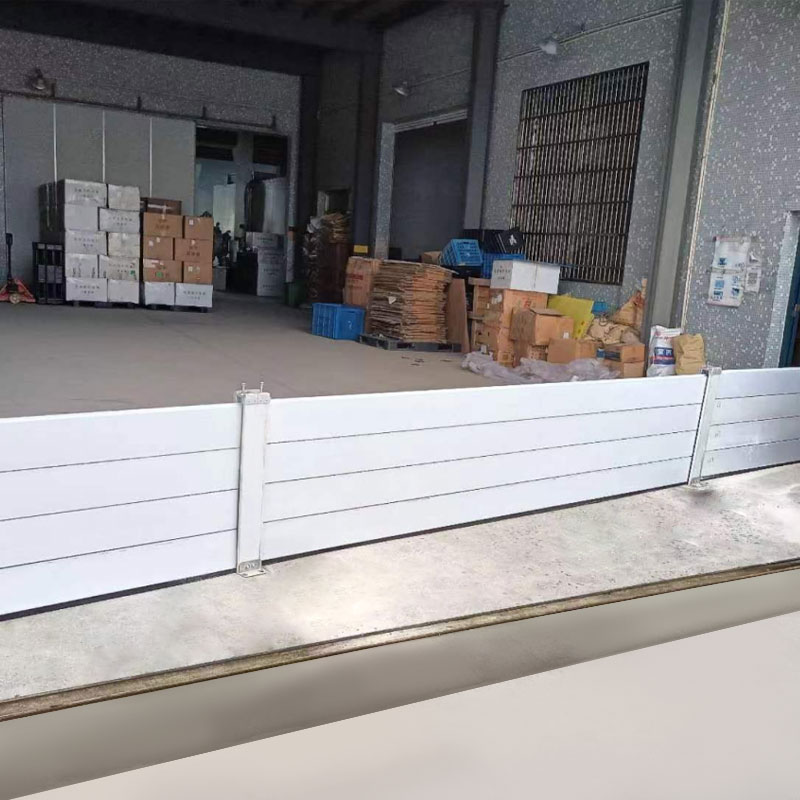
Flood control panels for workshops and factories are important protective equipment used to prevent floods or large amounts of water from invading wor...
See Details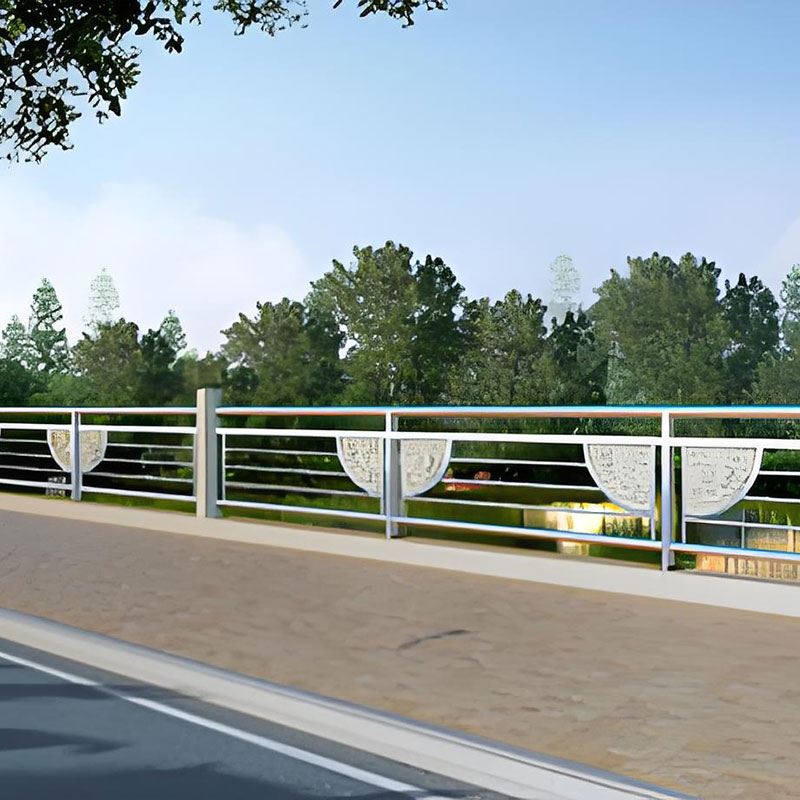
Imitation stone bridge guardrail is a kind of bridge guardrail that simulates the texture and feel of natural stone through modern technology. It is m...
See Details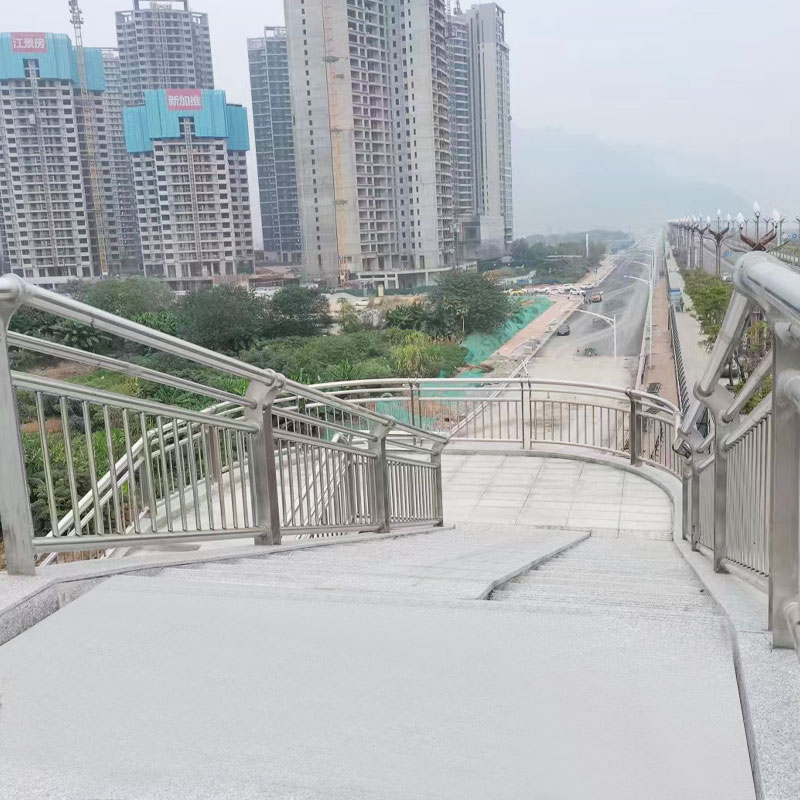
Stainless steel handrails are made of stainless steel materials and are mainly divided into handrails, columns, bases and other components. The struct...
See Details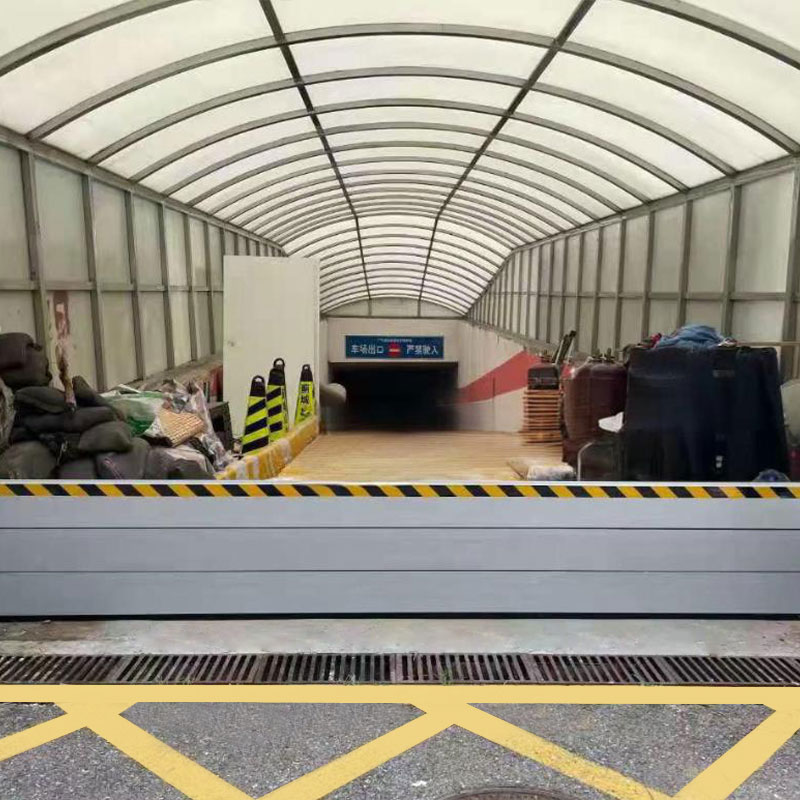
The entrance and exit water retaining plate, also known as water blocking plate, waterproof plate, rain shield, flood control plate, water-proof plate...
See Details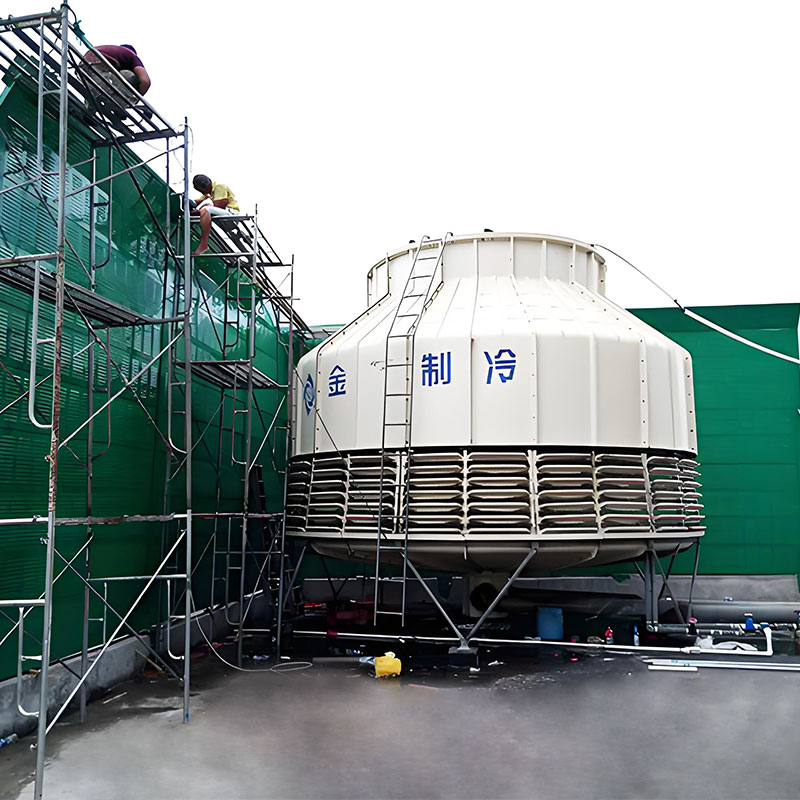
A cooling tower sound barrier is a device that blocks, absorbs or reflects sound waves by physical means, thereby reducing the impact of cooling tower...
See DetailsContact Us
Add:No. 577 Fuqiang Road, Panhuo Street, Yinzhou District, Ningbo City, Zhejiang Province
Email: [email protected]
Telephone: +86-18058271903
Phone: +86 0571-28284189

Zhenxuan Traffic Engineering Co., Ltd. is a large manufacturers of professional responsible for the design, production and sales of a series of guard rails, guard rails and high-speed soundproofing screens.
PRODUCT
case
 OEM/ODM Aluminum/Steel Guardrail Manufacturers
+86-18058271903