
 English
 Español
Maximize Your Workshop Space: A Comprehensive Guide to Mesh Fencing
When it comes to maintaining an efficient and safe workshop, organization and security are key. One solution that has gained popularity for both DIY enthusiasts and industrial spaces is the workshop mesh fence. This practical addition to your workspace not only helps keep tools and equipment secure but also plays a vital role in improving safety and optimizing the layout of the workshop.
Whether you're setting up a new workspace or looking to enhance your existing setup, mesh fencing is a versatile and cost-effective way to take control of your environment. The benefits of using mesh fencing in a workshop are numerous – from keeping workers safe by preventing access to dangerous machinery, to creating designated storage areas for tools and materials. By installing mesh fencing, you can transform your workshop into a more organized, efficient, and secure environment.
A workshop mesh fence is a type of barrier made from wire mesh that is used to organize, secure, and protect areas within a workshop or industrial setting. Unlike traditional solid barriers or walls, mesh fencing provides visibility while maintaining separation between work zones, machinery, tools, and personnel. Its open design allows for ventilation and light flow, which is a crucial consideration in many work environments, particularly those involving heavy machinery or equipment that generates heat.
These fences are an essential tool in enhancing both workshop safety and workshop organization. By creating clear boundaries, they help reduce the risk of accidents, theft, and damage to valuable equipment. Mesh fencing also serves as an effective way to define specific areas within a workshop—whether for material storage, machinery, or administrative space—keeping everything neatly organized and easy to access.
The strength and durability of a workshop mesh fence depend largely on the materials used. The most common materials are steel and wire mesh, each offering different benefits depending on the specific needs of the workshop.
The type of mesh fencing you choose for your workshop depends largely on the intended use, available space, and specific security or organizational needs. Here are the most common types of mesh fencing used in workshops:
Welded Wire Mesh: This type of mesh fencing is commonly used in workshops for both safety and security. It is made from thick steel wires welded together at the intersections to create a strong, rigid mesh grid. This design makes welded wire mesh ideal for securing high-risk areas, such as machinery, tools, or hazardous materials. The strength of welded wire mesh also helps prevent accidental contact with machinery, reducing the likelihood of workplace injuries.
Key Benefits of Welded Wire Mesh:
Woven Wire Mesh: Woven wire mesh is a more flexible option compared to welded wire mesh, as the individual wires are woven together rather than welded. This flexibility makes woven wire mesh a good choice for workshops where barriers are needed but the strength requirements are not as high. It’s often used to create tool storage areas, separate work zones, or workspace dividers.
Key Benefits of Woven Wire Mesh:
Expanded Metal Mesh: Expanded metal mesh is made from a single sheet of metal that has been slotted and stretched to form a mesh pattern. This type of mesh is more rigid and less prone to deformation, making it ideal for environments that require strong barriers or protection, such as machine guarding or securing high-traffic areas within the workshop.
Key Benefits of Expanded Metal Mesh:
Workshop mesh fencing is an essential investment that offers a wide array of benefits. Here are some key reasons why it's worth considering:
Safety First: One of the main reasons for installing mesh fencing in a workshop is to improve safety. Mesh fences help prevent accidents by creating clear barriers between workers and dangerous machinery or equipment. Whether it’s a DIY workshop or an industrial setting, ensuring that hazardous areas are clearly marked and accessible only to authorized personnel is vital for reducing accidents.
Organizational Efficiency: Another key advantage is the ability to organize a workshop more effectively. Mesh fences can be used to create designated areas for tools, materials, and workstations. This makes it easier to find and store items, which can significantly boost productivity and reduce clutter.
Enhanced Security: For workshops that house valuable tools, machinery, or equipment, mesh fences offer an added layer of protection against theft. By creating secure enclosures or restricting access to certain areas, you can reduce the risk of unauthorized entry and safeguard your workshop’s contents.
Durability and Maintenance: Mesh fences, especially those made from steel or galvanized wire, are durable and resistant to rust and corrosion. Many types of mesh fences are designed to withstand the harsh conditions found in workshops, including exposure to chemicals, moisture, and physical wear. Regular cleaning and basic maintenance are all that’s needed to keep the fence in good condition, ensuring long-term performance.
Implementing a mesh fence in your workshop is not just about adding a physical barrier—it’s about enhancing the overall functionality, safety, and security of your workspace. Whether you’re managing a professional industrial workshop or setting up a home DIY space, mesh fencing provides several advantages that can help transform your work environment.
The most important benefit of installing mesh fencing in any workshop is safety. Workshops, especially those that deal with heavy machinery, hazardous materials, or intricate tools, can be high-risk environments. The use of mesh fencing helps reduce the chances of accidents and injuries by creating physical boundaries around dangerous areas.
Preventing Accidents Around Machinery: Mesh fencing is an excellent way to separate workers from hazardous machinery. For example, if you have large industrial equipment like saws, presses, or CNC machines in your workshop, mesh fencing can be installed around these areas to create a safety barrier. This prevents employees from accidentally walking into dangerous zones and protects them from flying debris or other risks associated with heavy machinery.
Protecting Workers from Hazardous Areas: In addition to machinery, workshops often contain hazardous materials or areas that are unsafe for workers. These could include areas with chemicals, high-voltage electrical equipment, or high-temperature zones. Mesh fencing ensures that these dangerous areas are securely isolated from the general workspace, providing workers with a clear understanding of where they should and shouldn’t go.
Securing Access to Dangerous Tools: For workshops that deal with sharp tools or equipment like welders, grinders, or drills, mesh fencing can prevent unauthorized access or accidental use. Workers or visitors who might not be familiar with the risks can be kept at a safe distance.
A well-organized workshop is not only safer but also more efficient. Mesh fencing offers a practical solution for dividing space and creating organized, dedicated areas for different tasks, materials, and tools.
Creating Designated Storage Areas: One of the biggest challenges in any workshop is keeping tools and materials in order. With mesh fencing, you can create designated storage zones that are clearly separated from workspaces. For example, you could use a mesh fence to create a storage area for raw materials or a section for finished products. This helps prevent clutter and makes it easier to find tools and materials when you need them.
Separating Different Work Zones: In a busy workshop, it’s important to have distinct zones for different tasks. Mesh fencing is perfect for dividing your space into various sections, such as a machining area, a welding zone, or a testing area. This separation not only helps with organization but also ensures that each area remains dedicated to its specific purpose, reducing distractions and potential errors.
Tool and Material Protection: Mesh fences can also help protect tools and materials from accidental damage. If you’re storing items in open shelves or bins, a simple mesh barrier can keep them contained and prevent them from being knocked over or misplaced. This ensures that your tools remain in good condition and ready for use when needed.
When it comes to workshop security, mesh fencing provides a crucial line of defense against theft and unauthorized access. Whether you have high-value equipment or just want to keep your workspace private, mesh fencing can help secure your workshop effectively.
Protecting Valuable Tools and Equipment: Workshops are home to a wide range of expensive tools, machinery, and equipment. Installing mesh fencing around high-value items, such as power tools, welding machines, and other equipment, can protect them from theft. Unlike traditional barriers that may require keys or electronic access, mesh fencing allows for visibility while still providing a deterrent to theft.
Restricting Access to Unauthorized Personnel: In larger workshops or industrial environments, restricting access to certain areas is critical for both safety and security. Mesh fencing can be used to limit access to specific zones, such as machinery rooms, storage areas, or tool cabinets. This helps ensure that only authorized personnel are allowed in sensitive areas, preventing unauthorized use or tampering.
Preventing Vandalism: In workshops located in public or high-traffic areas, vandalism can become a concern. Mesh fencing acts as a deterrent against such acts, as it is difficult to cut or damage without the proper tools. It also provides visibility, allowing supervisors or security personnel to monitor the area more easily.
Maximizing the use of available space in a workshop is essential for productivity and efficiency. Mesh fencing helps create a more organized layout that optimizes the available square footage, which can be a game-changer in smaller or crowded workspaces.
Optimizing the Workshop Layout: In many workshops, space is at a premium. Mesh fences help optimize the flow of the workspace by defining clear boundaries and separating work zones. This can help reduce congestion and improve workflow by ensuring that each area has a designated purpose. For instance, you can create more room for workbenches, storage, or machinery by placing mesh fencing around areas that don’t require frequent access.
Multi-functional Use of Space: In some cases, a workshop may need to serve multiple purposes. For example, a DIY workshop might be used for woodworking, metalworking, and general repairs. By installing mesh fencing, you can separate these different activities, making it easier to switch between them without cross-contamination of tools or materials. This also ensures that the specific needs of each activity—like power access, lighting, and ventilation—are properly accommodated.
Creating Additional Work Zones: If you’re looking to expand your workshop’s capabilities without taking up more floor space, mesh fencing can help. By installing mesh barriers, you can effectively create additional workstations within the same space. This is particularly useful for workshops that frequently need to change their layout or add new areas for temporary projects.
A major benefit of mesh fencing is its durability. Whether you’re using welded wire mesh, woven wire mesh, or expanded metal mesh, these materials are designed to withstand tough conditions, including wear and tear from machinery, tools, and the environment.
Rust and Corrosion Resistance: Most mesh fencing is made from galvanized or stainless steel, which provides excellent protection against rust and corrosion. This is particularly important in workshops where exposure to moisture, chemicals, and extreme temperatures is common. With minimal maintenance, mesh fences can last for years without deteriorating or needing frequent replacements.
Low Maintenance Needs: In addition to being durable, mesh fences are easy to maintain. Regular cleaning with water and a mild detergent is often enough to keep the fence looking like new. If a section becomes damaged, it can be quickly repaired or replaced without needing to replace the entire fence. This makes mesh fencing a cost-effective solution in the long run, as it doesn’t require expensive upkeep or frequent repairs.
When it comes to selecting the ideal mesh fence for your workshop, there are several factors to consider to ensure that it meets your specific needs. The type of mesh fence you choose will depend on the size of your workshop, the nature of your work, your security requirements, and how you intend to use the fence. From mesh size to material and height, each aspect plays a crucial role in determining the fence’s effectiveness and longevity.
The mesh size of the fence refers to the width and spacing between the individual wires that make up the mesh. The size you choose depends on the specific purpose of the fence and the types of items you plan to store or protect.
For Security: If security is your primary concern—particularly for protecting tools, machinery, or valuable equipment—you’ll need a mesh with smaller gaps. A fence with a mesh size of around 1 inch (2.5 cm) or less is ideal for preventing access to smaller items or deterring theft. Smaller mesh sizes also provide an additional layer of protection from unwanted intrusion.
For Organization: For workshops where the primary goal is organization, you may not need such a small mesh size. A slightly larger mesh size, such as 2 or 3 inches (5-7.5 cm), can work well for separating work zones or storing larger items. This allows for visibility and easy access to stored materials while still maintaining separation between different areas of the workshop.
For Airflow and Visibility: If you’re using mesh fencing to partition off areas without fully enclosing them, a larger mesh size may be appropriate. For example, in spaces that require good ventilation, such as woodworking or welding areas, opting for a larger mesh size allows for better airflow while still providing a secure and organized environment.
Key Consideration:
The material of the mesh fence you choose will have a significant impact on its strength, durability, and resistance to environmental factors. The most common materials used for mesh fencing in workshops are steel, stainless steel, and aluminum. Each material offers different benefits, so it’s important to weigh the pros and cons before making a decision.
Steel: Steel mesh fences are the most common and generally offer the best combination of strength and cost-effectiveness. Steel is robust, durable, and able to withstand physical impacts. It is also highly adaptable, meaning it can be used for a variety of workshop applications, from security to organization. However, steel can be prone to rust and corrosion if not properly coated or maintained, which is something to consider if your workshop is exposed to moisture.
Stainless Steel: For workshops exposed to moisture, chemicals, or harsh environments, stainless steel is a superior choice. Stainless steel mesh fences are corrosion-resistant, making them perfect for areas with high humidity or exposure to chemicals. While they are more expensive than regular steel, stainless steel fences offer superior longevity and performance, making them a solid investment for industrial workshops.
Aluminum: Aluminum mesh fencing is a lightweight, rust-resistant alternative to steel or stainless steel. While aluminum is not as strong as steel, it is still durable and can be a good option for workshops that require a fence with low weight or for areas that don’t need the highest level of security. It’s also a great option for DIY workshops or smaller spaces where heavy-duty fencing may not be necessary.
The height and length of the mesh fence will depend on your workshop’s layout and the areas you’re trying to secure or organize. It’s crucial to choose the right dimensions to ensure that the fence serves its intended purpose, whether that’s preventing access, protecting tools, or creating partitions within the workshop.
Height: The height of the fence will determine how effectively it can contain or separate areas. For security purposes, fences should be tall enough to prevent people from easily climbing over or accessing restricted areas. In most cases, a fence height of at least 6 feet (1.8 meters) is ideal for security, but if you need a stronger deterrent, you may want to go higher (up to 8 feet or 2.4 meters).
For workshop organization, the height of the fence is usually less critical, but it should be tall enough to keep larger items contained. For example, if you're creating a partition for tool storage or materials, a 4-6 feet (1.2-1.8 meters) fence height may be sufficient.
Length: The length of the mesh fence will depend on the area you need to cover. Measure the total perimeter or area where the fence will be installed, ensuring that the length accommodates the entire space you wish to enclose or divide. Keep in mind that you might need to account for future expansion or modifications to your workshop layout.
Key Consideration:
Durability is one of the most important factors when choosing a mesh fence for your workshop. A durable fence will withstand physical wear, exposure to environmental elements, and the demands of your workshop activities. Some aspects that affect the durability of a mesh fence include:
Before purchasing a mesh fence, consider how easy it will be to install. Some mesh fencing systems are designed for quick and easy installation with minimal tools, while others may require more complex assembly or professional installation. Here are some tips to keep in mind:
Installing a mesh fence in your workshop can seem like a daunting task, but with the right tools, materials, and a bit of preparation, it can be a straightforward process. Whether you're enclosing a small storage area or creating a large partition to separate work zones, this installation guide will take you through everything you need to know to successfully set up your mesh fence.
Before diving into the installation process, it’s important to plan and prepare the space where the fence will be installed. Good planning will ensure that the fence fits your workshop layout perfectly and that the installation goes smoothly.
Step 1: Measure the Area
Start by accurately measuring the area where you want to install the mesh fence. You will need to know the length and height of the fence to purchase the correct amount of materials. Take into account any obstacles or irregularities in the space, such as walls, windows, or machinery, that could affect the placement of the fence.
Step 2: Identify the Purpose of the Fence
Determine the main purpose of the mesh fence: Is it for security, organization, or both? This will help you decide on key factors such as the mesh size, material, and height of the fence. If security is your primary concern, you may want a taller fence with smaller mesh gaps. For organizing tools or materials, a lower fence with larger gaps may suffice.
Step 3: Gather Materials and Tools
Next, gather all the materials and tools you'll need for the installation. Here’s a basic list of what you’ll need:
Step 4: Check Local Regulations
If you’re installing a fence outdoors or in a commercial setting, check with local authorities or your company’s safety team to ensure you are complying with any building codes, safety regulations, or other requirements related to the height and installation of fences in your area.
Once you’ve completed your preparation, it’s time to install your mesh fence. This step-by-step guide will help you through the process.
Step 1: Install Fence Posts
The fence posts are the foundation of your mesh fence, so it’s essential to get them set up correctly.
Step 2: Attach the Mesh Panels to the Posts
Now that your posts are securely in place, it’s time to attach the mesh panels. Depending on the design of the panels, you may need to use screws, bolts, or clips to fasten them to the posts.
Step 3: Ensure Proper Tension and Alignment
Once all the panels are installed, double-check the alignment and tension of the mesh. If any panels are loose or uneven, adjust them as needed.
Installing a mesh fence involves some heavy lifting and tool use, so it’s important to follow proper safety precautions throughout the installation process to avoid injury.
Once the mesh fence is installed, it’s time to make final adjustments and ensure everything is in good working order.
Step 1: Inspect the Fence for Stability
Check all posts, panels, and fasteners to make sure everything is secure. Gently push or pull on the panels to make sure they are firmly attached and won’t shift. If any section feels loose or unstable, tighten the fasteners or make necessary adjustments.
Step 2: Check for Proper Height and Alignment
Inspect the overall height of the fence to ensure it matches your measurements. Make sure the panels are level, and there are no gaps at the base or between panels. If the fence is meant to contain specific areas or materials, ensure that the space is properly enclosed.
Step 3: Clean Up the Installation Area
Once the fence is fully installed, clean up the installation area by removing any debris, excess materials, or tools. This will help prevent accidents and ensure the space around your newly installed fence remains safe and organized.
Once you’ve installed a mesh fence in your workshop, it’s important to maintain it properly to maximize its lifespan and functionality. Regular maintenance helps prevent rust, corrosion, and wear-and-tear, ensuring that your fence continues to provide the security and organization you need.
Cleaning your mesh fence is crucial to prevent the buildup of dirt, grime, and moisture, all of which can contribute to rust and deterioration over time. How often you clean the fence will depend on your environment, but it’s a good idea to clean it at least once or twice a year—or more frequently if it’s exposed to harsh weather conditions.
Step 1: Inspect the Fence Before Cleaning
Before you begin cleaning, take a moment to inspect your mesh fence for any visible signs of damage or wear. Check for areas where the mesh may be sagging, loose, or where the posts may have become unstable. Take note of these areas, as they will need to be addressed during your maintenance.
Step 2: Clean the Mesh Surface
To clean the mesh itself, use a soft-bristled brush or cloth to remove any loose dirt, leaves, or debris from the surface. A gentle scrub with warm water and a mild detergent can help break down grime without damaging the fence material.
For steel and aluminum mesh, a simple solution of warm water and soap should suffice. For stainless steel mesh, you can use a slightly stronger cleaner to help remove any oils, stains, or residues that may accumulate.
Step 3: Rinse and Dry
After cleaning, rinse the fence with clean water to remove any soap or cleaning residue. Once the fence is rinsed, allow it to air dry completely. For best results, avoid cleaning on rainy days or in extremely humid conditions, as moisture can cause the fence to rust more easily.
Step 4: Deep Cleaning (As Needed)
In environments where the fence is exposed to dirt, grease, or other industrial substances, you may need to perform deep cleaning more frequently. If heavy-duty cleaning is required, you can use a pressure washer on a low setting to remove stubborn dirt, but be cautious not to damage the mesh by using too high of a pressure. Always ensure that the fence is completely dry afterward.
Tip: If you notice that your mesh fence has significant built-up dirt or discoloration, try using a vinegar and water solution (1 part vinegar to 4 parts water) to remove stains. This solution can help dissolve grime without harming the fence's protective coatings.
One of the most common problems with mesh fences—especially those made from steel or welded wire mesh—is rust and corrosion. These issues can weaken the fence and reduce its lifespan, so it’s important to take proactive steps to prevent them.
Step 1: Apply Protective Coatings
To prevent rust, many mesh fences come with a protective coating such as galvanization (a zinc coating) or powder coating. These coatings provide an additional layer of protection against moisture and environmental factors that could lead to rusting.
If your mesh fence does not have a protective coating or if it’s showing signs of wear, consider applying a rust-resistant coating or primer designed for metal surfaces. This is especially important if your workshop is located in an area with high humidity, saltwater exposure, or other corrosive environments.
Step 2: Check for Damage to Coatings
Over time, the protective coatings on your fence may wear down or chip off due to physical impact, weather conditions, or regular use. Regularly inspect your mesh fence for any exposed metal where the coating has worn away. These spots are more susceptible to rust, and you should address them promptly.
To repair minor damage to the coating, you can use touch-up paint or rust-proof spray paint designed for outdoor metal surfaces. Be sure to match the paint to the original color of your fence for a seamless repair.
Step 3: Ensure Proper Drainage
Poor drainage can also lead to rust and corrosion. Ensure that the base of the fence is not sitting in standing water or exposed to constant moisture. If the fence is installed in a location that experiences flooding or heavy rain, consider installing drainage systems or elevating the base of the fence to allow water to flow freely away from the posts and mesh.
Regular inspections are essential to identify any potential issues with your mesh fence before they become major problems. During these inspections, you’ll want to check for damage to the mesh, posts, and fasteners. Catching issues early will help ensure that your fence continues to function effectively and safely.
Step 1: Inspect the Mesh Panels
Check each mesh panel for signs of wear, sagging, or tears. Look for areas where the wires may have loosened, stretched, or become deformed due to impact or environmental factors. Pay attention to areas that are frequently exposed to direct sunlight or moisture, as these can cause the material to degrade faster.
Step 2: Inspect the Fence Posts
The posts are the structural backbone of your fence, so it’s critical to ensure they remain stable and upright. Look for signs of tilting, rust, or instability. Ensure that the posts are still securely anchored in the ground, especially if you’ve noticed any movement or shifting in the fence.
Step 3: Inspect the Fasteners
Inspect the fasteners holding the mesh panels to the posts to ensure they remain tight and secure. Over time, screws and bolts can loosen, which can cause the panels to sag or shift. Tighten any loose fasteners and replace any that are worn or damaged.
If you find any damaged sections during your inspection, it’s important to address them promptly to avoid further damage or weakening of the fence.
Step 1: Repairing Minor Damage
For minor damage, such as a small tear in the mesh or a loose panel, the repair process is relatively simple:
Step 2: Replacing Damaged Panels
If a panel is severely damaged or rusted beyond repair, it may need to be replaced. To replace a damaged panel:
Step 3: Replacing Posts (If Necessary)
If a fence post is rusted, cracked, or otherwise compromised, it may need to be replaced. Replacing a post involves digging up the old post, preparing the hole, and installing a new post, following the same steps you took during the initial installation.
Certain times of the year may require additional attention to your mesh fence, particularly during extreme weather conditions.
Winter Maintenance: If you live in an area with cold winters, ensure your mesh fence is free from snow or ice buildup, as this can contribute to rust and corrosion. During heavy snowfalls, clear the snow from the base of the fence to prevent prolonged exposure to moisture.
Summer Maintenance: In hotter climates, ensure that the fence is not exposed to excessive sunlight, which could weaken certain materials like steel or aluminum. Regular cleaning and inspection will also help prevent damage from dirt, dust, or heat exposure.
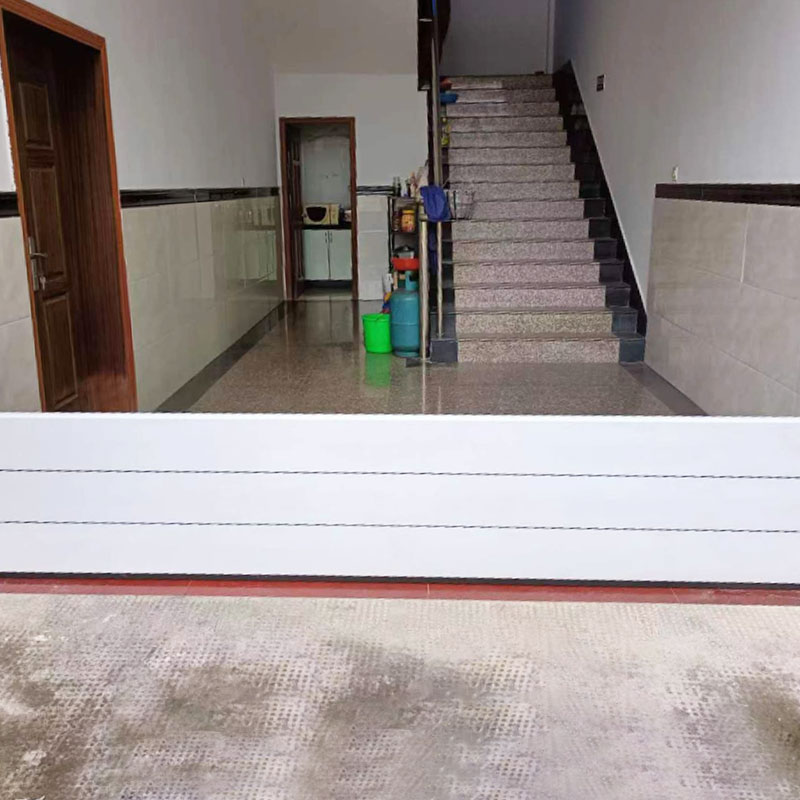
Residential flood control boards are designed for residential areas and are used to prevent floods from entering residential areas when floods occur. ...
See Details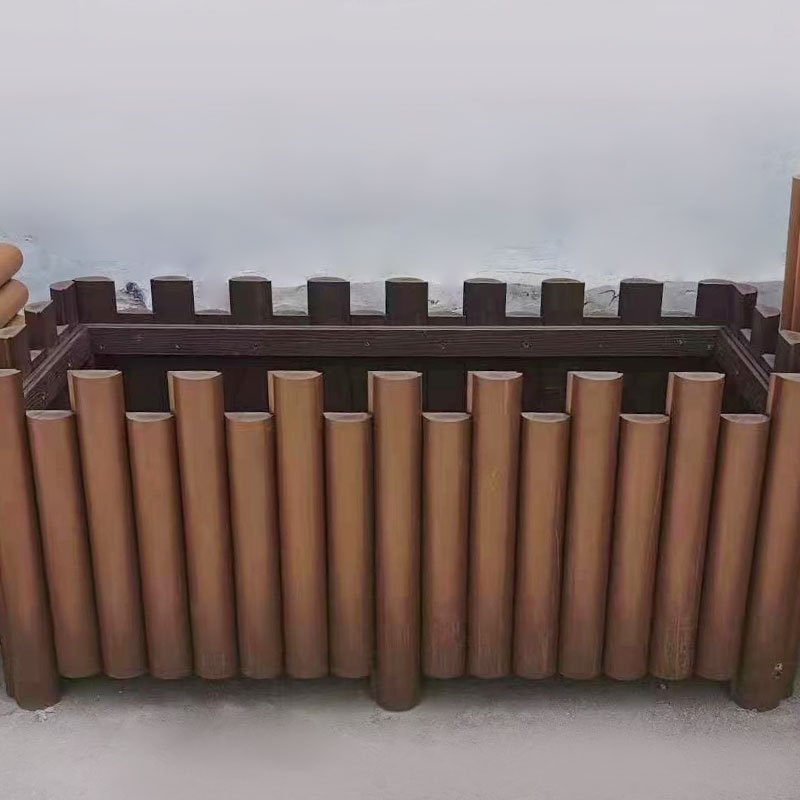
The antiseptic wood flower box guardrail combines the natural beauty of wood with the durability after antiseptic treatment, and is suitable for outdo...
See Details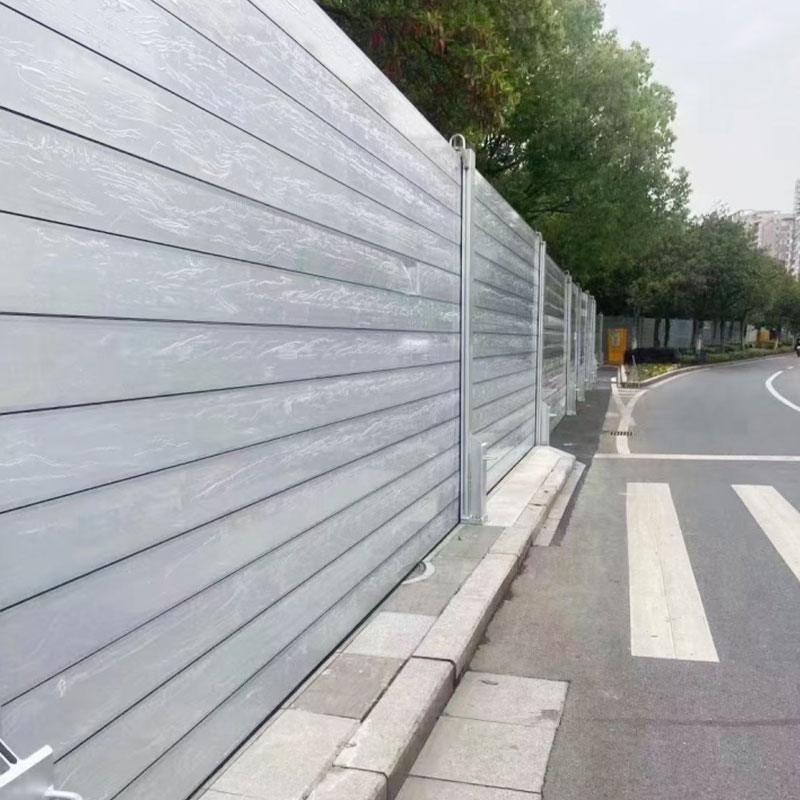
Aluminum alloy flood control board, also known as aluminum alloy flood control water retaining board, is a professional equipment widely used in the f...
See Details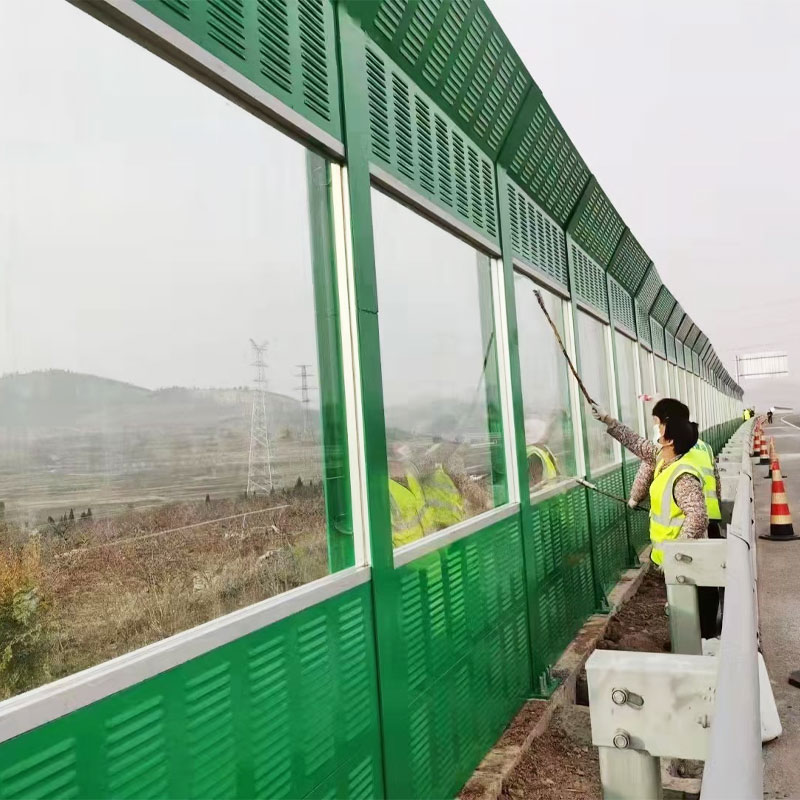
Acrylic highway sound barrier is a sound insulation barrier made of acrylic (chemical name: polymethyl methacrylate) as the main material. It is widel...
See Details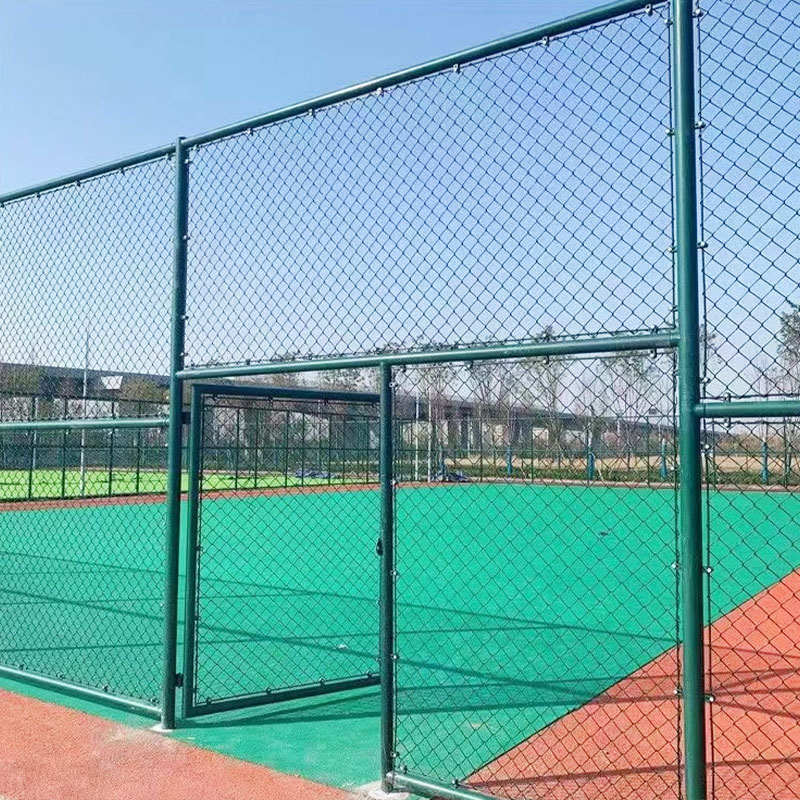
Assembled stadium fence is a fence system designed for stadiums, which is easy to assemble and disassemble with a modular design. It is mainly compose...
See Details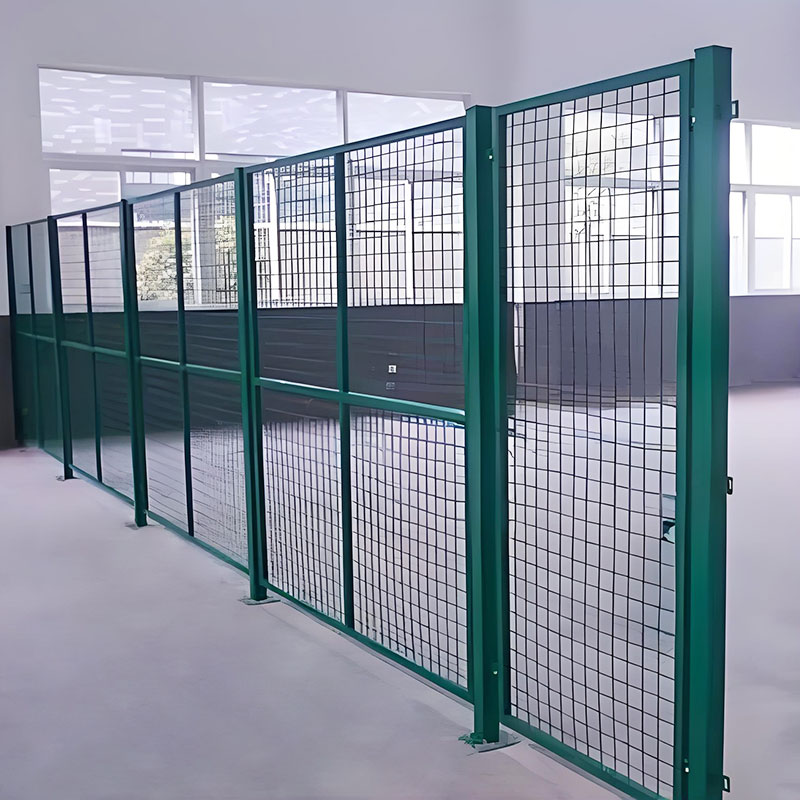
The workshop isolation net, also known as the warehouse isolation net, factory equipment protection fence, or factory workshop partition wire mesh, is...
See DetailsContact Us
Add:No. 577 Fuqiang Road, Panhuo Street, Yinzhou District, Ningbo City, Zhejiang Province
Email: [email protected]
Telephone: +86-18058271903
Phone: +86 0571-28284189

Zhenxuan Traffic Engineering Co., Ltd. is a large manufacturers of professional responsible for the design, production and sales of a series of guard rails, guard rails and high-speed soundproofing screens.
PRODUCT
case
 OEM/ODM Aluminum/Steel Guardrail Manufacturers
+86-18058271903