
 English
 Español
How Site Fence Walls and Noise Barriers Are Shaping Urban Landscapes
Site fence walls, often referred to as boundary or perimeter fences, are essential architectural and structural elements in urban planning. These walls serve multiple purposes, from delineating property boundaries to enhancing security and improving aesthetics. In an increasingly crowded urban landscape, where land is limited and the need for organized space is paramount, site fence walls are a critical component of urban infrastructure. They are integral to defining the relationships between different spaces, controlling access, and mitigating environmental impacts.
In urban planning, the role of site fence walls goes beyond simple demarcation. They are often designed to meet specific regulatory, safety, and environmental requirements. The design and placement of these fences influence not only the visual appeal of an area but also contribute to the management of traffic, pedestrian movement, and environmental sustainability.
The primary function of site fence walls is to delineate boundaries, but their impact on urban development extends far beyond this basic role. Here are several critical functions that site fence walls serve in urban environments:
In both residential and commercial urban settings, security is a significant concern. Site fence walls act as a first line of defense against unauthorized access. By establishing clear boundaries, they prevent intruders from entering private or restricted areas. In commercial zones, where valuable assets or sensitive operations are involved, these fences can help deter theft, vandalism, and trespassing.
In addition to physical security, site fence walls can also contribute to safety in high-traffic areas by guiding pedestrian and vehicle movement. They can prevent accidents by separating roadways from pedestrian paths and can also shield pedestrians from the dangers of nearby roads, highways, or railways.
Privacy is another essential consideration in urban planning. Site fence walls offer a sense of enclosure that shields residents or business owners from the prying eyes of the public. In densely populated areas, where properties are closely packed, this form of visual and auditory barrier ensures that occupants can enjoy a certain degree of privacy in their homes or businesses.
In addition to providing privacy, site fence walls, especially when designed with soundproofing features, can significantly reduce noise pollution. In urban areas, noise from traffic, industrial activity, and other sources can be a constant disturbance. By integrating soundproofing materials into the design of site fence walls, urban planners can create quieter, more peaceful environments for residents.
While site fence walls are primarily functional, they also play an essential role in enhancing the aesthetics of a city. They can be designed to complement the surrounding architecture, creating a harmonious visual connection between the built environment and open spaces. For example, in residential neighborhoods, fences may be constructed from materials like wood, wrought iron, or stone, which can add texture and beauty to the streetscape.
The aesthetic aspect of site fence walls is also important in commercial developments. For example, in urban regeneration projects or mixed-use developments, site fences are often designed with artistic elements, such as murals or green walls, to serve as both functional barriers and works of public art. This helps to integrate functional elements into the broader urban design vision, improving the overall urban experience for residents and visitors alike.
Beyond their practical and aesthetic benefits, site fence walls can have a positive environmental impact, particularly when they are designed with sustainable materials and features. Green walls, which incorporate plants or vegetation into the fence design, are an excellent example of how site fence walls can contribute to environmental sustainability. These fences not only provide a visual barrier but also improve air quality, reduce urban heat island effects, and support biodiversity in urban environments.
Site fence walls can be designed to manage stormwater runoff. By incorporating permeable materials or integrating rainwater harvesting systems, these fences can help reduce flooding risks and manage water resources more efficiently in urban areas.
Urban zoning and land use regulations are essential in determining how land can be developed and used. Site fence walls play a crucial role in this process, particularly in areas where zoning regulations require clear demarcation between different land uses. For example, in industrial zones, site fence walls may be required to separate industrial activity from residential areas to minimize exposure to potential hazards, such as chemical spills, fumes, or heavy machinery.
In mixed-use developments, site fence walls can help define the boundaries between residential, commercial, and recreational spaces. This not only ensures that each area functions according to its intended purpose but also provides a sense of organization and order in the urban landscape. By properly defining property lines, site fence walls help mitigate potential conflicts between property owners, tenants, and the public.
Urban planning is heavily concerned with traffic flow and pedestrian movement, and site fence walls play an important role in managing these aspects. They can be used to control access to certain roads or walkways, guide pedestrian flow, and prevent accidents. For example, in busy commercial districts or near transportation hubs, site fence walls can help prevent pedestrians from crossing dangerous streets and keep traffic moving smoothly.
In residential areas, site fence walls can provide safe separation between homes and high-speed roads or highways. This is particularly important in areas with heavy traffic or where there are concerns about vehicle safety. By creating physical barriers between roads and residential spaces, site fence walls ensure that residents have a safe environment to live in, away from the risks posed by busy streets.
Urban planners must consider various legal and regulatory factors when designing and installing site fence walls. Building codes and local zoning regulations dictate the height, materials, and placement of fences, and failure to comply with these regulations can lead to costly fines and legal disputes. For example, in many cities, there are strict rules governing the height and appearance of fences in residential areas to prevent them from obstructing views or creating safety hazards.
Environmental regulations may govern the materials used in the construction of site fence walls. For example, some areas may require that fences be made from non-toxic, sustainable materials, particularly if they are situated near public parks or sensitive environmental areas. Compliance with these regulations is vital to ensure that site fence walls are safe, legal, and suitable for the urban environment.
With the rapid advancement of technology, modern site fence walls are increasingly incorporating innovative materials and design features that improve their functionality and efficiency. Smart fences, for example, are an emerging trend in urban planning. These fences are equipped with sensors and cameras that can monitor activity around the perimeter, detect intrusions, and even send alerts to property owners or security services in real time.
In addition to smart technology, advancements in materials science have led to the development of stronger, more durable site fence walls. These materials are resistant to harsh weather conditions, require less maintenance, and have longer lifespans. Innovations in soundproofing materials have enabled the creation of more effective noise barriers, which are especially beneficial in noisy urban environments near highways, airports, or industrial zones.
Site fence walls, which serve as boundary markers, security barriers, and noise reducers, are integral components of urban design. In the context of rapidly growing cities, where land is a scarce resource and every inch of space is valuable, site fence walls provide necessary definitions for private, public, and communal spaces. They create boundaries between properties, ensure privacy, and contribute to overall city aesthetics.
The role of site fence walls in urban planning has evolved significantly over the years. Initially designed for basic functionality—such as demarcating property lines or providing security—modern site fence walls are now part of a broader conversation surrounding urban design. They serve not only to protect but also to enhance the visual and environmental quality of the surrounding space. As cities grow more densely populated, balancing the functional and aesthetic roles of these walls becomes increasingly important.
This section delves into the multifaceted roles that site fence walls play in city design, from their functional applications to their aesthetic contributions, and explores how urban planners balance these often competing considerations.
Site fence walls are integral to urban infrastructure, as they serve a range of functional purposes that go beyond simple boundary demarcation. These functions include security, privacy, noise reduction, and environmental control. The multifaceted role of site fence walls in urban design is essential for maintaining the order and functionality of urban spaces.
Security is one of the most prominent functions of site fence walls. In urban environments, where traffic, foot traffic, and external threats are high, these fences act as protective barriers that prevent unauthorized access. Whether it's a commercial establishment, a residential building, or even an industrial facility, site fence walls provide a clear boundary to safeguard property.
In addition to deterring theft or trespassing, site fence walls are essential for creating secure spaces for residents and workers. Urban spaces can be rife with risks, such as vehicular accidents or pedestrian mishaps in high-traffic areas. For example, in residential neighborhoods near busy roads, site fence walls serve as a protective barrier against traffic accidents, keeping pedestrians, children, and pets safely within designated spaces.
In commercial and industrial zones, site fence walls play an even more critical role. Not only do they keep intruders out, but they also ensure that industrial activities remain within designated boundaries, preventing hazardous materials or activities from spilling into surrounding areas.
In densely populated urban environments, privacy can be a significant concern. Site fence walls, when designed appropriately, provide a sense of seclusion and comfort. Residential communities, in particular, benefit from privacy fences that shield residents from the external environment, offering a private retreat within the city.
Fences that limit visual exposure help to reduce the psychological stress associated with living in close proximity to others. In areas where buildings are tall and close together, residents might feel a lack of privacy from neighboring structures. Site fence walls address this issue by providing an unobtrusive barrier that allows people to maintain their privacy and personal space while still being part of the urban fabric.
The role of privacy also extends to commercial and mixed-use spaces. In areas where businesses may be located next to residential units, a well-designed fence wall can prevent commercial operations from invading the personal space of residents. This segregation of functions is essential for maintaining peace and harmony between different land uses within the same urban space.
One of the growing concerns in urban development is noise pollution. Cities are often noisy environments, with constant traffic, construction, and industrial activity creating disruptive sounds. Site fence walls can serve as noise barriers, reducing the impact of unwanted sounds on residents, workers, and visitors.
Highway noise, for instance, is a well-known issue in cities located near major transportation corridors. Site fence walls, particularly those designed with soundproofing materials or innovative designs, can significantly reduce traffic noise levels. The design and materials used in these barriers play a crucial role in their ability to absorb, deflect, or block sound waves, providing relief to people living or working in noisy urban zones.
Site fence walls can be designed to improve the environmental quality of a space. Green walls, which incorporate plants into the structure of the fence, help absorb carbon dioxide and reduce the urban heat island effect. These fences contribute to the overall sustainability of urban environments by promoting biodiversity, improving air quality, and offering residents a visual connection to nature.
While the functionality of site fence walls is of utmost importance, the aesthetic dimension of urban planning is equally crucial. The way a city looks, feels, and functions is impacted by the design of its site fence walls. Urban planners must consider how these barriers interact with the surrounding landscape, architecture, and infrastructure to create a cohesive and attractive environment.
The choice of materials used in site fence walls significantly influences both their functionality and aesthetic quality. Traditional materials like wood, wrought iron, and brick can create a warm, inviting atmosphere, while more modern materials, such as glass or steel, can offer a sleek, industrial look. The decision on which material to use depends on the specific needs of the area, such as the required level of security, the environmental conditions, and the overall style of the surrounding architecture.
For instance, in a residential neighborhood, wood or decorative stone fences may be preferred for their natural appearance, creating a more welcoming and visually pleasant environment. In contrast, high-density commercial areas or industrial zones might opt for materials like metal or concrete, which offer durability and security but also lend themselves to more modern, minimalist design.
The use of color is another important aesthetic consideration. Bright, vibrant colors can be used to add visual interest and make a statement, while more neutral tones can help a site fence wall blend into the background, allowing other elements of the design, such as landscaping or architectural features, to take center stage. In high-end developments, site fences might feature custom artwork or murals, integrating local culture and adding an artistic touch to the urban landscape.
A well-designed site fence wall should complement the surrounding landscape and urban environment. This integration ensures that the fence enhances, rather than detracts from, the visual appeal of the area. The goal is to create a cohesive urban space that feels integrated and harmonious, where barriers like site fence walls do not disrupt the flow of the design but instead contribute to it.
In urban parks, for example, site fence walls can be designed to blend with the natural environment, using materials like timber or vegetation that create a seamless transition between the built environment and green spaces. Green walls, which feature climbing plants and vines, are particularly useful for this purpose. Not only do they soften the impact of the fence visually, but they also contribute to the ecosystem by providing habitats for wildlife and reducing the carbon footprint of the development.
Similarly, site fence walls can be used to frame views of significant landmarks, create visual corridors, and delineate spaces in a way that enhances the overall design. When strategically placed, they can create a sense of depth and perspective, guiding the viewer’s eye and improving the overall flow of the urban space.
Urban design often incorporates elements of local culture and identity, and site fence walls provide an excellent opportunity for this. These walls can be transformed into canvases for artistic expression, turning a functional barrier into a work of art that reflects the community’s culture, history, and values.
Murals, graffiti, and sculptural elements are often integrated into the design of site fence walls, particularly in urban regeneration projects, public parks, and cultural districts. This artistic integration adds vibrancy to the cityscape, gives a sense of place, and fosters a connection between residents and their environment.
In many cities, public art installations on site fence walls have become a key part of urban revitalization projects. These walls can serve as mediums for social commentary, community representation, and artistic experimentation, providing a dynamic and engaging urban experience for residents and visitors alike.
While the integration of functionality and aesthetics in site fence wall design is crucial, it is not without its challenges. Urban designers and architects must carefully navigate a range of competing priorities, including security, privacy, environmental impact, and visual appeal. Finding a balance between these sometimes conflicting goals can be a complex task.
Local regulations often impose strict guidelines regarding the height, material, and placement of site fence walls. In many cities, zoning laws dictate what types of fences are permissible in certain areas, particularly when it comes to residential versus commercial zoning. Urban planners must design fences that comply with these regulations while still achieving the desired aesthetic and functional goals.
For instance, some cities may have restrictions on the height of fences to ensure that they do not obstruct views or create safety hazards. This can limit the effectiveness of site fence walls in terms of security and privacy, forcing designers to explore creative solutions that maintain compliance with legal requirements while still providing the necessary benefits.
Balancing the cost of materials with the desire for high-quality design can be a challenge, particularly in large-scale urban projects. High-end materials like natural stone or custom metalwork can be expensive, while budget constraints may necessitate the use of more affordable but less aesthetically pleasing materials.
Similarly, the incorporation of green walls or other environmentally sustainable design features may increase costs, requiring careful consideration of the budget and the potential long-term benefits, such as energy savings or improved environmental quality.
In urban planning, site fence walls are more than mere boundary markers; they are critical components of a city’s infrastructure that can significantly contribute to both traffic safety and environmental protection. These walls serve various functions, from delineating boundaries and controlling access to mitigating noise and improving air quality. In the context of traffic safety, site fence walls help manage traffic flow, reduce accidents, and protect pedestrians from potential hazards. From an environmental perspective, they can help mitigate pollution, control stormwater runoff, and even enhance local biodiversity.
As urban populations grow and traffic congestion increases, the need for more effective traffic management and environmental sustainability becomes paramount. Site fence walls, when designed and placed strategically, offer a highly effective solution to these challenges. The following sections explore in detail how these walls contribute to both traffic safety and environmental protection in urban settings.
Traffic safety is a growing concern in densely populated urban areas where the interaction between vehicles, pedestrians, and cyclists can result in accidents and hazards. Site fence walls play a significant role in mitigating these risks by clearly defining boundaries, separating different traffic zones, and providing physical barriers between potentially dangerous areas.
One of the most straightforward yet essential roles of site fence walls in traffic safety is defining boundaries. In areas where roads, pedestrian paths, or cycle lanes intersect, site fence walls serve as barriers that prevent pedestrians or cyclists from straying into high-speed traffic zones. For example, in cities with major highways or busy arterial roads running close to residential or commercial areas, site fence walls can act as protective barriers, keeping pedestrians, children, and animals safe from crossing into traffic.
In high-traffic areas like downtown districts or near transportation hubs (such as airports or train stations), site fence walls can also help direct people to designated crosswalks or pedestrian zones, reducing jaywalking and ensuring that individuals do not inadvertently walk into dangerous traffic. These fences can direct foot traffic, create safe crossings, and prevent pedestrian accidents by reducing the likelihood of people wandering into active roadways.
In urban environments, pedestrians are often at risk due to the lack of physical barriers between them and fast-moving vehicles. Site fence walls can effectively separate pedestrian walkways from roadways, ensuring that individuals walking along sidewalks or through public parks are not exposed to the dangers of passing vehicles. In cities with high-speed roads or highways near pedestrian-heavy zones, these walls can offer critical protection.
For instance, in residential neighborhoods located near major roads, site fence walls prevent children from running into traffic and create a sense of safety for parents and residents. In addition to providing physical separation, these fences can also be designed with features like viewports or openings that allow pedestrians to see oncoming traffic, improving awareness and reducing accidents.
In areas where roads pass near school zones, parks, or recreational areas, site fence walls are even more crucial in ensuring the safety of vulnerable populations, such as children, the elderly, and those with disabilities. These walls not only provide physical protection but can also serve as deterrents to distracted driving, as they help drivers focus on the road by reducing distractions from pedestrian movement along the edges.
Site fence walls can also serve as effective access control mechanisms, especially in areas where the risk of traffic accidents is heightened due to uncontrolled or illegal access points. By blocking off non-designated pathways or creating specific entry and exit points for vehicles, these fences help regulate traffic flow and reduce the risk of accidents caused by vehicles entering or exiting roads in unexpected places.
For example, at the intersections of highways and city streets, site fence walls can prevent drivers from making illegal U-turns or turning into oncoming traffic. These barriers ensure that vehicles enter and exit roads in controlled, designated areas, reducing the likelihood of accidents caused by reckless driving or confusion. Similarly, in industrial areas or near construction sites, site fence walls can prevent unauthorized vehicles from entering hazardous zones, ensuring the safety of both drivers and workers.
Strategically placed site fence walls can enhance the visibility of roadways, ensuring that drivers have clear sightlines to oncoming traffic, intersections, and pedestrian crossings. In some cases, especially in areas where visibility is obstructed by trees, buildings, or other structures, site fence walls can be designed to improve sightlines by acting as barriers that guide drivers' attention to critical road features.
For example, in areas with complex intersections or multi-lane roads, the placement of site fence walls can be used to direct the flow of traffic and guide drivers through specific routes. This helps reduce congestion, prevent confusion, and improve overall traffic management. These fences can be designed with reflective materials or lighting, enhancing nighttime visibility and ensuring safer driving conditions after dark.
In addition to their role in traffic safety, site fence walls can also contribute to environmental protection and sustainability in urban areas. These fences can be designed to address a range of environmental challenges, including pollution control, stormwater management, and the preservation of green spaces.
Urban environments are often noisy, with traffic, construction, and industrial activity contributing to high levels of noise pollution. Site fence walls, particularly those designed with soundproofing materials, can significantly reduce the impact of noise on surrounding areas. These noise barriers help create quieter, more peaceful environments for residents, particularly in areas near highways, train stations, or industrial zones.
The effectiveness of noise barriers depends on the materials used and the design of the site fence walls. Solid materials like concrete, stone, or specially designed soundproof panels can absorb or deflect sound waves, reducing noise pollution. For example, high-speed highways near residential areas often use these fences to shield homes from the constant hum of traffic. Similarly, in urban centers with heavy construction activity, noise barriers can protect residents and businesses from the disruptive sounds of building and demolition.
Site fence walls can also contribute to improved air quality, particularly in areas with high levels of traffic-related pollution. These walls can act as physical barriers that help reduce the spread of vehicle emissions into surrounding areas. For instance, in urban settings with heavy traffic, fences can block or divert harmful pollutants away from residential neighborhoods or green spaces.
Certain types of site fence walls, particularly green walls or fences integrated with plant life, can also play a role in improving air quality. Plants naturally absorb carbon dioxide and other pollutants, releasing oxygen and contributing to a healthier environment. By incorporating vegetation into site fence walls, cities can create “green” barriers that serve dual purposes—providing both environmental protection and aesthetic value.
One of the key environmental benefits of site fence walls is their potential for managing stormwater runoff. In urban environments, where impermeable surfaces like roads and buildings prevent water from being absorbed into the ground, site fence walls can be designed with permeable materials that allow water to flow through and into the soil, reducing the risk of flooding and soil erosion.
For instance, site fence walls with permeable elements such as gravel, porous concrete, or other water-absorbing materials can help absorb rainwater and reduce the burden on urban drainage systems. This is especially important in cities that experience frequent heavy rainfall or are prone to flooding. By facilitating better water infiltration, these fences help maintain the health of local ecosystems, prevent waterlogging, and reduce the strain on municipal stormwater management systems.
Site fence walls, particularly those designed with integrated green spaces or living walls, can contribute to the preservation of biodiversity in urban areas. These walls can create valuable habitats for local wildlife, such as birds, insects, and small mammals, which may otherwise struggle to find suitable environments in the urban landscape. Green walls, in particular, provide vertical habitats for plants and animals, helping to maintain a connection to nature in densely built-up areas.
In addition to supporting biodiversity, these living fences can also help mitigate the “urban heat island” effect, where cities experience higher temperatures than surrounding rural areas due to the concentration of heat-absorbing surfaces like asphalt and concrete. By incorporating greenery into the design of site fence walls, urban planners can reduce the heat island effect, providing cooler, more comfortable spaces for residents and improving overall environmental health.
The design of site fence walls is critical in achieving both traffic safety and environmental protection goals. Effective site fence walls must be strategically located, carefully constructed, and thoughtfully integrated into the urban landscape. The following design considerations can help ensure that site fence walls serve their intended functions while also contributing to a more sustainable and safer environment.
The placement of site fence walls must take into account traffic flow patterns, pedestrian movement, and environmental factors. In urban areas, it is essential to consider how these walls interact with other infrastructure elements, such as roads, sidewalks, parks, and public transportation systems. Properly placed site fence walls can create effective barriers that separate different zones, manage traffic flow, and reduce environmental impact.
In areas with high traffic volumes, site fence walls should be placed at strategic points to reduce the risk of accidents and guide traffic. Similarly, when designing fences for environmental protection, it is important to integrate these barriers into the surrounding landscape, using natural materials or vegetation to enhance their environmental benefits.
The choice of materials used for site fence walls has a significant impact on both their functionality and environmental impact. For example, solid materials like concrete, metal, or brick are often preferred for their durability and effectiveness in noise reduction and security. However, for environmentally sustainable designs, materials like recycled wood, bamboo, or permeable concrete can help reduce the environmental footprint of the wall while still providing adequate traffic safety.
In areas that require soundproofing, specialized noise-reducing materials, such as acoustic panels or foam inserts, can be integrated into the fence design. For environmentally conscious designs, materials that allow for the growth of plants or the absorption of rainwater should be prioritized.
Incorporating green elements, such as plants, trees, or green walls, into site fence walls not only enhances their aesthetic appeal but also improves their environmental impact. Green site fence walls contribute to air quality, reduce noise pollution, and promote biodiversity, creating a more sustainable and livable urban environment.
Incorporating features such as solar panels, rainwater harvesting systems, or LED lighting can also enhance the functionality of site fence walls. These features improve the sustainability of the urban space while reducing the reliance on external resources and lowering the carbon footprint of the development.
In urban environments, noise pollution has become one of the most significant challenges for residents, businesses, and city planners. The constant hum of traffic, construction activity, industrial operations, and general city bustle can disrupt daily life and pose long-term health risks. To combat this, site fence walls have emerged as an effective solution to mitigate noise pollution, particularly in high-density urban areas located near major roads, railway lines, airports, or industrial zones.
Site fence walls designed for noise reduction serve as physical barriers that absorb, reflect, or deflect sound waves, reducing the impact of unwanted noise on the surrounding areas. These walls, often referred to as "noise barriers" or "sound walls," play a critical role in improving the quality of life for urban dwellers by offering a buffer between noisy sources and residential or recreational spaces. In this context, the design of site fence walls for noise reduction is an essential aspect of urban planning, focusing not only on functionality but also on aesthetics, environmental impact, and social well-being.
This section delves into the various factors involved in designing site fence walls for noise reduction, the materials used, their effectiveness, and the challenges faced when integrating these barriers into urban environments. It also explores the multifaceted benefits of sound barriers in terms of improving urban livability and sustainability.
Before delving into the design aspects of site fence walls, it’s essential to understand the nature of noise pollution and its effects on urban areas. Noise pollution is a type of environmental pollution that includes unwanted or harmful sounds, typically originating from traffic, industrial activity, construction, aircraft, and human activities. In densely populated cities, noise pollution can reach harmful levels, causing both physical and psychological health problems.
Urban areas are naturally prone to higher levels of noise due to a variety of factors. Traffic is perhaps the most pervasive source, especially in cities with high vehicle volumes, busy streets, highways, or near airports. In these areas, vehicles generate constant sound that is both a nuisance and a potential health hazard for residents. Similarly, industrial zones and commercial districts often contribute to significant noise pollution through machinery, loading docks, and manufacturing processes.
Construction activities, especially in rapidly developing urban centers, also generate noise that disrupts the surrounding areas. The sounds of drilling, hammering, and heavy machinery can travel long distances and disturb residents and workers, particularly when construction occurs near residential or mixed-use zones.
Exposure to excessive noise levels in urban environments has been linked to numerous health issues. Chronic noise exposure is associated with increased stress levels, sleep disturbances, hypertension, and even cardiovascular diseases. Prolonged exposure to noise can lead to mental health problems, such as anxiety and depression, and may impair cognitive development in children. In addition, noise pollution can interfere with communication, reduce productivity, and decrease the overall well-being of individuals living in noisy urban areas.
These adverse health effects underscore the need for effective noise mitigation strategies, such as the use of site fence walls, to reduce the harmful impact of noise on urban populations.
Designing effective site fence walls for noise reduction requires careful consideration of several factors. These include the material used, the height and length of the fence, its location relative to noise sources, and the surrounding environment. The goal is to create a barrier that reduces sound transmission while also fitting harmoniously into the urban landscape.
The height and length of a site fence wall are two of the most important factors in determining its effectiveness in noise reduction. In general, the taller and longer the barrier, the more effective it will be in blocking or deflecting sound. However, there are practical limits to how high and long a fence can be, given aesthetic considerations, zoning regulations, and space constraints.
The general rule of thumb is that the taller the fence, the greater the reduction in sound transmission. A noise barrier must be at least as high as the distance between the noise source and the receptor (the area that needs protection, such as a residential neighborhood). However, the location of the fence in relation to the noise source also plays a role. For example, a barrier positioned closer to the noise source will be more effective in reducing noise than one placed farther away.
The material chosen for the site fence wall significantly influences its ability to block or absorb sound. Different materials have different acoustic properties, and selecting the right one is key to achieving effective noise reduction.
Concrete and Masonry: Concrete is one of the most commonly used materials for noise barriers due to its mass and solid structure. Concrete walls, whether solid or precast, are highly effective at blocking sound waves because they have a high density, which prevents sound from passing through. Additionally, concrete walls are relatively low-maintenance and durable, making them an excellent choice for urban environments where long-term performance is essential.
Wooden Fences: While not as effective as concrete, wooden fences can still offer some noise reduction, particularly when combined with other materials like soundproofing panels or insulation. Wood is a more aesthetic option, often used in residential areas to blend better with natural surroundings. The density of wood varies, and the thicker the wood, the more sound it can absorb. However, wood is more susceptible to wear and tear from weather and may require regular maintenance.
Metal and Steel: Metal fences, especially those made of corrugated steel, can also be used for noise reduction. These fences are highly durable and can be designed to incorporate soundproofing materials. Steel barriers are typically more effective at deflecting sound than absorbing it, so they may be combined with other materials like foam panels or fiberglass insulation to improve their noise-reducing capabilities.
Green or Vegetated Barriers: Increasingly, green site fence walls—also known as living walls—are being used for noise reduction, combining environmental benefits with acoustic properties. These barriers are made from a combination of plants, soil, and sometimes porous materials. The vegetation helps to absorb sound, while the thickness of the soil and plant matter provides a natural buffer to reduce noise. While not as effective as concrete in terms of sheer noise blocking, green fences can still make a noticeable difference, especially when placed alongside other solid barriers.
The acoustic performance of a site fence wall is determined by how well it reduces the transmission of sound waves from the source to the receptor. Soundproofing materials, such as acoustic panels, are often incorporated into noise barriers to enhance their performance. These materials work by absorbing sound waves and preventing them from traveling through the barrier. The use of specialized sound-dampening materials, such as foam, fiberglass, or mineral wool, can improve the barrier’s ability to absorb sound and reduce reverberation.
Another important consideration in the design of sound walls is the surface treatment. The surface texture of a noise barrier can affect how sound waves interact with it. Smooth surfaces tend to reflect sound, while porous or irregular surfaces are more effective at absorbing it. For this reason, acoustic treatments such as perforated metal panels or textured concrete can improve the soundproofing effectiveness of a fence wall.
In addition to the material, the shape and structure of the site fence wall can affect its ability to mitigate noise. Sound waves behave differently depending on whether they are reflected, absorbed, or diffused. Therefore, designing the shape of a fence to deflect or disperse sound can make a significant difference in its effectiveness.
For instance, angled or curved barriers are often used in places where the sound needs to be redirected away from sensitive areas. A well-designed curve or angle can cause sound waves to bounce away from residential areas or other noise-sensitive locations. In some cases, tiered barriers, where multiple layers or sections of the wall are placed at different heights, can further enhance the noise reduction performance.
While the primary function of site fence walls is to reduce noise, these barriers should also be aesthetically integrated into the urban environment. A well-designed noise barrier can enhance the surrounding area, making it an asset to the community rather than an eyesore.
In many urban settings, particularly residential neighborhoods, the visual impact of a large concrete wall or steel barrier can be a concern. To address this, site fence walls can be designed with artistic elements, including murals, decorative panels, or plantings that make them more visually appealing. Green walls, as mentioned earlier, offer a natural solution that not only reduces noise but also improves the aesthetic quality of the space by introducing greenery into the urban landscape.
The use of decorative or visually engaging materials can help reduce the psychological impact of a large noise barrier, making it a more acceptable and even attractive feature within the urban environment.
Several cities around the world have successfully implemented site fence walls for noise reduction, addressing the growing concerns about noise pollution and its impact on public health. These case studies highlight the various strategies used to design and implement noise barriers effectively in different urban contexts.
Los Angeles is notorious for its traffic congestion, and the constant noise from highways and freeways significantly impacts nearby residential areas. To mitigate this, the California Department of Transportation (Caltrans) has constructed a series of noise barriers along busy freeways. These barriers, often made of concrete or masonry, are designed to protect residents living in neighborhoods adjacent to major roads.
One notable example is the noise wall along the I-5 freeway in Los Angeles, where a combination of high walls and green buffer zones was used to reduce noise. The project demonstrated the effectiveness of integrating green space with concrete walls, helping to reduce the visual impact while enhancing noise reduction.
In Berlin, the integration of green walls into noise reduction strategies has gained popularity. Green site fence walls have been used in areas near railway lines and busy streets, where they not only reduce noise but also improve air quality. These living walls are made of native plants that help absorb sound, provide visual greenery, and support local biodiversity.
The success of this approach has led to the expansion of green noise barriers in other parts of the city, promoting sustainable urban design practices and making noise reduction both effective and environmentally friendly.
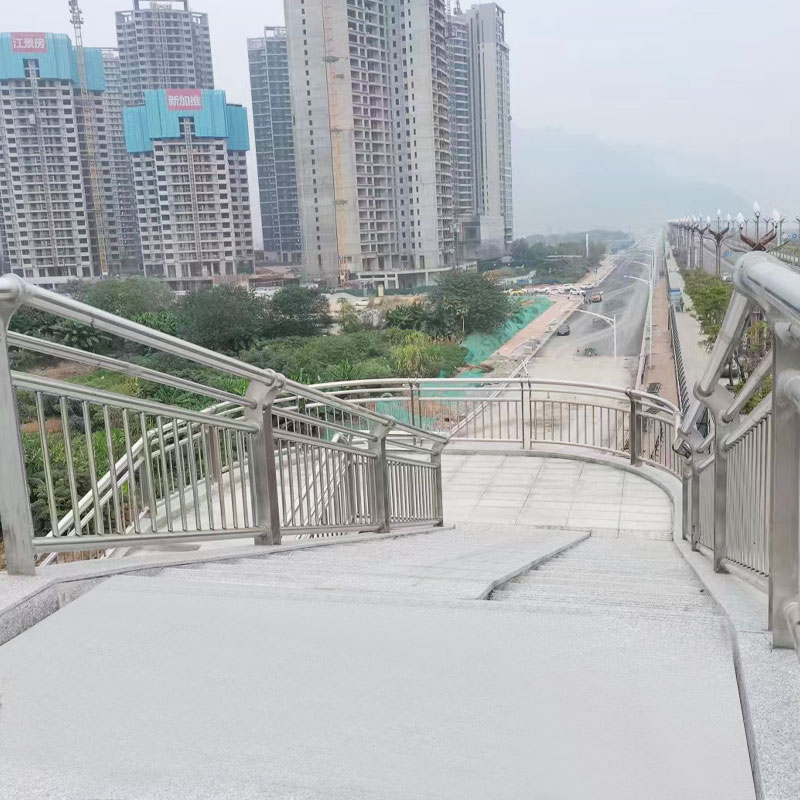
Stainless steel handrails are made of stainless steel materials and are mainly divided into handrails, columns, bases and other components. The struct...
See Details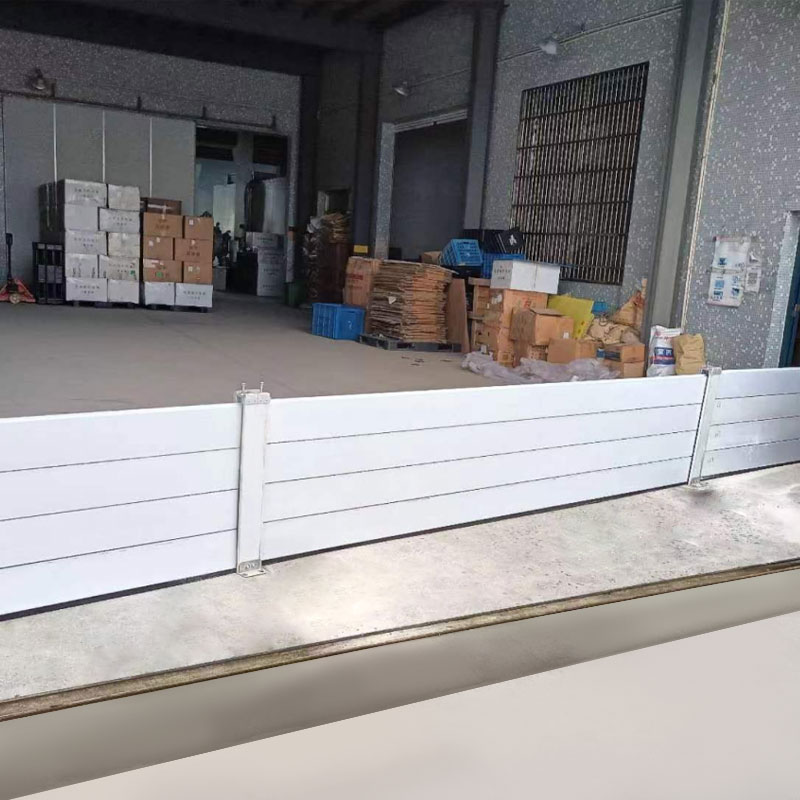
Flood control panels for workshops and factories are important protective equipment used to prevent floods or large amounts of water from invading wor...
See Details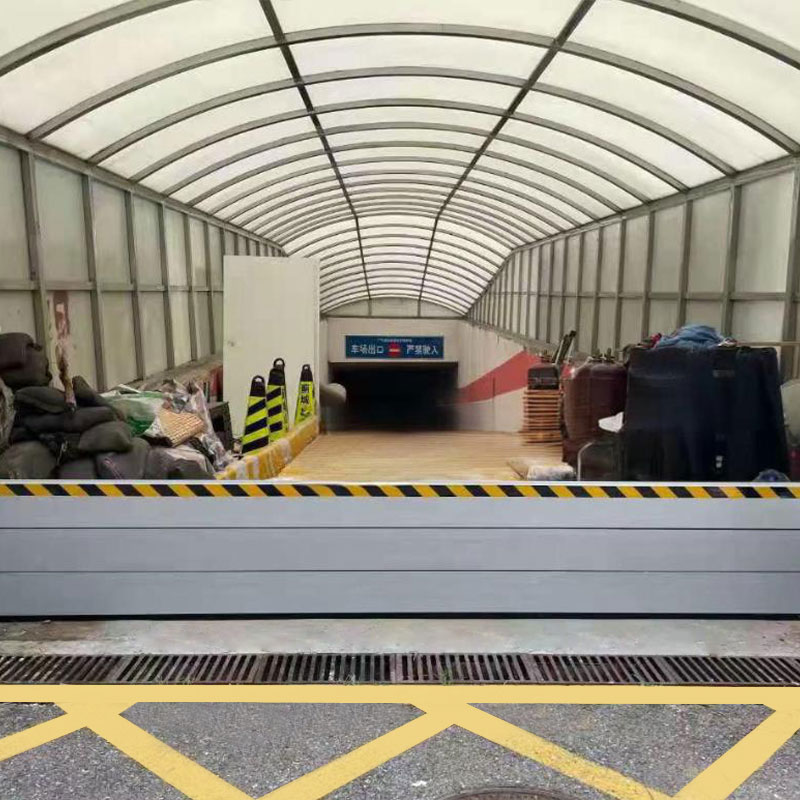
The entrance and exit water retaining plate, also known as water blocking plate, waterproof plate, rain shield, flood control plate, water-proof plate...
See Details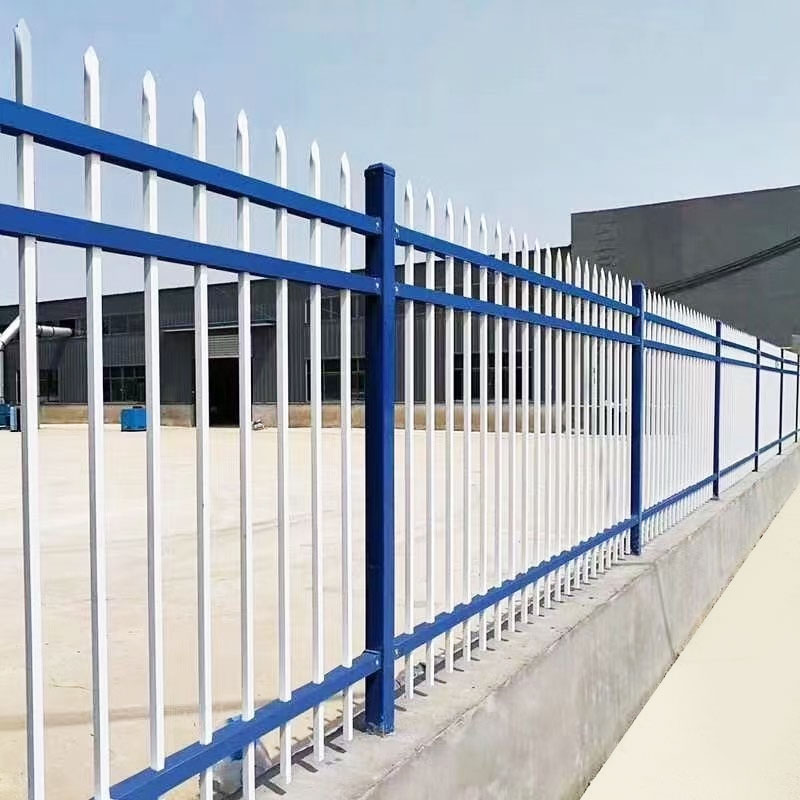
Zinc steel guardrail is made of high-quality hot-dip galvanized steel pipe and the electrostatic spraying process. It has an assembled or welded struc...
See Details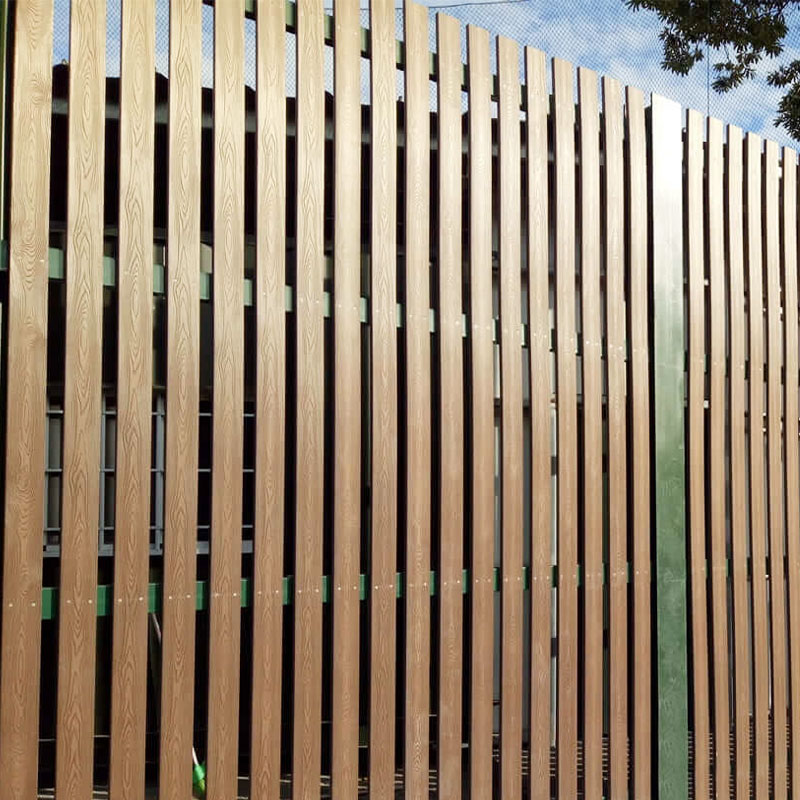
Wood-plastic Great Wall Fence (Grille) is a new type of building material that combines the characteristics of plastic and wood fiber. It is widely us...
See Details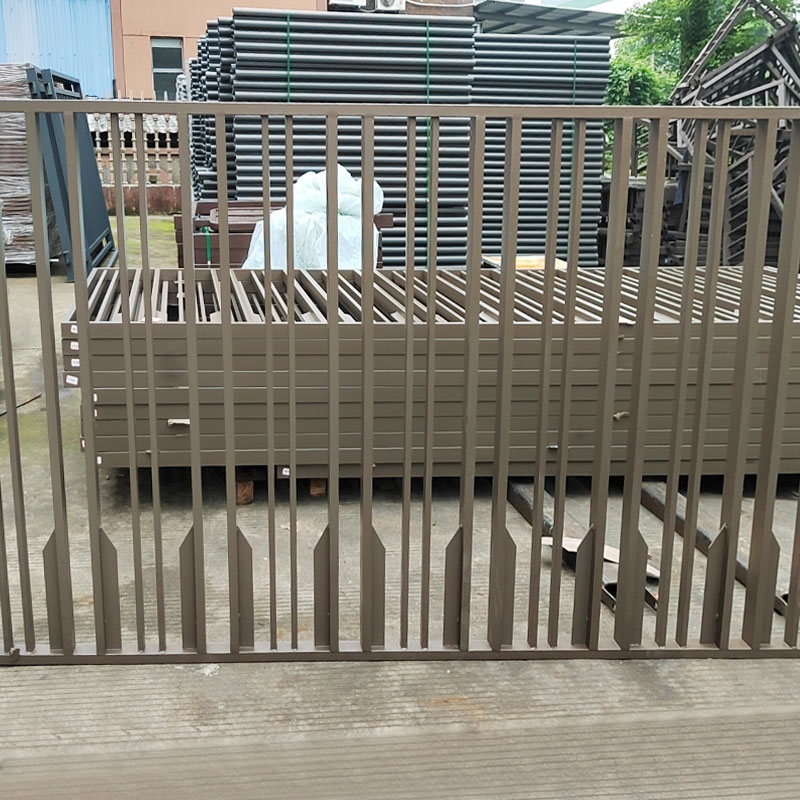
Aluminum alloy grille fence is a modern fencing solution that combines functionality and decoration. It is made of high-strength aluminum alloy materi...
See DetailsContact Us
Add:No. 577 Fuqiang Road, Panhuo Street, Yinzhou District, Ningbo City, Zhejiang Province
Email: [email protected]
Telephone: +86-18058271903
Phone: +86 0571-28284189

Zhenxuan Traffic Engineering Co., Ltd. is a large manufacturers of professional responsible for the design, production and sales of a series of guard rails, guard rails and high-speed soundproofing screens.
PRODUCT
case
 OEM/ODM Aluminum/Steel Guardrail Manufacturers
+86-18058271903