
 English
 Español
Acrylic road sound barrier
Acrylic highway sound barrier is a sound insulation barrier made of acrylic (che...
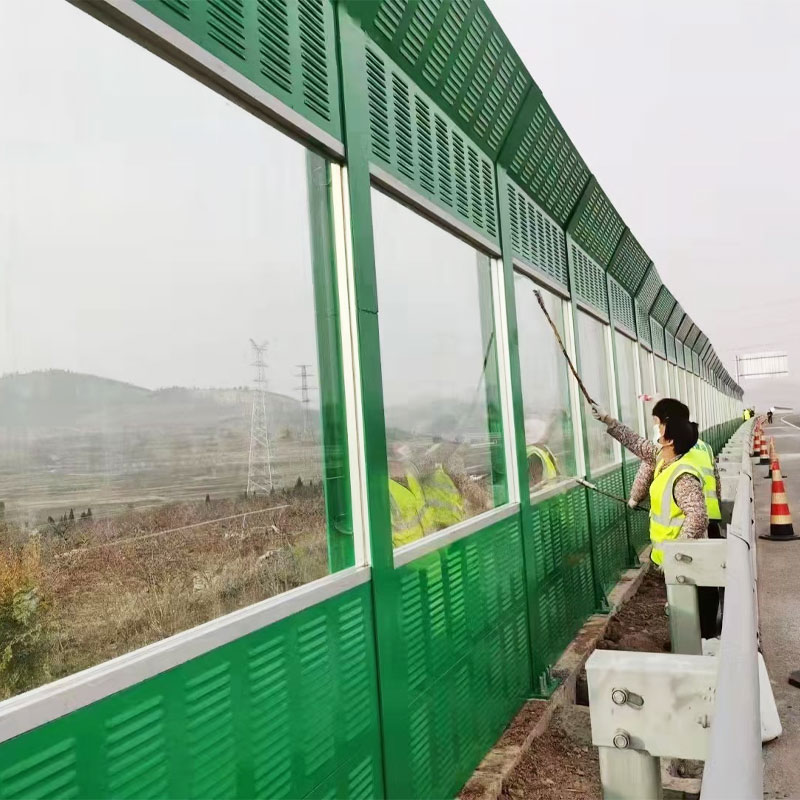
Acrylic highway sound barrier is a sound insulation barrier made of acrylic (che...
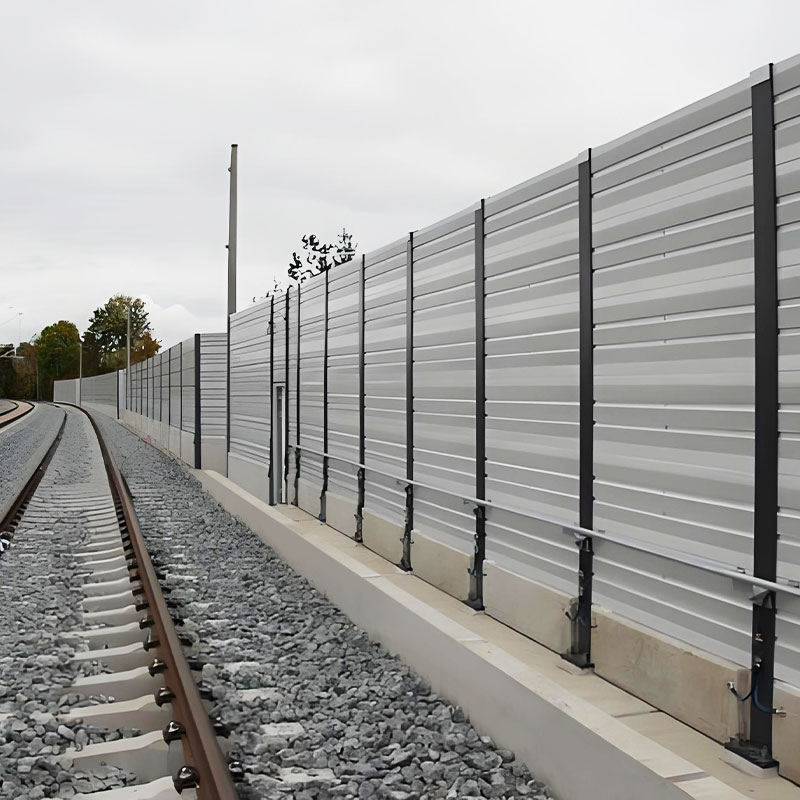
Railway sound barriers are facilities installed on both sides of railways or hig...
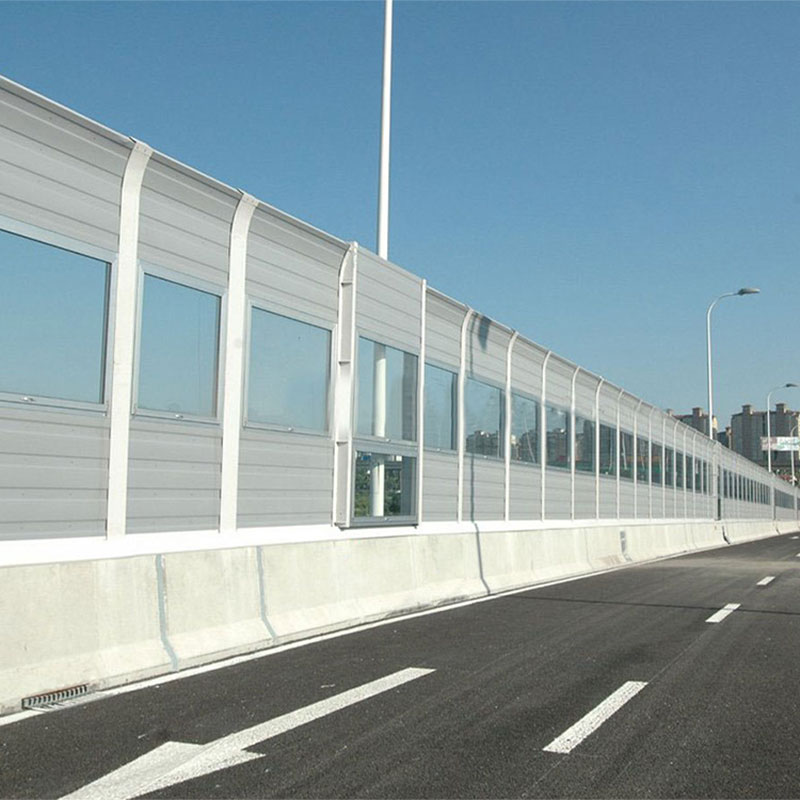
Bridge sound barriers refer to barriers that block noise when the noise source (...
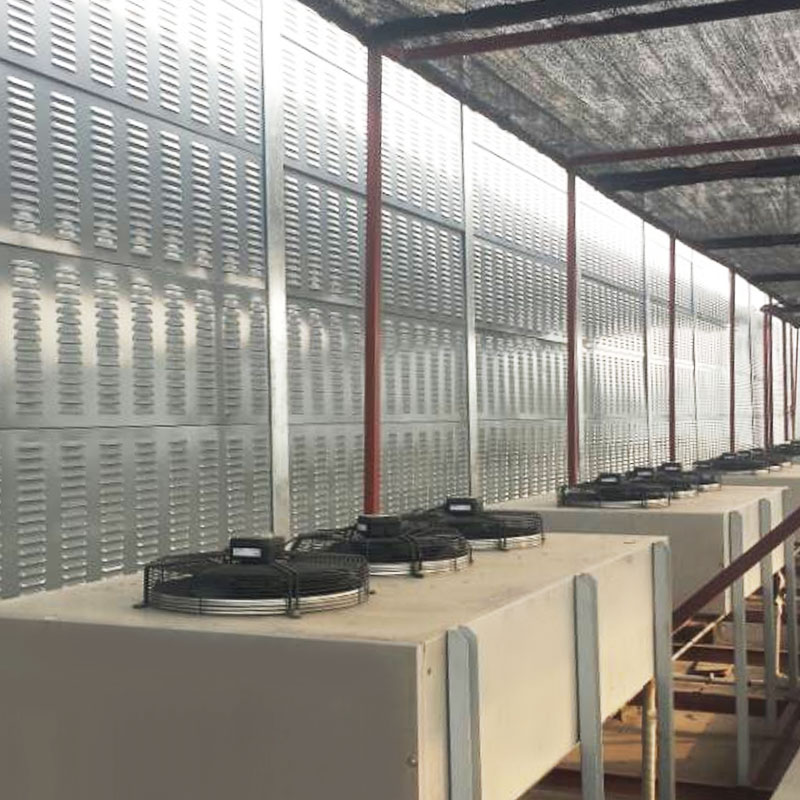
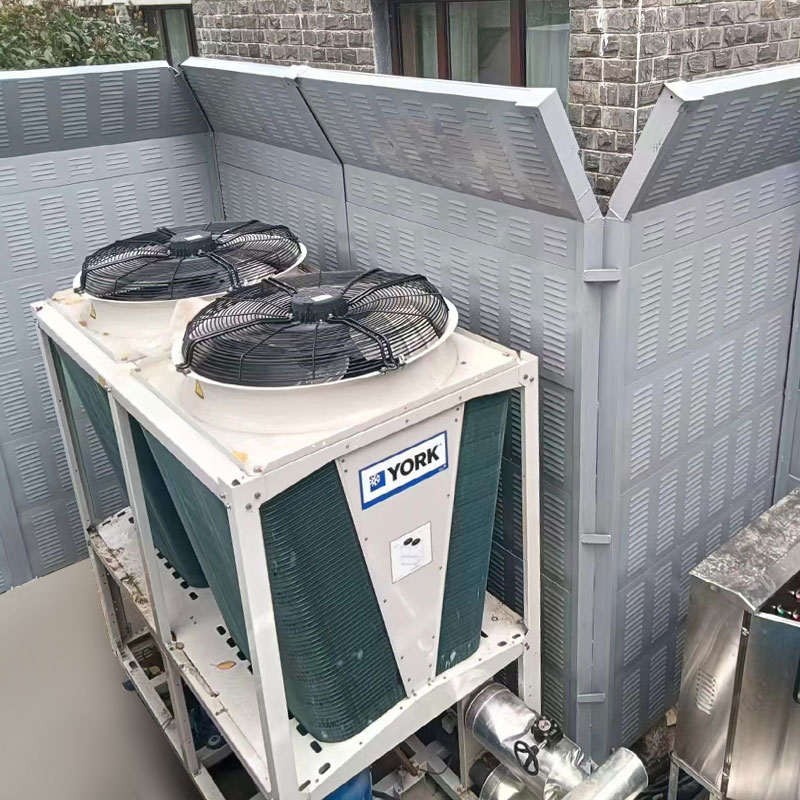
Air conditioning sound barriers are usually made of sound insulation materials a...
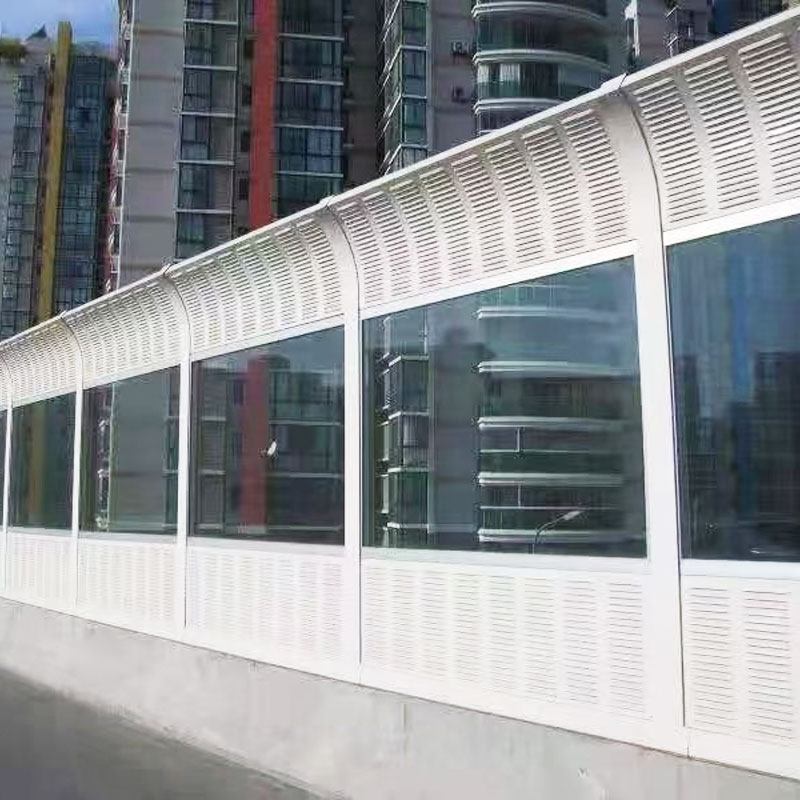
A residential sound barrier refers to a sound insulation facility installed arou...
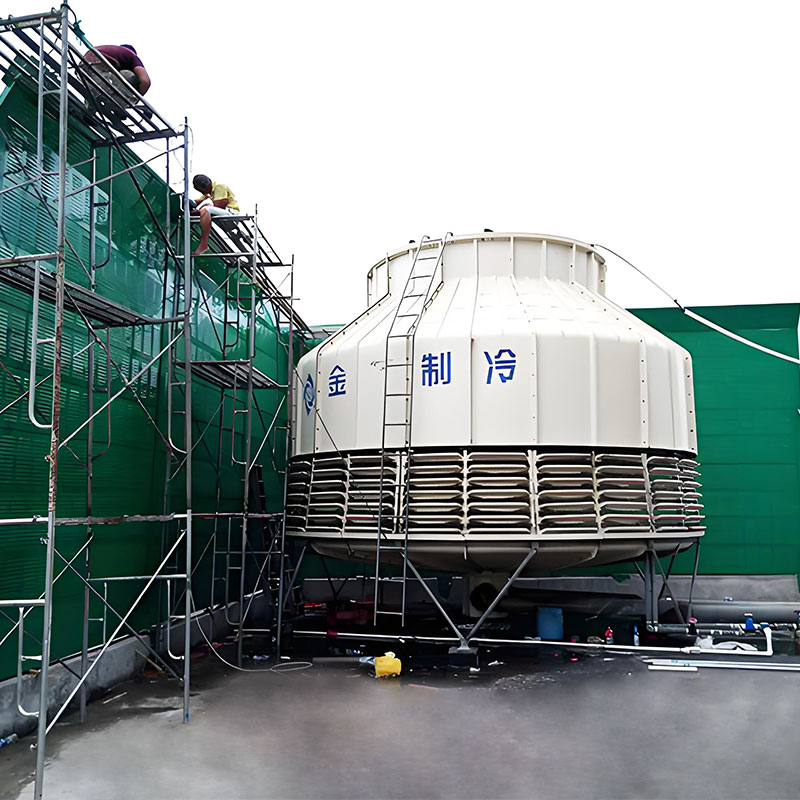
A cooling tower sound barrier is a device that blocks, absorbs or reflects sound...
Power plant sound barriers are a type of sound insulation facility designed spec...
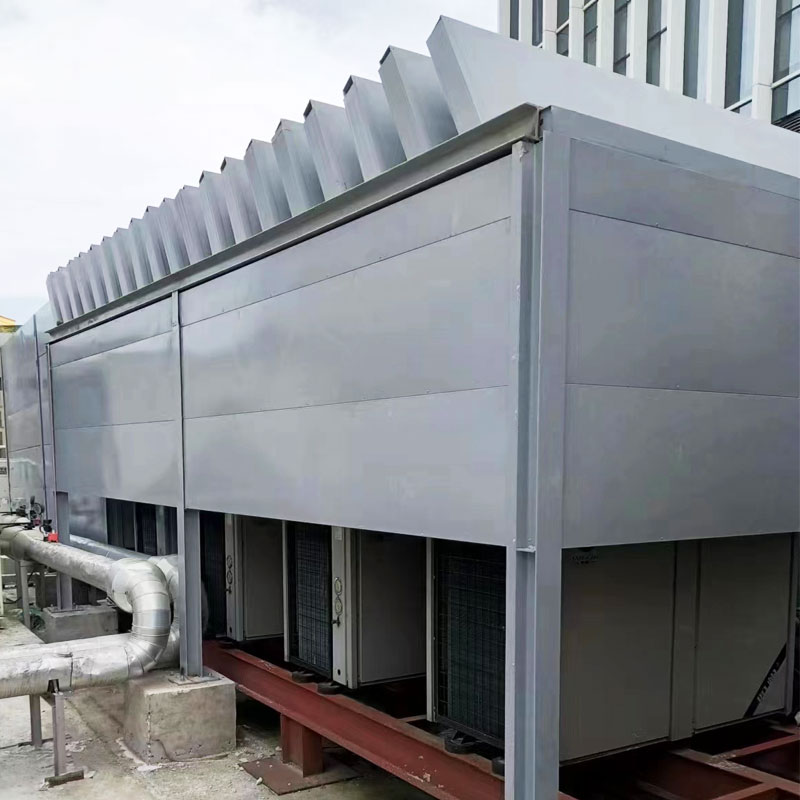
The machine soundproof screen, also known as the equipment sound barrier or the ...
Noise Barrier is an important facility designed to reduce environmental noise pollution and improve the quality of life and work. This series of barriers effectively block, absorb and reflect noise, significantly reduce the spread of noise, protect residents, employees and passers-by from noise interference, and thus create a quieter, safer and more comfortable living and working environment.
This series of products uses advanced sound insulation technology and high-efficiency materials, combined with structural optimization design, to provide efficient noise isolation effects for different noise sources, ensure that the working and living environment is not disturbed by external noise, and create a more comfortable space.
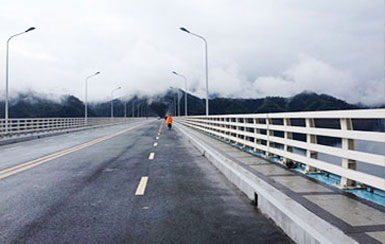
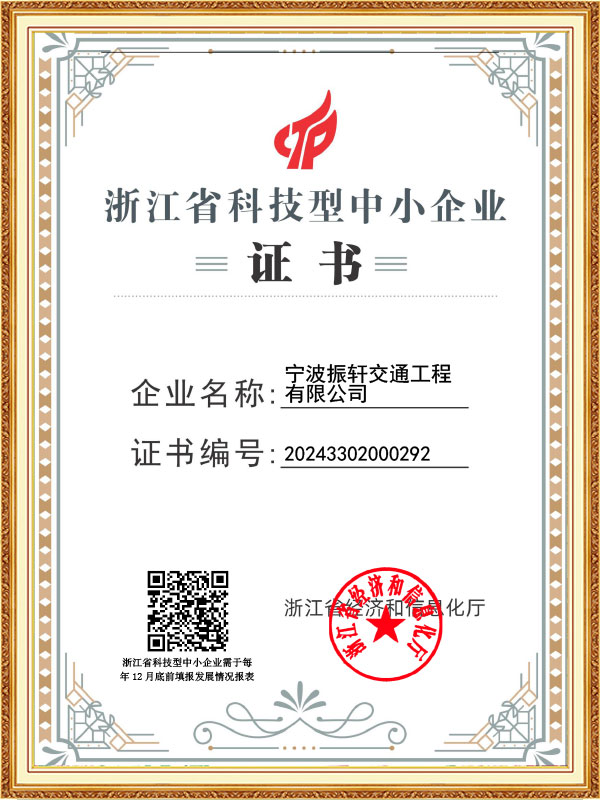
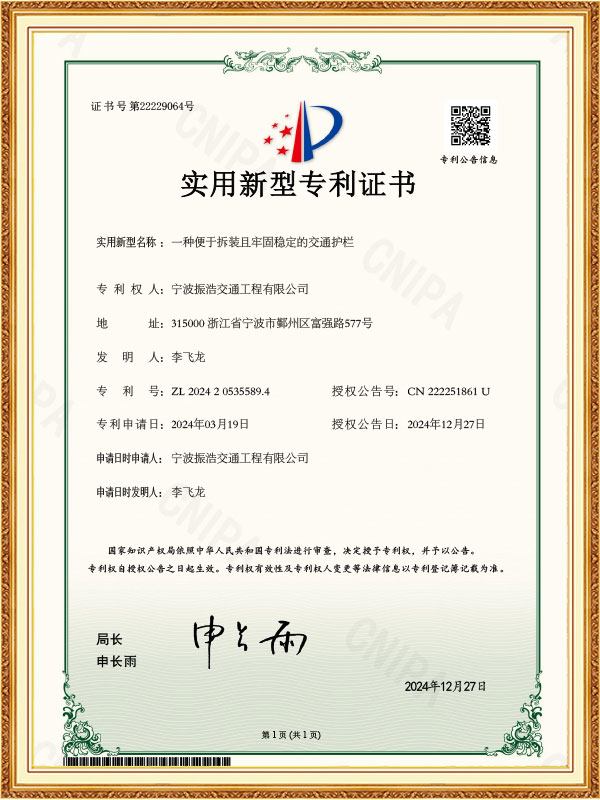
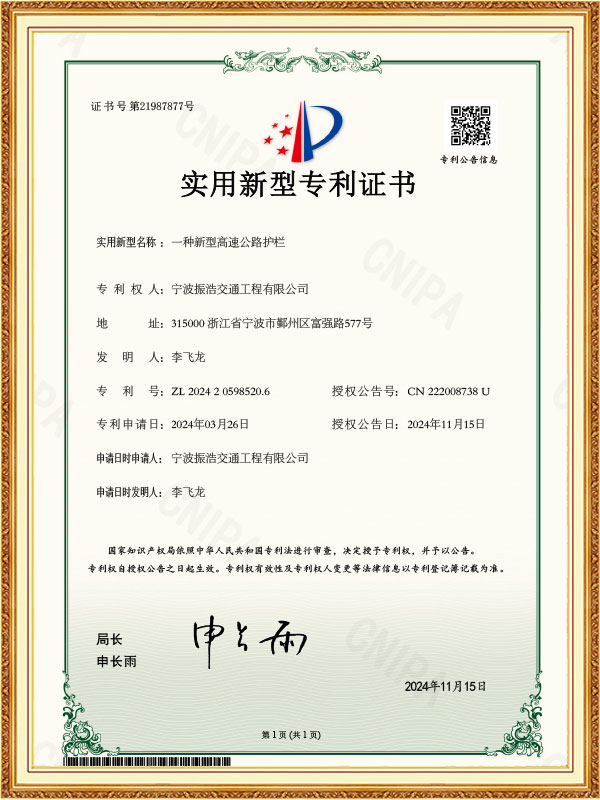
Zhenxuan Traffic Engineering Co., Ltd. is a large manufacturers of professional responsible for the design, production and sales of a series of guard rails, guard rails and high-speed soundproofing screens. As China Road Noise Barrier Manufacturers and Sound Absorbing Barrier Factory, the company relies on high-speed guard board production equipment, the production quality meets national standards, and the product design is carried out using a computer...

A metal flood protection board is the most robust and reliable solution for preventing floodwater intrusion through doorways, entrances, and low-level openings. Unlike sandbags or plastic barriers, a properly engineered metal flood protection board system provides a demonstrable seal against water...
READ MORESpecifying a zinc steel fence guardrail provides municipal developers, industrial civil engineers, and premium estate managers with the ultimate equilibrium of structural yield strength, permanent electrochemical corrosion protection, and minimal long-term maintenance overhead. While alternative pe...
READ MORELearning how to build a wire mesh fence comes down to four fundamentals: set posts on a straight, correctly spaced line, unroll the mesh with steady tension, anchor it to every post without slack, and secure the ends with tension bars so the whole run stays tight for years instead of months. Mapp...
READ MORESelecting the right steel mesh fence manufacturer depends on balancing geometric rigidity against localized atmospheric corrosion. High-security infrastructure requires manufacturers utilizing heavy 4-gauge to 8-gauge wire with a minimum tensile strength of 500 MPa, combined with advanced Zinc-Alu...
READ MOREHow Do Advanced Noise Barriers Safeguard Quality of Life?
The Pervasive Threat of Environmental Noise Pollution
The constant growth of urban centers, coupled with the expansion of high-speed transportation networks like railways and highways, has led to a significant and often underestimated public health crisis: environmental noise pollution. Far beyond a mere nuisance, persistent high levels of noise—from vehicle engines and traffic friction to industrial operations—have been scientifically linked to adverse health outcomes, including stress, sleep disturbance, hypertension, and reduced cognitive performance. This persistent sonic intrusion directly degrades the quality of life and work for millions of people residing near these corridors. The necessity for effective mitigation measures has never been greater, establishing the Noise Barrier as an essential and ubiquitous component of modern infrastructure.
A Noise Barrier is much more than a simple wall; it is a meticulously engineered facility designed to reduce environmental noise pollution and improve the quality of life and work. Its functional mechanism relies on a sophisticated acoustical strategy: blocking, absorbing, and reflecting noise. By strategically placing these barriers between the noise source and the protected area (the receiver), the barriers significantly reduce the spread of noise energy. They act as a silent protector, shielding residents, employees, and passers-by from noise interference, and thus actively creating a quieter, safer, and more comfortable living and working environment.
The Dual Role of Barrier Mechanics: Reflection vs. Absorption
The efficacy of a Noise Barrier depends fundamentally on its ability to manage sound energy. There are two primary mechanisms at play, often integrated into a single structure: reflection and absorption.
Reflection (Simple Barrier)
The simplest form of a Noise Barrier acts as a reflector. When sound waves strike a dense, non-porous surface, the energy is largely reflected back toward the source or into the opposite direction. This mechanism is highly effective when the barrier is significantly taller than the line of sight between the source and the receiver, creating an acoustic shadow or zone of silence. However, purely reflective barriers can sometimes exacerbate noise issues by redirecting sound energy toward other nearby communities or infrastructure, essentially converting the problem from a primary transmission issue to a secondary reflection issue.
Absorption (Sound Absorbing Barrier)
To counteract the negative effects of pure reflection, modern infrastructure increasingly specifies the Sound Absorbing Barrier. This category utilizes advanced sound insulation technology and high-efficiency materials to actively dissipate sound energy. When sound waves enter the porous surface material of a Sound Absorbing Barrier, friction causes the acoustic energy to be converted into negligible amounts of thermal energy. This is a critical distinction from reflective barriers, as it not only shields the area behind the barrier but also reduces the total amount of noise energy re-entering the environment.
The structure of a typical Sound Absorbing Barrier is often a composite system: a dense, non-porous back panel (for mass and structural integrity) combined with an acoustically porous facing material that faces the sound source. This combination ensures maximum performance, providing the required efficient noise isolation effects by both blocking and dissipating the sonic energy.
The Role of Engineering Excellence and Structural Optimization Design
The acoustic performance of a Noise Barrier is highly dependent on its physical design—height, length, proximity to the source, and material composition. This requires precise structural optimization design rooted in the physics of sound propagation. Design considerations include:
Diffraction: Sound waves tend to bend over the top edge of a barrier, a phenomenon known as diffraction. The taller the barrier, the less sound energy diffracts to the receiver. Structural optimization design calculates the minimum necessary height to achieve the target noise reduction level.
Ground Effect: The interaction of sound waves with the ground surface can influence performance. The barrier and the ground plane form a complex acoustical system that must be modeled accurately.
Wind Loading: As these structures are often placed on highway shoulders or elevated viaducts, the design must account for extreme wind forces. This ensures the structural integrity and long-term reliability of the barrier, especially when large Sound Absorbing Barrier panels are involved.
Companies that prioritize engineering, such as Ningbo Zhenhao Traffic Engineering Co., Ltd., understand that product design and structural integrity are inseparable. This large professional manufacturer, responsible for the design, production, and sales of infrastructure products like guard rails and high-speed soundproofing screens, applies rigorous engineering standards to ensure that its Noise Barrier systems not only meet acoustic targets but are also durable enough to withstand the rigors of traffic vibration, weather, and time. Their specialization as a reputable China Road Noise Barrier Manufacturers stems from integrating deep traffic engineering knowledge with sophisticated acoustic requirements.
2. What Materials and Manufacturing Ensure Certified Noise Isolation?
The Material Science of Silence: Selecting High-Efficiency Materials
Achieving reliable and sustainable noise reduction requires a dedicated selection of high-efficiency materials that balance cost, durability, and acoustic performance. As a specialist Sound Absorbing Barrier Factory focuses on product optimization, the material choice moves beyond simple mass and density into specialized composites.
Porous Absorbers (Acoustic Fill)
The heart of the absorption mechanism in a Sound Absorbing Barrier lies in the material used to trap the sound waves. Common high-efficiency materials include:
Mineral Wool/Fiberglass: These lightweight, fibrous materials are highly effective at dissipating sound energy due to their high porosity and tortuosity. They are typically protected from weather and debris by a perforated metal or aluminum alloy screen.
Recycled/Engineered Plastics: Specialized foams and polymer composites are increasingly used for their weather resistance and environmental sustainability. These materials offer tailored absorption coefficients across different frequency ranges, allowing manufacturers to fine-tune the barrier for specific noise sources.
Barrier Face and Structure
The visible face and structural frame are typically fabricated from resilient, durable metals to protect the internal acoustic materials and ensure the long service life of the Noise Barrier.
Aluminum Alloys: Preferred for their lightness, corrosion resistance, and ease of maintenance, aluminum is often used for the perforated facing sheets and structural frames, especially in areas where weight restrictions are a concern.
Galvanized Steel: Used for structural columns and the main mass element of reflective panels due to its high strength and low cost. Its protective zinc coating provides the necessary corrosion resistance for long-term outdoor exposure.
Transparent Acrylics/Polycarbonates: Used in scenarios where light and visibility are crucial (e.g., residential areas, architectural features). These panels are treated or fabricated with embedded structures to increase mass and viscoelasticity, improving their sound-blocking capability while allowing light passage.
The Manufacturing Discipline: From Design to National Compliance
The credibility of China Road Noise Barrier Manufacturers rests on a manufacturing infrastructure capable of delivering consistent, high-quality products that can withstand harsh environments and perform reliably for decades. For an operation like Zhenhao Traffic Engineering Co., Ltd., which functions as a leading Sound Absorbing Barrier Factory, this process integrates advanced sound insulation technology with state-of-the-art production methods.
Precision through Digitization and Automation
The complex geometry and critical tolerances required for noise barriers—particularly those utilizing integrated absorption chambers—necessitate high-precision manufacturing. The company confirms that its product design is carried out using a computer, which implies the use of Computer-Aided Design (CAD) and Computer-Aided Manufacturing (CAM) systems. This digital link ensures that every component is produced exactly to the precise specifications derived from the structural optimization design, guaranteeing that the barrier’s elements fit perfectly and its acoustic performance is not compromised by gaps or misalignments.
Furthermore, the integration of specialized equipment, such as their high-speed guard board production equipment, demonstrates a commitment to efficient, large-scale output without sacrificing quality. This automated precision is critical for manufacturing high-speed soundproofing screens, where consistency across kilometers of roadside barrier is paramount for achieving uniform efficient noise isolation effects.
The Mandate of Quality and Standardization
For any piece of critical public infrastructure, quality assurance is mandatory. Zhenhao Traffic Engineering Co., Ltd. asserts that its production quality meets national standards, a non-negotiable benchmark that instills trust in stakeholders, from transportation departments to local residents. Compliance with national standards involves:
Acoustic Certification: Products must undergo certified laboratory testing to prove their Sound Transmission Loss (STL) and Noise Reduction Coefficient (NRC) meet specific government-mandated thresholds.
Material Traceability: Ensuring that the high-strength metals and acoustic fills used meet documented specifications for durability, fire resistance, and environmental safety.
Structural Integrity Testing: Verification that the Noise Barrier system can withstand specified wind loads, impact forces, and long-term weather cycling, ensuring reliable and solid protection.
Global Impact and Future Trends
The expertise honed by established China Road Noise Barrier Manufacturers has positioned them as global leaders in providing scalable, cost-effective, and performance-driven solutions. The future of the Sound Absorbing Barrier market is moving toward greater aesthetic integration, utilizing clear or vegetated designs, and incorporating smarter, multi-functional barriers that might also harness solar power or manage air pollution.
Ultimately, the comprehensive approach—starting with the theoretical structural optimization design carried out using a computer, moving through the rigorous application of advanced sound insulation technology and high-efficiency materials, and culminating in production quality that meets national standards—ensures that the final Noise Barrier product effectively blocks, absorbs, and reflects noise. This collective effort, particularly from large, specialized manufacturers like Ningbo Zhenhao Traffic Engineering Co., Ltd., reliably protects communities from environmental noise pollution and succeeds in creating a quieter, safer, and more comfortable living and working environment for everyone.
Contact Us
Add:No. 577 Fuqiang Road, Panhuo Street, Yinzhou District, Ningbo City, Zhejiang Province
Email: [email protected]
Telephone: +86-18058271903
Phone: +86 0571-28284189

Zhenxuan Traffic Engineering Co., Ltd. is a large manufacturers of professional responsible for the design, production and sales of a series of guard rails, guard rails and high-speed soundproofing screens.
PRODUCT
case
 Custom Noise barrier Factory
+86-18058271903