
 English
 Español
Color steel plate roof solar bracket
Color steel roof photovoltaic bracket is a photovoltaic bracket system specially...
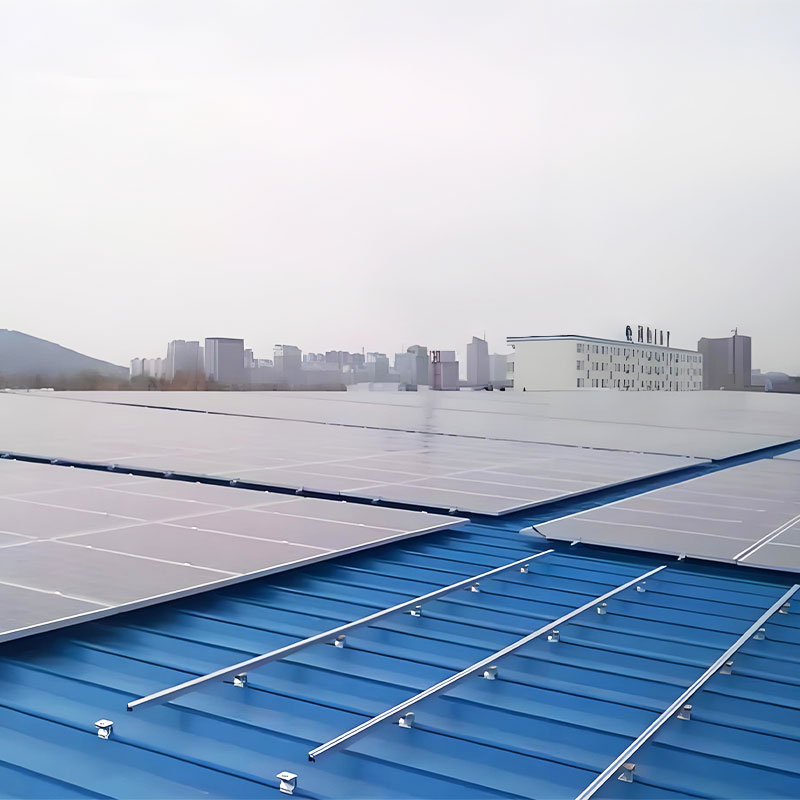
Color steel roof photovoltaic bracket is a photovoltaic bracket system specially...
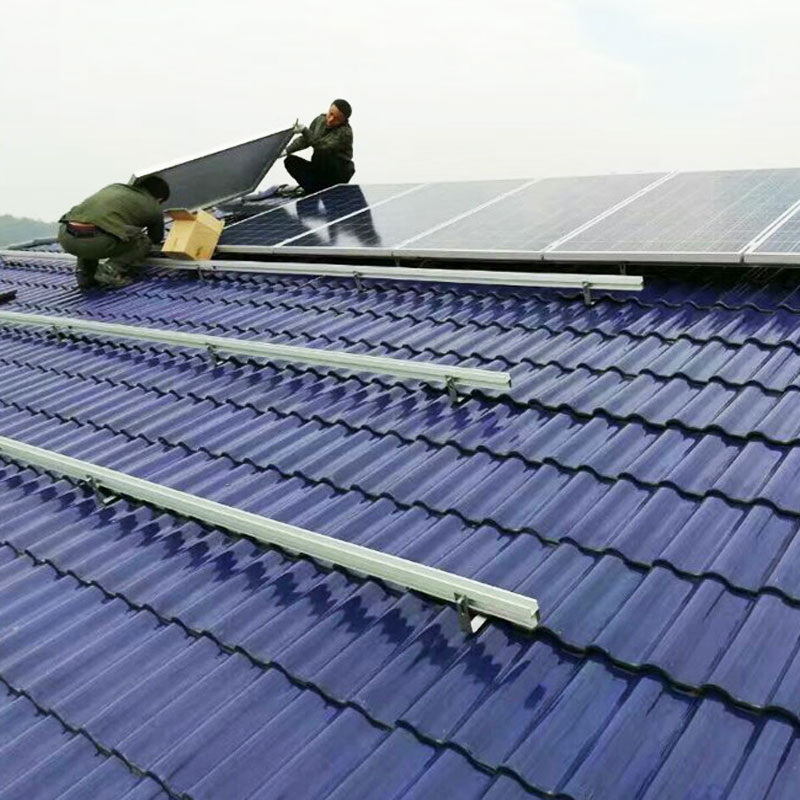
The sloping roof (tile roof) photovoltaic bracket is a photovoltaic bracket syst...
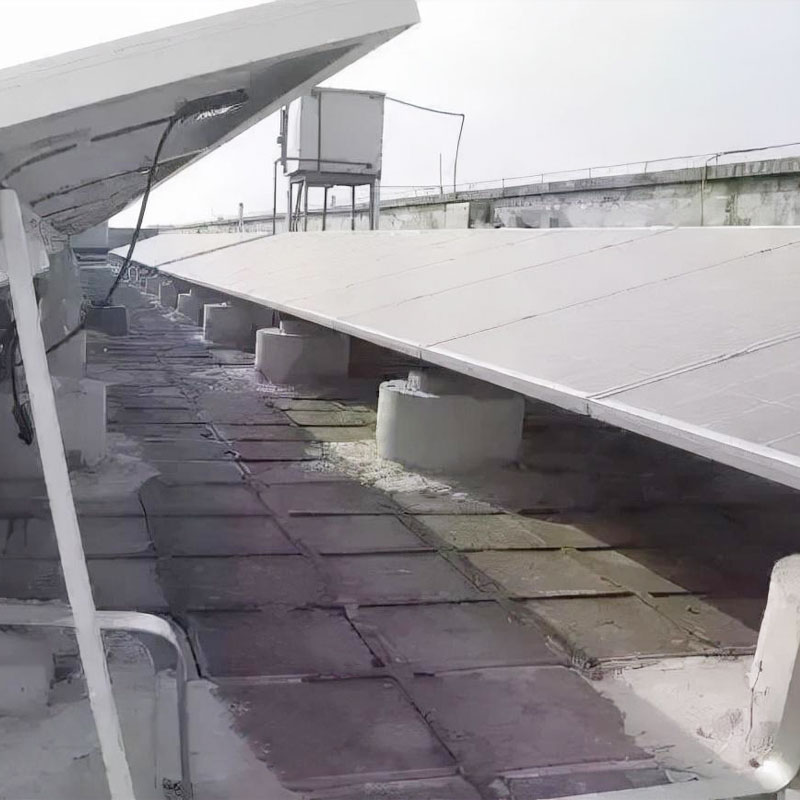
Flat roof photovoltaic bracket is a photovoltaic bracket system designed specifi...
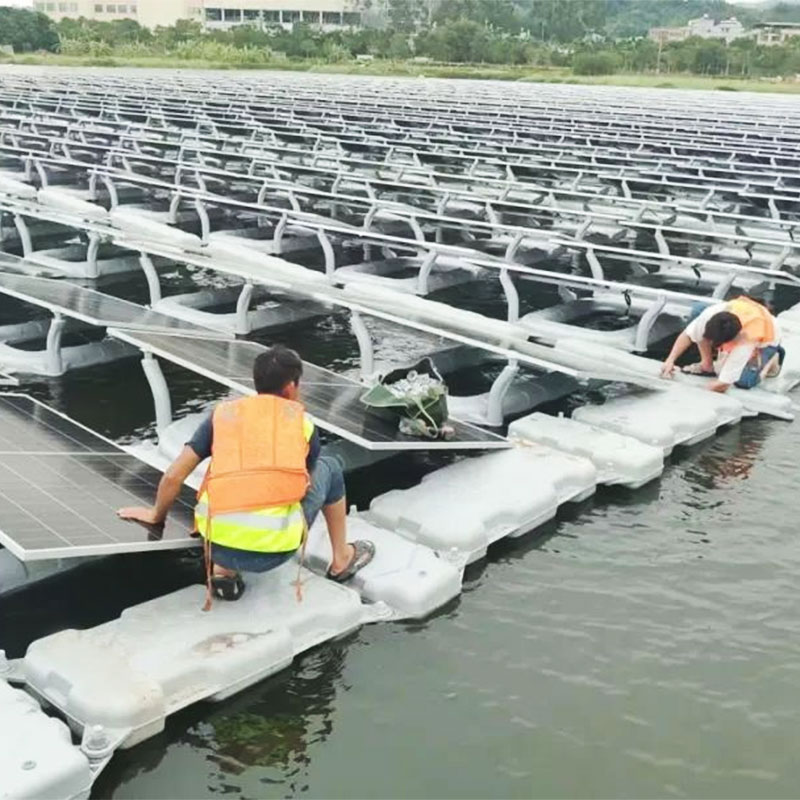
The floating surface photovoltaic bracket is mainly composed of buoys, cable tro...
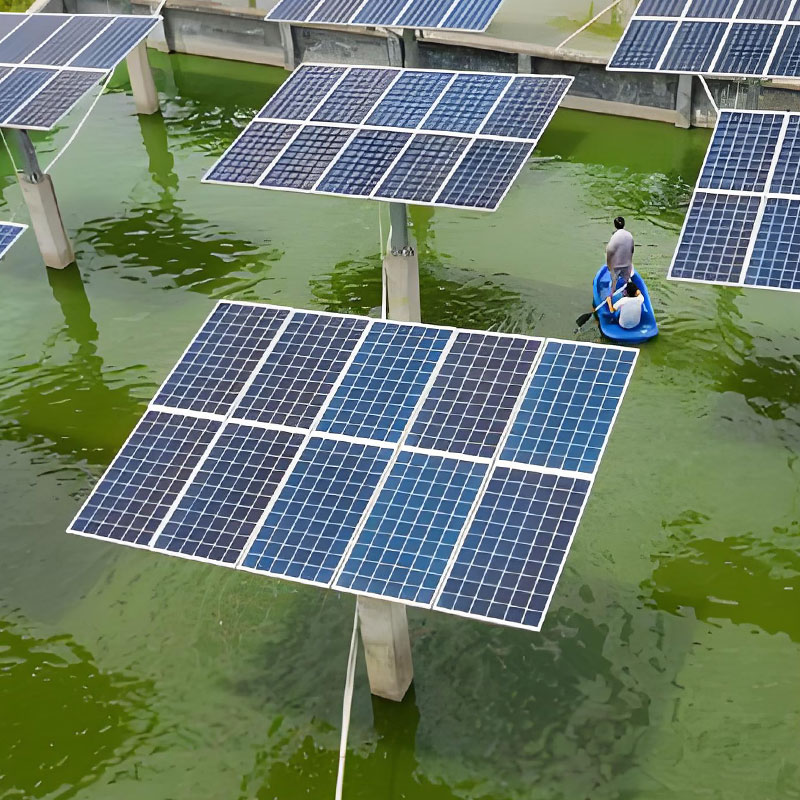
Fixed surface photovoltaic brackets are usually composed of columns, beams, conn...
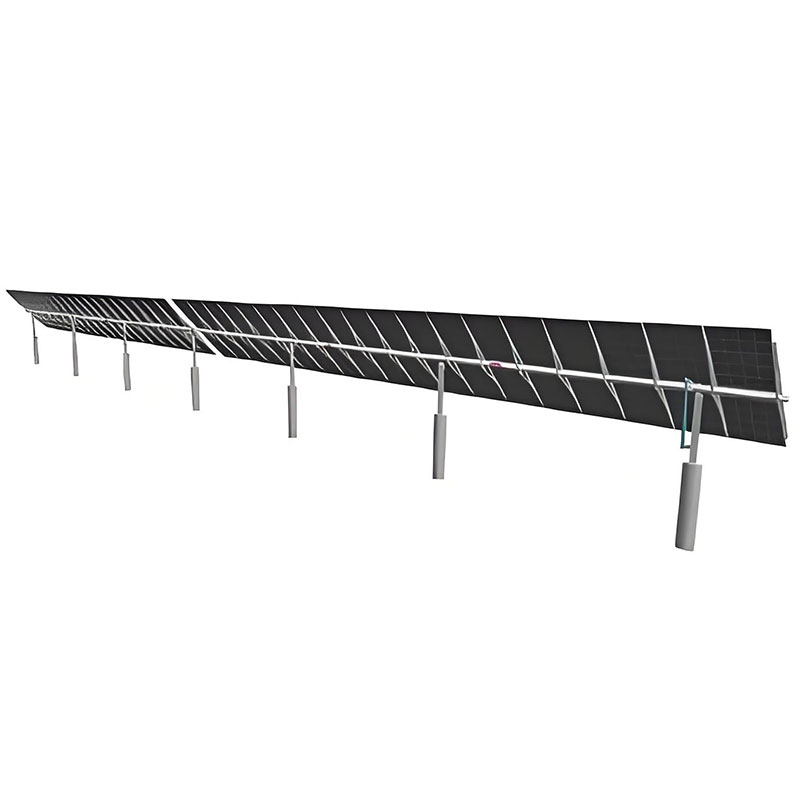
The single-column bracket is mainly composed of a column perpendicular to the gr...
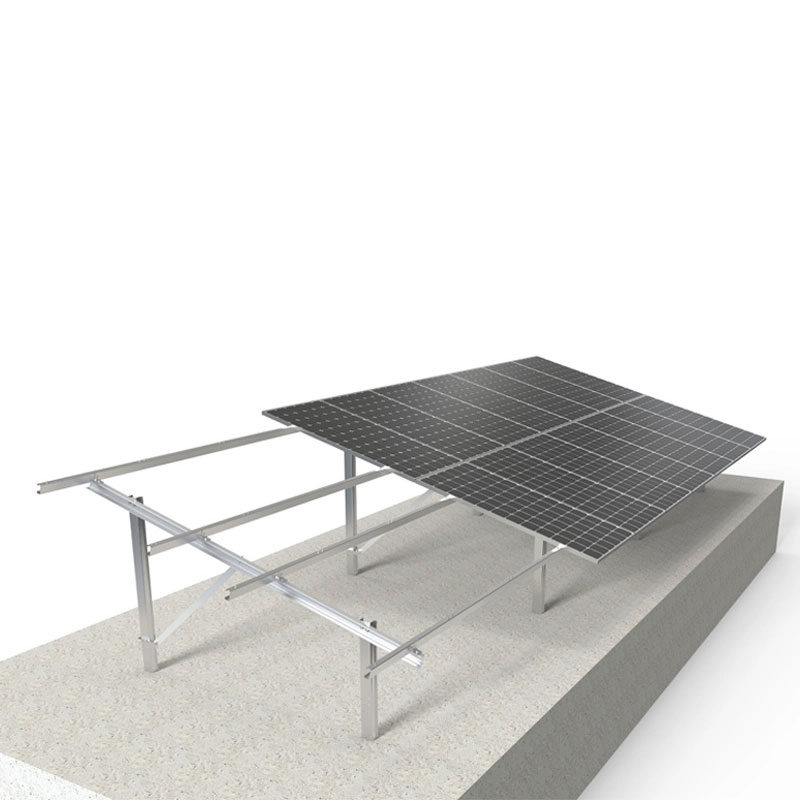
The double-column bracket is mainly composed of two columns perpendicular to the...
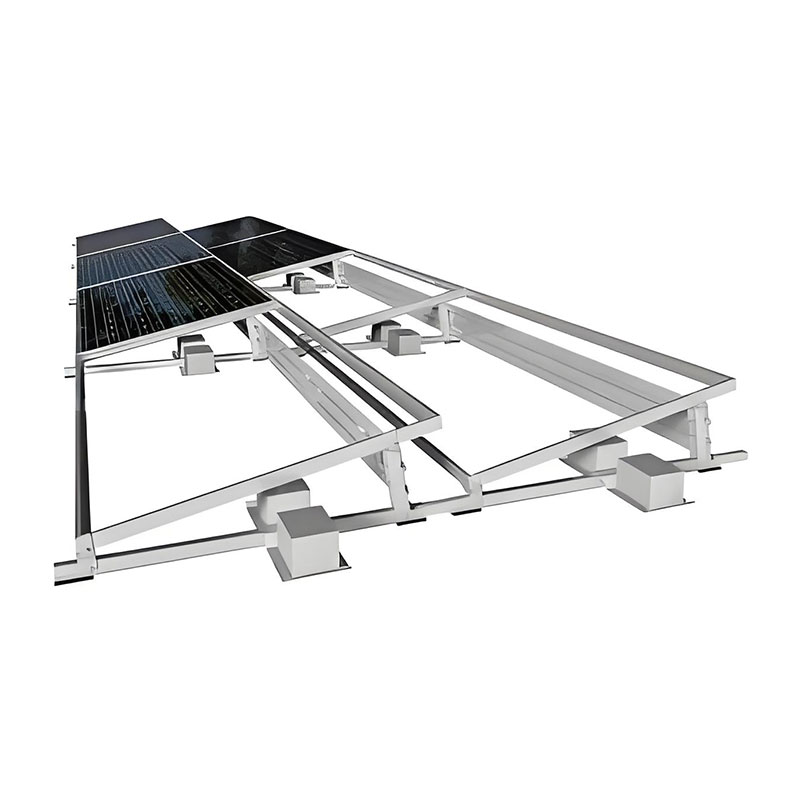
The frame-type bracket is mainly composed of columns, beams, connectors and fast...
Solar Bracket is a support structure designed for solar photovoltaic systems, which aims to provide a stable and safe installation platform for solar panels. With its high strength, durability and adaptability, solar brackets can ensure the stable operation of photovoltaic modules under various environmental conditions and improve the efficiency and life of the overall photovoltaic system. Whether installed on the roof, water or ground, this series of products can provide reliable support and protection to ensure the long-term stable operation of the photovoltaic system and promote the application of green energy.
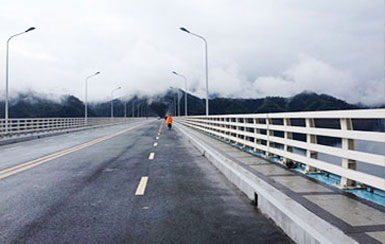
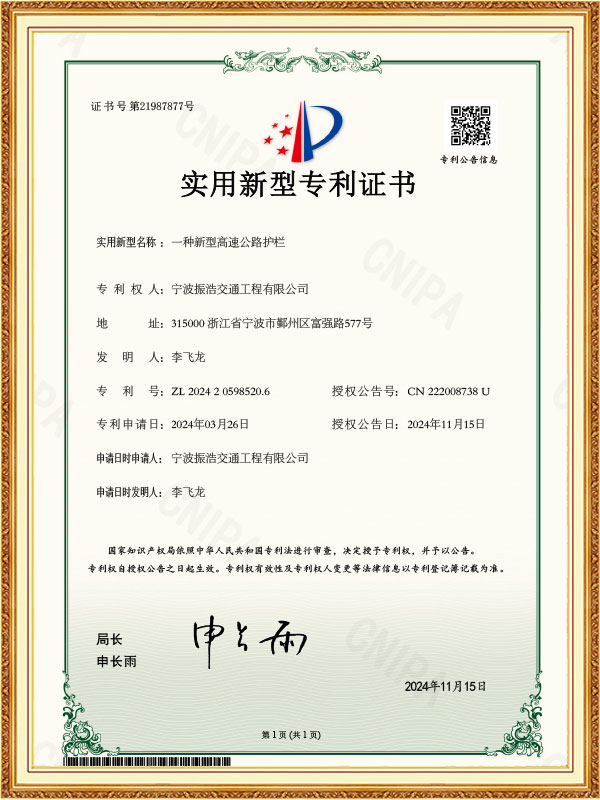
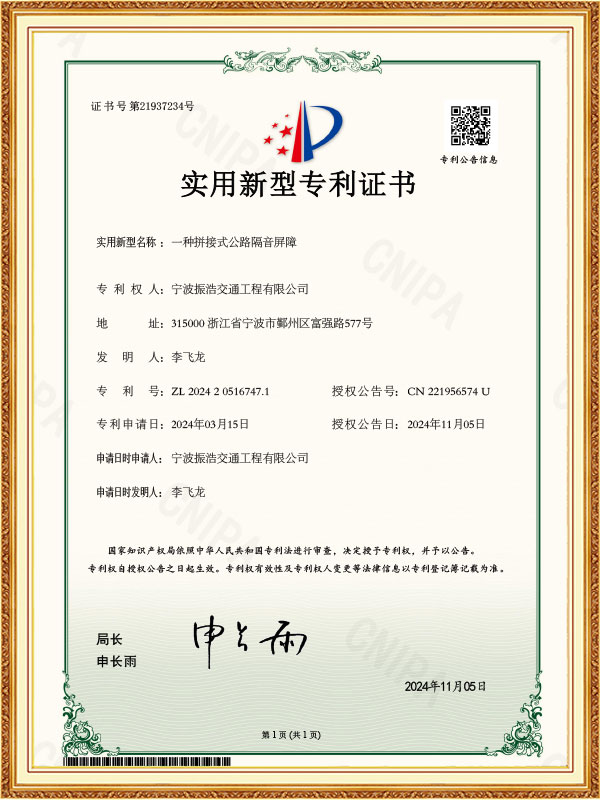
Zhenxuan Traffic Engineering Co., Ltd. is a large manufacturers of professional responsible for the design, production and sales of a series of guard rails, guard rails and high-speed soundproofing screens. As China Solar Mounting Bracket Suppliers and HDG Photovoltaic Bracket Factory, the company relies on high-speed guard board production equipment, the production quality meets national standards, and the product design is carried out using a computer...
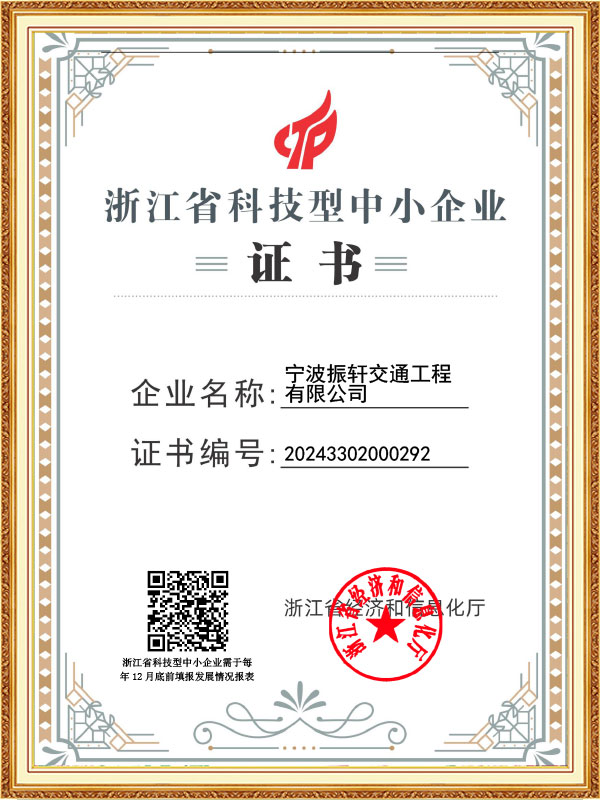
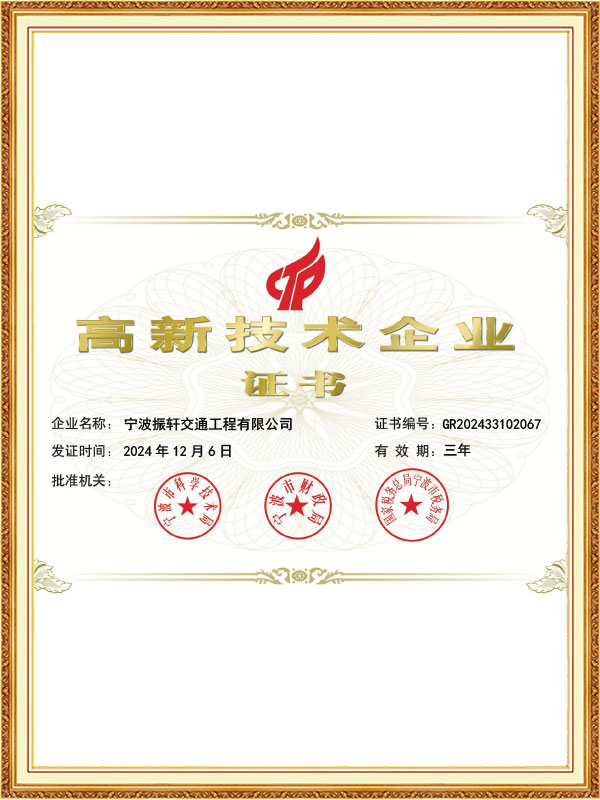
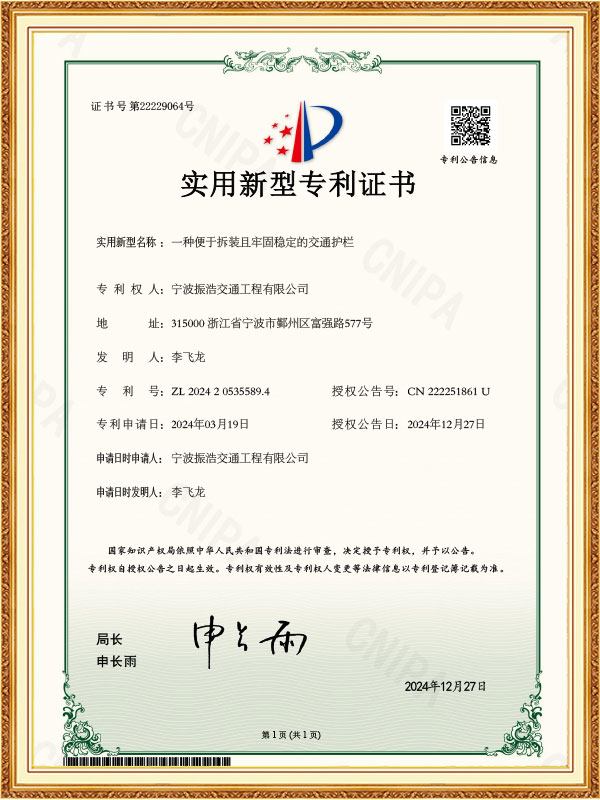
A metal flood protection board is the most robust and reliable solution for preventing floodwater intrusion through doorways, entrances, and low-level openings. Unlike sandbags or plastic barriers, a properly engineered metal flood protection board system provides a demonstrable seal against water...
READ MORESpecifying a zinc steel fence guardrail provides municipal developers, industrial civil engineers, and premium estate managers with the ultimate equilibrium of structural yield strength, permanent electrochemical corrosion protection, and minimal long-term maintenance overhead. While alternative pe...
READ MORELearning how to build a wire mesh fence comes down to four fundamentals: set posts on a straight, correctly spaced line, unroll the mesh with steady tension, anchor it to every post without slack, and secure the ends with tension bars so the whole run stays tight for years instead of months. Mapp...
READ MORESelecting the right steel mesh fence manufacturer depends on balancing geometric rigidity against localized atmospheric corrosion. High-security infrastructure requires manufacturers utilizing heavy 4-gauge to 8-gauge wire with a minimum tensile strength of 500 MPa, combined with advanced Zinc-Alu...
READ MOREHow Does Structural Engineering Transform Solar Mounting Brackets into Critical PV Infrastructure?
The widespread adoption of solar photovoltaic, PV, technology across diverse global environments hinges on one often overlooked component: the Solar Mounting Bracket. While the solar panel itself captures light, the Solar Bracket serves as the indispensable foundation and support structure, bearing the physical loads and maintaining the critical orientation necessary for optimal performance. These systems are far more than simple frames, they are meticulously engineered assemblies designed to provide a stable and safe installation platform for photovoltaic arrays, acting as the system's structural backbone. Without their inherent high strength, durability, and adaptability, the promise of clean green energy would be compromised.
The Engineering Imperative: High Strength and Durability
The primary function of any Solar Mounting Bracket is to transfer the substantial forces acting upon the PV modules safely into the underlying structure or ground. Solar arrays face three major environmental hazards that demand superior mechanical performance:
Wind Load: This is often the most significant challenge, particularly in high-wind zones or on elevated installations like commercial roof systems. Wind creates both uplift and downward pressure, requiring the brackets to possess exceptional high strength to prevent catastrophic failure. The design must account for turbulence, gust factors, and aerodynamic effects, ensuring the system remains anchored and the modules are not dislodged.
Snow Load: In temperate and colder climates, the accumulation of snow and ice adds tremendous vertical stress. The support structure must be designed to withstand this dead load over prolonged periods without deflection or material fatigue that could damage the delicate solar cells within the photovoltaic modules.
Seismic Load: In seismically active regions, the Solar Mounting Bracket must manage inertial forces. The system needs sufficient rigidity to prevent excessive movement while incorporating flexibility to absorb shock, guaranteeing the stable operation of photovoltaic modules during and after an event.
To achieve the requisite durability, brackets are engineered for a service life of 25 years or more, matching the lifespan of high-quality solar modules. This longevity is critical because replacing or repairing a failed bracket system is often labor-intensive and costly, diminishing the financial viability of the entire installation. Therefore, the choice of material and the precision of the structural optimization design are paramount.
Adaptability and Versatility Across Landscapes
A key differentiator for a high-quality China Solar Mounting Bracket Supplier is the ability to offer solutions demonstrating true adaptability across the three main deployment environments: roof, ground, and water. Each environment presents unique challenges that require specialized bracket designs:
Roof Installations: These demand non-penetrating or minimally-penetrating systems to preserve the roof's integrity. Brackets for flat roofs often use ballasted systems, relying on weight rather than anchors, requiring complex calculations to balance ballast against wind uplift. Pitched roof systems utilize specialized rail and clamping mechanisms that interface seamlessly with existing roofing materials, such as shingles, tiles, or metal.
Ground Installations: These require robust foundation solutions, such as concrete piers, screw piles, or earth anchors. The brackets form large, fixed-tilt, or tracking arrays, demanding heavier-gauge steel or aluminum for the main beams and posts. Adaptability here means compensating for uneven terrain and ensuring accurate row alignment.
Water Installations: This niche but growing segment requires buoyant support structures that integrate flotation devices and special mooring systems. The brackets must be resistant to highly corrosive conditions and dynamic water movement, ensuring the stable operation of photovoltaic modules despite currents and waves.
The complexity of these environmental variables means that the design process for every Solar Mounting Bracket system must begin with detailed site-specific engineering analysis, often relying on advanced tools for simulation and structural optimization design.
The Direct Link to PV System Performance
The bracket system is not just about holding panels up, it is about maximizing energy production. The stable and safe installation platform directly impacts the efficiency and life of the overall photovoltaic system in several ways:
Angle and Orientation: Brackets set the precise tilt and azimuth, compass direction, of the modules. Even slight inaccuracies can significantly reduce energy harvest. High-precision brackets maintain this geometry for decades.
Thermal Management: The design of the Solar Mounting Bracket influences airflow beneath the panels. Effective ventilation is crucial as elevated module temperatures reduce efficiency. A well-designed system allows air to circulate, keeping the photovoltaic modules cooler and maximizing power output.
Stress Reduction: Poorly designed or installed brackets can induce mechanical stress on the modules, leading to microcracks in the solar cells—a major cause of long-term power degradation. A quality support structure provides uniform clamping force and maintains the structural integrity of the panels, thereby enhancing the efficiency and life of the overall photovoltaic system.
In essence, the Solar Mounting Bracket is the silent factor that transitions a collection of components into a high-performing, long-term stable operation energy asset. This crucial infrastructure function requires a partnership with specialist manufacturers capable of integrating engineering rigor with material science innovation.
What Manufacturing Standards and Material Science Guarantee the Long-Term Stability of Photovoltaic Support Systems?
The market demands that Solar Brackets provide reliable support and protection for assets valued in the tens of thousands or even millions of dollars. This necessitates a stringent focus on material selection and adherence to international and national standards during the manufacturing process.
Material Selection: The Cornerstone of Durability
The environment surrounding a solar farm is inherently demanding. Between UV radiation, wide temperature swings, abrasive dust, and moisture, the materials chosen for the Solar Mounting Bracket must be exceptional in their resistance to corrosion and fatigue.
Aluminum: Lightweight, intrinsically corrosion-resistant, and easy to machine, aluminum, often in 6005-T5 or 6063-T6 alloys, is the preferred material for rail and clamping components, particularly for roof installations where weight is a primary constraint. Its anodized finish adds an extra layer of protection, enhancing the durability required for decades of exposure.
Steel and Hot-Dip Galvanizing HDG: For heavy-duty ground mount systems, where maximum high strength is required for posts and large structural components, steel is the material of choice. However, raw steel is highly susceptible to rust. This is where the process championed by manufacturers designated as an HDG Photovoltaic Bracket Factory becomes essential. Hot-Dip Galvanizing involves immersing the fabricated steel component into a bath of molten zinc. This process creates a metallurgically bonded, thick coating of zinc that acts as a sacrificial anode, offering decades of superior corrosion resistance, crucial for the long-term stable operation of the system.
Stainless Steel: Used sparingly for small, critical components like fasteners, bolts, nuts, and washers, stainless steel provides the highest level of corrosion resistance, ensuring that the critical connections maintaining the structural integrity of the support structure never fail.
The selection of these high-efficiency materials is directly responsible for ensuring the stable operation of photovoltaic modules by mitigating the single greatest threat to structural longevity: material decay.
The Role of Manufacturing Precision and Standardization
The performance and durability of a Solar Bracket are intrinsically linked to the quality control and precision of its manufacturing process. Mass-produced brackets must consistently meet strict tolerances to ensure interchangeability and reliable fitment during rapid field installation.
In the case of large, professional manufacturers, the integration of advanced technologies ensures consistency and compliance. For instance, Ningbo Zhenhao Traffic Engineering Co., Ltd., known as a reputable China Solar Mounting Bracket Supplier and an HDG Photovoltaic Bracket Factory, applies a focus on manufacturing precision derived from its experience in large-scale infrastructure products. The company relies on specialized equipment, including high-speed guard board production equipment, adapted to the photovoltaic sector, ensuring production quality and output. Furthermore, their commitment to precision, where product design is carried out using a computer, allows for the translation of complex structural optimization design models directly into accurate production sequences.
Adherence to National and International Standards
A key confidence builder for the global deployment of solar energy is the assurance that the Solar Mounting Bracket meets or exceeds national standards and international codes. This validation confirms that the product provides the promised reliable support and protection and is fit for purpose in various regulatory environments. Compliance typically involves testing and certification against:
Structural Codes: These, such as ASCE 7 and Eurocodes, ensure the bracket can withstand calculated extreme wind, snow, and seismic loads.
Material Standards: These, such as ASTM and ISO, verify the chemical composition, yield strength, and corrosion resistance of the aluminum and steel alloys used.
Quality Management: This, such as ISO 9001, certifies that the HDG Photovoltaic Bracket Factory operates a robust system for controlling quality from raw material sourcing through to final product inspection.
By meeting these non-negotiable standards, manufacturers guarantee that their support structure will maintain the integrity of the stable and safe installation platform over the entire system life.
The Future of Support Structures and Green Energy
The evolution of the Solar Mounting Bracket is moving towards greater integration and efficiency. Future trends include:
Integrated Tracking Systems: Brackets that incorporate single-axis or dual-axis motorization to follow the sun, significantly boosting the efficiency and life of the overall photovoltaic system.
Lightweight Composites: Research into advanced polymers and fiberglass to offer structural integrity with reduced material weight and increased corrosion resistance, especially important for roof and challenging water environments.
Bifacial Optimization: New bracket designs that minimize shading of the module's back side, enabling bifacial panels to capture reflected light and maximize energy production.
The Solar Mounting Bracket is a fundamental enabling technology in the global shift toward green energy. Its role extends far beyond physical support, it is the engineered link between raw sunlight and reliable power generation. Through meticulous structural optimization design, the use of high-efficiency materials like HDG steel and specialized aluminum, and strict adherence to national standards, manufacturers ensure that these essential structures provide the long-term stable operation necessary to sustain the growth of the solar industry worldwide.
Contact Us
Add:No. 577 Fuqiang Road, Panhuo Street, Yinzhou District, Ningbo City, Zhejiang Province
Email: [email protected]
Telephone: +86-18058271903
Phone: +86 0571-28284189

Zhenxuan Traffic Engineering Co., Ltd. is a large manufacturers of professional responsible for the design, production and sales of a series of guard rails, guard rails and high-speed soundproofing screens.
PRODUCT
case
 Custom Solar bracket Factory
+86-18058271903