
 English
 Español
Aluminum alloy flood control water retaining board
Aluminum alloy flood control board, also known as aluminum alloy flood control w...
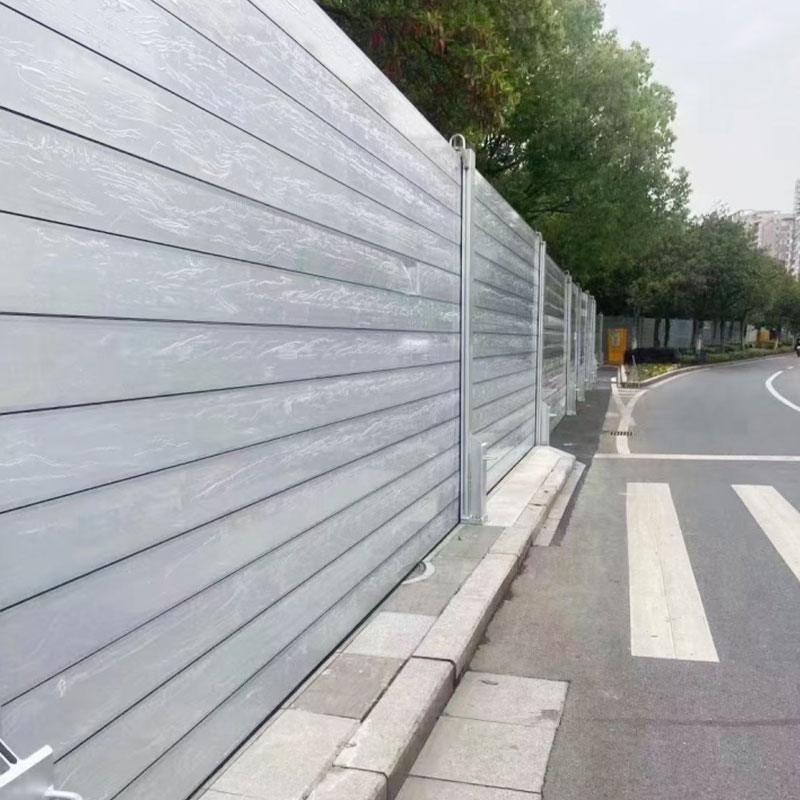
Aluminum alloy flood control board, also known as aluminum alloy flood control w...
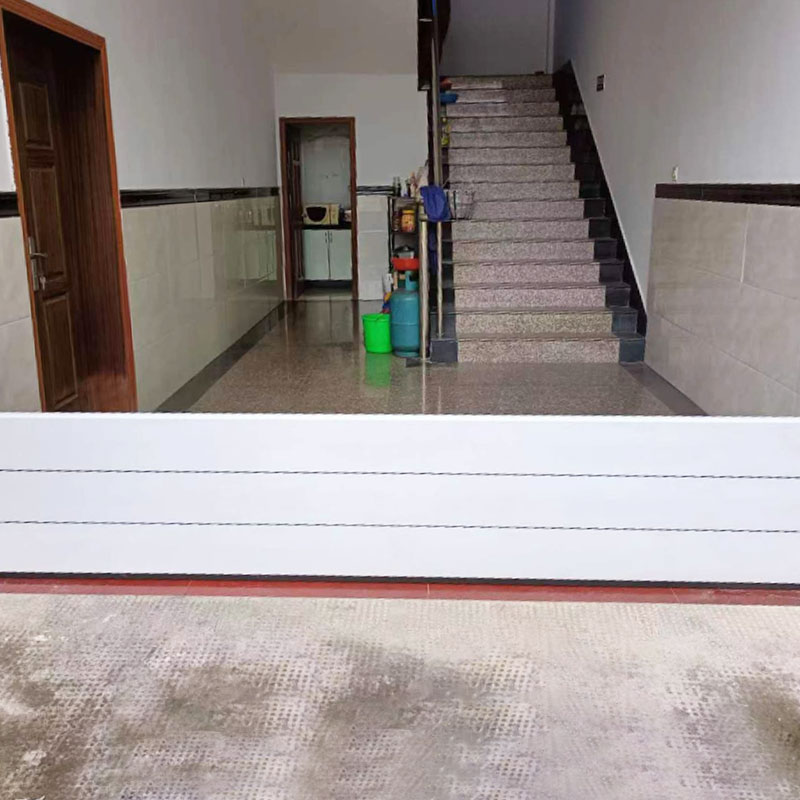
Residential flood control boards are designed for residential areas and are used...
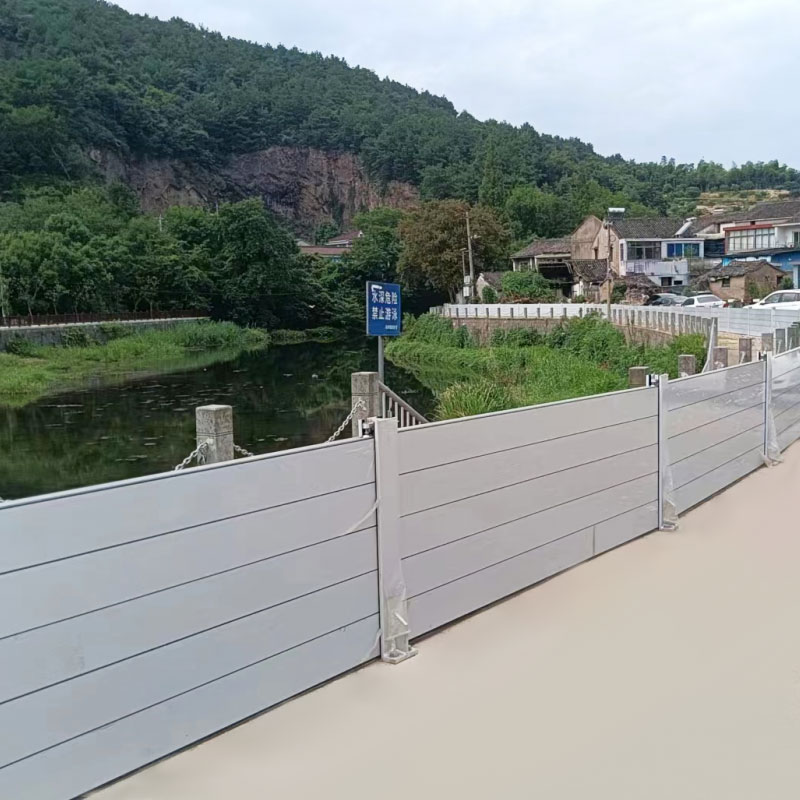
The river flood control board is a kind of protective equipment specially used f...
Aluminum Alloy Flood Protection Board is an efficient protection device designed for flood prevention. It is mainly used in areas vulnerable to floods, such as cities, coastal areas, rivers and underground facilities. It is made of aluminum alloy material, which has the characteristics of corrosion resistance, lightness and high strength. It can effectively isolate water flow when floods come, protect key areas, and protect buildings, infrastructure and property from losses caused by disasters.
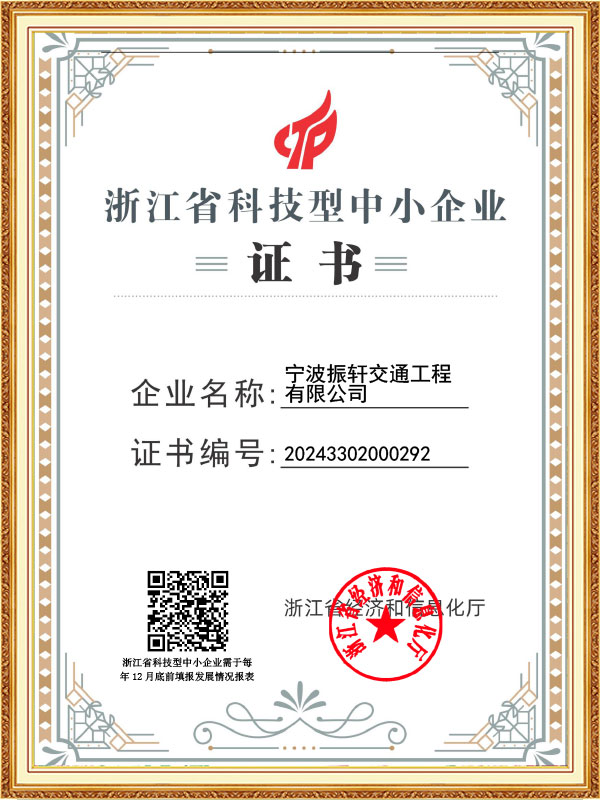
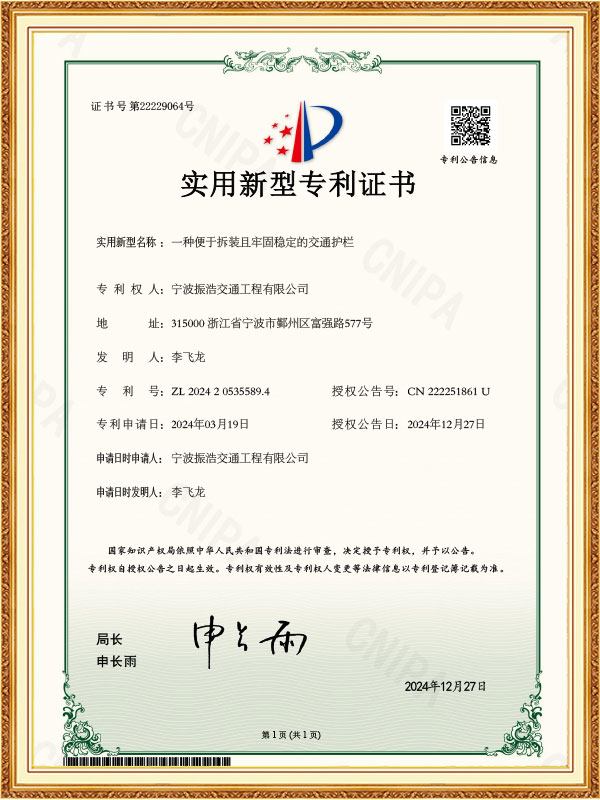
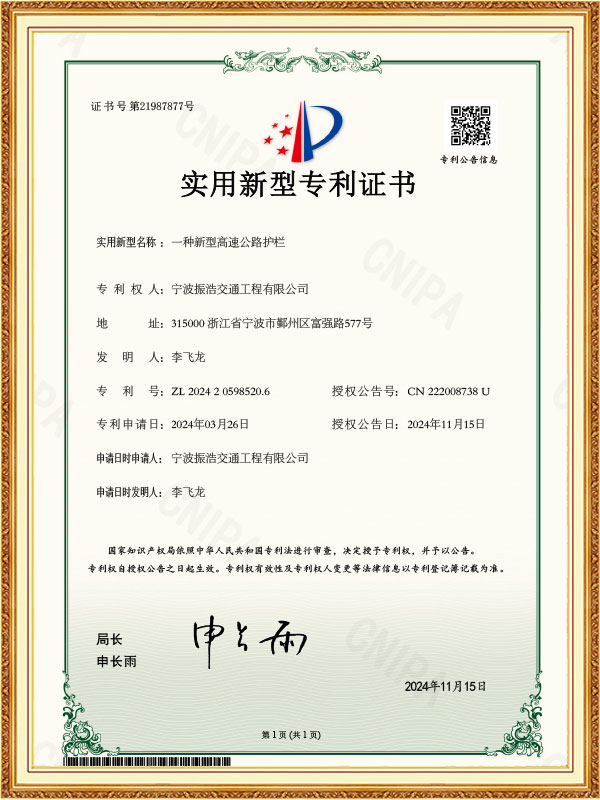
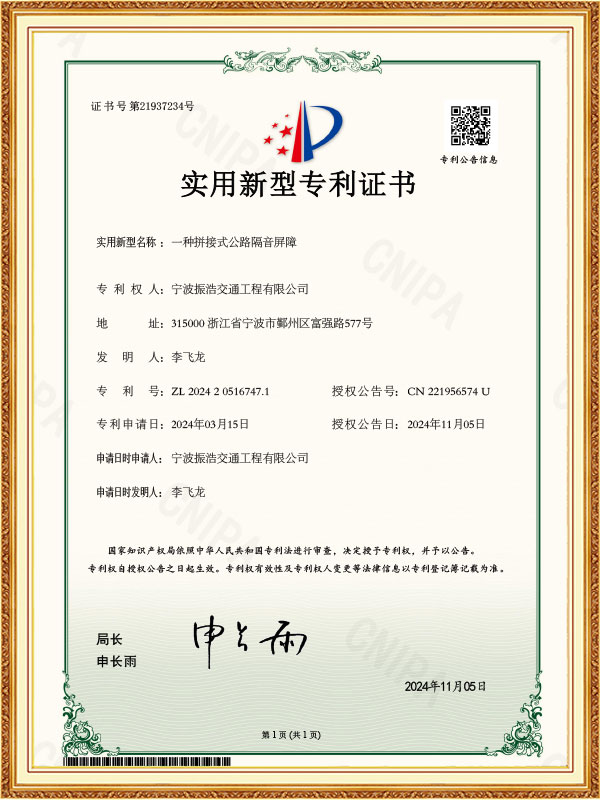
Zhenxuan Traffic Engineering Co., Ltd. is a large manufacturers of professional responsible for the design, production and sales of a series of guard rails, guard rails and high-speed soundproofing screens. As China Aluminum alloy flood protection board Manufacturers and Aluminum Flood Barrier Suppliers, the company relies on high-speed guard board production equipment, the production quality meets national standards, and the product design is carried out using a computer...

A metal flood protection board is the most robust and reliable solution for preventing floodwater intrusion through doorways, entrances, and low-level openings. Unlike sandbags or plastic barriers, a properly engineered metal flood protection board system provides a demonstrable seal against water...
READ MORESpecifying a zinc steel fence guardrail provides municipal developers, industrial civil engineers, and premium estate managers with the ultimate equilibrium of structural yield strength, permanent electrochemical corrosion protection, and minimal long-term maintenance overhead. While alternative pe...
READ MORELearning how to build a wire mesh fence comes down to four fundamentals: set posts on a straight, correctly spaced line, unroll the mesh with steady tension, anchor it to every post without slack, and secure the ends with tension bars so the whole run stays tight for years instead of months. Mapp...
READ MORESelecting the right steel mesh fence manufacturer depends on balancing geometric rigidity against localized atmospheric corrosion. High-security infrastructure requires manufacturers utilizing heavy 4-gauge to 8-gauge wire with a minimum tensile strength of 500 MPa, combined with advanced Zinc-Alu...
READ MOREWhat Are the Structural Features and Advantages of Aluminum Alloy Flood Protection Boards?
1. High-Quality Aluminum Alloy Material:
Aluminum alloy flood protection boards' primary structural feature is the high-quality aluminum alloy material used. Aluminum alloys are lightweight, corrosion-resistant, and strong, making them one of the key materials in flood protection. Compared to traditional steel or concrete flood protection boards, aluminum alloys offer superior oxidation resistance, effectively withstanding seawater, humid environments, and acid-base corrosion. This makes them particularly suitable for use in coastal and river areas.
Ningbo Zhenhao Traffic Engineering Co., Ltd. ensures that the aluminum alloy materials used in their flood protection boards meet national and industry standards. The company's products not only withstand significant water pressure but also guarantee long-term durability.
2. Multi-Layer Composite Design:
Aluminum alloy flood protection boards typically use a multi-layer composite structure to enhance their strength and stability. The outer layer is made of aluminum alloy, while the inner layers are filled with reinforcement materials such as high-density polymers or other waterproof and insulating materials. This multi-layer design enhances the boards' pressure resistance and thermal insulation performance.
Ningbo Zhenhao employs advanced CAD CATIA 2D/3D assisted design systems to customize the structure of the flood protection boards according to actual requirements, ensuring high pressure resistance and long-lasting anti-aging properties.
3. Modular Design and Splicing Method:
Another key structural feature of aluminum alloy flood protection boards is their modular design. The components of the boards can be customized based on site-specific conditions and easily assembled through a splicing method. This design makes the installation process more efficient and also facilitates future maintenance and replacement.
Through fully automated production methods, Zhenhao ensures that the aluminum alloy flood protection boards are manufactured with millimeter-level precision, allowing for tight seams that enhance the waterproofing effect. The modular design also allows for flexibility in adjusting the scale and strength of the flood protection system according to different terrains and requirements.
4. Lightweight and High Strength:
The lightweight nature of aluminum alloy is one of the main structural advantages of the flood protection boards. This feature allows the aluminum alloy boards to meet flood protection needs without imposing excessive load on the foundation. This is particularly important in areas with strong water flow or high water levels.
Ningbo Zhenhao's precision manufacturing processes ensure that the aluminum alloy flood protection boards maintain high strength while being lightweight, offering excellent resistance to external impact and providing reliable flood protection.
5. Wind Pressure and Impact Resistance:
Another major advantage of aluminum alloy flood protection boards is their excellent wind pressure and impact resistance. During extreme weather events such as typhoons, flood protection boards often face strong wind pressure and impact. The structural design and material characteristics of aluminum alloy boards allow them to withstand these forces while maintaining effective protection.
Zhenhao Traffic Engineering has prioritized wind resistance in the design process, ensuring that every aluminum alloy flood protection board meets international standards for wind and impact resistance, enabling it to perform well under harsh conditions.
6. Environmental Sustainability:
Aluminum alloy flood protection boards not only excel in physical performance but also offer good environmental benefits. Aluminum is a highly recyclable material, meaning that the flood protection boards can be reused after their service life, reducing resource waste and aligning with the demand for environmentally friendly materials.
Ningbo Zhenhao Traffic Engineering Co., Ltd. adheres to its principle of “quality is the life of enterprise development, and service is the foundation of enterprise development.” The company is committed to providing products that meet environmental standards, ensuring that the production of aluminum alloy flood protection boards is both high-performing and sustainable.
7. Ease of Installation and Maintenance:
The modular structure of aluminum alloy flood protection boards makes them easy to install and maintain. The boards are designed with standardized interfaces and splicing systems that allow for quick onsite assembly. Additionally, aluminum alloy materials do not require the same complex corrosion treatments as traditional materials, reducing future maintenance costs and extending service life.
Zhenhao's aluminum alloy flood protection boards are designed for efficiency in installation and long-term maintenance. Their durability and ease of maintenance reduce the long-term operational costs for customers, making them a practical choice for flood protection.
What are the advantages of aluminum alloy flood protection boards compared to traditional steel flood protection boards?
1. Lightweight and Easy to Transport and Install
Traditional steel flood protection boards are typically much heavier than aluminum alloy flood protection boards. This weight difference not only increases transportation costs but also makes installation more complicated and time-consuming. Aluminum alloy flood protection boards, with their lightweight properties, significantly reduce labor and equipment costs during installation, and shorten construction timelines.
At Ningbo Zhenhao Traffic Engineering Co., Ltd., we use advanced automated production equipment and precise craftsmanship to ensure that our aluminum alloy flood protection boards maintain both lightweight and strong structural integrity. Their lightweight nature allows for quicker, more flexible installation, even in restricted or challenging terrains.
2. Superior Corrosion Resistance
Steel flood protection boards, while strong, are prone to rust and corrosion when exposed to moisture, saltwater, and other corrosive elements, especially in coastal or high-humidity environments. Aluminum alloy, on the other hand, naturally forms a dense oxide layer on its surface, providing excellent protection against corrosion. This oxide layer prevents further oxidation and ensures long-term durability.
At Ningbo Zhenhao Traffic Engineering Co., Ltd., our aluminum alloy flood protection boards are manufactured with high-quality aluminum materials that offer outstanding resistance to corrosion, ensuring that our products maintain their performance even in harsh environments, such as coastal regions and industrial areas.
3. Enhanced Wind and Impact Resistance
Flood protection boards are often exposed to extreme weather conditions, including strong winds and heavy rain. While steel flood protection boards may be strong, their weight can make them less effective against high wind pressures. Aluminum alloy flood protection boards, with their combination of lightness and strength, are better able to withstand wind forces and impact, providing a more reliable barrier in extreme conditions.
Our aluminum alloy flood protection boards are designed using advanced computer-aided design (CAD) systems, ensuring they are optimized for both wind resistance and impact durability. This provides our customers with a robust, reliable solution for flood protection in any weather condition.
4. Higher Sustainability and Environmental Benefits
The production and use of steel flood protection boards can contribute to higher carbon emissions, while aluminum alloy is a highly recyclable material. Aluminum flood protection boards can be fully recycled at the end of their life cycle, significantly reducing waste and conserving resources, which aligns with today's environmental and sustainability standards.
At Ningbo Zhenhao Traffic Engineering Co., Ltd., we are committed to producing environmentally friendly products. Our aluminum alloy flood protection boards are manufactured in compliance with international environmental standards, ensuring that our solutions not only provide excellent protection but also minimize environmental impact.
5. Lower Maintenance Costs and Longer Service Life
Steel flood protection boards often require regular maintenance, such as anti-rust treatments, especially in moist or salty environments. Aluminum alloy flood protection boards, thanks to their corrosion resistance, require little to no special maintenance, leading to significantly lower long-term costs.
Our aluminum alloy flood protection boards are designed with durability in mind, ensuring they remain in excellent condition for many years. With minimal maintenance required, our customers can save on both time and resources while enjoying the long-lasting benefits of our products.
6. Flexible Structure and Strong Adaptability
Traditional steel flood protection boards often have rigid structures that may not be ideal for certain environments. Aluminum alloy flood protection boards, however, offer greater flexibility and adaptability. They can be customized to fit different terrains, environmental conditions, and flood protection requirements.
At Ningbo Zhenhao Traffic Engineering Co., Ltd., we leverage our advanced CAD systems to design aluminum alloy flood protection boards tailored to the specific needs of our clients. Whether for urban flood control, river management, or specialized applications, our products provide flexible and customizable protection solutions.
7. Modern Aesthetic Design and Visual Appeal
Beyond functionality, aluminum alloy flood protection boards also offer superior aesthetic flexibility compared to traditional steel options. Steel boards are often limited in their visual design, while aluminum can be treated with anodizing, painting, or other surface finishes to create a more attractive appearance that blends seamlessly into the surrounding environment.
Ningbo Zhenhao Traffic Engineering Co., Ltd. places significant emphasis on both the functional and visual aspects of our products. Our aluminum alloy flood protection boards not only provide excellent protection but also enhance the aesthetic value of the areas in which they are installed.
What is the Installation Process of Aluminum Alloy Flood Protection Boards and What Should Be Noted?
1. Preliminary Preparation Work
Before officially starting the installation, ensuring that all materials and equipment are ready is the key to successful installation. The preliminary preparation for aluminum alloy flood protection board installation includes the following:
- Material Inspection: Confirm that all aluminum alloy flood protection boards meet the specifications, quantity, and quality requirements. The products from Ningbo Zhenhao Traffic Engineering Co., Ltd. undergo strict quality inspection to ensure they meet national standards and customer requirements.
- On-site Measurement and Planning: Based on the design drawings and actual site conditions, conduct on-site measurements and planning. The layout and installation positions of the flood protection boards should be properly planned based on the specific needs of the project.
- Equipment Preparation: Prepare the necessary tools and equipment for installation, including lifting equipment, bolts, connectors, etc. Aluminum alloy flood protection boards are relatively lightweight, making transportation and handling easier, but safety procedures must still be followed.
2. Install the Base Structure
Before installing the aluminum alloy flood protection boards, the base structure must be completed to ensure the secure installation of the boards. This includes:
- Base Construction: Set up the foundation base at the installation location according to the design requirements. The foundation is usually made of concrete or steel materials, ensuring stability after the flood protection boards are installed.
- Foundation Inspection: After the foundation construction, it is necessary to inspect the foundation for its flatness and load-bearing capacity, ensuring it meets the required standards. The precision of this step directly impacts the long-term stability of the aluminum alloy flood protection boards.
3. Assembly and Splicing of Flood Protection Boards
Aluminum alloy flood protection boards are designed with modular components, and installation involves connecting the individual modules. Each board is equipped with standardized interfaces, ensuring a convenient installation process. The specific steps include:
- Board Connection: Connect the individual modules of the aluminum alloy flood protection boards according to the design drawings. Ningbo Zhenhao Traffic Engineering Co., Ltd.’s aluminum alloy flood protection boards are precisely processed during manufacturing, ensuring tight seams and seamless splicing after installation for optimal waterproofing performance.
- Bolt Fixing: Use bolts and connectors to securely fix each aluminum alloy flood protection board to the base. The torque used to tighten the bolts must be strictly controlled to avoid over-tightening or loosening, which may result in improper sealing or unstable installation.
- Position Adjustment: After each flood protection board is installed, adjustments should be made to ensure all boards are properly aligned to achieve the best protective effect.
4. Inspection and Debugging
Once the flood protection boards are installed, a comprehensive inspection and debugging process is required to ensure all components function properly and that the flood protection system is fully functional:
- Waterproofing Inspection: Check the seams and bolt areas for any leakage. The waterproofing ability of the aluminum alloy flood protection boards is one of their most important features, and any looseness or improper installation at the seams can compromise their waterproofing effectiveness.
- Stability Check: Test the stability of the installed flood protection boards to ensure they remain stable under the impact of wind pressure, water flow, and other external forces.
- Site Cleanup and Acceptance: Clean the site to ensure there are no residual materials that could affect safety or aesthetics. After cleaning, conduct a final quality inspection to ensure the installation of the flood protection boards meets the design standards.
What Should Be Noted During the Installation of Aluminum Alloy Flood Protection Boards?
1. Correctly Choose the Installation Location
When installing aluminum alloy flood protection boards, it is important to select the right location to ensure the protective effectiveness of the boards. For urban flood protection projects, the installation location should be determined based on terrain, drainage needs, and flood flow directions.
2. Foundation Inspection Before Installation
An unstable or uneven foundation can lead to unstable installation of the flood protection boards, potentially affecting their performance. Therefore, the foundation must be thoroughly inspected before installation to ensure that its load-bearing capacity and level meet the required standards.
3. Precision of Board Splicing
The accuracy of splicing aluminum alloy flood protection boards is crucial to their effectiveness. Any gaps or misalignments at the seams can reduce their waterproofing efficiency. During installation, special attention should be paid to the alignment of each board and the tightness of bolt fittings.
4. Weather and Safety During Installation
Choose appropriate weather and timing for installation to avoid adverse weather conditions that could affect the quality of the installation. Safety procedures must be strictly followed during installation to ensure the safety of the workers.
5. Regular Maintenance and Inspection
Although aluminum alloy flood protection boards are durable, regular inspections and maintenance are necessary to ensure their long-term stable performance. Check for any deformations, corrosion, or loosened fittings, and perform repairs as needed to maintain the system’s functionality.
How to Choose the Right Thickness and Specifications for Aluminum Alloy Flood Protection Boards?
Understanding the Basic Parameters of Aluminum Alloy Flood Protection Boards
Aluminum alloy flood protection boards are primarily made from aluminum alloy, offering excellent corrosion resistance, strength, and lightness. The thickness and specifications of these boards are their main technical indicators, typically reflected in the following aspects:
Choosing the Right Thickness Based on Project Needs
Water Flow Pressure in the Flood Area
The water flow pressure and expected floodwater levels are crucial factors in determining the thickness of aluminum alloy flood protection boards. Typically, in areas with heavy water flow or high flood risks, thicker boards are required to ensure sufficient strength and stability. For areas with lower water flow pressures or higher terrain, thinner boards might be adequate.
Climatic Conditions of the Region
The climatic conditions are another significant factor influencing the thickness choice. For regions with marine or humid climates, aluminum alloy flood protection boards need not only to withstand water pressure but also to resist corrosion. With its excellent corrosion resistance, Zhenhao’s aluminum alloy flood protection boards can perform reliably in harsh climates. In such environments, slightly thicker boards may improve protective capability.
Required Protection Height
The protection height of the flood barrier is generally based on the design floodwater level. Higher protection heights generally require thicker boards, as the increased height demands greater structural integrity and resistance to external forces.
Material Strength vs. Weight
Aluminum alloy is a lightweight material, and there is an ideal balance between strength and weight. Thinner aluminum alloy panels can provide sufficient strength, but excessively thin boards could reduce impact resistance and protection performance. Therefore, choosing the right thickness is critical to ensure that the board provides adequate strength without the added weight that complicates installation.
Choosing the Right Specifications Based on Project Scale and Budget
Apart from thickness, selecting the right specifications of aluminum alloy flood protection boards is equally important. The specifications directly influence the board's applicable range, installation methods, and project budget. Here are some factors that influence specification choices:
Protection Needs and Functionality
The required specifications depend on the specific needs of the project. For temporary flood control projects, smaller-sized aluminum alloy flood protection boards may suffice. In contrast, larger, long-term projects may require larger specifications to enhance protection performance.
Installation Space and Environment
The specifications of the boards should be chosen based on the installation site’s space and environmental conditions. For areas with limited space or complex terrain, choosing smaller-sized boards facilitates easier installation and transport. For open river channels or large-scale water projects, larger specifications may be necessary to provide stronger protection.
Budget Considerations
The price of aluminum alloy flood protection boards varies based on their specifications. Choosing the right specifications ensures that the project meets protection requirements while staying within budget. Zhenhao provides a wide range of specifications and thickness options, accommodating both high-end customized requirements and more standard needs, offering customers a reasonable solution within their budget.
Customization and Technical Support
As a professional manufacturer of aluminum alloy flood protection boards, Zhenhao provides comprehensive customization services. Using advanced CAD CATIA 2D 3D design systems, we tailor the specifications and thickness of flood protection boards to meet each customer’s specific needs, ensuring optimal performance and compatibility for each project.
Moreover, Zhenhao offers full technical support to assist clients in choosing the most appropriate thickness and specifications, ensuring the product performs at its best in real-world applications. Our aluminum alloy flood protection boards meet national technical standards and undergo rigorous quality control, ensuring each product is reliable and of the highest quality.
Contact Us
Add:No. 577 Fuqiang Road, Panhuo Street, Yinzhou District, Ningbo City, Zhejiang Province
Email: [email protected]
Telephone: +86-18058271903
Phone: +86 0571-28284189

Zhenxuan Traffic Engineering Co., Ltd. is a large manufacturers of professional responsible for the design, production and sales of a series of guard rails, guard rails and high-speed soundproofing screens.
PRODUCT
case
 OEM/ODM Aluminum alloy flood protection board Suppliers
+86-18058271903