Materials Used for Balcony Stair Handrails
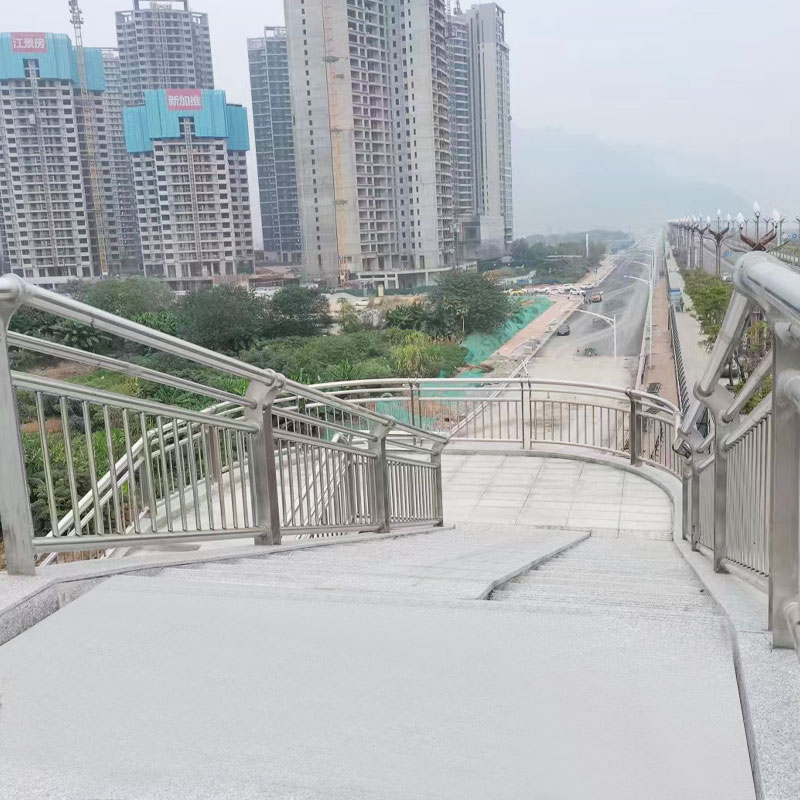
Balcony stair handrails are commonly constructed from metals such as stainless steel, aluminum, or mild steel. Each material has inherent properties that influence its performance under outdoor conditions. Stainless steel contains chromium, which forms a protective layer to resist rust and corrosion. Aluminum naturally develops a thin oxide layer that protects the surface from environmental exposure. Mild steel, while structurally strong, is more susceptible to corrosion and generally requires additional surface treatments to extend its lifespan and maintain its appearance.
Anti-Corrosion Treatments
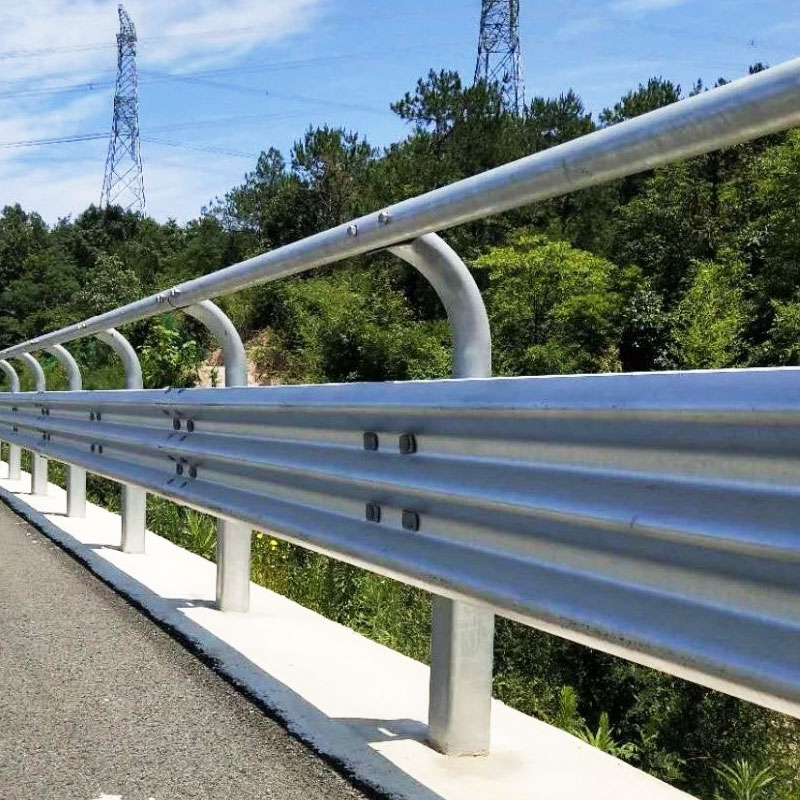
Anti-corrosion treatments are applied to balcony stair handrails to reduce the likelihood of material degradation caused by moisture, pollutants, or salt exposure. Common methods include galvanization, where a layer of zinc is applied to the surface to create a barrier against oxidation. Powder coating is another approach, where a protective polymer layer is applied to prevent moisture from contacting the metal. These treatments enhance durability and maintain the structural integrity of the handrail over time, especially in environments with high humidity or proximity to coastal areas.
Anti-Rust Coatings
Anti-rust coatings specifically target the prevention of iron oxide formation on ferrous metals. Handrails made from mild steel typically receive rust-inhibiting primers or paints before final finishing. These coatings contain chemical agents that slow down the oxidation process. Regular maintenance and touch-ups are often recommended to preserve the protective layer, particularly in areas exposed to rain or airborne pollutants. Rust prevention extends the service life of the handrail and ensures that safety standards are maintained.
Weather-Resistant Features
Weather-resistant treatments address the broader effects of outdoor exposure, including UV radiation, temperature fluctuations, and moisture. Balcony stair handrails may undergo powder coating or anodization to provide resistance against sun-induced fading and surface degradation. Weather-resistant sealants can also be applied to joints or welds to prevent water infiltration and maintain structural performance. These measures help handrails retain their aesthetic and functional qualities over extended periods, even in challenging climatic conditions.
Surface Finishing Techniques
Surface finishing plays a significant role in enhancing the protective characteristics of balcony stair handrails. Polishing and brushing stainless steel not only improve appearance but also remove microscopic imperfections that could harbor moisture or pollutants. Powder coating creates a uniform layer that resists chipping and scratching, while anodizing aluminum increases its corrosion resistance. Selecting the appropriate finishing technique depends on both the material and the expected environmental conditions, ensuring that the handrail maintains its safety and visual appeal.
Maintenance and Longevity Considerations
Even with anti-corrosion, anti-rust, and weather-resistant treatments, balcony stair handrails require routine maintenance to maximize their lifespan. Periodic cleaning removes dirt, salt, and debris that can accelerate wear. Inspections should focus on detecting early signs of rust, paint peeling, or surface degradation. Minor repairs or reapplication of protective coatings help maintain both safety and aesthetics. Proper maintenance complements the initial treatments and ensures that the handrails remain reliable and durable over time.
Environmental Factors Affecting Handrail Durability
The environment in which balcony stair handrails are installed significantly influences the effectiveness of anti-corrosion and weather-resistant treatments. Coastal areas expose metals to salt-laden air, increasing corrosion risk, while industrial regions may have higher levels of airborne pollutants that can accelerate surface degradation. Urban environments often present less severe exposure, but regular precipitation and UV radiation still impact the handrail. Selecting materials and treatments based on environmental conditions helps maintain safety and appearance throughout the life of the installation.
Table of Common Balcony Stair Handrail Treatments
The table below summarizes common treatments for balcony stair handrails, indicating their purpose and typical applications.
| Treatment Type |
Description |
Common Materials |
Primary Benefit |
| Galvanization |
Applying a zinc coating to steel surfaces |
Mild steel |
Prevents rust formation by forming a protective barrier |
| Powder Coating |
Applying a polymer layer through electrostatic deposition and curing |
Steel, aluminum |
Enhances corrosion resistance and provides UV protection |
| Anodization |
Electrochemical process to thicken aluminum oxide layer |
Aluminum |
Improves corrosion and weather resistance |
| Rust-Inhibiting Primer |
Coating that prevents oxidation on ferrous metals |
Mild steel |
Slows down rust formation before final finishing |
| Sealants |
Protective compounds applied to joints or welds |
All metals |
Prevents water ingress and joint corrosion |
Installation Practices for Longevity
Proper installation of balcony stair handrails enhances the effectiveness of anti-corrosion and weather-resistant treatments. Ensuring that handrails are securely anchored, that joints are sealed, and that there is proper drainage to prevent water accumulation are key factors. Avoiding direct contact between different metals reduces galvanic corrosion. Installation techniques that support the protective treatments help maintain safety and appearance, reducing the likelihood of premature deterioration.
Impact of Coating Thickness and Quality
The thickness and quality of protective coatings significantly influence their performance. Powder coatings or paint layers that are too thin may wear off quickly, leaving the metal exposed to the environment. High-quality, properly applied coatings provide a continuous barrier against moisture, chemicals, and UV exposure. Regular inspection of coating integrity and timely touch-ups help maintain the intended level of protection for balcony stair handrails.
Integration with Aesthetic Design
Anti-corrosion and weather-resistant treatments also contribute to the visual appearance of balcony stair handrails. Powder-coated handrails can be produced in various colors and finishes, while anodized aluminum provides a metallic sheen. These treatments not only protect the structure but also integrate with architectural aesthetics. Designers can select finishes that complement building exteriors while still meeting durability and safety requirements.
Long-Term Performance Monitoring
Monitoring the long-term performance of balcony stair handrails is essential to ensure continued safety. Inspections should focus on signs of corrosion, rust, or material degradation, especially in high-exposure areas. Maintenance records can help identify trends and anticipate necessary interventions. Monitoring complements the initial anti-corrosion and weather-resistant treatments, ensuring that handrails remain structurally sound and visually acceptable throughout their service life.
Considerations for Coastal and Harsh Environments
In coastal regions or areas with extreme weather, additional protective measures may be necessary. Thick powder coatings, marine-grade stainless steel, or multiple layers of corrosion-resistant treatments can provide extended durability. Handrails in these environments may require more frequent inspections and maintenance. Choosing the right combination of materials and treatments for challenging conditions ensures that balcony stair handrails maintain both safety and aesthetic performance over time.
Compatibility of Treatments with Maintenance Procedures
Protective treatments should be compatible with routine maintenance procedures. Handrails coated with powder or paint layers can be cleaned with mild detergents without damaging the surface. Anodized finishes allow gentle wiping without removing protective oxide layers. Ensuring that maintenance methods align with applied treatments prolongs the effectiveness of anti-corrosion and weather-resistant measures, reducing the frequency of repair or replacement.
Summary of Protective Treatment Strategies
Protective strategies for balcony stair handrails combine material selection, surface finishing, and environmental considerations. Treatments such as galvanization, powder coating, anodization, and rust-inhibiting primers are applied according to the metal type and exposure conditions. Proper installation, routine maintenance, and monitoring enhance the long-term performance of these treatments. By integrating these strategies, balcony stair handrails can maintain their structural integrity, resist environmental wear, and retain visual appeal over extended periods.

 English
 Español