
 English
 Español
Are workshop mesh fences suitable for areas with high security requirements?
Home / News / Industry News / Are workshop mesh fences suitable for areas with high security requirements?
Workshop mesh fences are typically constructed from metals such as galvanized steel, stainless steel, or welded wire. The choice of material directly affects the fence's strength and resistance to tampering. Galvanized steel provides a protective layer against corrosion, which helps maintain structural integrity over time. Stainless steel offers enhanced durability and resistance to environmental factors, making it suitable for indoor and outdoor use. Welded wire mesh ensures rigidity and limits flexibility, which can deter intrusion attempts in areas with high security requirements.
Mesh fences designed for high-security environments include specific features that enhance safety. These fences often use smaller mesh apertures to prevent climbing or cutting through the material. The mesh may be reinforced with horizontal and vertical wires for additional strength. Height and post design are also critical factors; taller fences with closely spaced, strong posts are more resistant to attempts to breach the perimeter. Security-oriented designs balance visibility, strength, and ease of monitoring for operators and security personnel.
The ability of workshop mesh fences to withstand force is a key consideration for high-security applications. Welded wire panels, combined with sturdy posts and bracing, resist impact and bending. The type of anchoring used—such as concrete footings or embedded posts—affects the overall stability of the fence. Fences in high-security areas are often tested against physical force and climbing attempts to ensure that the material and structure can maintain integrity under stress.
In high-security settings, the long-term durability of mesh fences is essential. Galvanized or coated steel provides resistance to rust and corrosion, which can weaken the structure over time. Stainless steel is less prone to environmental degradation and can maintain strength in harsh or humid conditions. Environmental resistance is particularly important for outdoor workshops, chemical plants, or coastal facilities where moisture, chemicals, or salt exposure could compromise weaker materials.
Workshop mesh fences can be customized to meet specific security standards. Options include varying the wire diameter, mesh size, and fence height to match threat levels. Additional security features, such as anti-climb spikes, tensioned wires, or integrated alarm systems, can be incorporated to enhance protection. Customization ensures that the fence aligns with both regulatory requirements and the operational needs of the facility, providing a layered approach to perimeter security.
The table below outlines typical features of workshop mesh fences that contribute to suitability in high-security environments.
| Feature | Description | Impact on Security |
|---|---|---|
| Mesh Aperture Size | Small gaps between wires to prevent climbing or intrusion | Reduces ability to bypass the fence |
| Wire Diameter | Thicker wires for increased strength | Enhances resistance to cutting and impact |
| Post Strength | Sturdy vertical supports anchored in concrete | Improves stability under force |
| Anti-Climb Design | Top spikes, angled rails, or tensioned wires | Discourages attempts to scale the fence |
| Material Coating | Galvanization or powder coating | Prevents rust and maintains structural integrity |
Workshop mesh fences can be integrated with electronic security systems to enhance monitoring and rapid response. Sensors on the fence detect movement, vibration, or cutting attempts and can trigger alarms or notifications. CCTV cameras can be positioned to cover the fence perimeter, providing real-time visual confirmation of security breaches. Integration of physical barriers with electronic systems increases the effectiveness of the fence in high-security applications.
Maintaining the strength and functionality of workshop mesh fences is essential in high-security areas. Regular inspections check for signs of corrosion, damage, or loosening of fasteners. Repairs and reinforcement are performed as needed to maintain the intended level of protection. Cleanliness and environmental care also prevent accelerated wear and preserve the fence's structural reliability over time. Proper maintenance ensures that fences remain a consistent deterrent against unauthorized access.
High-security installations often require fences that comply with national or industry-specific standards. Standards may dictate minimum wire thickness, fence height, or resistance to mechanical stress. Choosing workshop mesh fences that meet these requirements helps ensure legal compliance and operational safety. Compliance also supports insurance and liability considerations for facilities that rely on high-security fencing for asset protection.
While high-security fences must resist intrusion, visibility through mesh is advantageous. Transparent or see-through designs allow security personnel to monitor activity inside and outside the facility without obstruction. This visibility aids in early detection of unauthorized attempts and supports effective deployment of personnel or security systems. The balance between strength and visibility is a key consideration in selecting workshop mesh fences for high-security areas.
The materials and treatments used for workshop mesh fences have implications for environmental impact. Galvanized or coated metals are durable and can reduce the need for frequent replacement, lowering material waste. Stainless steel is recyclable and maintains performance over decades, contributing to sustainable practices. Selecting environmentally responsible materials complements operational and security goals while supporting broader sustainability initiatives.
High-security workshop mesh fences may require a higher initial investment due to stronger materials, additional features, and integration with security systems. Installation involves precise alignment, secure anchoring, and often customization to match site conditions. While the upfront cost may be significant, the investment provides long-term security benefits and reduces the likelihood of breaches or maintenance-related disruptions. Planning installation carefully ensures the fence functions as intended in high-security applications.
Workshop mesh fences offer adaptability to changing security requirements. Additional layers, higher fences, or supplementary barriers can be added as threats evolve. Customizable panels, modular designs, and flexible layouts allow facilities to scale their security measures without replacing the entire perimeter. This adaptability ensures that the fence continues to meet operational and security objectives over time, accommodating both immediate and future needs.
The following table compares several common types of workshop mesh fences, highlighting features relevant to high-security areas.
| Fence Type | Wire Diameter | Mesh Size | Security Application |
|---|---|---|---|
| Welded Wire Panel | 5-8 mm | 50 x 50 mm | General high-security areas |
| Expanded Metal Mesh | 3-6 mm | 25 x 25 mm | Restricted access areas, anti-climb |
| Chain Link with Coating | 4-6 mm | 40-50 mm | Perimeter fencing with surveillance integration |
| Perforated Steel Panels | 2-5 mm | Small perforations | Sensitive storage or high-security workshops |
Choosing workshop mesh fences for areas with high-security requirements involves evaluating material selection, design features, environmental resistance, and integration with security systems. Proper installation, maintenance, and compliance with standards ensure the fence maintains its intended protective role. Adaptable and customizable designs allow facilities to meet evolving security needs while balancing visibility, durability, and operational efficiency.
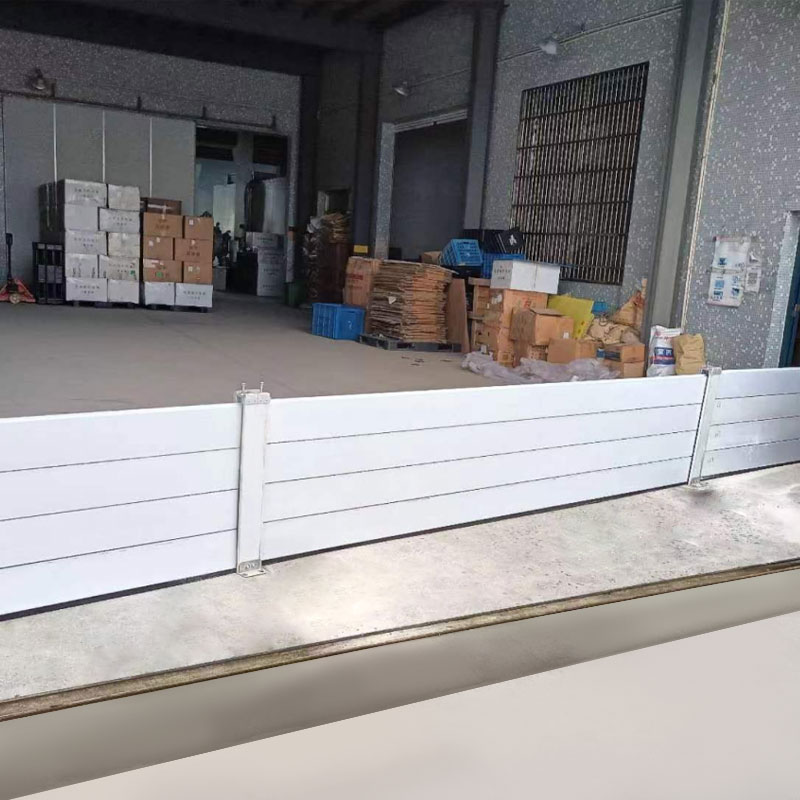
Flood control panels for workshops and factories are important protective equipment used to prevent floods or large amounts of water from invading wor...
See Details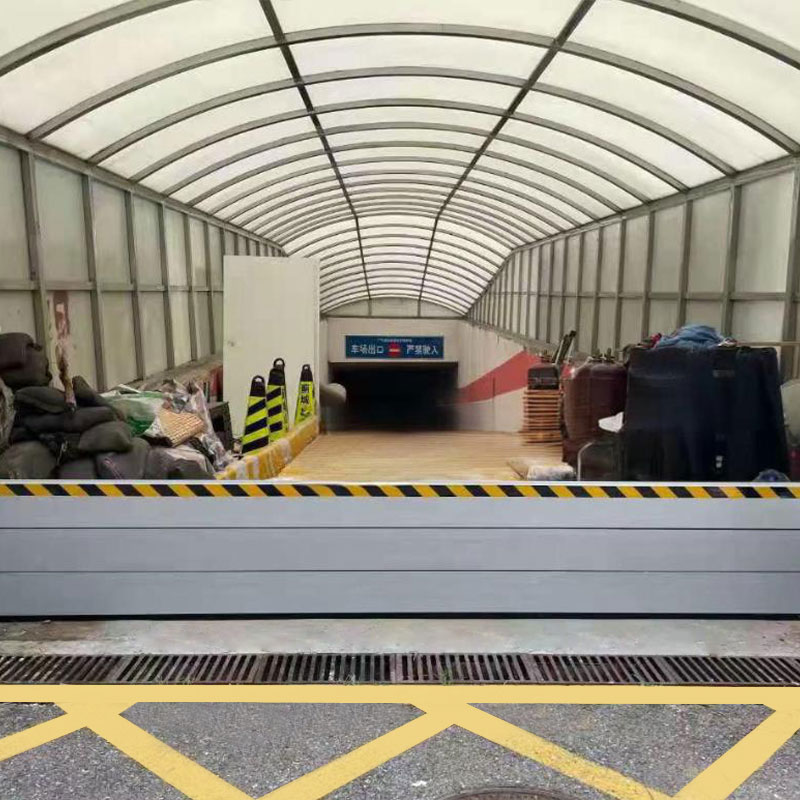
The entrance and exit water retaining plate, also known as water blocking plate, waterproof plate, rain shield, flood control plate, water-proof plate...
See Details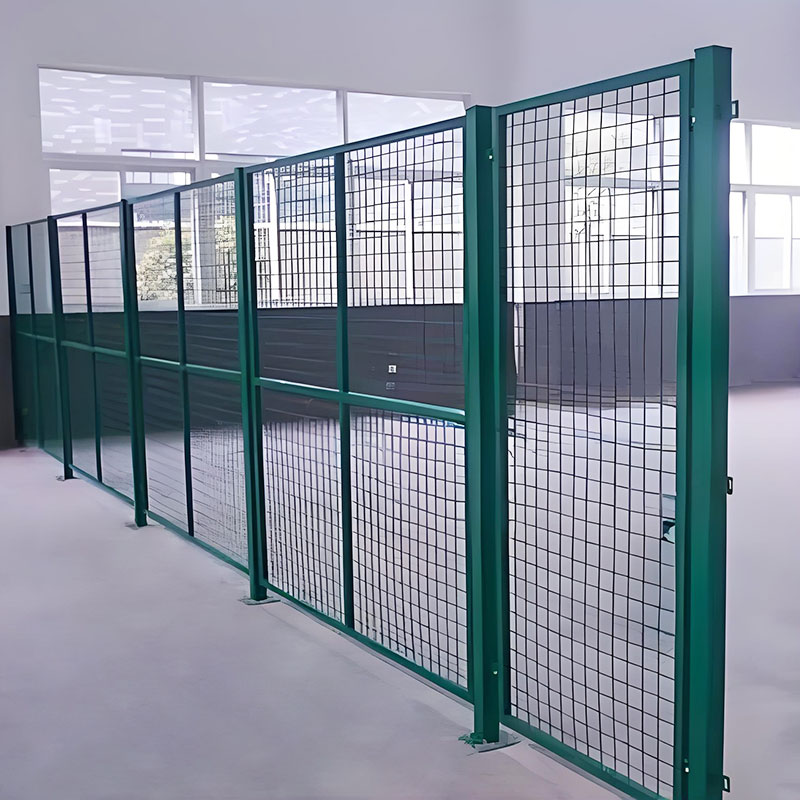
The workshop isolation net, also known as the warehouse isolation net, factory equipment protection fence, or factory workshop partition wire mesh, is...
See DetailsContact Us
Add:No. 577 Fuqiang Road, Panhuo Street, Yinzhou District, Ningbo City, Zhejiang Province
Email: [email protected]
Telephone: +86-18058271903
Phone: +86 0571-28284189

Zhenxuan Traffic Engineering Co., Ltd. is a large manufacturers of professional responsible for the design, production and sales of a series of guard rails, guard rails and high-speed soundproofing screens.
PRODUCT
case
 OEM/ODM Aluminum/Steel Guardrail Manufacturers
+86-18058271903