
 English
 Español
Comprehensive Guide to Traffic Guardrails: Types, Benefits, and Safety Standards
Home / News / Industry News / Comprehensive Guide to Traffic Guardrails: Types, Benefits, and Safety Standards
Traffic guardrails are essential safety features used on roads to prevent vehicles from veering off the path, reducing the risk of accidents and injuries. These barriers are placed along the edge of roads, highways, and bridges to safeguard both drivers and pedestrians. The primary function of a traffic guardrail is to redirect vehicles back onto the road safely, thus minimizing potential damage from collisions.
There are several types of traffic guardrails, each designed to meet specific road conditions and safety standards. Below are the most common types:
W-beam guardrails are one of the most widely used types on highways and rural roads. Their name comes from their distinctive "W" shape, which provides greater strength and deflection capabilities. These barriers are generally made from galvanized steel and are designed to absorb the impact of a vehicle while redirecting it away from danger.
Thrie beam guardrails are similar to W-beam guardrails but have an additional rail for increased strength. They are often used in areas where higher traffic speeds or heavier vehicles are present, providing extra safety and stability. Thrie beams are commonly installed in areas with steep inclines or curves.
Cable guardrails consist of multiple strands of steel cable stretched between posts. These are often used in rural areas with limited resources, as they are cost-effective while still providing adequate safety features. The flexibility of cable guardrails allows them to absorb impacts better, reducing the force exerted on the vehicle.
Concrete barriers, also known as Jersey barriers, are a robust option for high-traffic or urban roads. These barriers are typically used for construction zones or areas where temporary or permanent separation of traffic lanes is required. They are highly effective at preventing vehicle encroachment but lack the flexibility of steel or cable options.
Choosing the right type of traffic guardrail for a specific location depends on several factors, including road conditions, traffic volume, and the potential severity of accidents. Some key factors to consider include:
Traffic guardrails play a critical role in preventing accidents and reducing fatalities. Studies show that roads equipped with these barriers have significantly lower crash rates than those without. The primary safety benefits include:
While traffic guardrails are designed to withstand harsh conditions, regular maintenance is crucial to ensuring their continued effectiveness. Maintenance tasks include:
The longevity of guardrails varies based on the material used. For example, steel guardrails may last 10-15 years, while concrete barriers can last much longer, depending on environmental conditions.
Traffic guardrails are subject to stringent safety standards and regulations worldwide. These guidelines ensure that the barriers provide maximum safety while complying with international road safety practices. Some of the key regulatory bodies include:
These regulations help in the design, testing, and installation of guardrails, ensuring that they meet specific criteria for impact resistance, durability, and overall performance in different driving conditions.
The choice of traffic guardrails can vary significantly between urban and rural areas due to differences in traffic flow, road structure, and accident types. In urban areas, guardrails may need to accommodate higher speeds, dense traffic, and more complex road networks, while rural areas typically require guardrails that focus on reducing risks from sharp curves and uneven terrain.
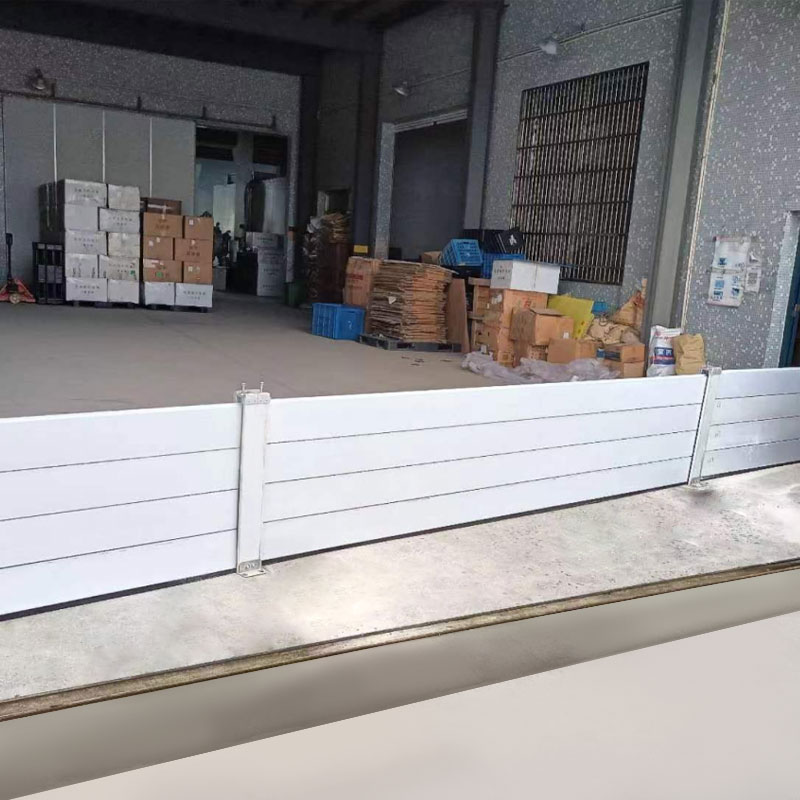
Flood control panels for workshops and factories are important protective equipment used to prevent floods or large amounts of water from invading wor...
See Details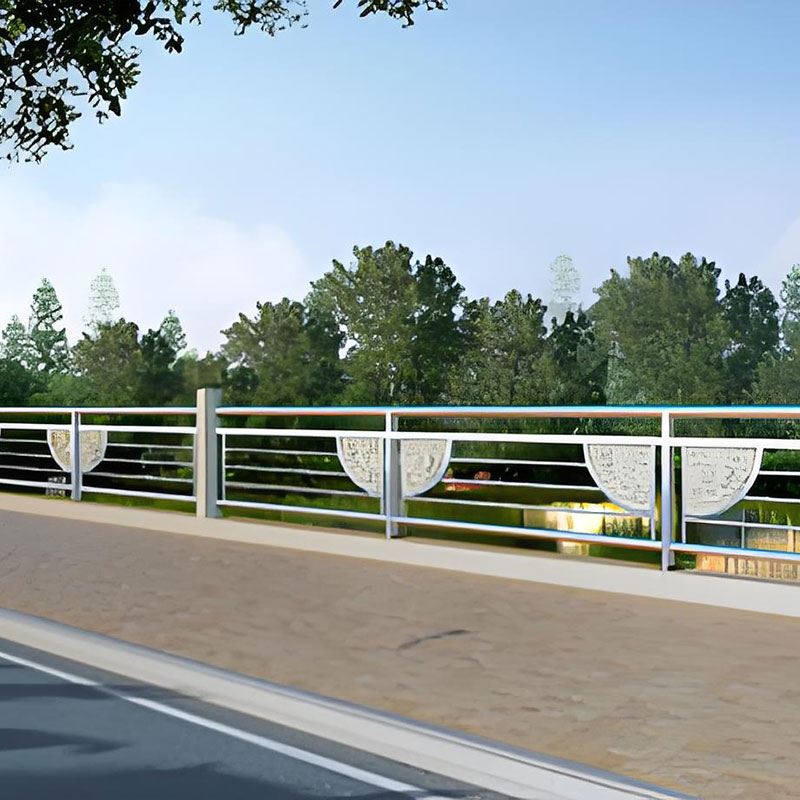
Imitation stone bridge guardrail is a kind of bridge guardrail that simulates the texture and feel of natural stone through modern technology. It is m...
See Details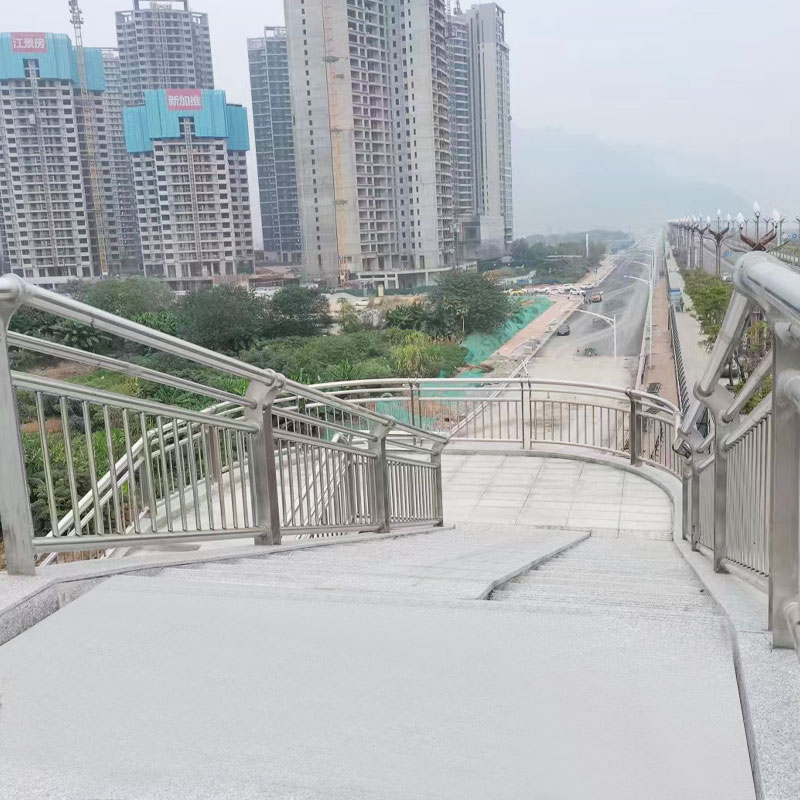
Stainless steel handrails are made of stainless steel materials and are mainly divided into handrails, columns, bases and other components. The struct...
See Details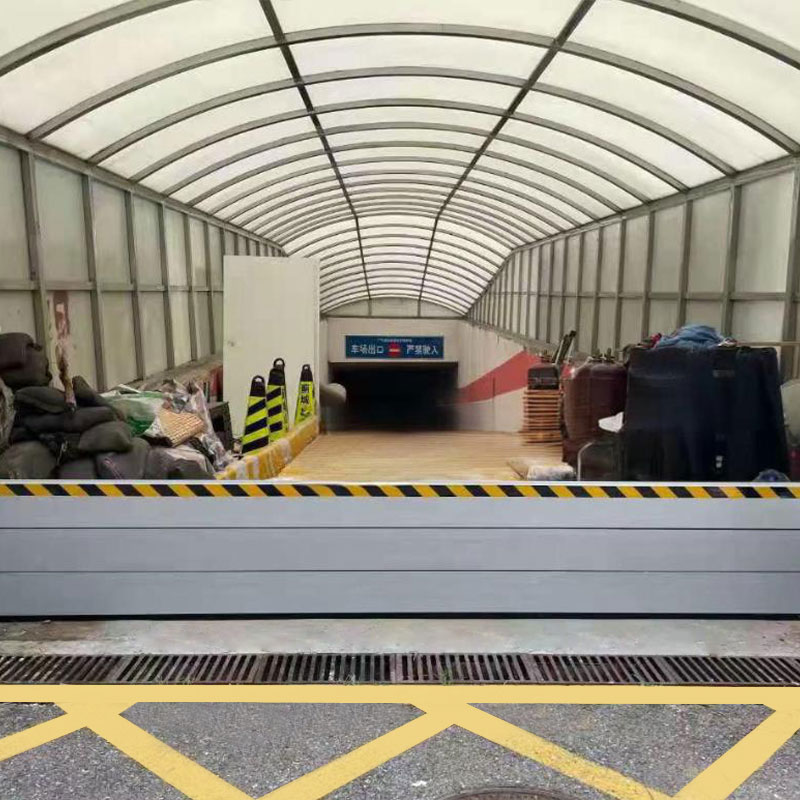
The entrance and exit water retaining plate, also known as water blocking plate, waterproof plate, rain shield, flood control plate, water-proof plate...
See Details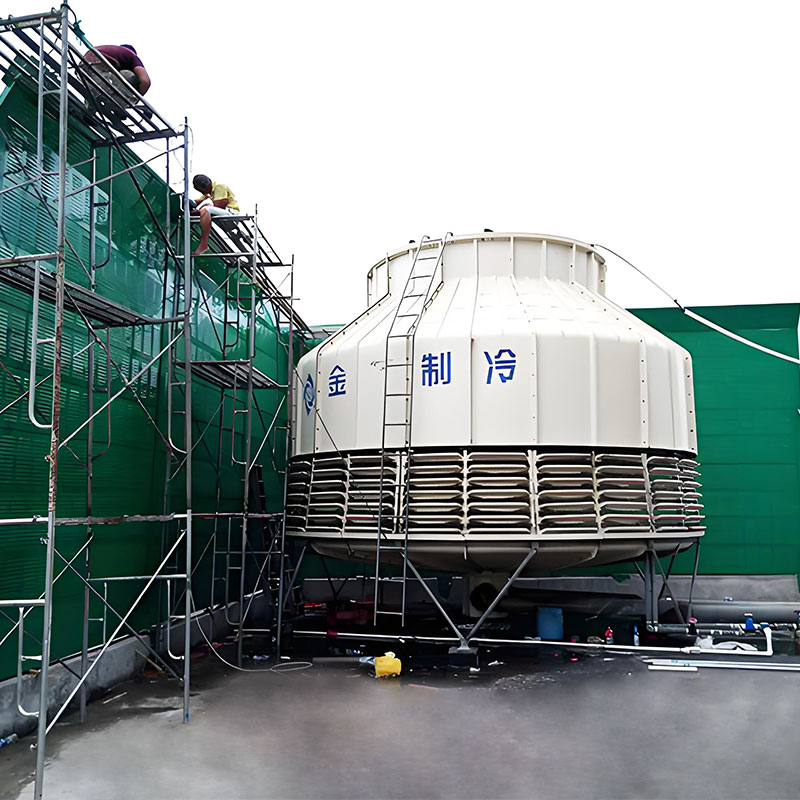
A cooling tower sound barrier is a device that blocks, absorbs or reflects sound waves by physical means, thereby reducing the impact of cooling tower...
See DetailsContact Us
Add:No. 577 Fuqiang Road, Panhuo Street, Yinzhou District, Ningbo City, Zhejiang Province
Email: [email protected]
Telephone: +86-18058271903
Phone: +86 0571-28284189

Zhenxuan Traffic Engineering Co., Ltd. is a large manufacturers of professional responsible for the design, production and sales of a series of guard rails, guard rails and high-speed soundproofing screens.
PRODUCT
case
 OEM/ODM Aluminum/Steel Guardrail Manufacturers
+86-18058271903