
 English
 Español
Exploring Effective Noise and Sound Absorbing Barriers for Better Acoustic Control
Home / News / Industry News / Exploring Effective Noise and Sound Absorbing Barriers for Better Acoustic Control
Noise barriers, also known as sound barriers or sound-absorbing barriers, are structures designed to reduce noise pollution, primarily from highways, railways, airports, and industrial areas. These barriers work by either blocking or absorbing sound waves, thereby minimizing the impact of noise on surrounding communities and environments. They can be constructed using a variety of materials, including concrete, wood, metal, and specialized sound-absorbing materials.
The primary function of these barriers is to provide a shield between the noise source and the receivers, such as homes, schools, hospitals, or other sensitive areas. The effectiveness of a noise barrier depends on its height, length, and the materials used in its construction, as well as its placement relative to both the noise source and the affected area.
The installation of noise barriers and sound-absorbing barriers offers a variety of advantages for both urban and rural areas. The main benefits include:
Noise barriers are available in various designs and materials, each offering different levels of noise reduction. The most common types include:
Concrete is one of the most widely used materials for constructing noise barriers due to its durability and effectiveness in blocking sound. Concrete barriers are particularly effective in areas with high levels of vehicular traffic, such as highways or expressways. They can be designed with smooth or textured surfaces to enhance sound absorption.
Metal barriers, often made from steel or aluminum, are typically lighter than concrete but still effective in blocking sound. These barriers can be perforated or slotted to allow some sound absorption. Metal barriers are also more flexible in design and can be used in areas where aesthetics are important.
Wooden noise barriers provide a natural aesthetic and are an eco-friendly option for reducing noise. They are effective at absorbing sound and can be designed with various finishes. While they are not as durable as concrete or metal barriers, they can be treated to extend their lifespan and maintain performance.
Vegetative barriers, also known as green walls, use plants and trees to absorb sound. These barriers are highly effective in areas where a natural look is desired. While they may not offer the same level of noise reduction as solid barriers, they can contribute to an overall reduction in noise when strategically placed.
Sound-absorbing barriers are designed to reduce sound reflection and minimize the echo effect, making them particularly useful in urban areas with dense noise. These barriers use materials that absorb sound waves, reducing the overall noise levels. Important considerations for their design include:
The material of a sound-absorbing barrier plays a crucial role in its effectiveness. Materials such as fiberglass, acoustic foam, and specially designed composites are used to create barriers that absorb sound instead of merely blocking it. These materials are often combined with other solid materials like concrete or metal for a dual effect.
The height of the barrier is a key factor in determining its effectiveness. For sound to be fully absorbed, the barrier must be tall enough to block the line of sight between the noise source and the receiver. Additionally, placement is crucial to ensure the barrier is positioned between the noise source and the sensitive area.
The installation of noise and sound-absorbing barriers requires careful planning and consideration. Factors such as local regulations, the level of noise to be mitigated, and the physical characteristics of the site all influence the installation process.
The installation of noise barriers generally involves site assessment, design, material selection, and construction. It is essential to work with professionals who can assess the site's acoustic needs and environmental impact to ensure the most effective solution.
Noise barriers, especially vegetative and wooden types, may require regular maintenance to ensure their effectiveness. This can include cleaning, repairing any damage, and replacing plants in vegetative barriers. Concrete and metal barriers are typically low-maintenance, but regular checks should be conducted to ensure structural integrity.

The entrance and exit water retaining plate, also known as water blocking plate, waterproof plate, rain shield, flood control plate, water-proof plate...
See Details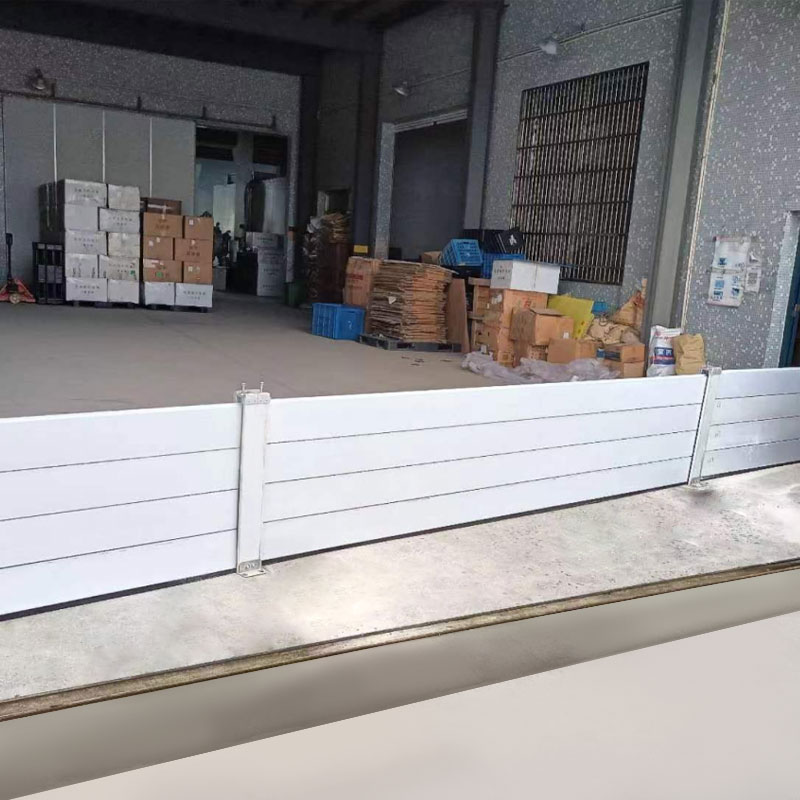
Flood control panels for workshops and factories are important protective equipment used to prevent floods or large amounts of water from invading wor...
See Details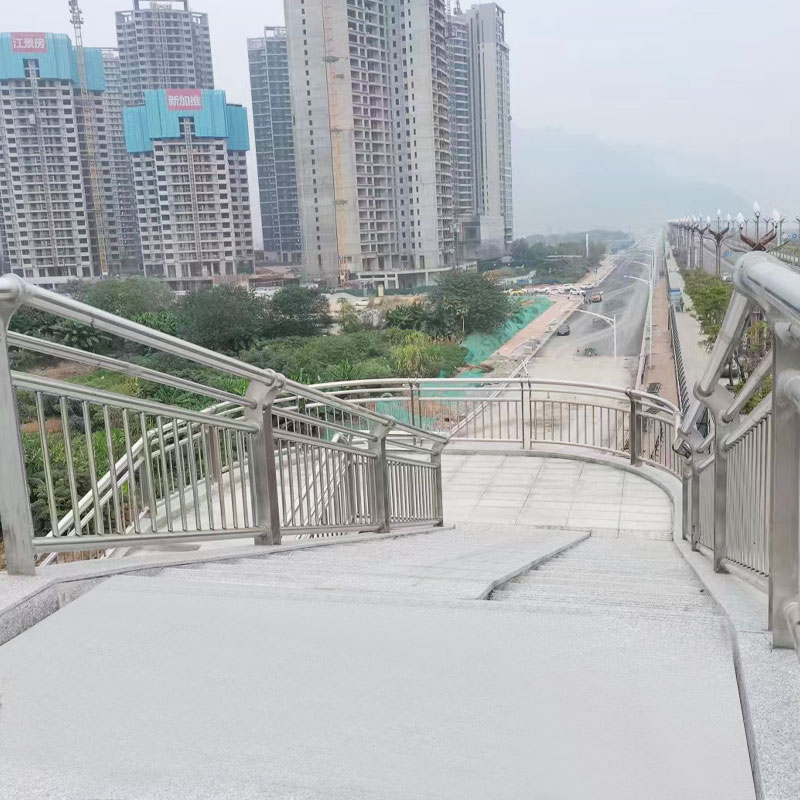
Stainless steel handrails are made of stainless steel materials and are mainly divided into handrails, columns, bases and other components. The struct...
See Details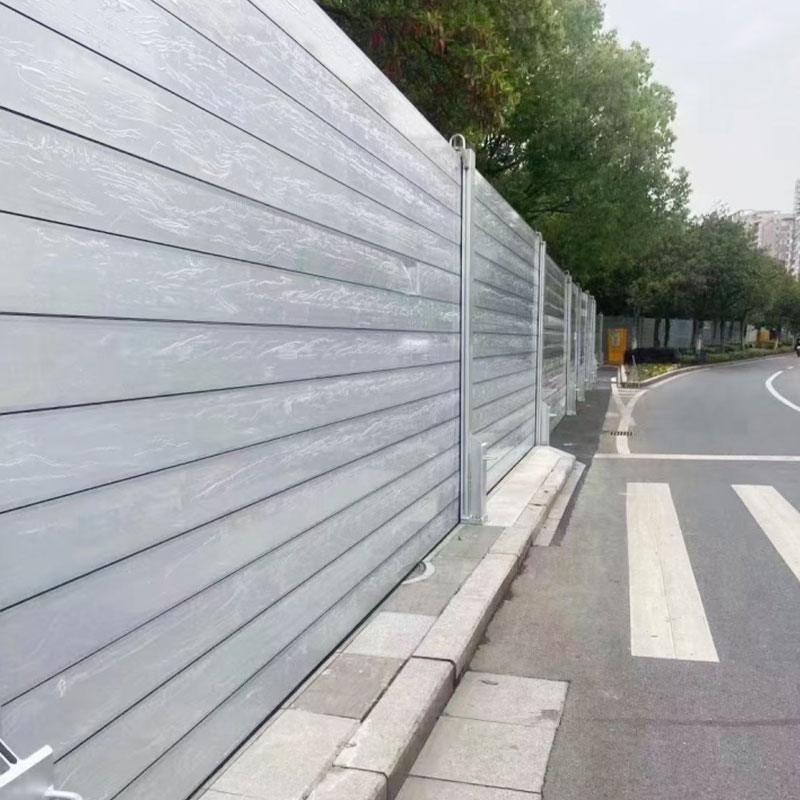
Aluminum alloy flood control board, also known as aluminum alloy flood control water retaining board, is a professional equipment widely used in the f...
See Details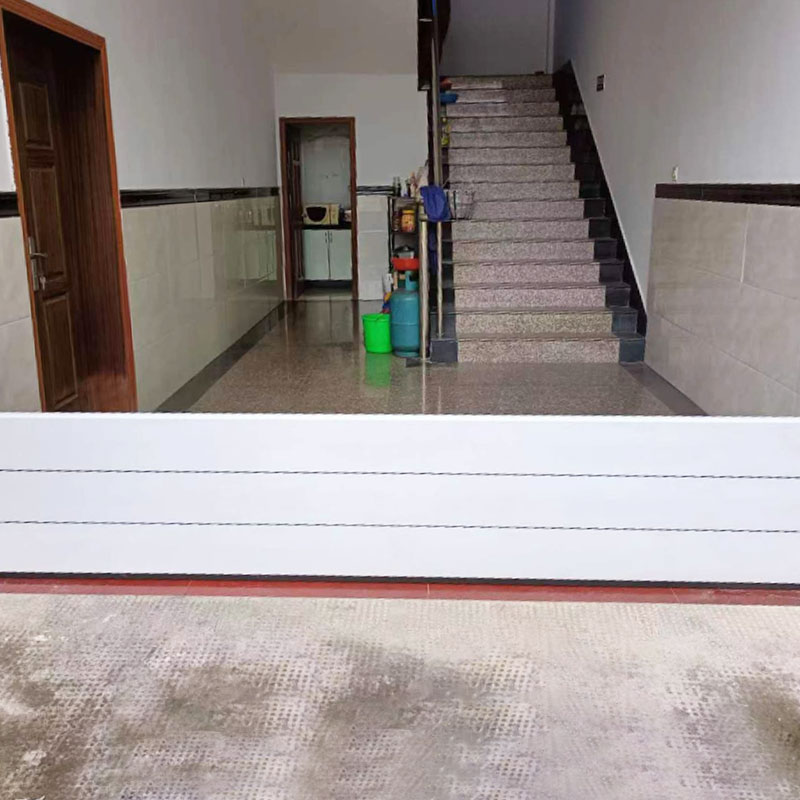
Residential flood control boards are designed for residential areas and are used to prevent floods from entering residential areas when floods occur. ...
See Details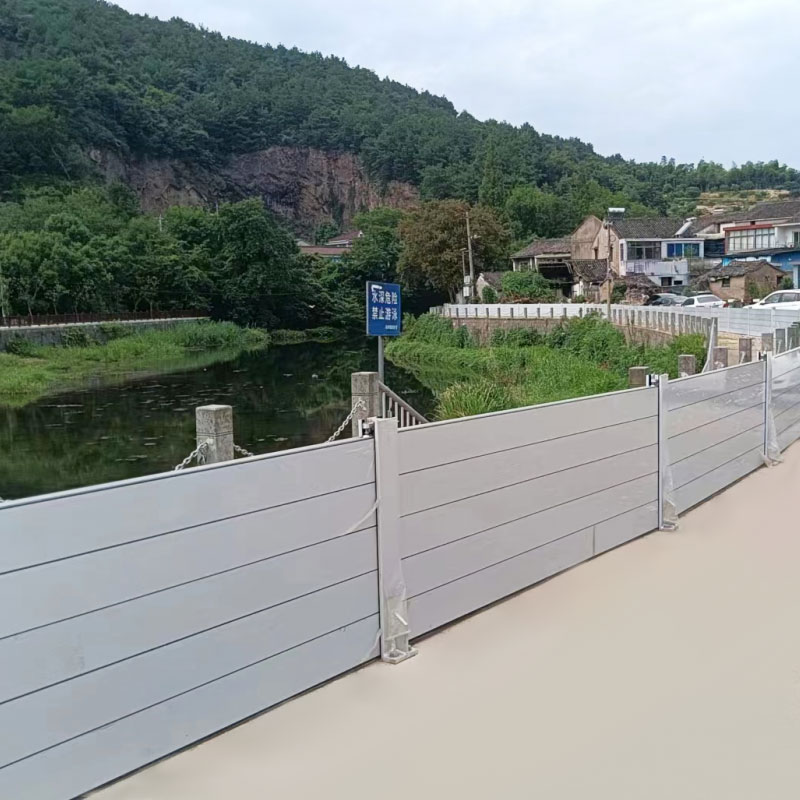
The river flood control board is a kind of protective equipment specially used for river flood control, which aims to prevent flooding and ensure the ...
See DetailsContact Us
Add:No. 577 Fuqiang Road, Panhuo Street, Yinzhou District, Ningbo City, Zhejiang Province
Email: [email protected]
Telephone: +86-18058271903
Phone: +86 0571-28284189

Zhenxuan Traffic Engineering Co., Ltd. is a large manufacturers of professional responsible for the design, production and sales of a series of guard rails, guard rails and high-speed soundproofing screens.
PRODUCT
case
 OEM/ODM Aluminum/Steel Guardrail Manufacturers
+86-18058271903