
 English
 Español
Rolling Barrel Guardrail System Design, Function, and Road Safety Performance
Home / News / Industry News / Rolling Barrel Guardrail System Design, Function, and Road Safety Performance
A rolling barrel guardrail is a road safety system designed to reduce collision impact by converting vehicle kinetic energy into controlled rotational movement. In real-world highway applications, it works by using impact-activated barrels mounted on a guiding frame, allowing vehicles to be redirected safely instead of experiencing a direct rigid collision. The most effective systems demonstrate significant reduction in severe crash injuries by up to 50–70% in tested highway segments, especially in curved ramps and high-risk roadside zones.
Unlike traditional steel beam barriers that rely on rigid deformation, rolling barrel guardrails introduce a dynamic energy-dissipation mechanism, making them particularly suitable for areas where vehicle redirection and speed control are critical.
The rolling barrel guardrail system operates on a simple but highly effective mechanical principle: converting linear crash force into rotational energy through specially designed barrels.
When a vehicle collides with the system, the impact force rotates the barrels along a horizontal axis. This motion reduces direct resistance, allowing gradual deceleration instead of abrupt stopping, which significantly lowers injury risk.
The barrels are mounted on a steel frame with guiding rails that ensure controlled movement. This design helps redirect vehicles back into the lane rather than allowing them to leave the roadway.
Unlike single-use crash barriers, rolling barrel systems can absorb multiple impacts without immediate structural failure, making them suitable for high-traffic accident-prone areas.
A rolling barrel guardrail is composed of multiple engineered components that work together to ensure durability, impact absorption, and long service life.
The barrels are typically made from high-density polyethylene (HDPE) or reinforced composite materials. These materials provide high impact resistance while maintaining lightweight rotational efficiency.
The supporting structure is usually constructed from hot-dip galvanized steel, offering corrosion resistance and long-term stability under harsh outdoor conditions. In coastal regions, additional anti-rust coating is often applied.
Some advanced systems integrate shock-absorbing brackets or elastic connectors, further improving impact energy distribution during high-speed collisions.
Rolling barrel guardrails are increasingly used in modern highway design due to their superior safety performance compared to conventional barriers.
Field data from highway safety trials indicates that systems can reduce fatal impact forces by up to 65% compared to rigid steel guardrails, particularly in high-speed curve sections.
Instead of abrupt stops, vehicles are guided along the barrel rotation path, significantly lowering rollover risk and secondary collisions.
These systems perform well on highways, tunnel entrances, bridge approaches, and sharp exit ramps where accident rates are statistically higher.
Proper installation is critical for ensuring that rolling barrel guardrail systems function effectively under real traffic impact conditions.
On average, installation of a 100-meter section requires 3–5 days depending on terrain and weather conditions, making it relatively efficient for highway upgrades.
Rolling barrel guardrails are deployed in locations where accident probability is high and vehicle speed control is essential.
| Location Type | Risk Level | Main Function | Safety Benefit |
|---|---|---|---|
| Highway Curves | High | Vehicle redirection | Prevents lane departure crashes |
| Bridge Approaches | High | Impact absorption | Reduces fall-off risk |
| Tunnel Entrances | Medium-High | Speed transition control | Improves entry safety |
Beyond immediate crash protection, rolling barrel guardrails offer long-term advantages in maintenance efficiency and lifecycle safety performance.
Due to modular design, damaged barrels can be replaced individually without dismantling the entire system, reducing maintenance cost by up to 40% compared to traditional guardrails.
As road infrastructure continues to evolve, these systems are becoming an essential component of intelligent highway safety engineering, especially in regions prioritizing accident reduction and sustainable transport design.

The entrance and exit water retaining plate, also known as water blocking plate, waterproof plate, rain shield, flood control plate, water-proof plate...
See Details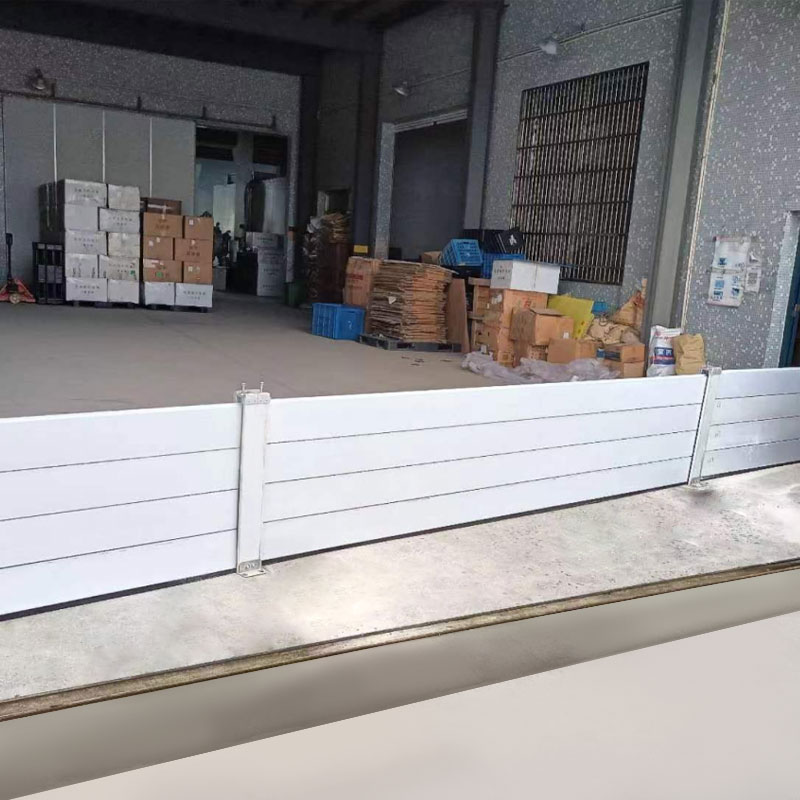
Flood control panels for workshops and factories are important protective equipment used to prevent floods or large amounts of water from invading wor...
See Details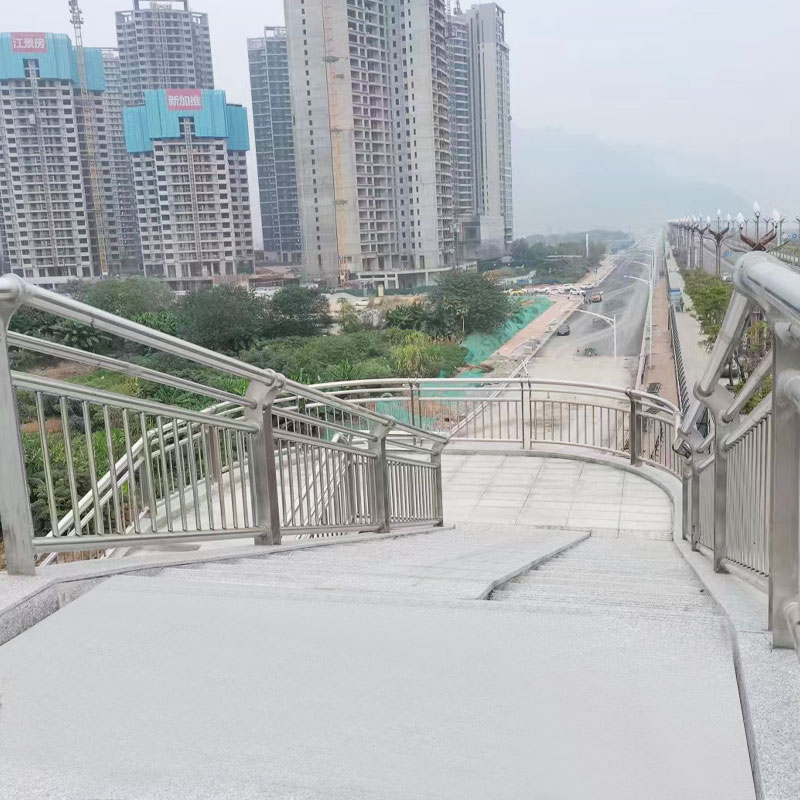
Stainless steel handrails are made of stainless steel materials and are mainly divided into handrails, columns, bases and other components. The struct...
See Details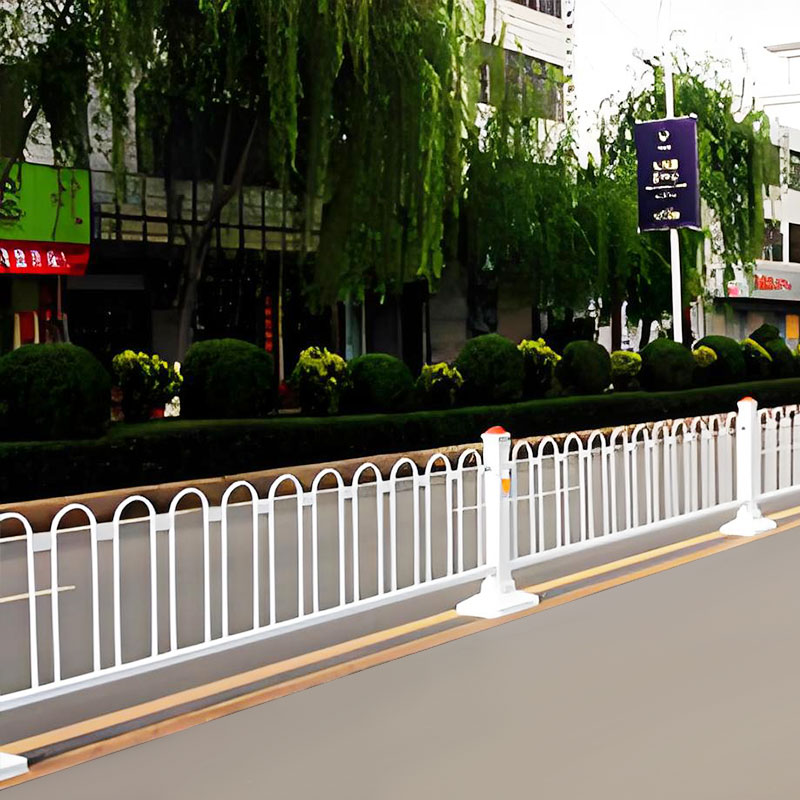
Beijing-style road guardrails are shaped like the letters N and U, so they are also called n-type iron fences and inverted U-shaped central fences. Th...
See Details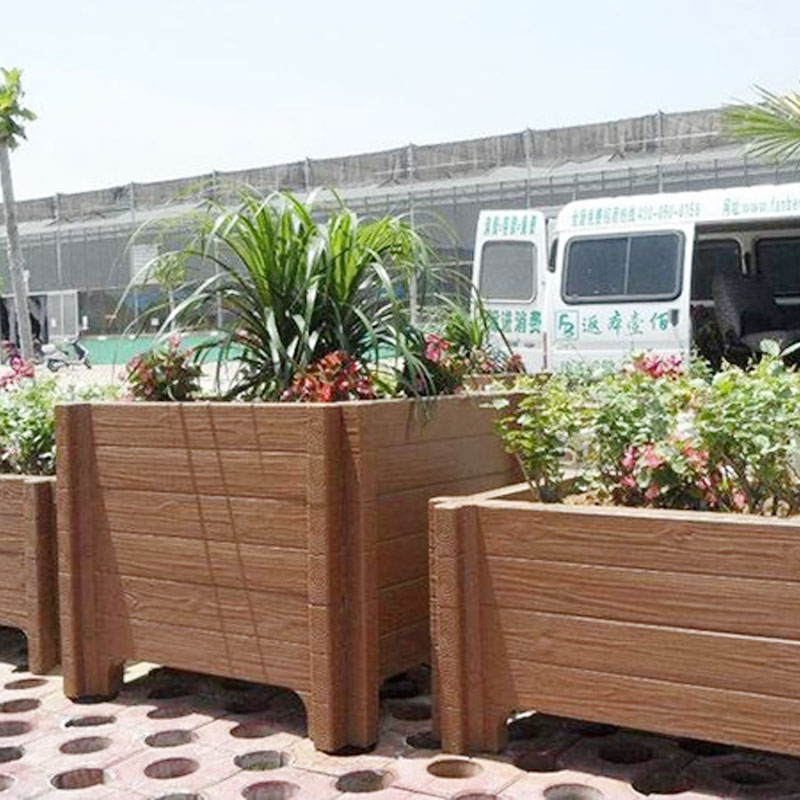
Imitation wood flower box guardrail is a kind of guardrail product that combines imitation wood technology and flower box design. It has the functions...
See Details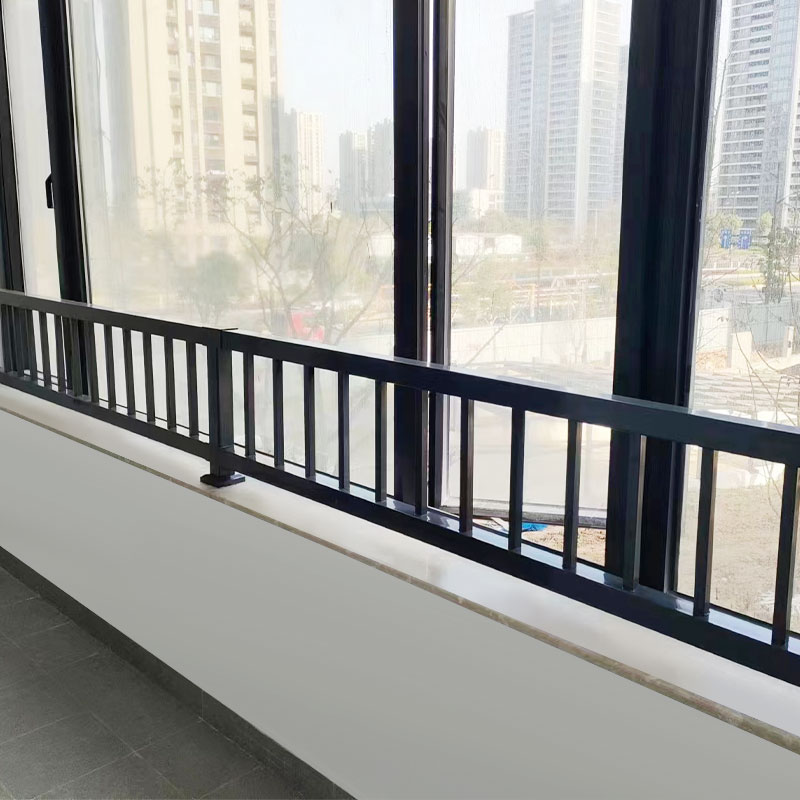
The zinc steel balcony guardrail is made of zinc alloy, which is not only strong and hard, but also beautiful in appearance, colorful and durable, so ...
See DetailsContact Us
Add:No. 577 Fuqiang Road, Panhuo Street, Yinzhou District, Ningbo City, Zhejiang Province
Email: [email protected]
Telephone: +86-18058271903
Phone: +86 0571-28284189

Zhenxuan Traffic Engineering Co., Ltd. is a large manufacturers of professional responsible for the design, production and sales of a series of guard rails, guard rails and high-speed soundproofing screens.
PRODUCT
case
 OEM/ODM Aluminum/Steel Guardrail Manufacturers
+86-18058271903