
 English
 Español
Site Perimeter Fences: Enhancing Security and Safety Across Industries
Home / News / Industry News / Site Perimeter Fences: Enhancing Security and Safety Across Industries
A robust site perimeter fence is essential for safeguarding property, controlling access, and preventing unauthorized entry. It serves as the first line of defense for industrial, commercial, and residential sites alike.
By installing a strong and well-planned fence, property owners can deter intruders, protect assets, and ensure the safety of employees, tenants, or residents.
Choosing the appropriate fence type depends on security needs, budget, and site characteristics:
Chain-link fences are cost-effective, easy to install, and provide basic perimeter security. They can be reinforced with barbed wire for added protection.
These fences offer higher strength and rigidity than chain-link and are commonly used for industrial sites. They are resistant to cutting and climbing.
Palisade fences provide maximum security with vertical steel pales and anti-climb design. Ideal for critical infrastructure and high-risk zones.
Electric perimeter fences offer active deterrence by delivering a safe, non-lethal shock. They are often combined with physical fencing for enhanced security.
Durable materials ensure the fence withstands environmental conditions and tampering:
Proper installation is critical for fence performance and longevity:
Beyond physical fencing, additional measures can improve perimeter protection:
Routine inspections and maintenance ensure the fence remains effective:
Investing in a proper site perimeter fence delivers tangible benefits:
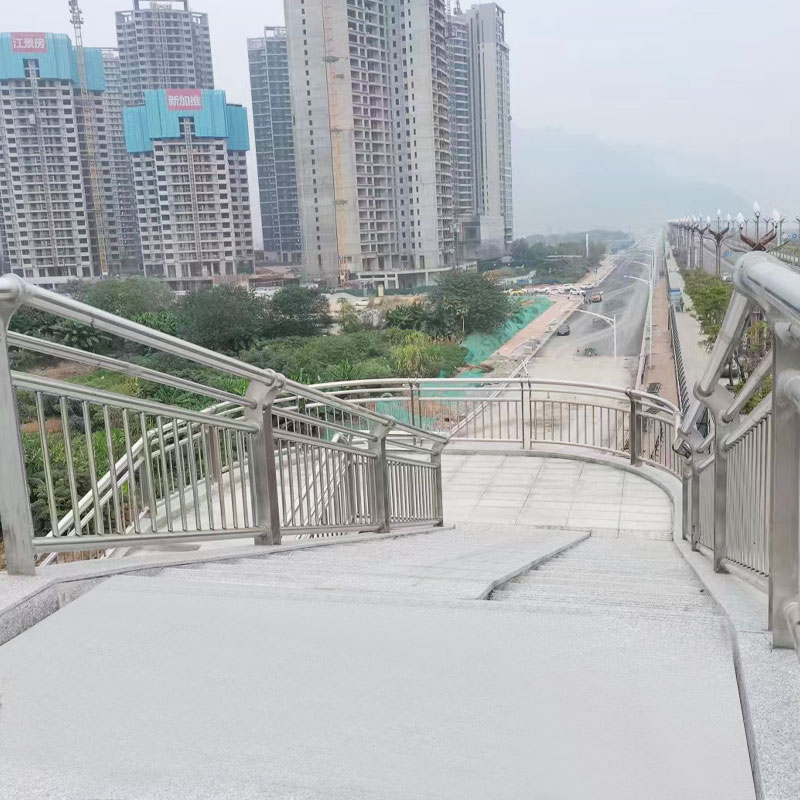
Stainless steel handrails are made of stainless steel materials and are mainly divided into handrails, columns, bases and other components. The struct...
See Details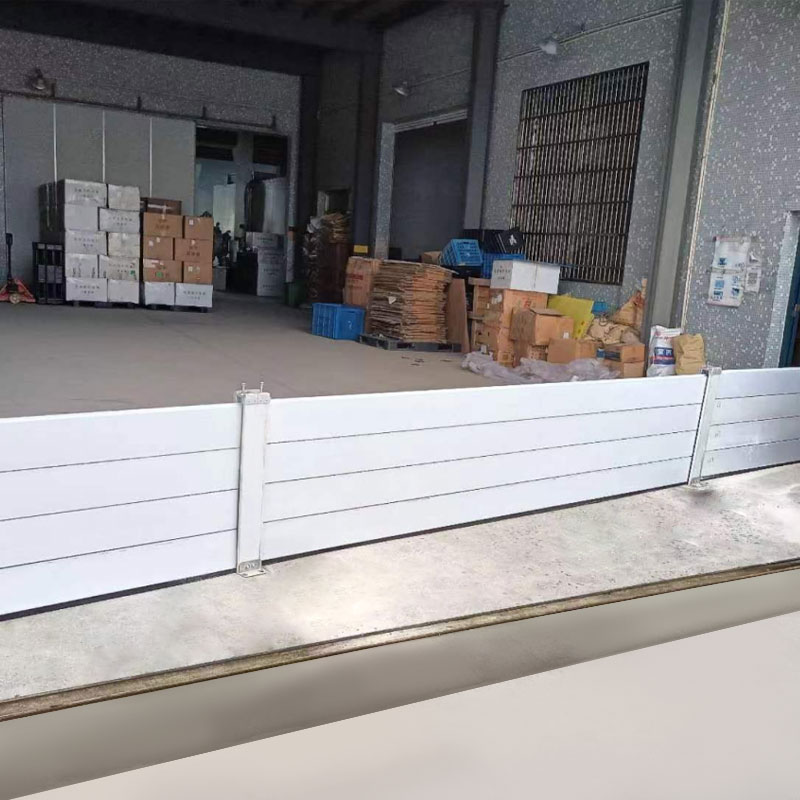
Flood control panels for workshops and factories are important protective equipment used to prevent floods or large amounts of water from invading wor...
See Details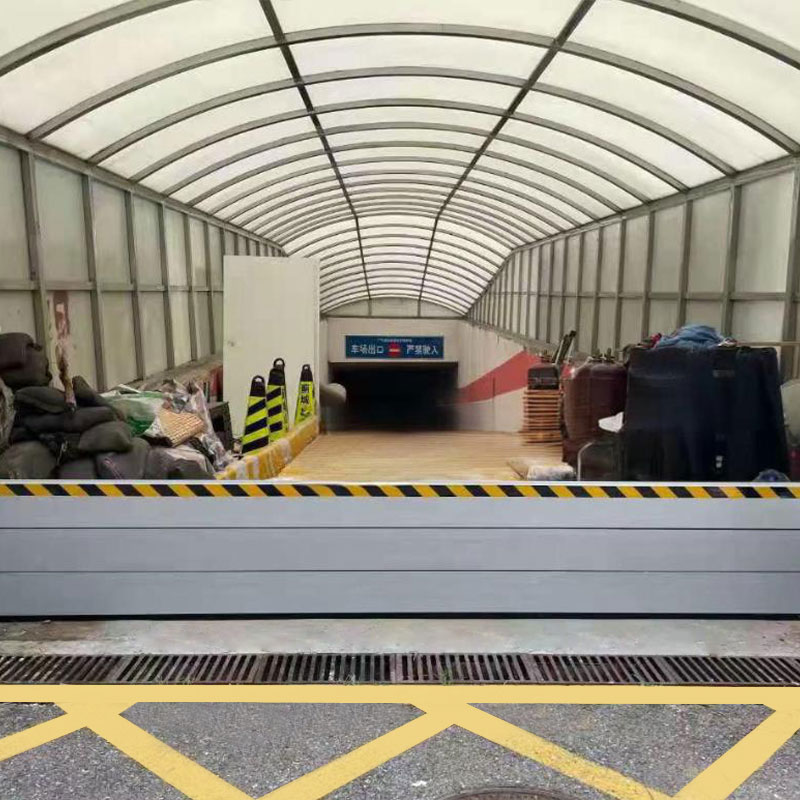
The entrance and exit water retaining plate, also known as water blocking plate, waterproof plate, rain shield, flood control plate, water-proof plate...
See Details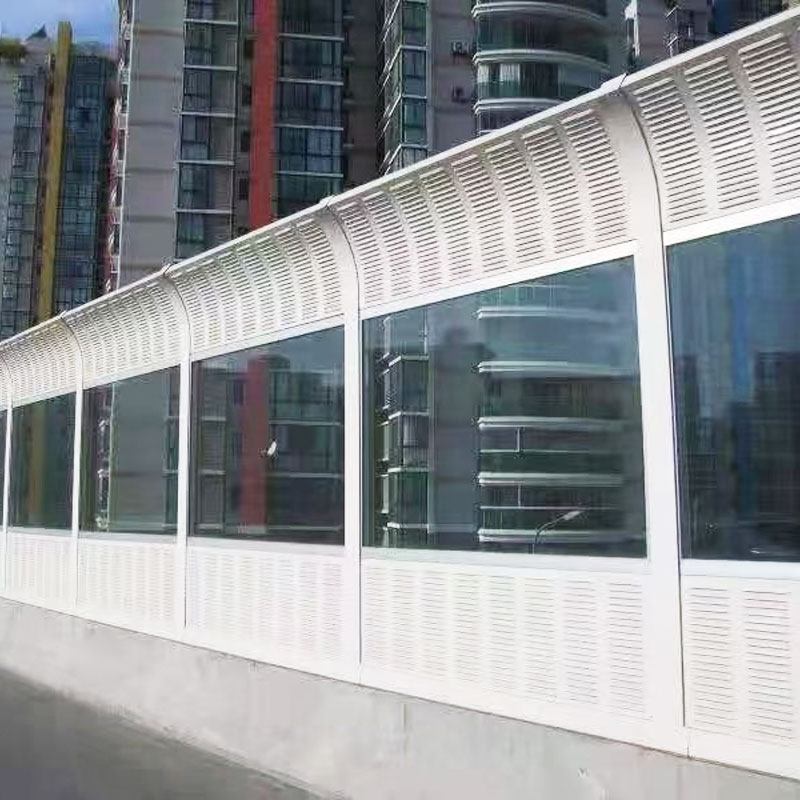
A residential sound barrier refers to a sound insulation facility installed around or inside a residential area to reduce noise pollution caused by ro...
See Details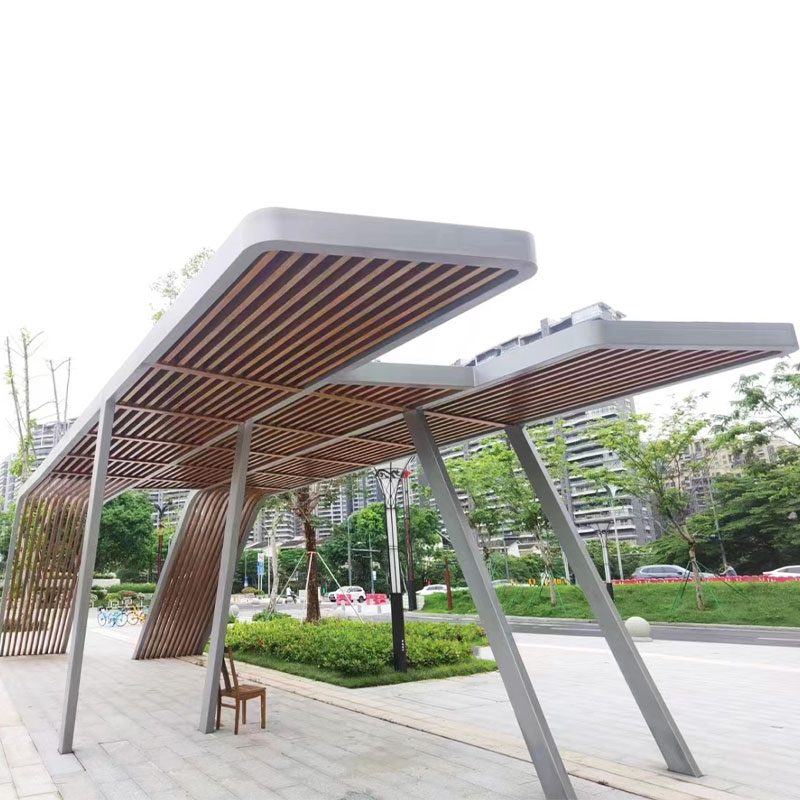
Composite wood-like pergolas are made of metal and plastic wood as the main raw materials. This material is usually composed of two or more materials ...
See DetailsContact Us
Add:No. 577 Fuqiang Road, Panhuo Street, Yinzhou District, Ningbo City, Zhejiang Province
Email: [email protected]
Telephone: +86-18058271903
Phone: +86 0571-28284189

Zhenxuan Traffic Engineering Co., Ltd. is a large manufacturers of professional responsible for the design, production and sales of a series of guard rails, guard rails and high-speed soundproofing screens.
PRODUCT
case
 OEM/ODM Aluminum/Steel Guardrail Manufacturers
+86-18058271903