Traffic Guardrails Are Essential for Road Safety and Accident Mitigation
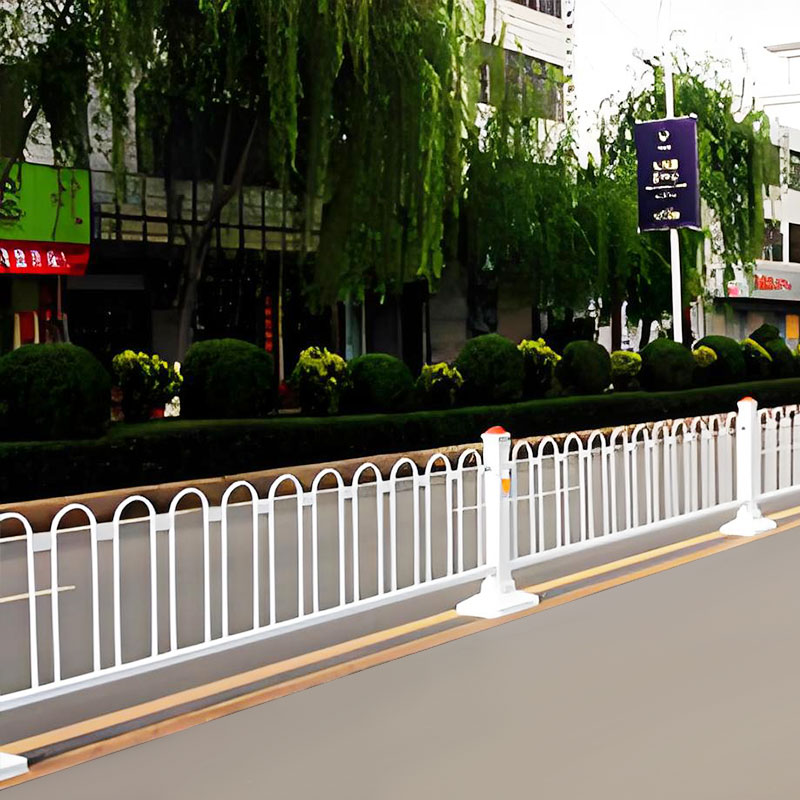
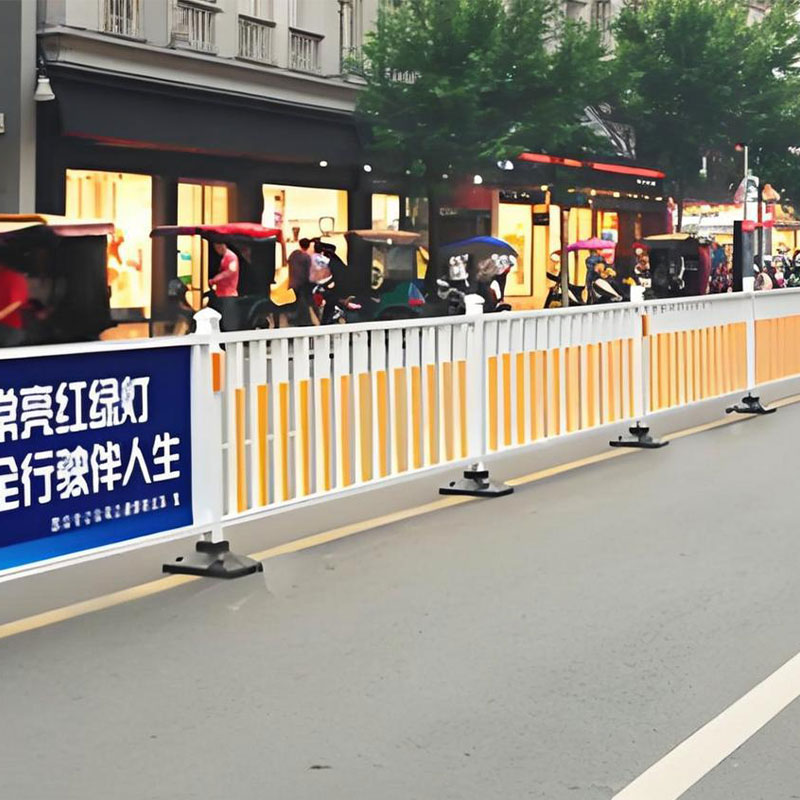
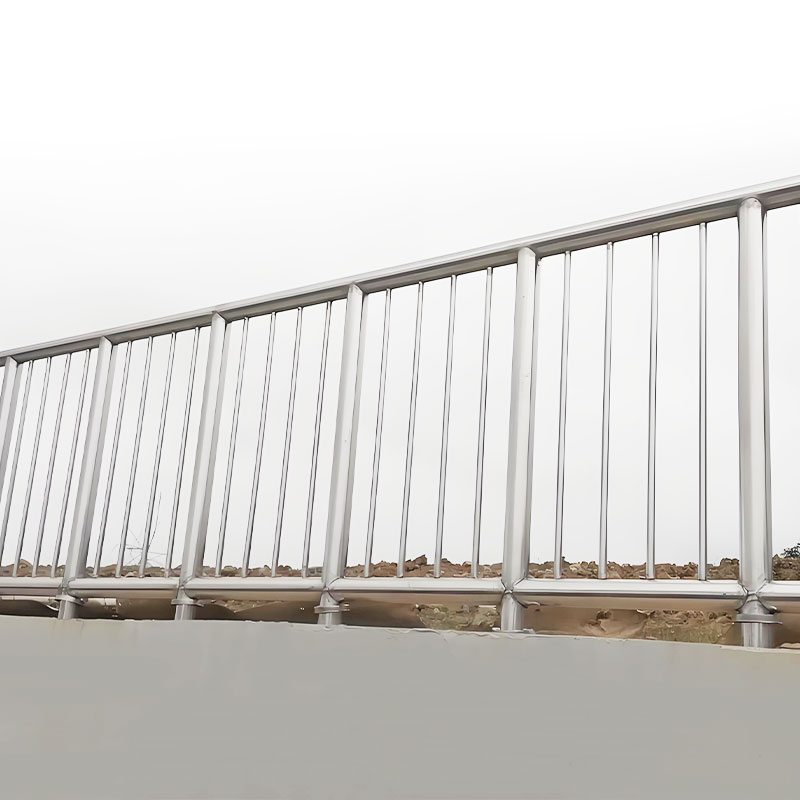
Traffic guardrails play a critical role in reducing accident severity by redirecting vehicles and preventing them from leaving the roadway or colliding with hazardous obstacles. Properly designed and installed guardrail systems can significantly lower fatalities and injuries in high-risk areas such as highways, bridges, and sharp curves.
These systems are not merely physical barriers—they are engineered safety solutions that absorb impact energy and guide vehicles back onto the road. With increasing traffic density worldwide, the importance of reliable guardrail systems continues to grow.
Types of Traffic Guardrail Systems and Their Applications
Traffic guardrails are designed in various forms to meet specific road safety requirements:
W-Beam Guardrails
W-beam guardrails are the most widely used type, featuring a corrugated steel design that provides flexibility and energy absorption. They are commonly installed along highways and rural roads.
Thrie-Beam Guardrails
Thrie-beam guardrails offer greater strength and are used in high-speed areas or locations with higher risk, such as bridges and medians.
Cable Barrier Systems
Cable barriers consist of tensioned steel cables supported by posts. They are highly effective in reducing crossover accidents on highways.
Concrete Barriers
Concrete barriers provide maximum containment and are often used in urban areas and high-traffic zones where space is limited.
Materials and Structural Design Considerations
The performance of traffic guardrails depends heavily on material selection and structural design:
- Galvanized steel for corrosion resistance and durability.
- High-tensile steel components for improved impact absorption.
- Concrete for permanent, high-strength installations.
- Composite materials for specialized applications.
Modern guardrails are designed to meet strict safety standards, ensuring consistent performance under various impact conditions. Galvanization, for example, can extend the lifespan of steel guardrails to over 20–25 years in outdoor environments.
How Traffic Guardrails Improve Road Safety
Traffic guardrails function by absorbing and redistributing the energy generated during a vehicle collision:
| Function |
Safety Benefit |
| Vehicle Redirection |
Prevents vehicles from leaving the roadway |
| Energy Absorption |
Reduces impact force and injury severity |
| Obstacle Protection |
Shields drivers from hazardous roadside objects |
| Traffic Separation |
Reduces head-on collisions |
Key safety functions of traffic guardrail systems
Studies have shown that properly installed guardrails can reduce fatal crash risks by up to 40–50% in high-risk zones.
Installation Requirements and Best Practices
Correct installation is essential to ensure the effectiveness of traffic guardrails:
- Proper spacing and alignment of posts.
- Secure anchoring to withstand impact forces.
- Adequate height and positioning relative to road level.
- Use of end terminals to reduce collision severity.
Site-Specific Considerations
Factors such as road curvature, traffic speed, and surrounding hazards must be evaluated during installation. For example, high-speed highways may require stronger guardrail systems with closer post spacing for increased impact resistance.
Cost Factors and Lifecycle Value
The cost of traffic guardrails varies depending on materials, design, and installation complexity:
- Steel guardrails: $20–$50 per meter
- Concrete barriers: $50–$150 per meter
- Cable systems: $30–$70 per meter
While initial costs may vary, the long-term benefits in accident reduction and infrastructure protection provide significant economic value. Reduced accident severity can lead to lower medical costs, insurance claims, and road repair expenses.
Maintenance and Inspection Requirements
Regular maintenance ensures that guardrails remain effective over time:
- Routine inspections for damage or deformation.
- Immediate repair or replacement after collisions.
- Monitoring corrosion and applying protective coatings.
- Ensuring proper alignment and stability of posts.
Effective maintenance programs can extend the lifespan of guardrail systems and maintain consistent safety performance across road networks.

 English
 Español