
 English
 Español
Is the cleaning and maintenance of the balcony stair handrail convenient?
Home / News / Industry News / Is the cleaning and maintenance of the balcony stair handrail convenient?
Balcony stair handrails serve as a critical safety feature in residential and commercial buildings, providing support and stability for individuals using stairs. Beyond safety, handrails contribute to the overall aesthetic and functional design of the balcony and staircase area. An important aspect of their usability is the ease of cleaning and maintenance, as handrails are exposed to frequent contact, environmental dust, and outdoor elements. Considering cleaning and maintenance convenience during design and installation ensures long-term durability and hygiene.
The materials and surface finishes used for balcony stair handrails significantly influence how easy they are to clean and maintain. Common materials include stainless steel, aluminum, wood, and coated metal. Stainless steel handrails typically offer smooth surfaces that resist corrosion and staining, making wiping and polishing straightforward. Aluminum handrails, often coated with powder finishes, are also low-maintenance and resistant to environmental effects. Wooden handrails require periodic sealing or varnishing to maintain appearance and prevent moisture absorption. Selecting materials with smooth, uniform surfaces and durable finishes enhances cleaning convenience and reduces the frequency of intensive maintenance tasks.
Handrail design directly affects maintenance convenience. Rounded or tubular profiles are easier to wipe compared to intricate or heavily ornamented designs, which can trap dust and grime. Seamless connections and concealed fasteners reduce dirt accumulation and simplify cleaning routines. Modular or detachable components may also facilitate maintenance by allowing specific sections to be removed, cleaned, or replaced without dismantling the entire structure. Well-considered design features minimize effort and time required for regular upkeep, contributing to both functional and aesthetic longevity.
Routine cleaning of balcony stair handrails typically involves dusting, wiping with a damp cloth, and occasional use of mild detergents or specialized cleaning agents. For stainless steel or coated metal handrails, non-abrasive cloths and neutral cleaners prevent surface scratching and preserve protective coatings. Wooden handrails may require careful cleaning to avoid water penetration, followed by periodic application of wood polish or sealant to maintain finish. The frequency of cleaning depends on factors such as exposure to dust, pollution, rainfall, or hand contact, with outdoor installations generally requiring more regular attention than indoor or sheltered setups.
Maintenance tasks for balcony stair handrails include inspection of fasteners, checking for corrosion, repainting or resealing surfaces, and tightening loose components. Handrails exposed to outdoor conditions may experience weathering, fading, or minor surface damage over time. Regular inspection and prompt attention to wear or loose fittings prevent safety hazards and extend the service life of the handrail. Design choices that facilitate easy access to bolts, screws, and joints enhance maintenance efficiency and reduce labor intensity.
| Material | Cleaning Ease | Maintenance Requirements | Durability |
|---|---|---|---|
| Stainless Steel | High; smooth, non-porous surface | Periodic wiping and occasional polishing | Resistant to corrosion and weathering |
| Aluminum (Powder-Coated) | Moderate to high; smooth coated surface | Wiping and periodic inspection for coating damage | Corrosion-resistant with proper coating maintenance |
| Wood | Moderate; susceptible to dust and moisture accumulation | Periodic sealing, polishing, and cleaning to prevent moisture damage | Durable if properly maintained; sensitive to weather exposure |
| Painted or Coated Metal | Moderate; smooth surfaces but coatings may chip over time | Touch-up painting, cleaning, and corrosion checks | Durable with regular maintenance; may degrade if coating fails |
Ease of cleaning is also influenced by accessibility and safety measures. Handrails should be positioned and designed to allow safe access for wiping and inspection, without the need for awkward stretching or precarious support. Features such as sufficient clearance between the handrail and wall, consistent height, and smooth edges enhance both cleaning efficiency and user safety. For outdoor balcony staircases, using extendable cleaning tools or protective platforms ensures that maintenance can be conducted without compromising personal safety.
Outdoor exposure introduces environmental challenges such as rain, dust, sunlight, and air pollution, which can increase the frequency and intensity of cleaning tasks. Materials and coatings that resist UV degradation, corrosion, and staining reduce maintenance burden. In areas with high humidity or pollution, more frequent inspections and cleaning may be required to maintain appearance and structural integrity. Designing handrails with weather resistance in mind contributes to long-term convenience and safety.
Investing in handrail materials and designs that are easy to clean and maintain can reduce long-term costs associated with labor, cleaning agents, and surface restoration. While higher-quality finishes or corrosion-resistant materials may have higher initial costs, they reduce the need for frequent maintenance and replacement. Planning for convenient cleaning and durable maintenance reduces operational effort and helps maintain safety and aesthetic appeal over time.
Handrails are an integral part of the balcony and stair system. Consideration of cleaning and maintenance convenience should align with overall design, including railing height, spacing, and complementary elements such as glass panels or balusters. Smooth transitions, minimal gaps, and durable surface finishes ensure that handrails remain accessible and easy to clean without compromising design aesthetics or safety standards. Integration of convenience features supports both functional performance and visual appeal.
Balcony stair handrails can be designed and constructed to provide convenient cleaning and maintenance through careful material selection, surface finishing, structural reinforcement, and ergonomic design. Routine cleaning, periodic inspections, and appropriate maintenance strategies contribute to long-term safety, hygiene, and durability. By addressing ease of access, environmental exposure, and material resilience, handrails maintain functional and aesthetic integrity while reducing the effort required for upkeep over time.
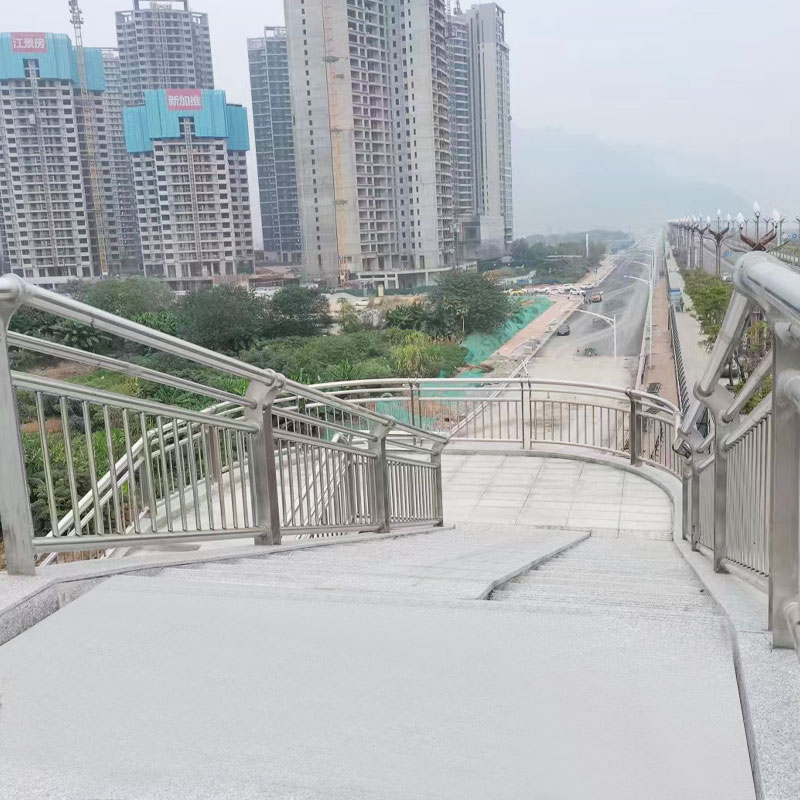
Stainless steel handrails are made of stainless steel materials and are mainly divided into handrails, columns, bases and other components. The struct...
See Details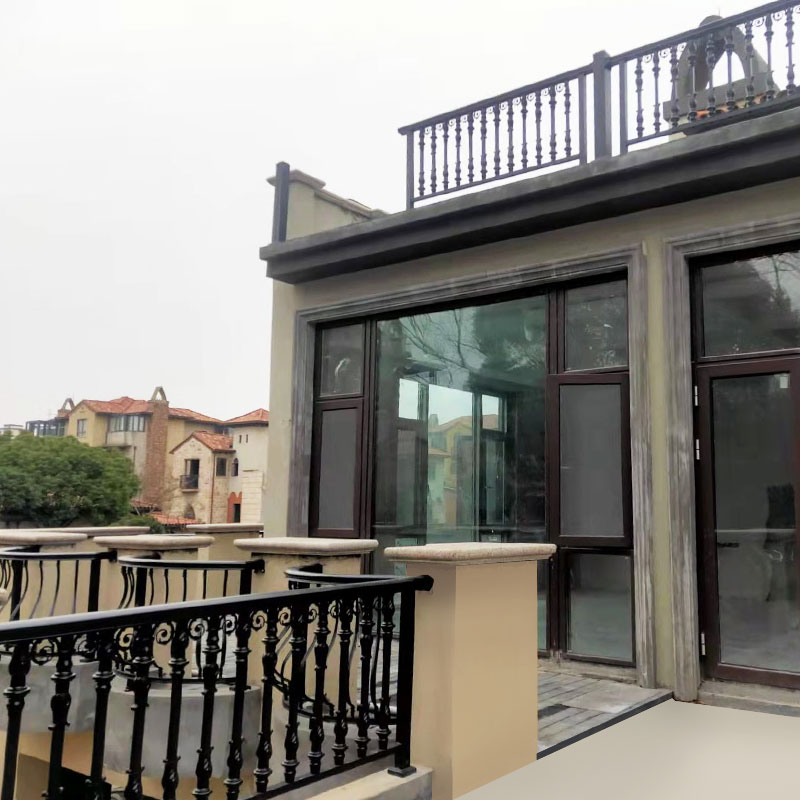
As a new generation of guardrail material, aluminum alloy guardrail has gradually become the first choice for many buildings due to its excellent anti...
See Details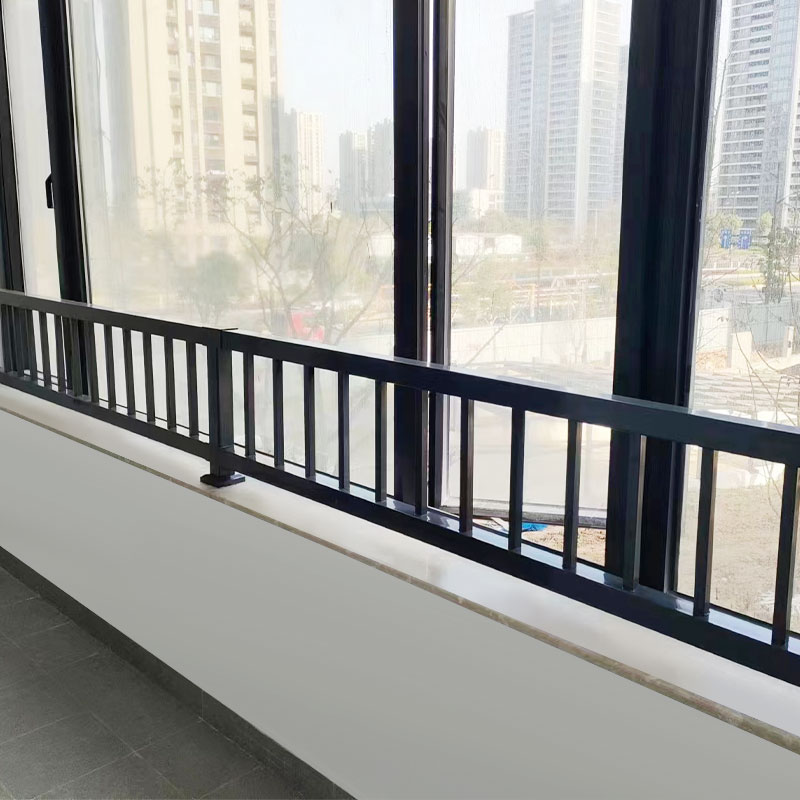
The zinc steel balcony guardrail is made of zinc alloy, which is not only strong and hard, but also beautiful in appearance, colorful and durable, so ...
See Details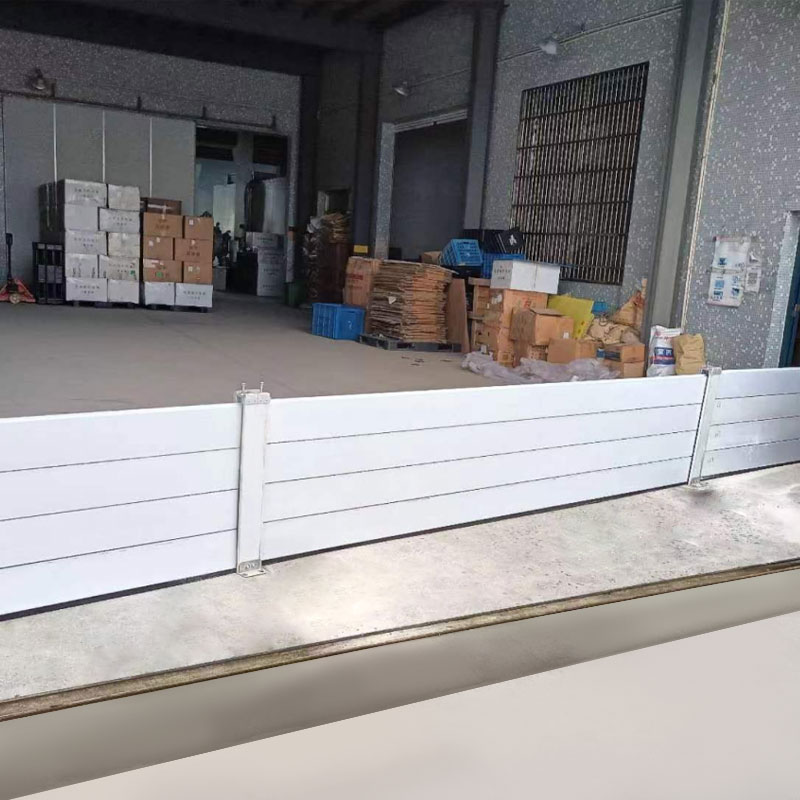
Flood control panels for workshops and factories are important protective equipment used to prevent floods or large amounts of water from invading wor...
See Details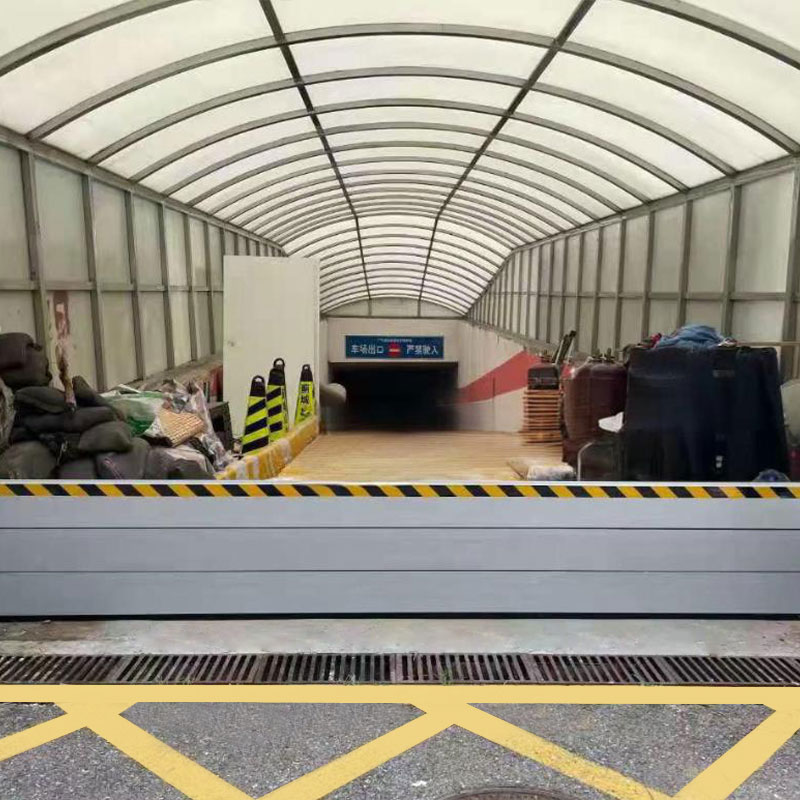
The entrance and exit water retaining plate, also known as water blocking plate, waterproof plate, rain shield, flood control plate, water-proof plate...
See Details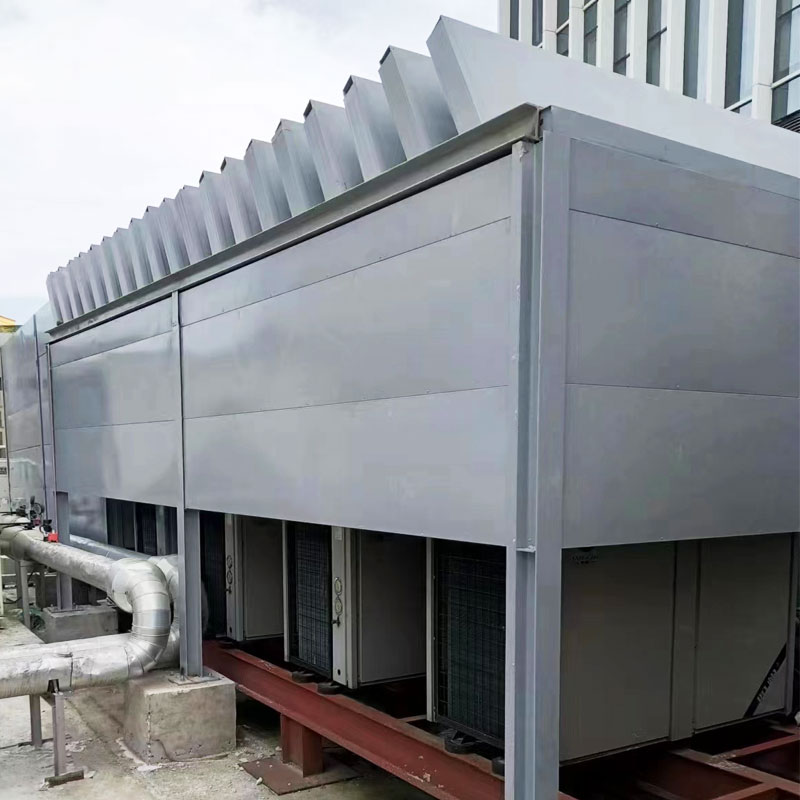
The machine soundproof screen, also known as the equipment sound barrier or the silencing barrier, is a facility inserted between the sound source (su...
See DetailsContact Us
Add:No. 577 Fuqiang Road, Panhuo Street, Yinzhou District, Ningbo City, Zhejiang Province
Email: [email protected]
Telephone: +86-18058271903
Phone: +86 0571-28284189

Zhenxuan Traffic Engineering Co., Ltd. is a large manufacturers of professional responsible for the design, production and sales of a series of guard rails, guard rails and high-speed soundproofing screens.
PRODUCT
case
 OEM/ODM Aluminum/Steel Guardrail Manufacturers
+86-18058271903