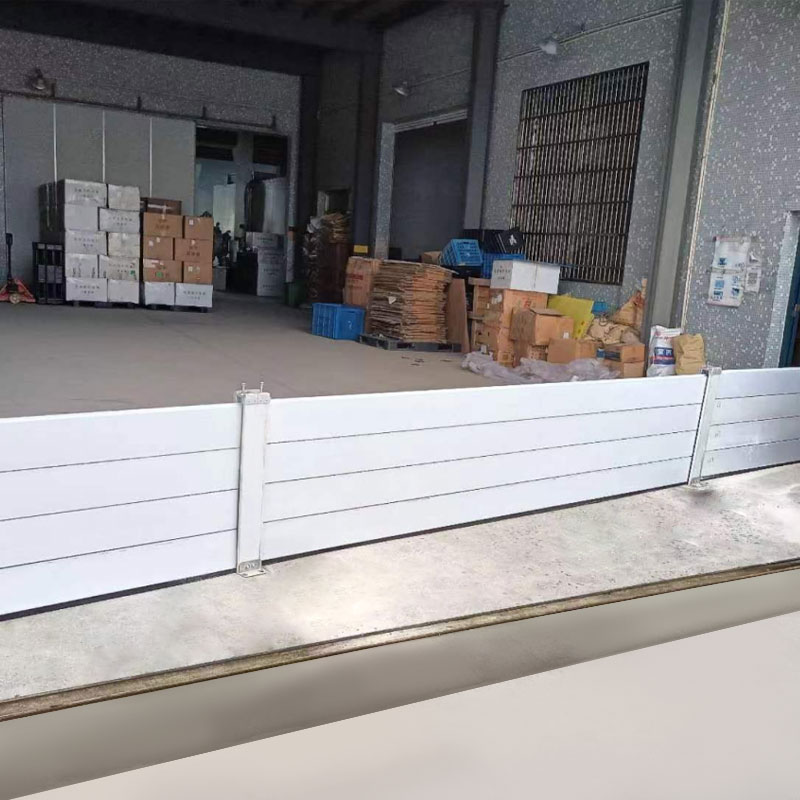
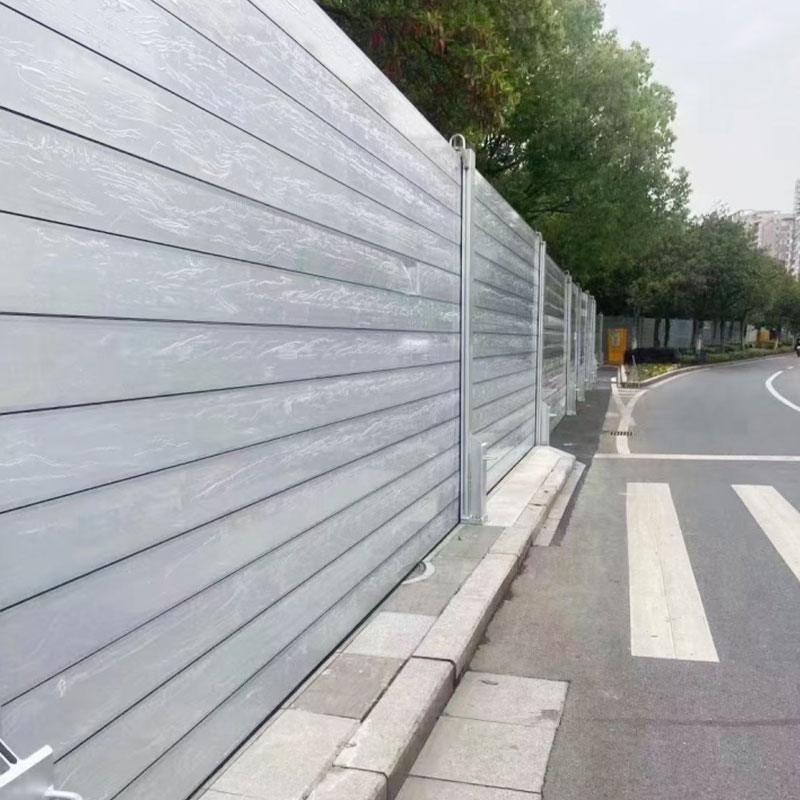
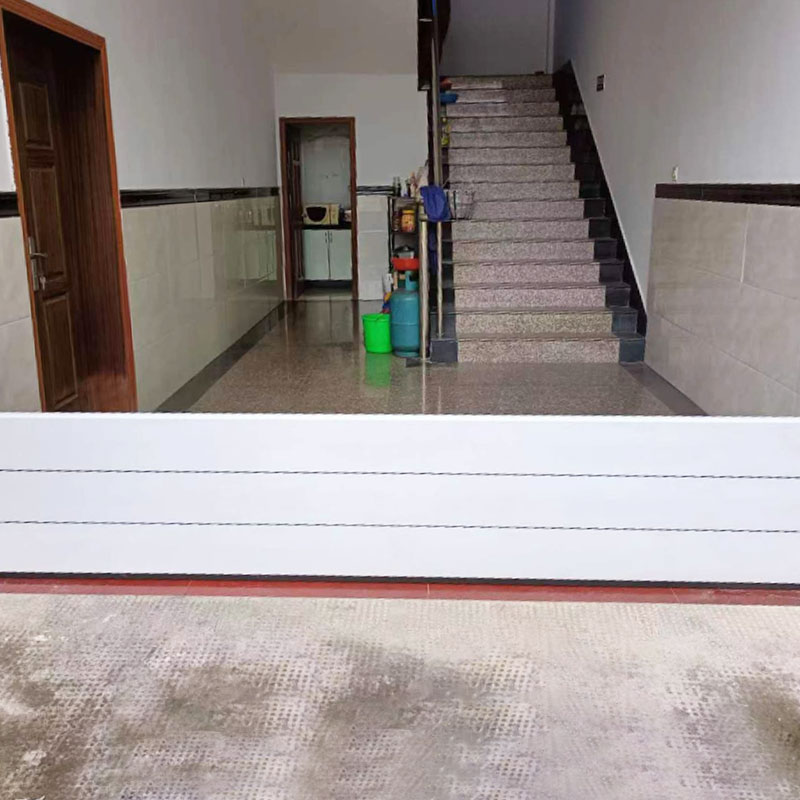
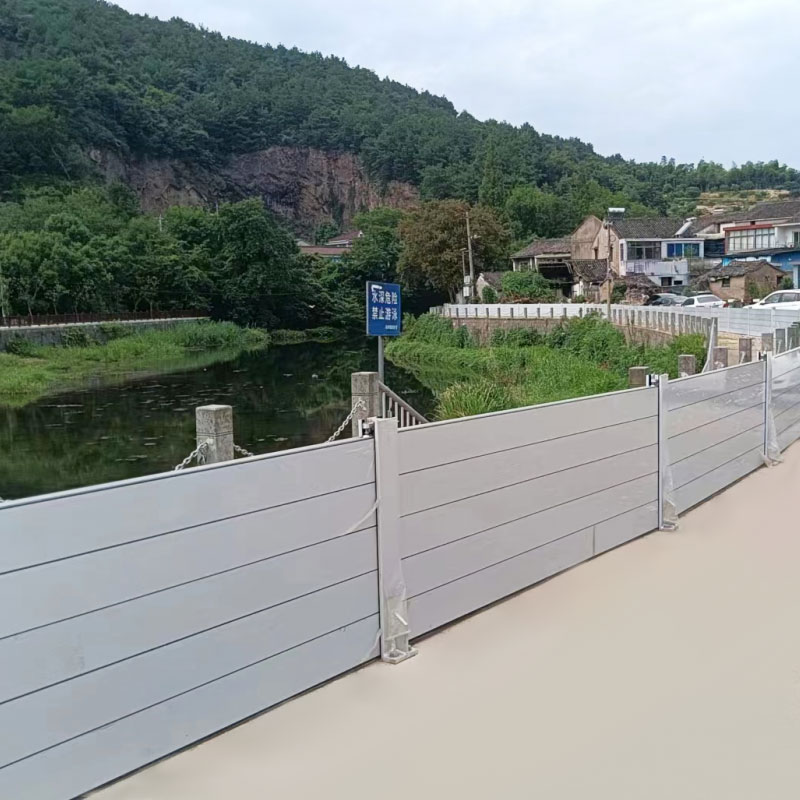
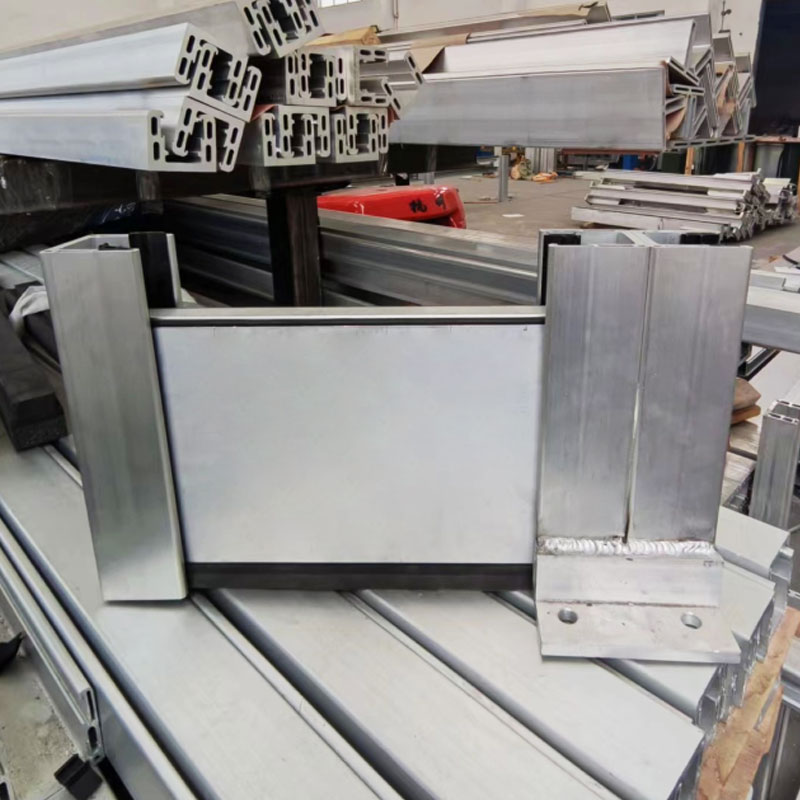
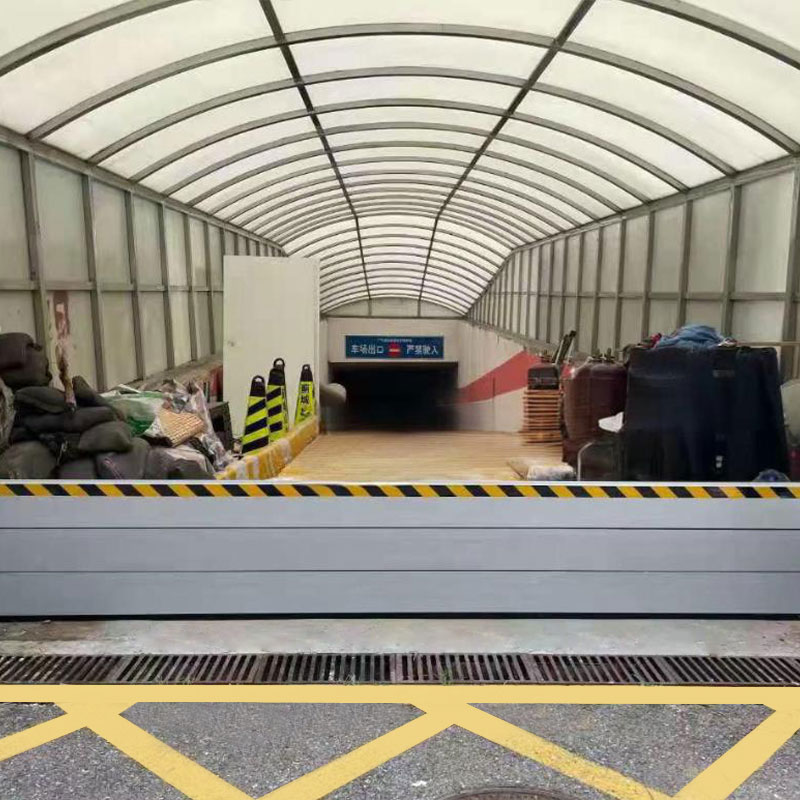
Material Selection and Durability of Metal Flood Protection Boards
Metal flood protection boards are typically constructed from aluminum, stainless steel, or galvanized steel, which are selected for their strength, corrosion resistance, and mechanical stability. The choice of metal significantly influences the board’s suitability for long-term outdoor use and harsh weather conditions. Aluminum offers lightweight handling and natural corrosion resistance, while stainless steel provides enhanced structural strength and chemical stability. Galvanized steel combines high strength with a protective zinc coating to resist rust and degradation in wet environments.
Durability under outdoor conditions depends not only on the base metal but also on surface treatments and coatings. Powder coatings, anodization, and additional sealants improve resistance to UV exposure, salt spray, and rain, extending the functional life of the flood protection board when deployed for extended periods.
Resistance to Water and Moisture Exposure
Flood protection boards are designed to serve as barriers against high water levels, and prolonged exposure to moisture is a key concern. Metals used for these boards generally resist water penetration and maintain structural integrity when properly treated. The thickness of the board and the quality of joints or seal systems further influence how well the barrier performs during sustained immersion or repeated wetting cycles.
Preventing corrosion and water-induced degradation is essential for long-term outdoor use. Coatings and anodization act as protective layers, while stainless steel inherently resists rust formation. Proper maintenance and inspection schedules also help identify areas where protective coatings may be compromised, ensuring that moisture exposure does not compromise board performance over time.
Performance Under Harsh Weather Conditions
Outdoor deployment exposes metal flood protection boards to wind, temperature fluctuations, precipitation, and ultraviolet radiation. Boards must retain strength and dimensional stability under these variable conditions. Metal materials typically handle temperature changes better than plastic or composite alternatives, with minimal expansion, contraction, or warping. Wind loads during storms require adequate anchoring and structural rigidity to prevent bending or displacement, while snow or ice accumulation adds static pressure that the boards must withstand without permanent deformation.
UV radiation can gradually degrade surface coatings, which underscores the importance of selecting UV-resistant paints or treatments. Panels installed in coastal areas or regions with frequent storms benefit from corrosion-resistant alloys and reinforced anchoring methods to maintain integrity during extreme events.
Structural Strength and Load-Bearing Capability
The mechanical strength of metal flood protection boards determines their ability to resist pressure from floodwater and debris. Panels are designed to support lateral water loads without buckling or bending beyond acceptable limits. Ribbed or reinforced cross-sections improve stiffness and prevent deformation under dynamic forces, such as water flow or debris impact. In addition, fastening mechanisms and gaskets play a role in distributing pressure across the board surface, further enhancing structural stability.
For long-term outdoor performance, repeated exposure to water pressure, wind, and thermal cycling must not reduce load-bearing capacity. Selecting materials with high yield strength and fatigue resistance helps ensure that flood protection boards remain functional through multiple flood events over many years.
Corrosion Resistance and Maintenance Requirements
Exposure to rain, humidity, and contaminants can promote corrosion in metal flood protection boards if protective layers are compromised. Stainless steel and properly coated aluminum panels demonstrate inherent resistance, but routine inspections and maintenance help prolong service life. Small scratches, dents, or coating failures should be addressed to prevent localized corrosion that could compromise structural integrity. Regular cleaning and minor touch-ups of protective coatings are recommended in environments with high pollution, salt spray, or acidic rainfall.
Maintenance considerations do not eliminate the need for robust design. Proper drainage, anchoring, and storage when not in use also contribute to the longevity of metal flood protection boards deployed in outdoor settings.
| Material |
Advantages for Outdoor Use |
Potential Limitations |
| Aluminum |
Lightweight, corrosion-resistant, easy handling |
May require coating for UV protection and impact resistance |
| Stainless Steel |
High strength, excellent corrosion resistance, minimal maintenance |
Heavier, higher material cost |
| Galvanized Steel |
Good strength, zinc coating provides corrosion resistance |
Zinc layer can wear over time, requires inspection and recoating |
Temperature Tolerance and Thermal Expansion
Outdoor conditions often involve large temperature variations between day and night or across seasons. Metal flood protection boards typically exhibit controlled thermal expansion, which maintains the integrity of panel joints and fasteners. Aluminum, for example, expands more than steel but remains within manageable limits if expansion gaps and mounting tolerances are properly designed. Panels with high thermal stability reduce the risk of warping, cracking, or misalignment, which is essential for reliable performance during repeated flood events.
Wind and Storm Resistance
Strong winds during storms exert lateral forces on flood protection boards, and properly designed systems must resist displacement or overturning. Anchoring methods, such as embedded brackets, bolted frames, or interlocking connections, help distribute wind loads across the barrier structure. Reinforced panel designs, including ribbing or cross-bracing, further improve wind resistance. Panels that fail to resist wind forces may lose their water-sealing effectiveness or sustain permanent deformation, highlighting the need for both material strength and thoughtful installation practices.
Impact of Heavy Precipitation and Debris
During flood events, water pressure is accompanied by debris such as branches, leaves, or sediment. Metal flood protection boards must resist impact without bending or puncturing. Surface hardness, panel thickness, and frame rigidity are critical factors in determining whether a board can withstand these combined stresses. Properly installed boards with adequate support rails are more likely to maintain functional integrity during heavy precipitation and debris flow.
Long-Term Outdoor Exposure and Aging
Exposure to sunlight, rain, frost, and pollution can gradually affect the surface and mechanical properties of metal flood protection boards. Protective coatings slow degradation but may require periodic inspection and touch-up. Stainless steel and high-grade aluminum alloys demonstrate slow aging, retaining functional strength and corrosion resistance over extended outdoor deployment. Incorporating UV-stable finishes and considering local environmental aggressors are important steps for ensuring longevity.
Installation and Anchoring Considerations for Harsh Environments
Long-term performance of metal flood protection boards is strongly influenced by installation quality. Proper anchoring, alignment, and sealing of joints prevent water infiltration and stress concentrations. Flexible gaskets or interlocking systems accommodate minor movement caused by wind or thermal expansion without reducing the barrier’s protective function. Installation in flood-prone areas may also consider rapid deployment and ease of removal for seasonal use, balancing durability with operational practicality.
Inspection and Preventive Maintenance Practices
Routine inspection and preventive maintenance help extend the service life of metal flood protection boards in outdoor environments. Regularly checking for corrosion, fastener integrity, and coating wear ensures that the panels remain structurally sound and effective as flood barriers. Small repairs, such as resealing joints or touching up coatings, prevent minor issues from becoming major failures during critical flood events.
Performance Summary Under Combined Environmental Conditions
Metal flood protection boards demonstrate suitability for long-term outdoor use when material selection, protective coatings, structural design, and installation are properly addressed. They can resist water exposure, maintain structural strength under snow and wind loads, tolerate thermal expansion, and remain functional over extended periods. Periodic maintenance further ensures that the board continues to perform reliably under harsh weather conditions. Collectively, these factors support the use of metal flood protection boards in environments with recurring floods and challenging outdoor climates.

 English
 Español