
 English
 Español
How durable are steel guardrails in high-humidity, high-salt, or cold regions?
Home / News / Industry News / How durable are steel guardrails in high-humidity, high-salt, or cold regions?
Steel guardrails serve as essential traffic barriers, designed to prevent vehicles from leaving roadways or colliding with hazardous obstacles. Among these, waveform guardrails are widely used due to their flexibility and energy absorption characteristics. The durability of steel guardrails depends on material selection, protective coatings, structural design, and the environmental conditions to which they are exposed. In regions with high humidity, high salt content, or cold temperatures, the performance of these traffic barriers can be influenced by factors such as corrosion, thermal stress, and material fatigue.
Steel guardrails are typically manufactured from carbon steel or low-alloy steel, chosen for its tensile strength, ductility, and energy absorption during impacts. Waveform guardrails feature a corrugated profile that enhances structural rigidity while allowing controlled deformation. The mechanical properties of steel provide the baseline for performance, but the environmental exposure can significantly influence long-term durability. In aggressive conditions, the protective measures applied to the steel surface play a central role in maintaining structural integrity.
High humidity promotes the formation of moisture films on steel surfaces, which can accelerate oxidation and rust development. In waveform guardrails, the corrugated shape creates crevices where water may accumulate, intensifying local corrosion. Traffic barriers in humid regions often require corrosion-resistant coatings or galvanization to maintain long-term durability. Without proper protection, steel guardrails may exhibit surface pitting, reduced thickness, and weakened structural performance over time.
Coastal areas or regions where de-icing salts are frequently used present a high-salt environment for traffic barriers. Salt ions accelerate the electrochemical reactions that lead to steel corrosion. Waveform guardrails and other traffic barriers in these regions experience accelerated degradation, especially at joints, fasteners, and areas where protective coatings are compromised. Salt exposure can also lead to localized crevice corrosion, where moisture and salt concentrate in small gaps, further reducing durability.
In cold climates, steel guardrails are subject to temperature fluctuations that can induce thermal stress. Freeze-thaw cycles can exacerbate any existing micro-cracks in protective coatings, allowing moisture ingress and initiating corrosion beneath the surface. Steel properties are generally maintained at low temperatures, but repeated contraction and expansion can accelerate fatigue in waveform guardrails and other traffic barriers over time. Proper material selection and coating flexibility are key to mitigating these effects.
Corrosion protection is essential for steel guardrails in harsh environments. Common treatments include hot-dip galvanizing, zinc-rich primers, and organic coatings. Hot-dip galvanizing provides a sacrificial zinc layer that protects the underlying steel even if minor coating damage occurs. Organic coatings such as powder coatings act as physical barriers, preventing moisture and salt from contacting the steel. Combined protection systems can extend service life, particularly for waveform guardrails, which are more prone to localized water accumulation due to their corrugated design.
| Protection Method | Mechanism | Performance in Harsh Environments |
| Hot-dip galvanizing | Sacrificial zinc layer | Provides long-term corrosion resistance in high-humidity and high-salt areas |
| Organic coating | Physical barrier | Limits moisture and salt contact; may require maintenance over time |
| Duplex system (galvanizing + coating) | Barrier plus sacrificial protection | Enhanced durability in coastal and cold regions |
The design of steel guardrails and waveform guardrails affects how environmental stress is distributed. Corrugated profiles improve energy absorption during vehicle impacts but create areas where water and debris can accumulate. Traffic barriers with poorly drained sections are more susceptible to corrosion at the base and connections. Ensuring adequate drainage and minimizing tight crevices can reduce localized corrosion and enhance long-term durability, particularly in high-humidity and high-salt regions.
Proper installation is essential to the durability of steel guardrails. Fasteners, bolts, and anchoring points must be secured correctly and treated with compatible corrosion-resistant coatings. Improper installation can leave areas exposed to moisture ingress, leading to early corrosion or stress concentrations. Waveform guardrails are especially sensitive at connection points due to their shape, making installation quality a critical factor in long-term performance.
Regular inspection and maintenance extend the service life of steel guardrails. Surface cleaning to remove salt deposits, debris, and standing water prevents accelerated corrosion. Minor coating repairs, touch-up painting, and re-galvanizing damaged areas also maintain durability. In cold regions, inspections after freeze-thaw cycles can identify micro-cracks or coating failures before structural integrity is compromised. Routine maintenance ensures that waveform guardrails and other traffic barriers continue to function effectively as protective elements.
Environmental conditions influence steel guardrail performance in different ways. High-humidity regions primarily challenge coatings and surface protection due to persistent moisture. High-salt regions accelerate electrochemical corrosion processes, particularly at joints and fasteners. Cold regions subject steel to thermal cycling and potential coating cracking, which can initiate localized corrosion. Waveform guardrails, due to their corrugated shape, are more sensitive to moisture accumulation and may require additional attention in these environments.
With proper material selection, protective treatments, installation, and maintenance, steel guardrails can remain functional for multiple decades even in challenging conditions. Hot-dip galvanizing or duplex protection combined with periodic inspections can maintain the structural integrity of waveform guardrails and traffic barriers exposed to high humidity, salt, or cold. Durability is influenced by both the initial quality of materials and the ongoing management of environmental exposure.
Field studies of steel guardrails in coastal areas show that properly galvanized and coated traffic barriers maintain load-bearing capacity for 15-25 years with minimal localized corrosion. In cold climates, waveform guardrails subjected to repeated freeze-thaw cycles demonstrate minor surface corrosion when coatings remain intact, but structural performance is maintained. Regular maintenance and inspection reduce the risk of early degradation in both high-humidity and high-salt regions, confirming the effectiveness of protective measures.
Steel guardrails and waveform guardrails are designed to absorb kinetic energy during vehicle collisions. Repeated minor impacts or environmental vibration can compromise protective coatings over time, especially in aggressive climates. Areas of damage are more vulnerable to moisture and salt penetration, accelerating corrosion. Therefore, durability assessment must consider both mechanical loading and environmental exposure to provide a realistic long-term performance evaluation.
Durability is improved when steel guardrails are matched to the expected environmental conditions. In coastal areas, thicker galvanization layers or duplex systems are recommended. High-humidity inland regions may benefit from robust organic coatings, while cold regions require flexible coatings that can withstand thermal expansion and contraction. Waveform guardrails may require additional surface preparation or localized coating reinforcement at corrugation valleys to prevent moisture accumulation and enhance long-term performance.
Steel guardrails, including waveform guardrails, are capable of maintaining structural integrity in high-humidity, high-salt, and cold regions if protective treatments, installation practices, and maintenance procedures are properly implemented. The interaction between environmental stressors, mechanical loading, and protective measures determines overall durability. Traffic barriers that combine appropriate material selection, corrosion protection, design optimization, and routine inspection can provide reliable roadside safety performance over extended service periods.
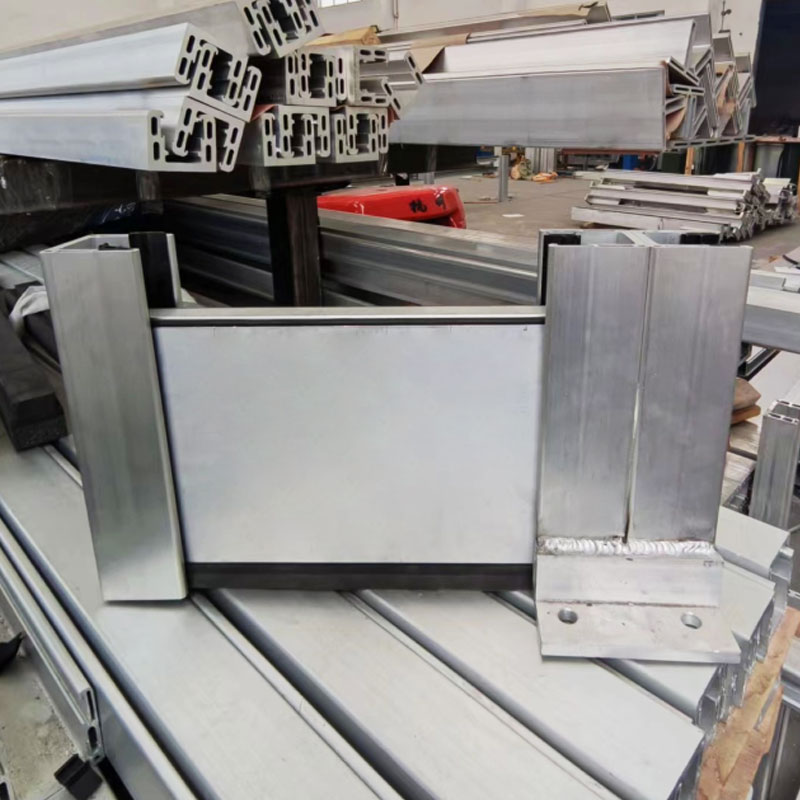
Stainless steel flood control panels are mainly made of high-quality stainless steel materials (such as SUS304 stainless steel), which have strong cor...
See Details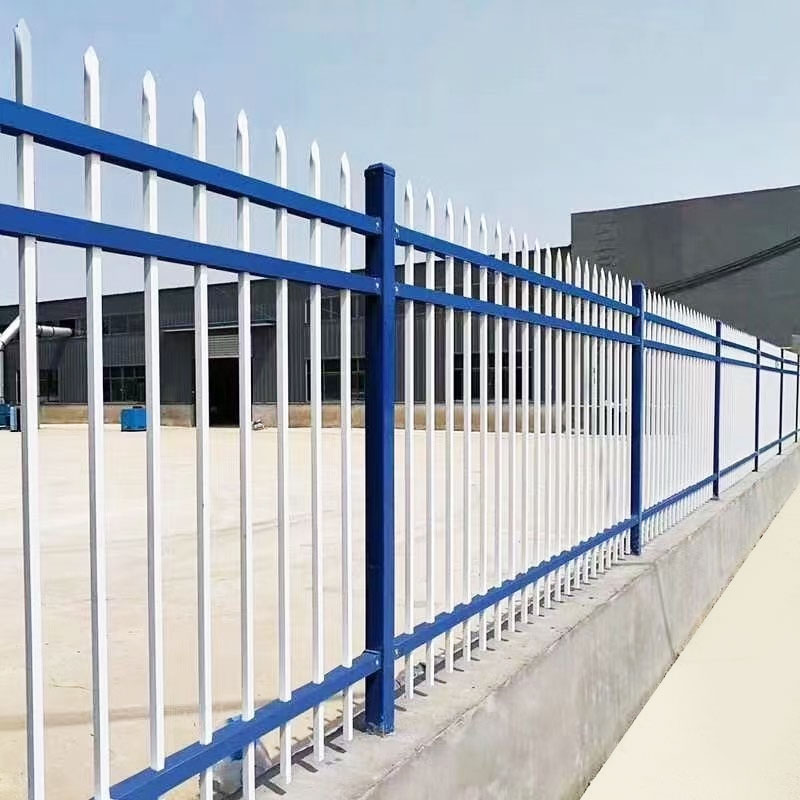
Zinc steel guardrail is made of high-quality hot-dip galvanized steel pipe and the electrostatic spraying process. It has an assembled or welded struc...
See Details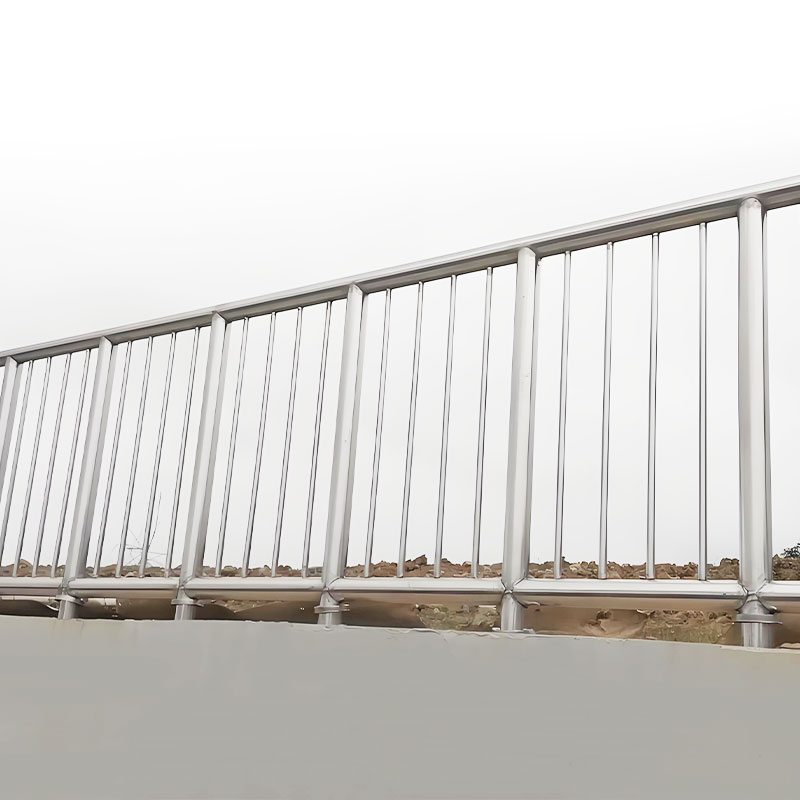
Stainless steel road guardrails are traffic isolation facilities made of stainless steel as the main material. With its excellent corrosion resistance...
See Details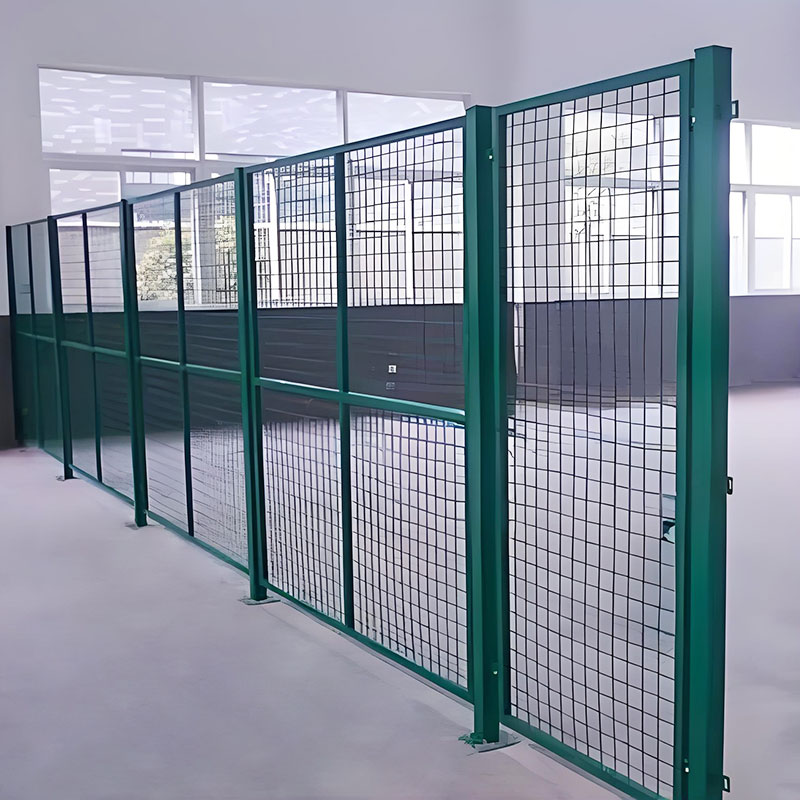
The workshop isolation net, also known as the warehouse isolation net, factory equipment protection fence, or factory workshop partition wire mesh, is...
See Details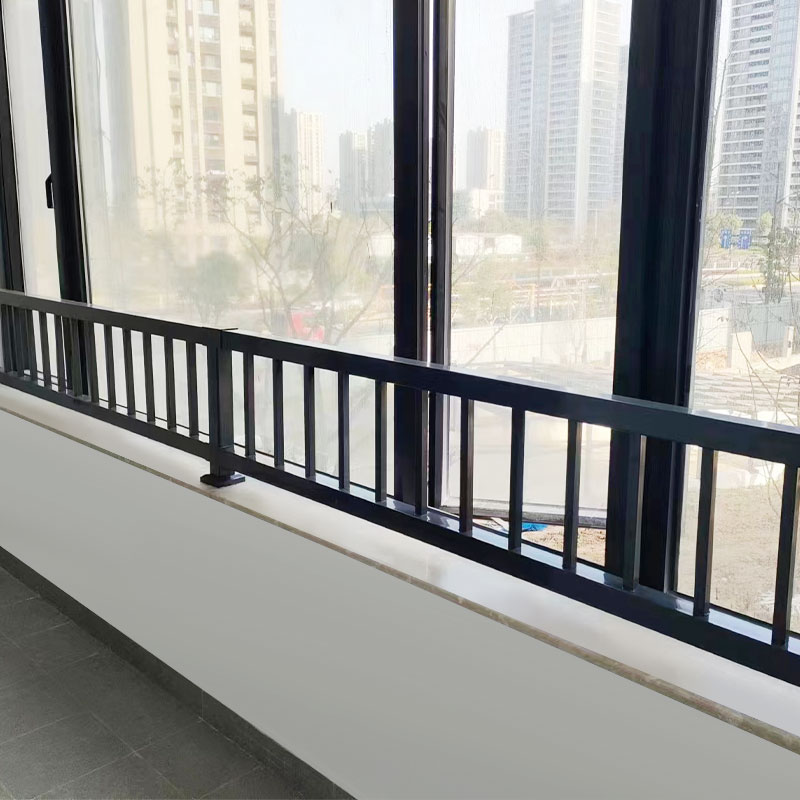
The zinc steel balcony guardrail is made of zinc alloy, which is not only strong and hard, but also beautiful in appearance, colorful and durable, so ...
See Details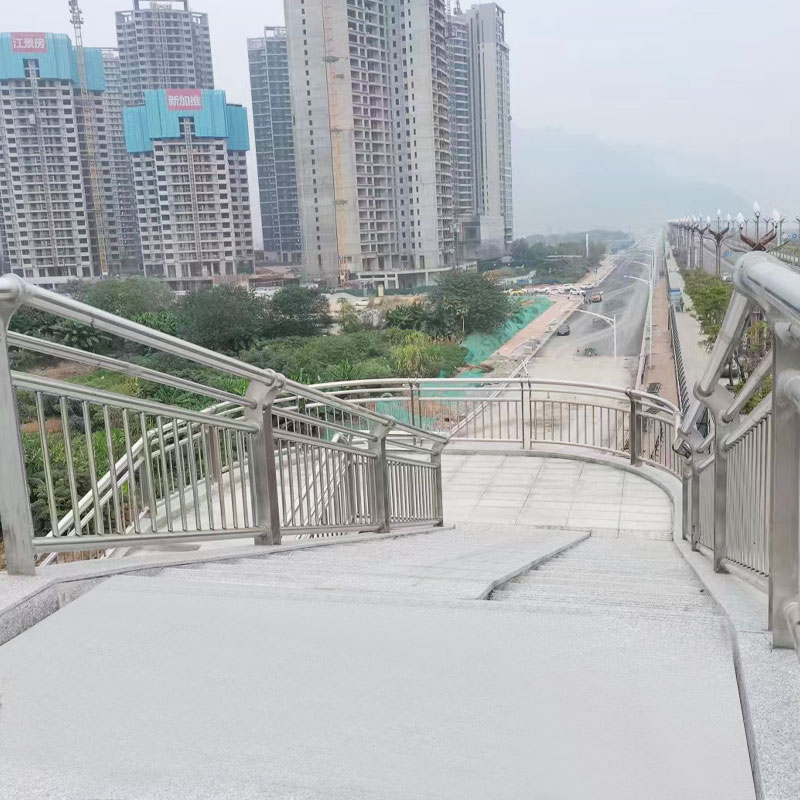
Stainless steel handrails are made of stainless steel materials and are mainly divided into handrails, columns, bases and other components. The struct...
See DetailsContact Us
Add:No. 577 Fuqiang Road, Panhuo Street, Yinzhou District, Ningbo City, Zhejiang Province
Email: [email protected]
Telephone: +86-18058271903
Phone: +86 0571-28284189

Zhenxuan Traffic Engineering Co., Ltd. is a large manufacturers of professional responsible for the design, production and sales of a series of guard rails, guard rails and high-speed soundproofing screens.
PRODUCT
case
 OEM/ODM Aluminum/Steel Guardrail Manufacturers
+86-18058271903