Overview of Mesh Fences and Their Protective Properties
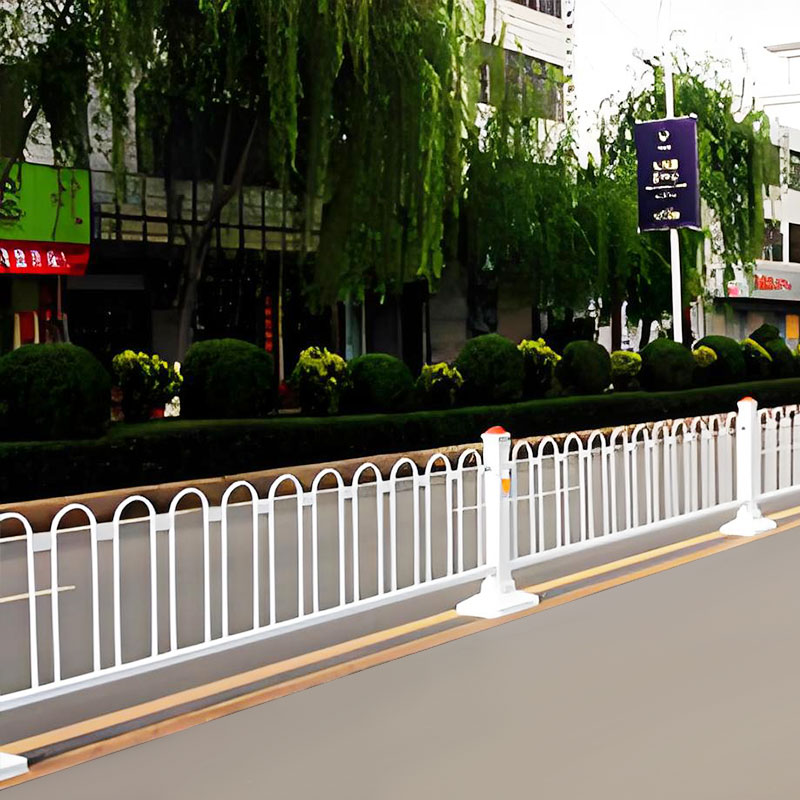
Mesh fences, including steel mesh fences and other wire fence types, are widely used for security, boundary demarcation, and containment purposes. These fences are constantly exposed to environmental factors that can lead to corrosion and rust formation. Anti-corrosion and rust-proof properties are critical to ensuring long-term performance, maintaining structural integrity, and preserving visual appearance. The effectiveness of these properties depends on material selection, surface treatment, environmental conditions, and maintenance practices.
Material Selection and Baseline Resistance
Steel mesh fences are typically made from carbon steel, galvanized steel, or low-alloy steel. The inherent corrosion resistance of the base material influences how well the fence withstands moisture, pollutants, and temperature variations. Stainless steel options provide higher natural resistance to oxidation, while carbon steel requires additional protective treatments. Wire fences made from untreated steel are more susceptible to rust, especially in humid or coastal environments, making surface protection essential for durability.
Galvanization and Its Performance
Galvanization is a common treatment for mesh fences, forming a protective zinc layer over the steel surface. This layer acts as a sacrificial barrier, slowing the oxidation process. Steel mesh fences with galvanized coatings exhibit improved resistance to moisture and atmospheric chemicals. The thickness and uniformity of the zinc layer influence long-term performance. In environments with moderate humidity and minimal pollutants, galvanization can maintain protective effectiveness for years. In harsher conditions, the zinc layer may gradually degrade, but it continues to provide sacrificial protection as long as it remains intact.
Powder Coating and Paint Systems
Powder coating and paint systems provide a physical barrier against water, salt, and chemical exposure. Wire fences and steel mesh fences treated with coatings are generally more resistant to surface corrosion. These coatings can be applied over galvanized steel to create a duplex system that combines barrier protection with sacrificial corrosion resistance. In outdoor environments, exposure to UV radiation and mechanical wear can gradually reduce coating effectiveness, necessitating periodic inspection and maintenance.
Environmental Factors Affecting Performance
The anti-corrosion and rust-proof properties of mesh fences are influenced by environmental conditions. High-humidity regions promote persistent moisture on surfaces, accelerating oxidation on untreated or inadequately protected steel. Coastal areas with salt-laden air increase electrochemical reactions, particularly on exposed joints and connection points. Industrial areas may introduce acidic or alkaline pollutants that challenge protective coatings. Even temperature variations, such as freeze-thaw cycles, can create micro-cracks in coatings, allowing water ingress and localized rusting.
| Environment |
Impact on Corrosion |
Performance of Protective Measures |
| High-humidity regions |
Persistent moisture accelerates oxidation |
Galvanized and coated steel mesh fences maintain integrity with regular inspection |
| Coastal/salty areas |
Salt accelerates electrochemical corrosion |
Duplex systems (galvanization + coating) offer longer-term resistance |
| Industrial zones |
Pollutants may degrade coatings |
Thicker or chemically resistant coatings improve durability |
| Cold/freeze-thaw regions |
Thermal cycles can crack coatings |
Flexible coatings and proper installation minimize moisture ingress |
Influence of Structural Design
The design of mesh fences affects how protective treatments perform. Wire fences and steel mesh fences with tight bends, sharp edges, or crevices may trap moisture and debris, leading to localized corrosion. Open mesh designs facilitate drainage and airflow, reducing the likelihood of standing water and rust accumulation. Proper design that allows easy water runoff and minimizes crevice formation enhances the performance of anti-corrosion treatments in various environments.
Connection Points and Fasteners
Joints, bolts, and other connection points are critical areas for corrosion in mesh fences. Protective coatings can be damaged during installation, exposing bare steel. Fasteners made from dissimilar metals may induce galvanic corrosion. Ensuring that all connection points are coated and compatible with the fence material improves the overall rust-proof performance of steel mesh fences and wire fences. Periodic inspection of these areas is essential for long-term maintenance.
Mechanical Wear and Maintenance
Mesh fences are often subjected to mechanical stress, impact, or abrasion, which can damage protective layers. Even minor scratches or dents can become initiation sites for rust if left unaddressed. Maintenance practices, such as cleaning accumulated debris, inspecting coatings, and performing touch-up repairs, extend the anti-corrosion lifespan of steel mesh fences. Regular maintenance is particularly important in high-humidity, high-salt, or cold environments where natural wear can accelerate corrosion processes.
Performance in High-Humidity Environments
In areas with high atmospheric moisture, untreated wire fences corrode quickly, while galvanized or coated steel mesh fences show improved durability. Continuous moisture exposure can eventually erode protective layers, particularly if coatings are thin or damaged. Ensuring uniform application of corrosion protection and addressing defects promptly helps maintain rust-proof properties over the service life of the fence.
Performance in Coastal or Salty Regions
Salt-laden air significantly challenges anti-corrosion treatments. Galvanized steel mesh fences may experience faster zinc depletion if exposed continuously to salt spray. Coatings act as an additional barrier to minimize direct contact with corrosive agents. Duplex treatment systems combining galvanization and powder coating provide enhanced protection for wire fences and steel mesh fences in coastal areas, reducing the frequency of maintenance and extending service life.
Performance in Cold or Freeze-Thaw Conditions
In cold climates, steel mesh fences and wire fences face thermal contraction and expansion cycles. These cycles can stress coatings, potentially causing micro-cracks and allowing moisture penetration. Flexible coatings and proper surface preparation improve resistance to freeze-thaw effects. Regular inspection following winter seasons helps identify early signs of rust and enables timely maintenance, preserving the anti-corrosion properties of the fence over time.
Long-Term Durability Considerations
With appropriate material selection, protective treatments, and maintenance, steel mesh fences and other wire fences can perform reliably over long periods in diverse environmental conditions. Galvanization, coatings, and duplex systems provide different levels of protection, with combined systems offering higher durability. Environmental monitoring, periodic maintenance, and design considerations such as drainage and minimized crevices are essential to sustaining rust-proof performance and structural integrity.
Case Studies and Field Observations
Field observations indicate that steel mesh fences installed in high-humidity regions maintain structural function for many years when treated with galvanization or coating systems. Coastal installations show slower corrosion rates when duplex treatments are applied, compared to single-layer protection. In cold regions, wire fences with flexible coatings exhibit minimal surface corrosion if maintained regularly, confirming that protective measures perform effectively when combined with proper installation and inspection routines.
Integration of Design, Materials, and Maintenance
The overall performance of mesh fences is determined by the interaction between structural design, material selection, corrosion protection treatment, and ongoing maintenance. Open mesh design, compatible coatings, and regular inspection practices work together to ensure that steel mesh fences, wire fences, and other mesh fence types retain anti-corrosion and rust-proof properties across varied environmental conditions. This holistic approach supports reliable long-term operation in both mild and challenging climates.

 English
 Español