
 English
 Español
Does the flood control board have a leak-proof design?
The question of whether a flood control board has a leak-proof design depends on how the system is engineered, installed, and maintained. A flood control board is typically used as a temporary or semi-permanent protective measure to prevent water from entering buildings through doors, garages, storefronts, or other vulnerable openings. Its effectiveness relies not only on the rigidity of the panel itself but also on sealing performance at contact surfaces. A leak-proof structure in this context refers to the system’s ability to resist water penetration under hydrostatic pressure and dynamic flow conditions.
In many modern applications, a flood barrier or anti flood barrier is designed with integrated sealing components that compress against surrounding frames. The overall water resistance performance is determined by structural integrity, gasket design, frame alignment, and installation precision. Therefore, the leak-proof capability of a flood control board is not solely a material feature but a combination of mechanical design and proper deployment.
The base material of a flood control board plays a central role in preventing leakage. Common materials include aluminum alloy, reinforced composite panels, stainless steel, and high-density polymer structures. These materials are selected for their resistance to corrosion, structural deformation, and prolonged exposure to moisture. When water accumulates against the surface of a flood barrier, the panel must withstand hydrostatic pressure without bending excessively, as deformation may create gaps at the sealing interface.
Aluminum flood boards are frequently used due to their balance between strength and manageable weight. Reinforced rib structures may be added to increase stiffness, especially for larger openings. If a panel flexes beyond allowable tolerance under pressure, water infiltration may occur along edges. Therefore, leak-proof performance is closely related to the rigidity and dimensional stability of the chosen material.
Sealing systems are central to the leak-proof design of an anti flood barrier. Most flood control board systems incorporate rubber gaskets, EPDM seals, or silicone compression strips along their perimeter. When the board is installed into a frame or doorway, these gaskets compress against contact surfaces, forming a water-resistant seal. The effectiveness of this seal depends on uniform pressure distribution and the quality of the gasket material.
Over time, exposure to ultraviolet light, temperature changes, and repeated installation cycles may affect gasket elasticity. For this reason, maintenance inspections are recommended to ensure that seals remain flexible and intact. A well-designed flood barrier will allow for gasket replacement without requiring full system replacement, helping maintain long-term leak resistance.
A flood control board is often supported by side frames or channel systems permanently mounted to the building structure. These frames guide the panel into position and provide compression surfaces for sealing. Proper alignment of these frames is critical. Even small deviations in vertical or horizontal alignment may create uneven sealing pressure, increasing the risk of seepage.
Installation procedures typically include precise measurement and anchoring of side rails to masonry, concrete, or metal surfaces. The connection between the frame and building substrate must also be sealed to prevent water from bypassing the barrier. Sealant application at anchor points further enhances leak resistance, ensuring that the entire flood barrier assembly performs as a unified protective structure.
The leak-proof capacity of a flood control board must be evaluated under realistic water load conditions. When floodwater rises, hydrostatic pressure increases proportionally to depth. This pressure exerts outward force on the panel and inward force on sealing edges. Engineering calculations determine maximum allowable water height for each barrier model.
The following table outlines how water depth influences pressure and structural demand:
| Water Depth | Approximate Pressure at Base | Structural Demand on Panel | Seal Compression Requirement |
| Low Level | Minimal | Standard Support | Moderate Compression |
| Medium Level | Increased | Reinforced Panel Stiffness | Higher Compression Stability |
| High Level | Substantial | Enhanced Structural Reinforcement | Consistent Edge Sealing |
As water levels rise, any weakness in structural rigidity or sealing continuity becomes more pronounced. Therefore, manufacturers often specify maximum protection heights for each flood barrier configuration.
Some anti flood barrier designs use stackable boards to accommodate varying flood heights. In these systems, multiple panels are inserted vertically within side channels. The joints between stacked panels must be carefully sealed to prevent inter-panel leakage. Overlapping profiles, tongue-and-groove interlocks, and compression strips are commonly integrated to enhance joint tightness.
Joint performance is particularly important because hydrostatic pressure is distributed across the entire stacked height. If joint compression is insufficient, water may seep between layers. Proper tightening mechanisms, such as locking bars or clamping systems, help maintain vertical compression throughout the stack.
Even a well-engineered flood control board may not achieve leak resistance if installed incorrectly. Proper placement requires ensuring that debris, dust, or surface irregularities are removed from contact areas before installation. Small particles trapped beneath gaskets can create micro-channels for water infiltration. Clear installation guidelines and training reduce the likelihood of improper sealing.
In emergency deployment scenarios, time pressure may lead to incomplete tightening or misalignment. For this reason, some flood barrier systems incorporate visual alignment indicators or quick-lock mechanisms that simplify correct installation. Consistency in deployment improves the reliability of leak-proof performance during critical events.
Leak-proof claims for a flood control board are often validated through controlled water testing. Testing may involve simulating static water pressure against the barrier for a specified duration while monitoring seepage levels. In some cases, dynamic flow conditions are also evaluated to assess resistance against moving water.
Testing protocols generally measure acceptable seepage rates rather than absolute zero penetration, as minor moisture presence may occur under prolonged exposure. The goal is to ensure that water does not pass through in quantities that compromise interior spaces. Certification from recognized testing laboratories provides additional assurance regarding flood barrier performance under defined conditions.
Leak-proof design is not solely about initial performance but also about durability over repeated use. Exposure to weather conditions, mechanical wear, and storage environments can influence material behavior. Corrosion resistance coatings on metal flood control boards help maintain surface integrity. Protective storage cases reduce damage during non-use periods.
Routine inspection schedules support long-term reliability. Checking for seal hardening, frame loosening, or structural warping ensures that the anti flood barrier continues to function as intended. Replacement of worn components helps maintain consistent sealing pressure over time.
In some installations, a flood barrier is combined with drainage channels or sump systems to manage residual seepage. While the flood control board forms the primary defense, auxiliary drainage solutions provide additional protection. This integrated approach enhances resilience, especially in areas with prolonged flood exposure.
Design coordination between barrier height and building threshold elevation further reduces risk. Proper assessment of entry points ensures that water does not circumvent the barrier through adjacent walls or floor gaps. Comprehensive planning contributes to overall leak resistance.
Environmental factors such as temperature variation, debris impact, and water contamination can affect sealing performance. In colder climates, rubber seals must remain flexible despite temperature drops. In coastal regions, salt exposure requires corrosion-resistant materials. A flood control board designed with environmental adaptability in mind is more likely to maintain consistent leak-proof functionality.
Adaptable configurations allow adjustments for uneven ground or irregular openings. Custom sizing ensures proper compression along the entire perimeter. When the barrier fits precisely within its designated opening, sealing efficiency improves and the risk of leakage decreases.
A flood control board can achieve a leak-resistant design when structural strength, sealing technology, installation accuracy, and maintenance practices are aligned. While no physical barrier can guarantee absolute impermeability under all extreme conditions, well-engineered flood barrier systems are capable of resisting water intrusion within specified limits. Through careful design, material selection, and operational discipline, an anti flood barrier can provide reliable protection against floodwater entry in residential, commercial, and industrial environments.
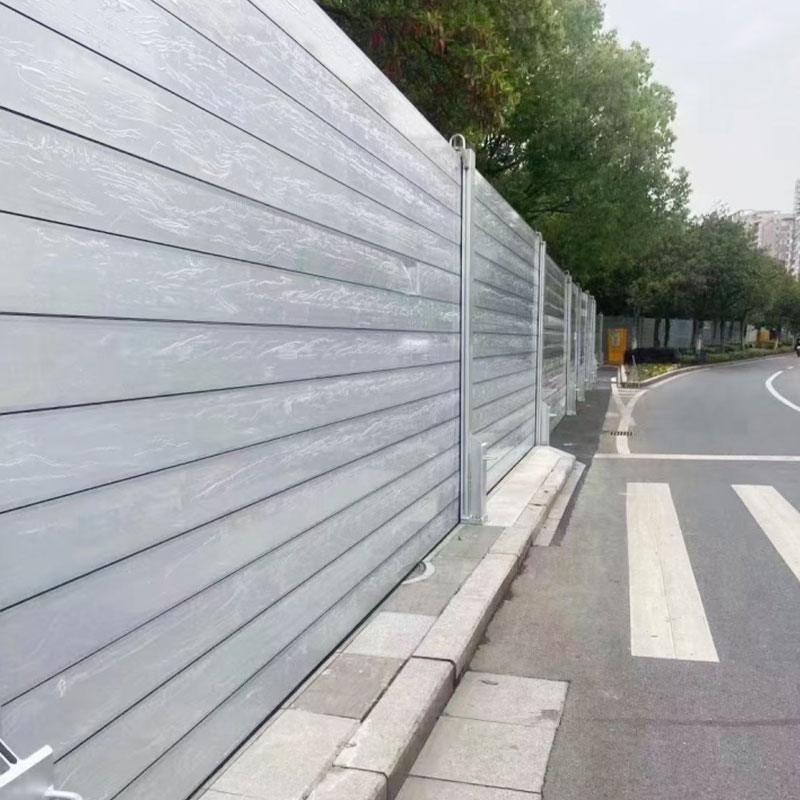
Aluminum alloy flood control board, also known as aluminum alloy flood control water retaining board, is a professional equipment widely used in the f...
See Details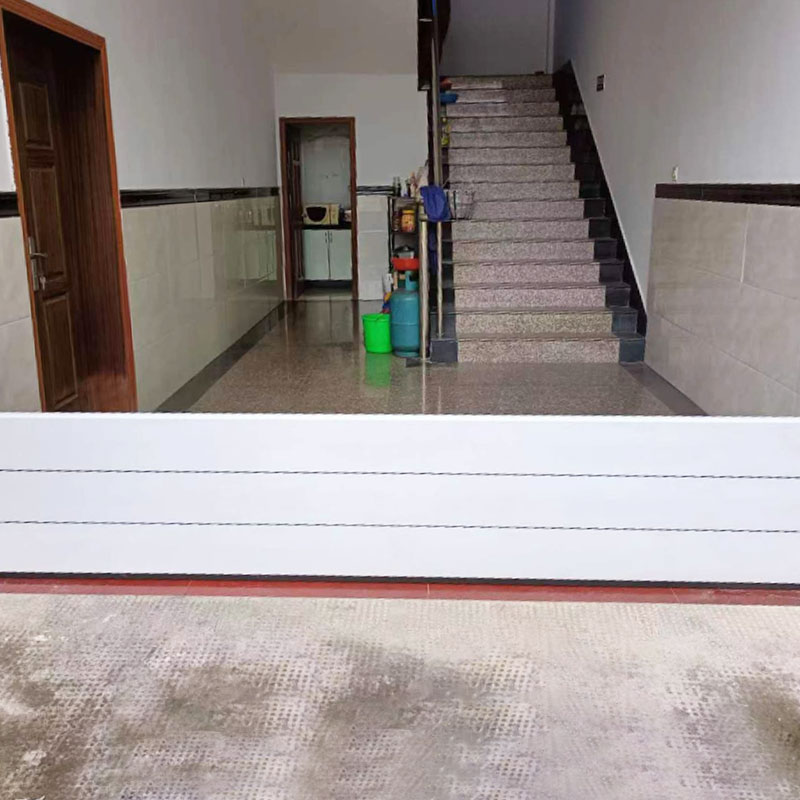
Residential flood control boards are designed for residential areas and are used to prevent floods from entering residential areas when floods occur. ...
See Details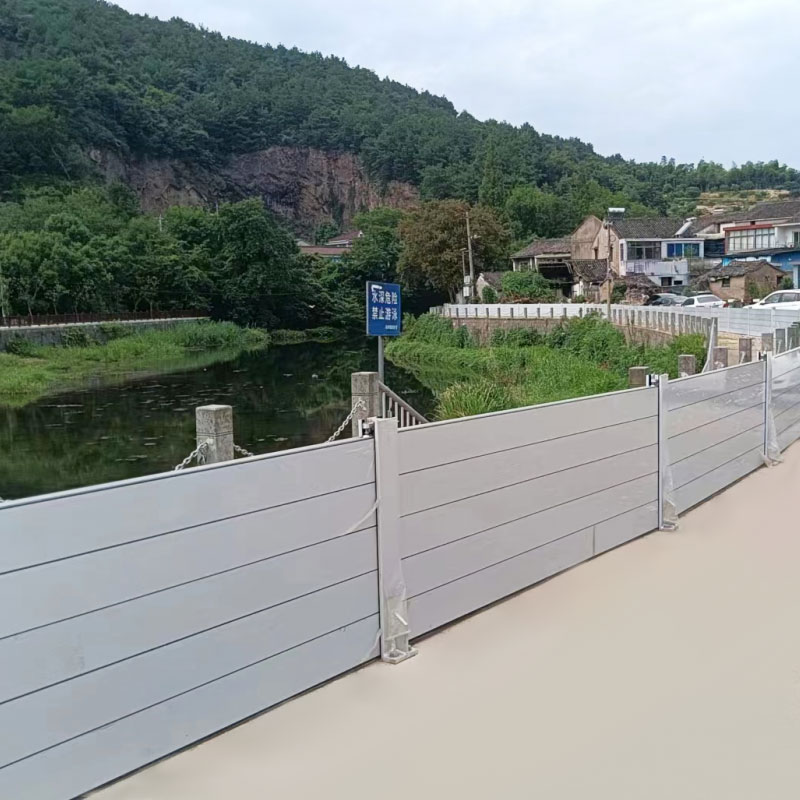
The river flood control board is a kind of protective equipment specially used for river flood control, which aims to prevent flooding and ensure the ...
See Details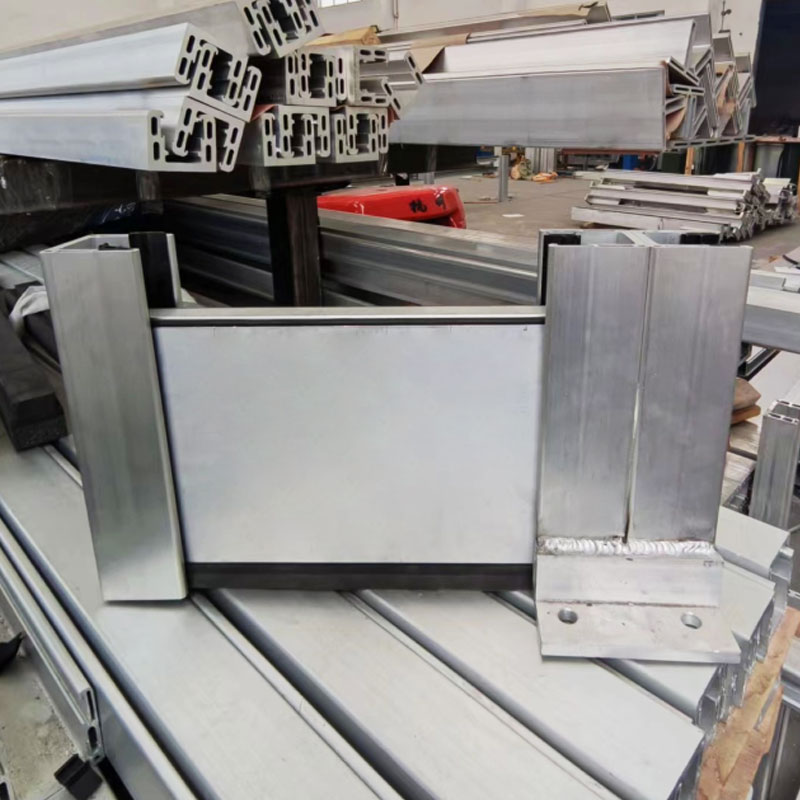
Stainless steel flood control panels are mainly made of high-quality stainless steel materials (such as SUS304 stainless steel), which have strong cor...
See Details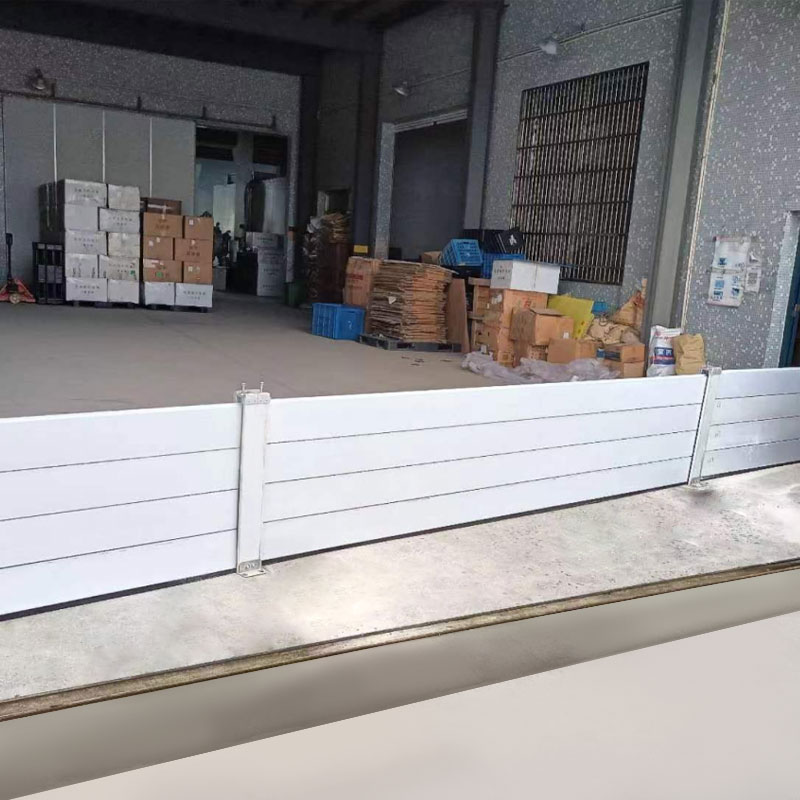
Flood control panels for workshops and factories are important protective equipment used to prevent floods or large amounts of water from invading wor...
See Details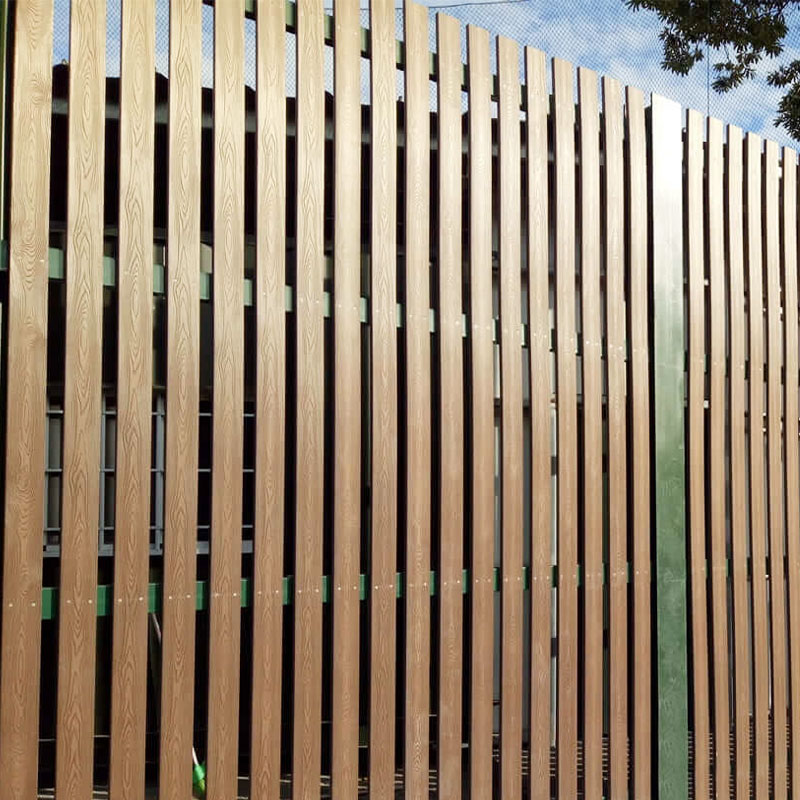
Wood-plastic Great Wall Fence (Grille) is a new type of building material that combines the characteristics of plastic and wood fiber. It is widely us...
See DetailsContact Us
Add:No. 577 Fuqiang Road, Panhuo Street, Yinzhou District, Ningbo City, Zhejiang Province
Email: [email protected]
Telephone: +86-18058271903
Phone: +86 0571-28284189

Zhenxuan Traffic Engineering Co., Ltd. is a large manufacturers of professional responsible for the design, production and sales of a series of guard rails, guard rails and high-speed soundproofing screens.
PRODUCT
case
 OEM/ODM Aluminum/Steel Guardrail Manufacturers
+86-18058271903