Environmental Challenges in High Humidity and Corrosive Industrial Areas
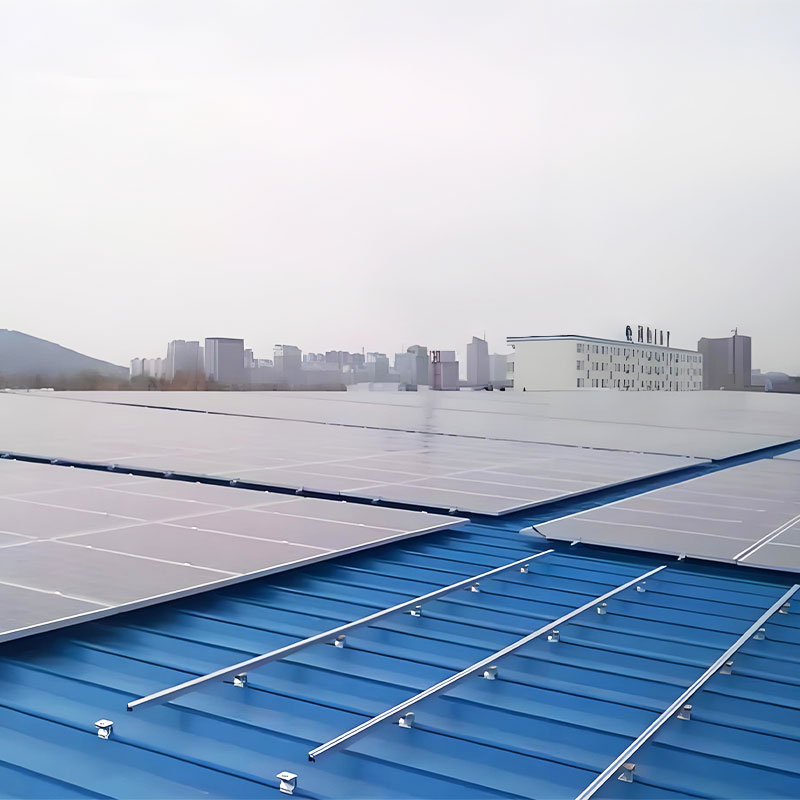
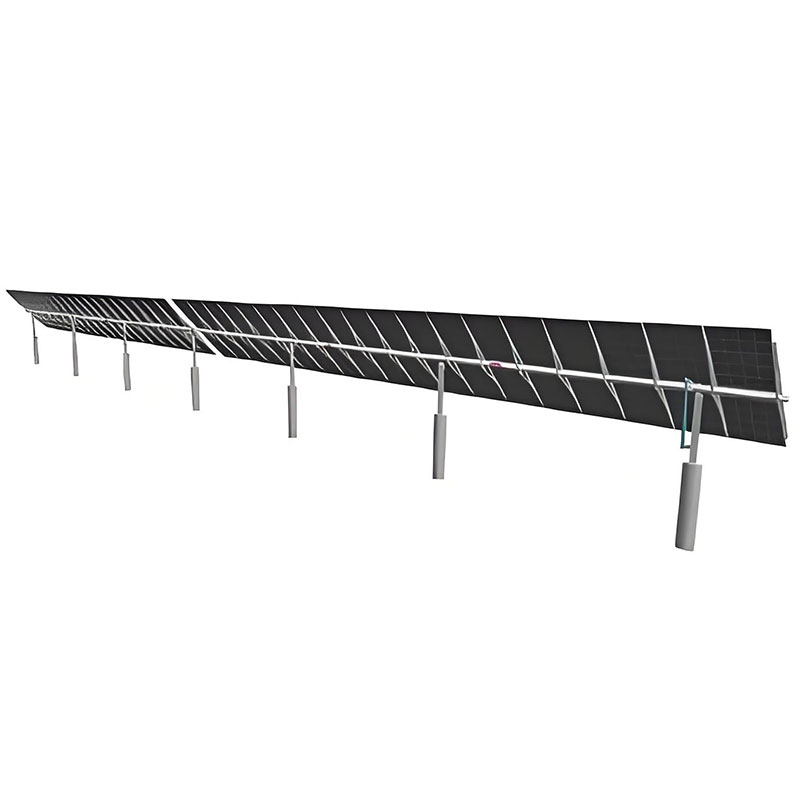
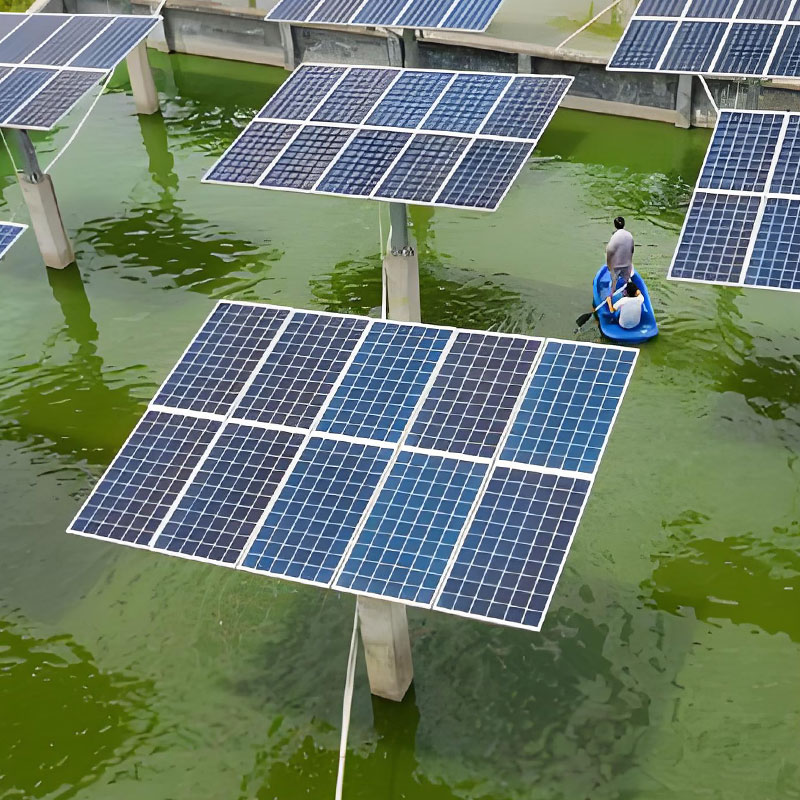
High humidity and corrosive industrial environments present complex challenges for structural components exposed to the atmosphere. Elevated moisture levels accelerate electrochemical reactions on metal surfaces, while industrial pollutants such as sulfur dioxide, ammonia, and chloride compounds intensify corrosion processes. In such conditions, outdoor support systems must resist oxidation, chemical attack, and structural degradation over extended service periods. Solar energy installations, including photovoltaic bracket systems and supporting steel structure frameworks, are not exempt from these environmental influences.
When evaluating whether a solar mounting bracket is suitable for these demanding settings, it is necessary to examine material composition, surface treatment, structural design, and long-term maintenance strategies. The interaction between environmental stressors and material properties determines operational stability and safety.
Material Composition of Solar Mounting Brackets
Solar mounting brackets are commonly manufactured from carbon steel, aluminum alloys, or stainless steel. Carbon steel is frequently selected for its mechanical strength and cost-effectiveness, especially when integrated into large-scale steel structure systems. However, untreated carbon steel is vulnerable to corrosion in humid or chemically aggressive environments. To address this limitation, protective coatings such as galvanization are applied.
Aluminum alloys provide natural corrosion resistance due to the formation of a stable oxide layer on their surface. This characteristic makes aluminum-based photovoltaic bracket systems suitable for moderately humid environments. Stainless steel components, particularly fasteners, are also used in areas where chemical exposure is anticipated. The selection of material depends on the severity of environmental conditions and the expected lifespan of the installation.
Role of Hot Dip Galvanized Bracket Systems
A hot dip galvanized bracket is widely used in photovoltaic support systems exposed to high humidity or corrosive industrial atmospheres. The galvanization process involves immersing steel components in molten zinc, forming a metallurgical bond between the zinc coating and the steel substrate. This zinc layer acts as a sacrificial barrier, protecting the underlying steel even if the surface is scratched or mechanically damaged.
In humid environments, the zinc coating reacts with oxygen and carbon dioxide to form a stable protective layer that slows further corrosion. In industrial areas with chemical pollutants, the durability of the hot dip galvanized bracket depends on coating thickness and exposure intensity. Thicker zinc layers generally provide extended protection, though periodic inspection remains necessary to monitor surface condition.
The integration of hot dip galvanized brackets within a steel structure framework enhances resistance against moisture-related degradation. However, environmental classification and corrosion category assessments should guide coating specifications to ensure compatibility with local conditions.
Performance of Photovoltaic Bracket Systems in Humid Climates
High humidity alone does not always result in severe corrosion, but it increases the likelihood of condensation forming on metal surfaces. Continuous moisture presence facilitates electrochemical reactions that weaken structural components over time. A properly designed photovoltaic bracket system incorporates drainage pathways and ventilation spacing to reduce water retention.
Surface treatments such as powder coating or anodizing can supplement corrosion resistance in aluminum brackets. For steel-based solar mounting bracket systems, galvanization combined with protective paint layers may provide additional barriers. Design considerations should also include minimizing crevices where water can accumulate, as stagnant moisture accelerates localized corrosion.
The mechanical integrity of the bracket must remain stable despite exposure to fluctuating humidity levels. Thermal expansion and contraction cycles may affect fasteners and connection points, requiring appropriate torque specifications and corrosion-resistant hardware.
Impact of Corrosive Industrial Pollutants
Industrial zones may contain airborne chemicals such as sulfur compounds, nitrogen oxides, or alkaline particles. These pollutants interact with moisture to form acidic or alkaline solutions on exposed surfaces. In such cases, corrosion rates may increase compared to purely humid environments. Solar mounting bracket systems installed near chemical plants, refineries, or manufacturing facilities must be designed with enhanced protective measures.
The choice between aluminum and hot dip galvanized bracket solutions depends on the specific chemical exposure profile. For example, chloride-rich environments may influence aluminum differently than sulfur-rich atmospheres affect zinc coatings. Engineering evaluation of pollutant composition supports informed material selection.
The following table summarizes general material behavior under humid and corrosive industrial conditions.
| Material Type |
Humidity Resistance |
Chemical Corrosion Resistance |
Maintenance Frequency |
| Hot Dip Galvanized Steel |
Stable with adequate coating thickness |
Moderate, dependent on pollutant type |
Periodic inspection required |
| Aluminum Alloy |
Good natural oxide protection |
Varies with chemical exposure |
Low to moderate |
| Stainless Steel |
Stable in moist air |
High with appropriate grade |
Low |
Structural Stability of Steel Structure Frameworks
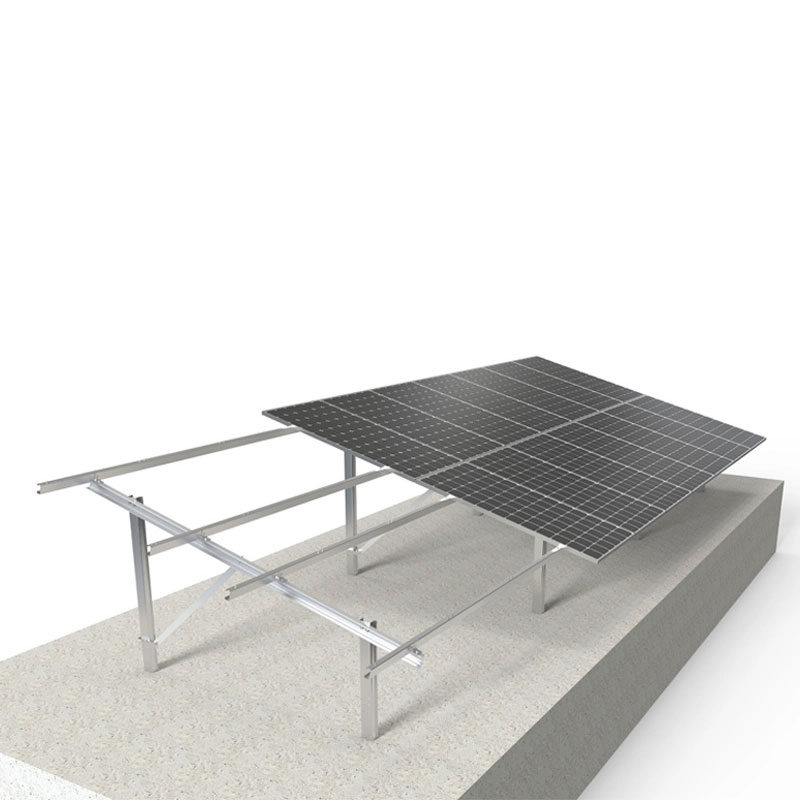
Large-scale solar installations often rely on a steel structure framework to support photovoltaic modules. In corrosive environments, structural stability depends not only on surface treatment but also on load distribution and connection integrity. Corrosion at connection points can reduce cross-sectional strength, affecting overall load-bearing capacity.
Design engineers consider corrosion allowances during structural calculations, accounting for potential material loss over time. In high humidity or industrial settings, protective redundancy may be incorporated, such as combining galvanization with epoxy coatings. Structural members should also be designed to avoid water traps and allow natural drainage.
Wind loads and vibration can further stress corroded components. Therefore, periodic structural assessments ensure that the photovoltaic bracket system maintains safe operational performance throughout its service life.
Installation Practices and Quality Assurance
Proper installation significantly influences corrosion resistance. Damage to galvanization layers during transport or assembly can create localized corrosion points. Using compatible fasteners and applying protective sealants to exposed edges reduces this risk. For hot dip galvanized bracket systems, field welding should be minimized or followed by appropriate surface restoration treatments.
Isolation techniques may be required to prevent galvanic corrosion when different metals are in contact. For example, insulating washers or coatings can separate aluminum photovoltaic bracket components from steel structure elements. Quality assurance protocols during installation contribute to maintaining long-term environmental resistance.
Maintenance Strategies in Corrosive Settings
Regular inspection and maintenance are essential in humid or chemically aggressive environments. Visual checks for coating damage, rust formation, or fastener loosening help identify early signs of deterioration. Cleaning accumulated industrial dust and chemical residues reduces the duration of corrosive exposure.
Maintenance schedules may vary depending on environmental classification. In regions with frequent rainfall, natural washing may reduce pollutant buildup, whereas dry industrial zones may require manual cleaning. Documentation of inspection results supports preventive maintenance planning and ensures structural reliability.
Lifecycle Considerations and Economic Implications
While corrosion-resistant materials such as stainless steel or thick hot dip galvanized bracket systems may increase initial investment, lifecycle evaluation often demonstrates economic balance over extended service periods. Premature replacement of corroded components can disrupt energy generation and increase operational costs. Selecting materials tailored to environmental severity helps stabilize maintenance budgets and protect structural integrity.
Photovoltaic bracket systems designed for corrosive industrial environments should align with expected project lifespan and warranty requirements. Evaluating environmental exposure, coating durability, and structural design collectively determines long-term suitability.
Overall Assessment of Suitability
Solar mounting bracket systems, including photovoltaic bracket configurations supported by steel structure frameworks, can be suitable for high humidity or corrosive industrial environments when designed with appropriate materials and protective treatments. The use of hot dip galvanized bracket solutions, corrosion-resistant alloys, and careful installation practices enhances durability under challenging atmospheric conditions. Suitability ultimately depends on matching material properties with environmental exposure levels, implementing consistent maintenance strategies, and ensuring structural integrity throughout the operational lifecycle.

 English
 Español