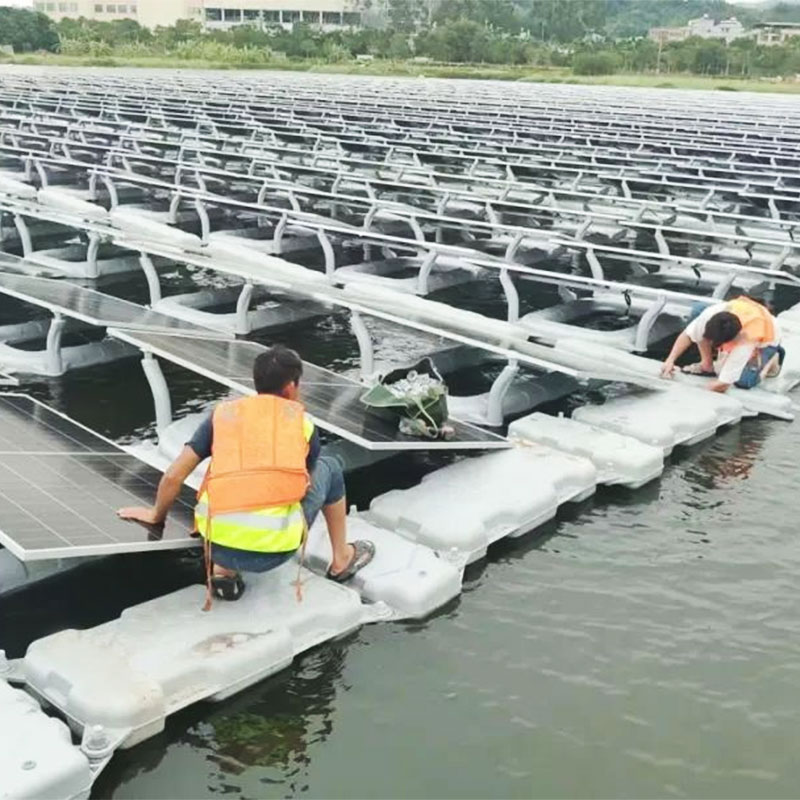
Basic Structural Role of a Solar Panel Mounting Bracket
A solar panel mounting bracket is the core structural component that supports photovoltaic modules and fixes them in a designated position. It connects solar panels to rooftops, ground foundations, or other supporting structures, ensuring stable orientation under various environmental conditions. Because the bracket serves as the primary load-bearing interface, anti-loosening, anti-slip, and anti-tipping considerations are integrated into its overall mechanical design.
Understanding Loosening Risks in Solar Bracket Installations
Loosening typically occurs when fasteners, joints, or connections gradually lose clamping force over time. In a solar bracket system, this can result from vibration, thermal expansion, wind-induced movement, or repeated load cycles. Without dedicated anti-loosening measures, even correctly installed fasteners may experience reduced holding force, affecting the long-term stability of the system.
Fastener Selection and Anti-Loosening Mechanisms
Anti-loosening design begins with appropriate fastener selection. Solar mounting brackets commonly use high-strength bolts, lock nuts, and spring washers. These components maintain preload and resist rotation caused by vibration. Some designs also use double-nut arrangements or self-locking nuts to enhance resistance to gradual loosening during extended outdoor service.
Common Anti-Loosening Methods Used in Solar Mounting Brackets
| Method |
Working Principle |
Application Area |
| Spring washers |
Maintain tension under vibration |
Module-to-rail connections |
| Self-locking nuts |
Increase friction in threads |
Structural joints |
| Double-nut fastening |
Mutual locking effect |
High-load supports |
Role of Surface Treatment in Anti-Slip Performance
Anti-slip design focuses on preventing relative movement between connected components. Surface treatment plays an important role in this aspect. Solar panel mounting brackets often feature textured surfaces, serrated interfaces, or coated contact areas that increase friction. These treatments reduce the likelihood of slippage under shear loads caused by wind or thermal movement.
Rail and Clamp Design to Prevent Sliding
The interface between the module frame and the mounting rail is a critical area for anti-slip design. Clamps are shaped to match the module frame profile, ensuring consistent contact pressure. Proper clamp geometry helps distribute load evenly, reducing localized stress and minimizing the risk of sliding along the rail.
Anti-Tipping Considerations in Structural Geometry
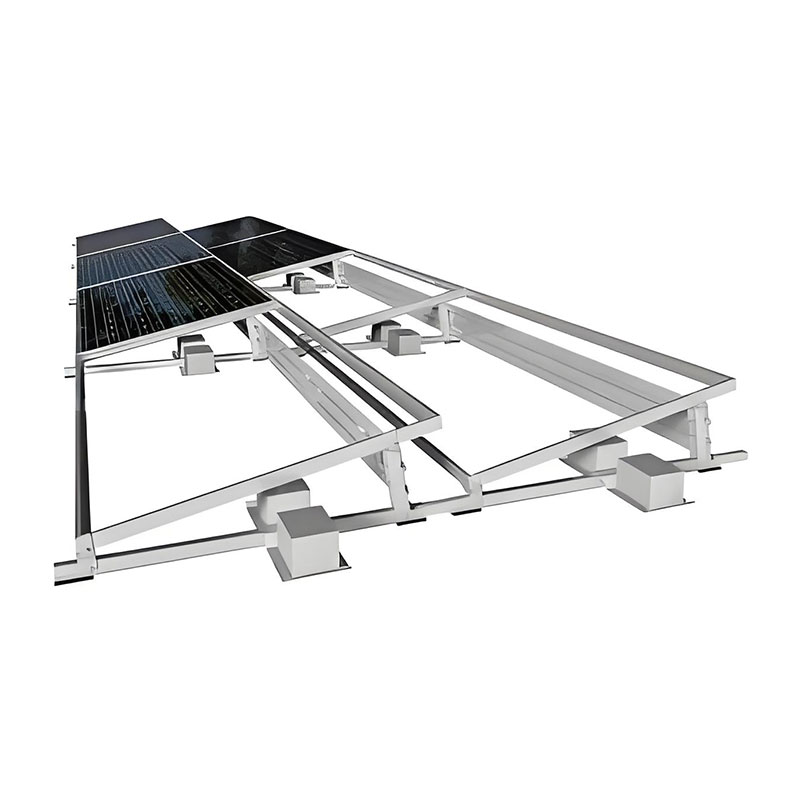
Anti-tipping design addresses the risk of the entire solar mounting bracket structure rotating or overturning under external loads. This risk is influenced by the center of gravity, support spacing, and foundation design. By optimizing these factors, designers ensure that overturning moments remain within acceptable limits during wind or snow events.
Foundation Interface and Its Impact on Stability
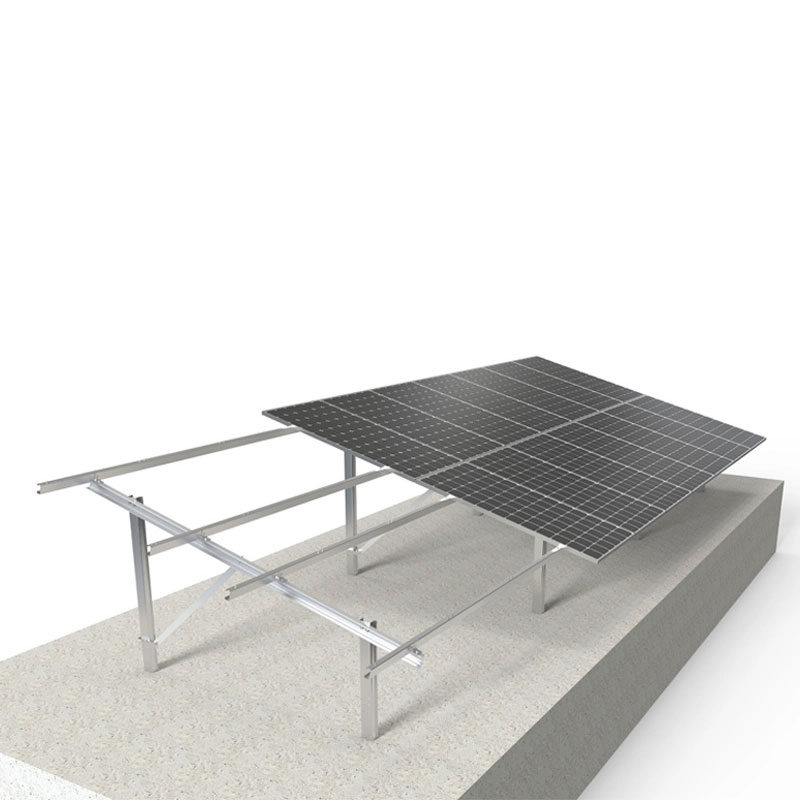
For ground-mounted systems, the connection between the solar mounting bracket and the foundation is essential for anti-tipping performance. Anchors, piles, or concrete footings provide resistance against uplift and lateral forces. The embedment depth and anchor arrangement are selected to counteract overturning forces without excessive deformation.
Load Path Design and Structural Continuity
A stable solar bracket system relies on a clear and continuous load path from the module to the ground or building structure. Loads are transferred through clamps, rails, supports, and anchors in a predictable manner. Interruptions or weak points in this load path can increase the risk of tipping or slipping under combined loads.
Influence of Wind Load on Anti-Tipping Measures
Wind pressure and suction are major contributors to tipping risk. Solar panel mounting brackets are designed with tilt angles and spacing that reduce aerodynamic uplift. In regions with higher wind exposure, additional bracing or reduced panel spacing may be used to lower overturning forces acting on the system.
Design Elements Related to Anti-Tipping Performance
| Design Element |
Effect on Stability |
Typical Adjustment |
| Support spacing |
Controls bending and rotation |
Reduced span in high-wind zones |
| Foundation depth |
Resists overturning |
Increased embedment |
| Bracing members |
Improves lateral stiffness |
Diagonal or cross bracing |
Thermal Expansion and Connection Integrity
Temperature changes cause metal components in a solar panel mounting bracket to expand and contract. If not properly accommodated, this movement can reduce clamping force or introduce stress at joints. Slotted holes, flexible connectors, and controlled tolerances allow thermal movement while maintaining overall stability.
Material Selection and Friction Behavior
The materials used in a solar mounting bracket influence both anti-slip and anti-loosening performance. Aluminum alloys, galvanized steel, and stainless steel are commonly selected for their mechanical strength and corrosion resistance. Material pairing at contact surfaces is considered to achieve stable friction characteristics over time.
Anti-Loosening Features in Pre-Assembled Components
Some solar bracket systems are delivered with pre-assembled components. In these cases, manufacturers may apply thread-locking compounds or preloaded fasteners. These measures reduce installation variability and help ensure consistent anti-loosening performance across multiple installations.
Installation Quality and Torque Control
Even well-designed anti-loosening and anti-slip features depend on correct installation. Applying specified torque values ensures that fasteners achieve the intended preload. Over-tightening or under-tightening can compromise both anti-slip and anti-tipping performance, emphasizing the importance of controlled installation procedures.
Long-Term Behavior Under Cyclic Loads
Solar mounting brackets are exposed to cyclic loads from daily temperature changes and wind fluctuations. Anti-loosening designs aim to maintain joint integrity under these repeated stresses. Over time, consistent preload and friction help prevent gradual displacement or rotation of components.
Inspection and Maintenance Considerations
Although anti-loosening and anti-slip designs reduce risk, periodic inspection remains important. Visual checks for bolt movement, clamp position, and structural alignment help detect early signs of instability. Maintenance practices complement the original design by addressing site-specific conditions.
Compatibility of Anti-Slip and Anti-Tipping Designs
Anti-slip and anti-tipping features are not independent; they work together as part of a unified structural concept. Secure joints prevent localized movement, while stable foundations and geometry limit overall rotation. This integrated approach ensures that the solar panel mounting bracket maintains alignment throughout its service life.
Adaptability Across Different Installation Scenarios
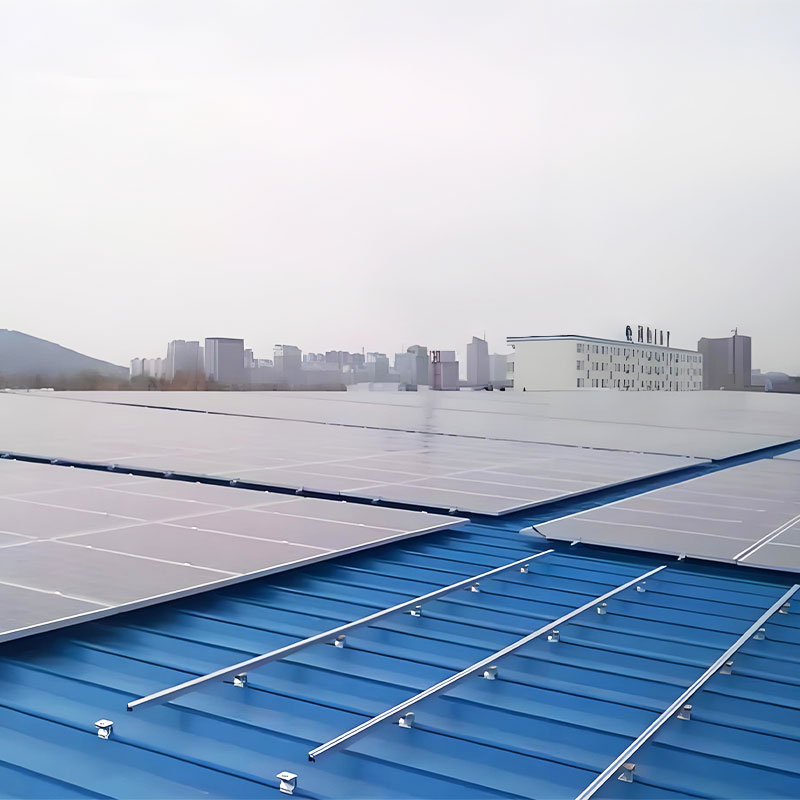
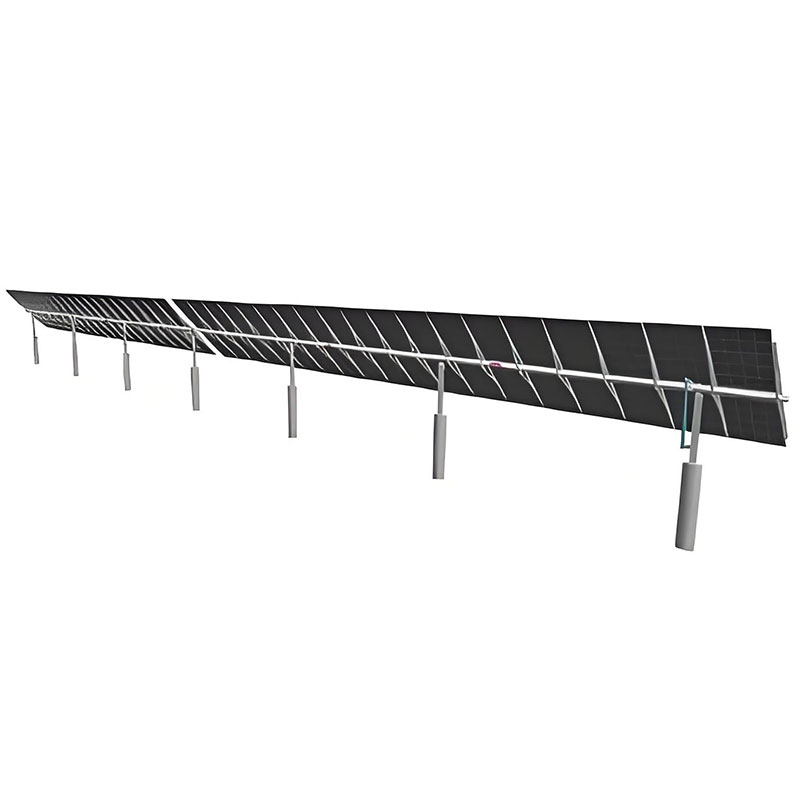
Whether installed on rooftops, open fields, or uneven terrain, solar mounting bracket systems adapt their anti-loosening, anti-slip, and anti-tipping designs to site conditions. Roof-mounted systems emphasize clamp friction and anchoring to building structures, while ground-mounted systems focus more on foundation stability and bracing.
Engineering Standards and Design Verification
Solar bracket designs are typically verified through engineering calculations and, in some cases, physical testing. These processes evaluate resistance to loosening, sliding, and tipping under defined load cases. Compliance with relevant standards supports consistent performance across different environments.
Structural Coordination Within the Solar Mounting Bracket System
The effectiveness of anti-loosening, anti-slip, and anti-tipping designs depends on coordination between all components. From fasteners and clamps to rails and foundations, each element contributes to overall stability. When properly designed and installed, a solar panel mounting bracket system maintains its structural integrity under long-term outdoor exposure.

 English
 Español