Understanding the Role of Waveform Guardrails in Road Safety
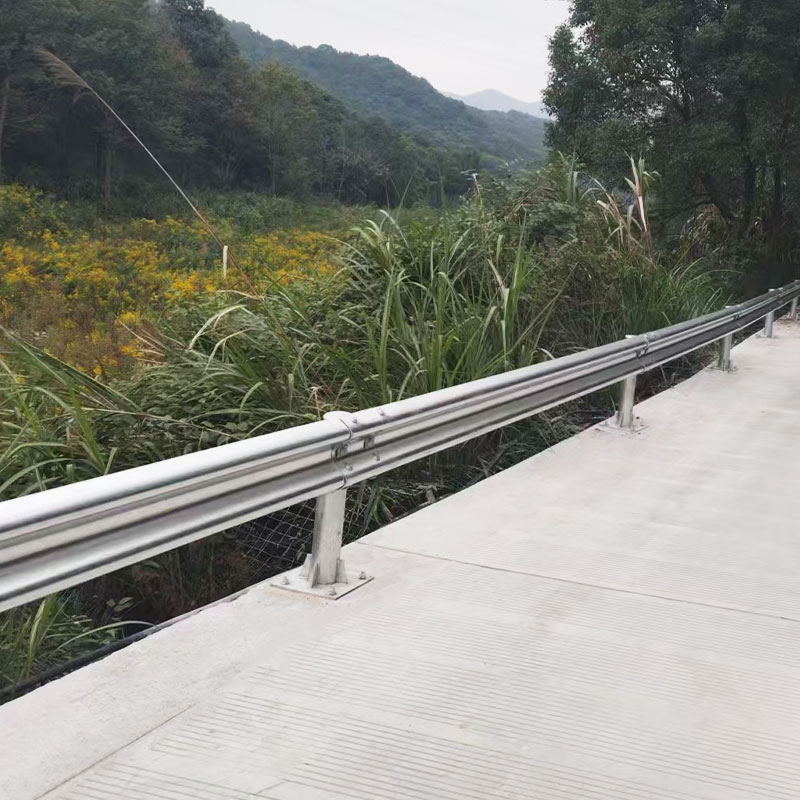
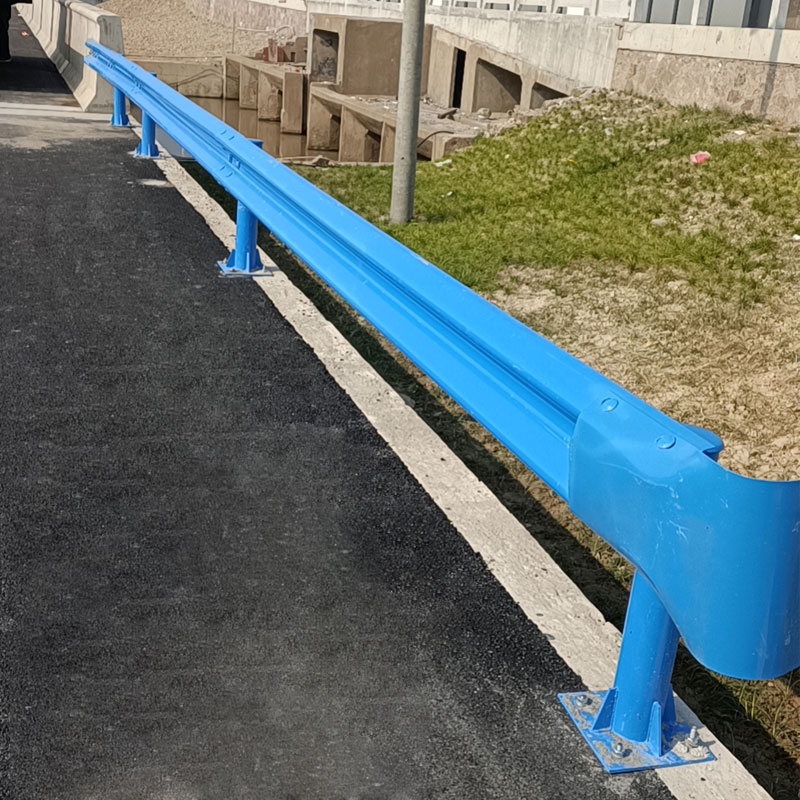
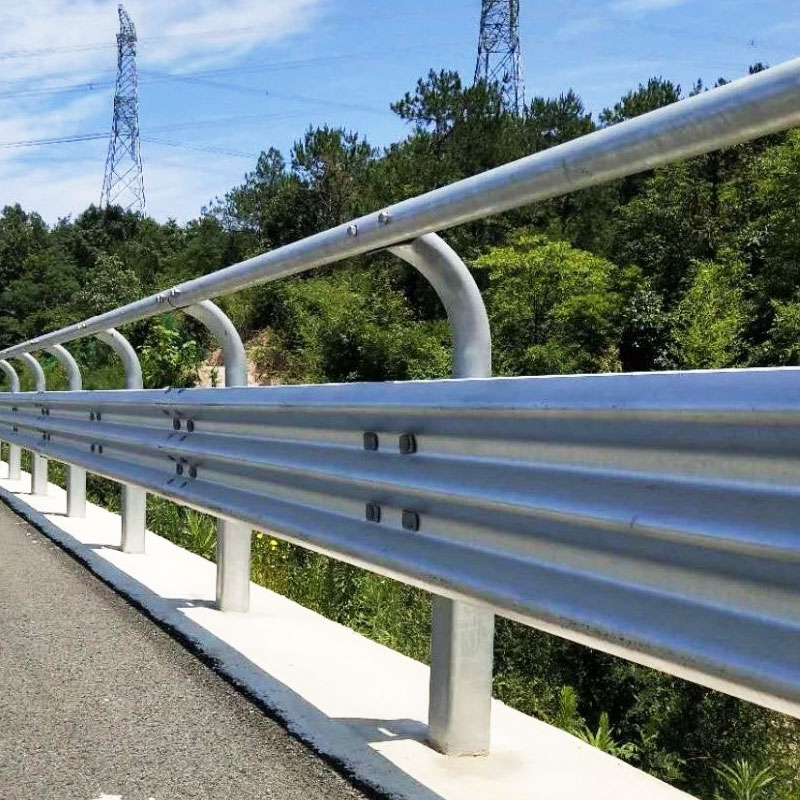
Waveform guardrails are a commonly used type of traffic barrier designed to protect vehicles from veering off the road or colliding with hazardous objects along the roadside. These guardrails, also known as steel guardrails, feature a wavy shape that allows them to absorb and dissipate energy when a vehicle impacts them. The primary function of these guardrails is to prevent vehicles from crossing into dangerous areas, such as oncoming traffic lanes or steep embankments. However, a key consideration is whether waveform guardrails have sufficient strength to prevent vehicles from rolling over or crossing the barrier during an impact.
Design and Construction of Waveform Guardrails
Waveform guardrails are made from various materials, including steel and aluminum alloys, which contribute to their overall strength and performance. The waveform design, which gives the guardrail its distinctive shape, allows for better energy absorption during a collision. Steel guardrails are the most common material used due to their durability and ability to withstand high-impact forces. Aluminum alloy guardrails, on the other hand, are increasingly being used because they are lightweight, corrosion-resistant, and easier to maintain. The effectiveness of waveform guardrails in preventing rollover accidents largely depends on the materials used, the design specifications, and the way the barrier is installed.
Strength Requirements for Vehicle Impact Protection
For waveform guardrails to be effective in preventing vehicles from rolling over or crossing the barrier, they must meet certain strength requirements. These requirements are determined based on various factors, including the type of vehicle, the speed at which the vehicle is traveling, and the angle of impact. The guardrail needs to be able to withstand the force of a vehicle’s impact and redirect the vehicle safely back onto the roadway or into a designated safe zone. The strength of the barrier also depends on how it is anchored to the ground and the height of the guardrail. A properly designed and installed waveform guardrail will absorb the impact force and reduce the likelihood of the vehicle rolling over or crossing the guardrail.
Factors Affecting the Performance of Waveform Guardrails
Several factors influence the ability of waveform guardrails to prevent vehicles from rolling over or crossing the barrier. These factors include the speed and angle of impact, the type of vehicle involved, the condition of the road surface, and the design of the guardrail system itself. High-speed impacts generally pose a greater risk of vehicle rollover or barrier penetration. The angle at which a vehicle strikes the guardrail also plays a crucial role in determining whether the vehicle will be safely redirected or if it will potentially be deflected in such a way that it crosses the guardrail. Additionally, the road surface and the presence of debris or wet conditions can affect the performance of the guardrail. In ideal conditions, a waveform guardrail should absorb the energy of the impact and maintain its integrity, ensuring that the vehicle does not cross the barrier.
Waveform Guardrails and Vehicle Rollover Prevention
One of the primary concerns with any traffic barrier is its ability to prevent a vehicle from rolling over after a collision. Rollover accidents are among the most dangerous types of crashes, as they often result in severe injury or death. Waveform guardrails are designed to deflect vehicles away from obstacles and provide a controlled path that minimizes the risk of rollover. However, the effectiveness of these guardrails in preventing rollovers depends on several factors, such as the angle of impact, the type of vehicle, and the vehicle's speed. In many cases, waveform guardrails have been shown to reduce the likelihood of rollover by dissipating impact energy and guiding the vehicle back onto a safer path. Yet, in high-speed or extreme-angle collisions, there is still a possibility that the vehicle may experience a rollover despite the presence of the guardrail.
Waveform Guardrails and Vehicle Intrusion Prevention
Another critical function of waveform guardrails is to prevent vehicles from crossing into opposing lanes of traffic or into dangerous areas, such as steep embankments or bridges. A key aspect of a traffic barrier's design is its ability to prevent a vehicle from being deflected in such a way that it could potentially cross the barrier. The strength of the guardrail, along with its ability to absorb energy, plays a role in preventing such intrusions. When properly installed and maintained, waveform guardrails help redirect vehicles back onto the roadway, reducing the risk of head-on collisions or vehicle intrusion into unsafe areas. The barrier's height, design, and the flexibility of the material all contribute to its ability to prevent vehicles from breaching the guardrail and crossing into dangerous zones.
Comparing Steel Guardrails and Aluminum Alloy Guardrails
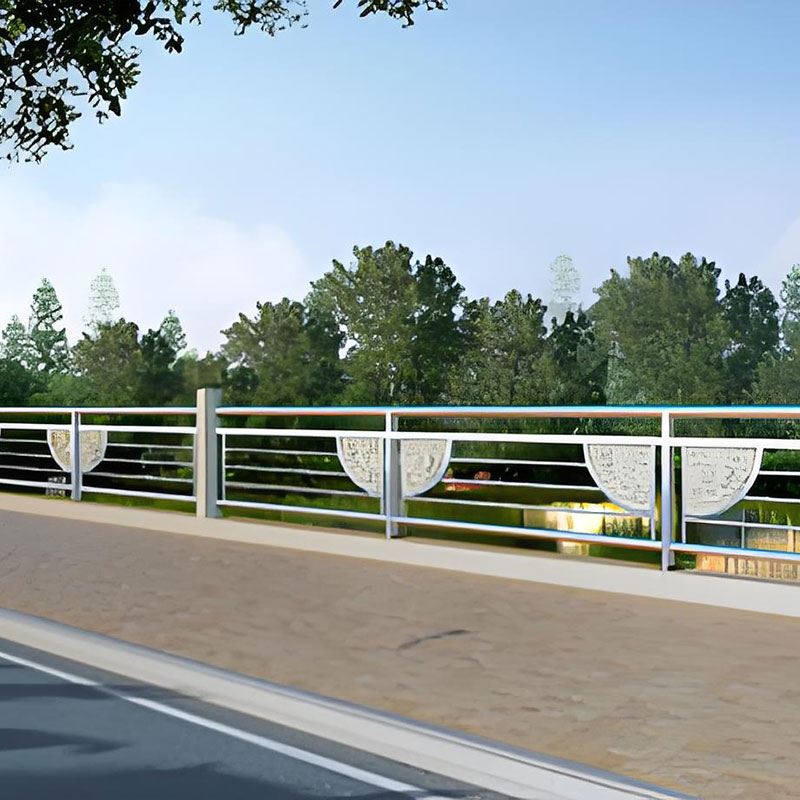
While steel guardrails have been the traditional choice for many years, aluminum alloy guardrails are becoming increasingly popular due to their advantages in terms of weight, corrosion resistance, and ease of maintenance. Both steel and aluminum guardrails are effective in preventing vehicle rollover and intrusion, but they have distinct characteristics. Steel guardrails are typically stronger and more durable, making them suitable for areas with high traffic volume and more severe impacts. Aluminum alloy guardrails, while lighter and more resistant to corrosion, may not always provide the same level of strength as steel. However, they are well-suited for urban environments where maintenance and long-term durability are significant considerations. The choice between these materials largely depends on the specific requirements of the road, the expected traffic conditions, and the environmental factors.
Installation and Maintenance of Waveform Guardrails
Proper installation and maintenance of waveform guardrails are critical to ensuring their effectiveness in preventing vehicle rollovers and intrusions. Guardrails must be securely anchored to the ground, and their posts must be spaced appropriately to provide the necessary support for the barrier. The installation process also involves ensuring that the guardrails are positioned at the correct height and angle, allowing for optimal energy absorption during a collision. Regular inspections and maintenance are essential to maintaining the guardrails' integrity. Over time, guardrails may become damaged due to impacts, weather conditions, or general wear and tear. Replacing damaged sections of the guardrail and ensuring that it remains properly aligned will help ensure that the system continues to provide effective protection against vehicle rollovers and intrusions.
Testing Standards for Waveform Guardrails
To ensure that waveform guardrails meet the required safety standards, they undergo various testing procedures to evaluate their performance under different conditions. These tests simulate different types of vehicle impacts, including high-speed collisions, glancing blows, and direct hits. Testing helps determine how well the guardrails absorb impact energy, whether they prevent vehicle rollover, and if they stop the vehicle from crossing into dangerous areas. Additionally, the testing evaluates the strength of the guardrails, including the resistance of the materials used and their ability to remain intact after impact. Various organizations, including national transportation agencies, establish testing standards to ensure that traffic barriers, including waveform guardrails, provide adequate protection for road users.
Factors Influencing the Effectiveness of Traffic Barriers
The overall effectiveness of any traffic barrier, including waveform guardrails, is determined by various factors. These factors include the vehicle's speed, the type and weight of the vehicle, the angle of impact, and the surrounding environment. For example, high-speed impacts are more likely to result in vehicle deflection or rollover, especially if the guardrail is not sufficiently strong or if the vehicle strikes it at a shallow angle. Additionally, environmental factors such as rain, snow, or ice can affect the performance of the guardrail by reducing friction or altering the vehicle’s trajectory. To optimize the effectiveness of waveform guardrails, road authorities must take these factors into account when designing and installing these barriers.
Performance of Waveform Guardrails in Different Scenarios
The performance of waveform guardrails varies depending on the scenario in which they are used. In high-speed highways, steel guardrails are typically preferred due to their superior strength and ability to withstand more significant impacts. In urban environments, aluminum alloy guardrails may be used due to their lightweight nature and resistance to corrosion. The configuration and placement of the guardrails are also important factors. Guardrails placed on sharp curves or slopes may need additional reinforcement to prevent vehicles from being deflected or from rolling over upon impact. In these situations, a combination of high-strength materials and strategic placement is crucial for maximizing safety.
Comparative Analysis of Waveform Guardrails and Other Traffic Barriers
| Barrier Type |
Material |
Impact Resistance |
Corrosion Resistance |
Cost |
| Waveform Guardrails |
Steel, Aluminum Alloy |
High |
Moderate (Steel), High (Aluminum Alloy) |
Moderate |
| Concrete Barriers |
Concrete |
Very High |
High |
High |
| W-Beam Guardrails |
Steel |
High |
Moderate |
Low |
| Cable Barriers |
Steel Cable |
Moderate |
Moderate |
Low |

 English
 Español