
 English
 Español
How does the height and strength of a traffic guardrail affect its effectiveness?
Home / News / Industry News / How does the height and strength of a traffic guardrail affect its effectiveness?
Traffic guardrails are an essential component of road safety systems, designed to prevent vehicles from veering off the road or colliding with hazards such as cliffs, embankments, or opposing traffic. The height and strength of a traffic guardrail play a significant role in its ability to effectively protect drivers and passengers. The combination of these two factors impacts how well the guardrail can withstand forces from vehicle impacts, how much deflection is allowed, and how effectively it redirects or stops a vehicle in the event of a collision. Understanding the relationship between the height and strength of guardrails is crucial for ensuring they meet safety standards and provide adequate protection.
The height of a traffic guardrail is one of the primary factors in determining its effectiveness in protecting road users. A guardrail that is too low may not be sufficient to prevent vehicles from crossing into dangerous areas, while a guardrail that is too high could create additional hazards or impair visibility for drivers. Generally, the standard height for guardrails is around 27 inches to 31 inches (70 to 80 cm) above the road surface, although this can vary depending on the specific requirements of the road or location.
Guardrails that are designed with an optimal height provide a barrier that is tall enough to stop vehicles from exiting the roadway while remaining low enough to avoid impeding sightlines or contributing to additional risks. The appropriate height of a guardrail depends on several factors, including the type of road, the speed limit, the expected traffic load, and the surrounding environment. For example, roads with higher speed limits may require guardrails that are taller or have additional components such as added reflectors or signs to enhance visibility.
The strength of a traffic guardrail refers to its ability to withstand the forces exerted on it during a vehicle collision. This strength is a key factor in determining how well the guardrail can absorb and dissipate energy, preventing vehicles from breaking through or damaging it. The strength of the guardrail depends on the material used (such as steel, concrete, or wood), the design of the system (e.g., single or double barriers), and the installation method.
A stronger guardrail is better equipped to absorb the energy of a collision without deforming excessively, thereby preventing the vehicle from causing further damage or endangering occupants. The strength of a guardrail is also measured by its ability to maintain structural integrity during impacts at various angles and speeds. Additionally, the guardrail’s ability to maintain its position after multiple impacts is crucial for ensuring that it continues to function effectively throughout its lifespan.
The height and strength of a traffic guardrail work together to influence how a vehicle interacts with it during a collision. If the height is too low, a vehicle may pass over or under the guardrail, causing a potentially more dangerous outcome. On the other hand, if the height is too high, there could be increased risk of the vehicle being redirected in an unintended direction, potentially causing further accidents or damage. The strength of the guardrail directly affects the severity of the impact that the vehicle will experience, with stronger guardrails better able to absorb impact forces without allowing the vehicle to break through.
The optimal combination of height and strength ensures that the guardrail is able to perform its role in deflecting or redirecting vehicles in a controlled manner. This means that the guardrail should ideally be designed to prevent the vehicle from both passing over and being thrown off in a way that could lead to further harm. In high-speed areas, guardrails with appropriate height and strength may also be designed to absorb the impact in such a way that they help reduce the severity of the collision, protecting both the vehicle occupants and any individuals nearby.
The type of vehicles using the road can also influence the effectiveness of a traffic guardrail’s height and strength. For instance, larger vehicles such as trucks or buses may require stronger guardrails due to the greater force generated during a collision. In contrast, smaller vehicles, like cars, may not exert as much force, but the guardrail must still be capable of withstanding impacts from a wide variety of vehicle types.
Additionally, guardrails should be designed to account for the potential risks posed by different types of impacts. A vehicle collision with a guardrail may occur at varying speeds, angles, and under different loading conditions, requiring a flexible yet strong system. The guardrail’s ability to handle different vehicle types—ranging from light vehicles to heavy trucks—ensures that it provides adequate protection across diverse traffic conditions.
Environmental conditions such as weather, terrain, and geographical location also affect the performance of traffic guardrails. For example, in areas with frequent snowfall or heavy rainfall, the guardrail’s height may need to be adjusted to ensure it remains visible and effective during adverse weather conditions. Snow and ice can obscure guardrails or make them more susceptible to damage, meaning that both the strength and the durability of the materials must be taken into account.
Similarly, roads located in areas with steep inclines, cliffs, or dangerous curves may require guardrails with different strength and height specifications. On sloped terrains, guardrails may need to be installed with a higher height to compensate for the angle of the slope and the increased likelihood of vehicles veering off course. In such locations, it is particularly important to have guardrails that are both strong and positioned at the right height to prevent vehicles from tumbling down embankments or crashing into hazardous areas.
Testing standards and regulatory requirements also play a vital role in determining the appropriate height and strength of traffic guardrails. Different regions and countries have established guidelines that set minimum standards for the design and construction of guardrails. These guidelines take into account factors such as the type of road, traffic volume, environmental conditions, and expected vehicle speeds.
In the United States, for example, the Federal Highway Administration (FHWA) provides comprehensive specifications and standards for traffic guardrails, including crash testing protocols. These tests are conducted to assess the performance of guardrails under various conditions, including impacts from different vehicle types and speeds. The results from these tests inform the design and implementation of new guardrails to ensure they meet the necessary safety standards.
The long-term durability of a traffic guardrail is another important consideration when assessing its effectiveness. Over time, environmental factors such as exposure to sunlight, temperature fluctuations, and corrosion can weaken the materials used in the guardrail, reducing its ability to withstand impacts. Regular maintenance, including repainting, rust prevention, and structural inspections, is necessary to ensure that the guardrail continues to perform effectively over the years.
Guardrails made from durable materials such as galvanized steel, composite materials, or concrete are typically more resistant to wear and tear. However, the effectiveness of the guardrail will depend not only on the materials used but also on the ongoing maintenance efforts. Guardrails that are properly maintained will have a longer lifespan and better protection capacity, reducing the likelihood of failure during critical moments.
Finally, the cost of installing and maintaining traffic guardrails is an important factor to consider. While it is essential to prioritize safety, the height and strength of guardrails must also align with the available budget for road safety infrastructure. Investing in stronger, more durable guardrails may incur higher upfront costs, but these systems often offer long-term savings by reducing the need for frequent repairs and replacements. In contrast, lower-cost systems may require more frequent maintenance and could have a shorter lifespan.
Budget constraints should be balanced with the need to ensure that guardrails provide adequate protection for road users. Decision-makers must consider both the initial installation costs and the long-term financial implications of maintaining the safety systems in place.
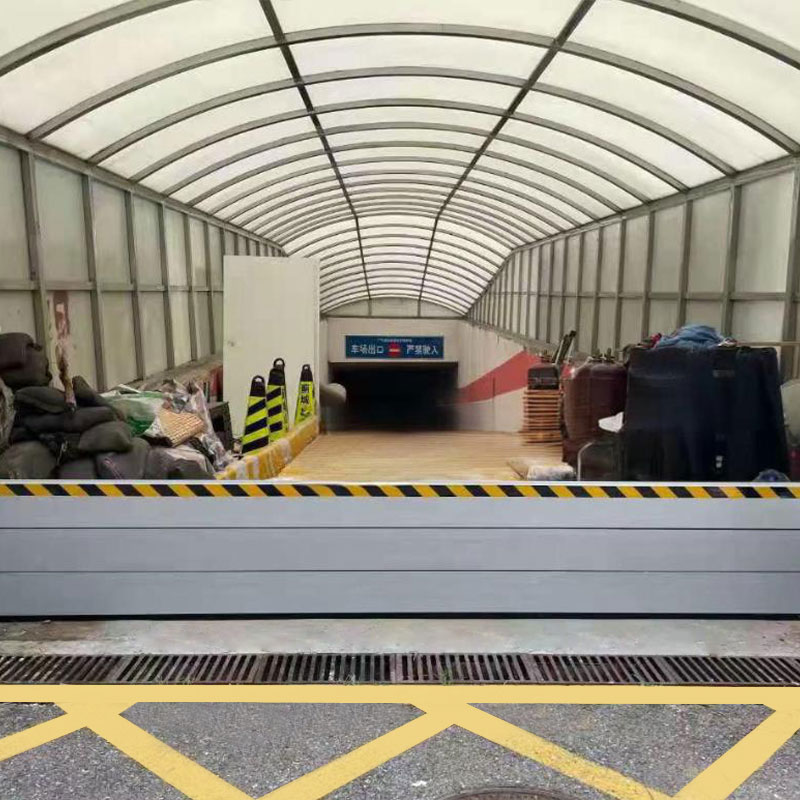
The entrance and exit water retaining plate, also known as water blocking plate, waterproof plate, rain shield, flood control plate, water-proof plate...
See Details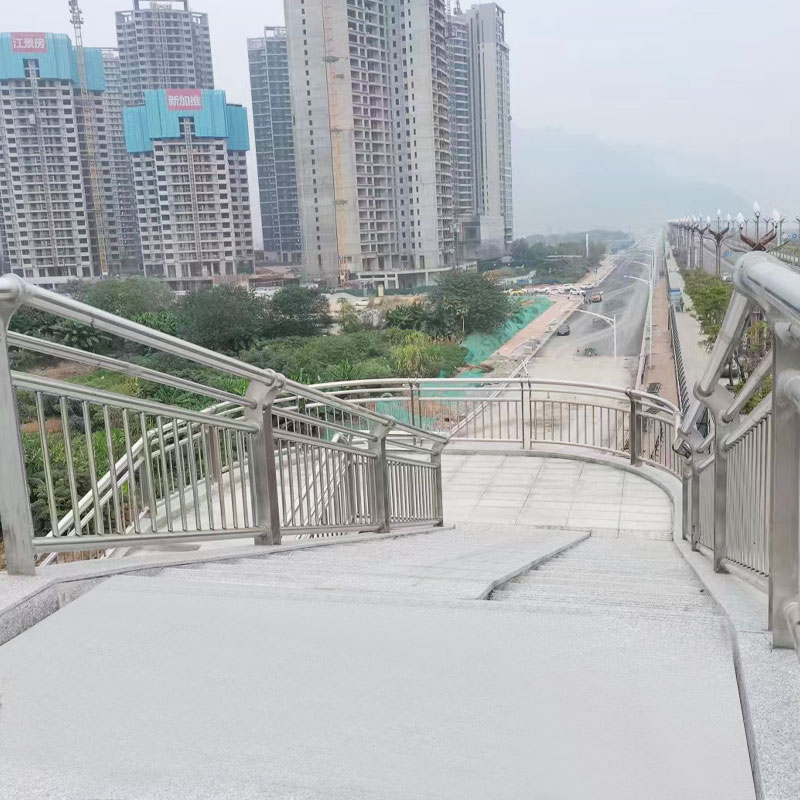
Stainless steel handrails are made of stainless steel materials and are mainly divided into handrails, columns, bases and other components. The struct...
See Details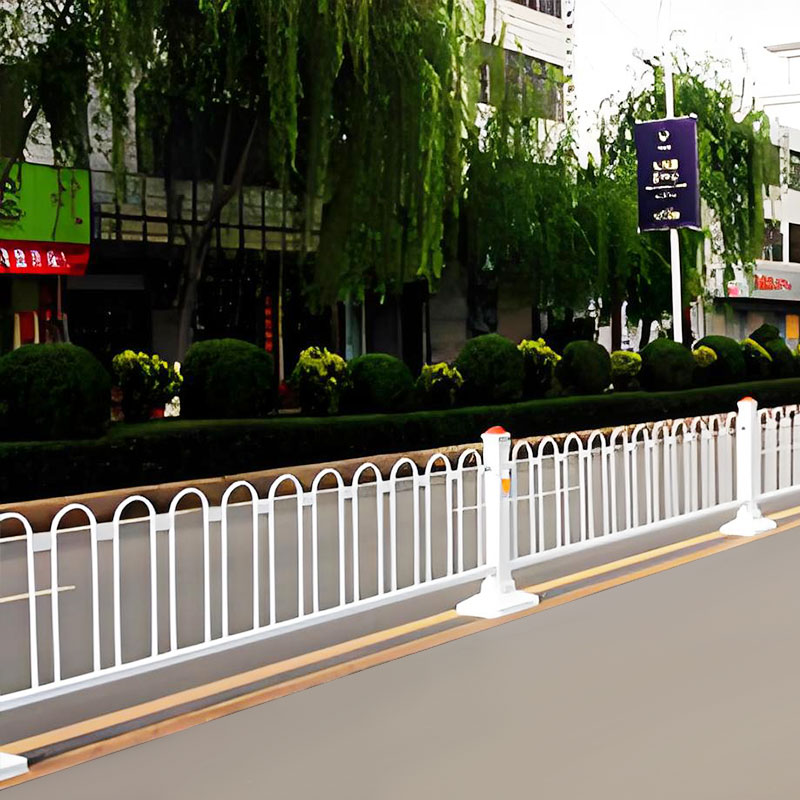
Beijing-style road guardrails are shaped like the letters N and U, so they are also called n-type iron fences and inverted U-shaped central fences. Th...
See Details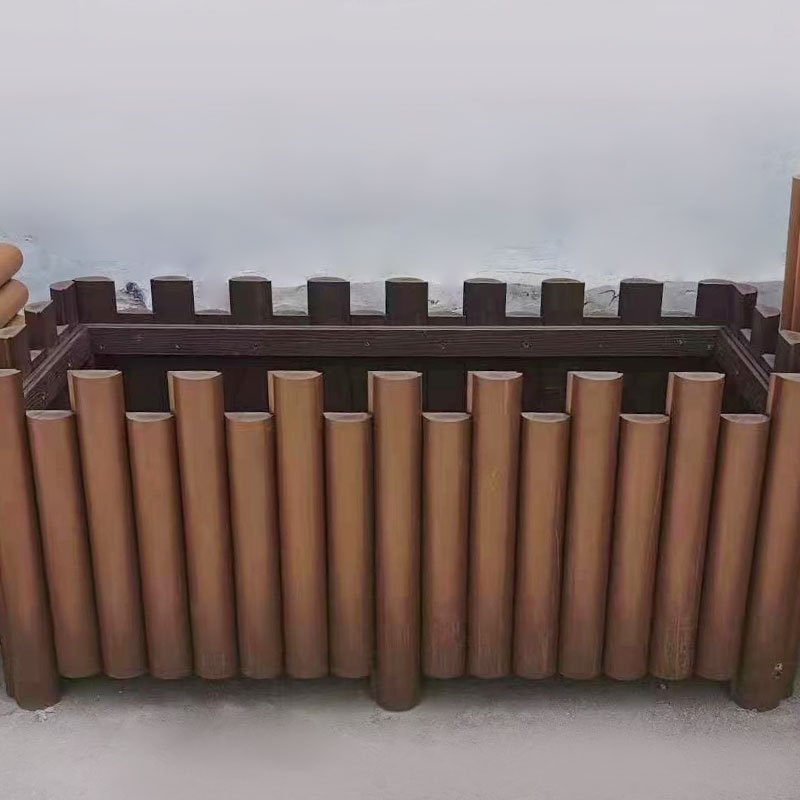
The antiseptic wood flower box guardrail combines the natural beauty of wood with the durability after antiseptic treatment, and is suitable for outdo...
See Details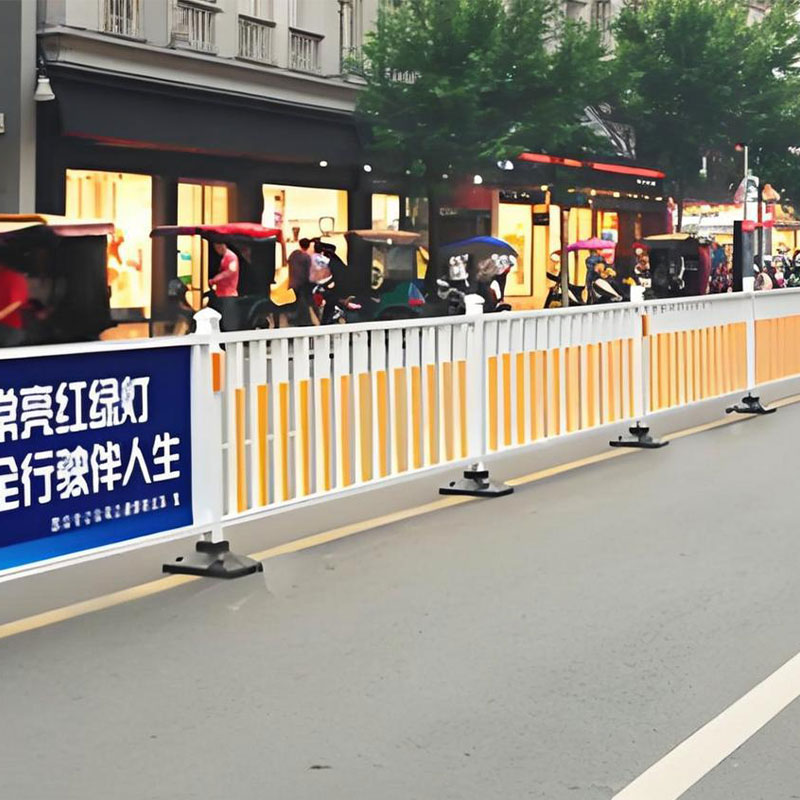
PVC road guardrail is a road isolation facility made of polyvinyl chloride (PVC) as the main material. It has the characteristics of light weight, cor...
See Details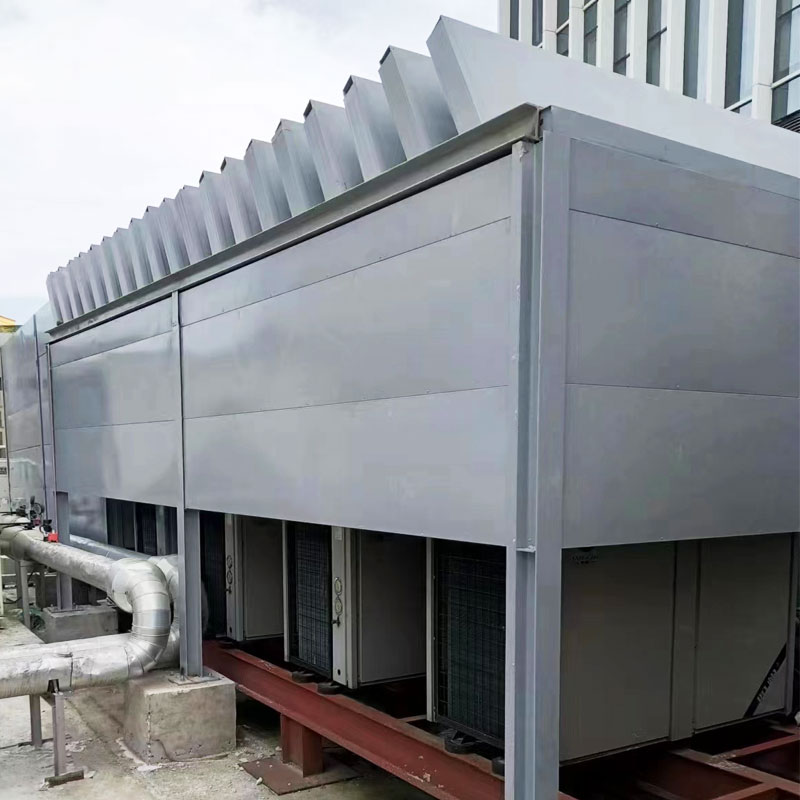
The machine soundproof screen, also known as the equipment sound barrier or the silencing barrier, is a facility inserted between the sound source (su...
See DetailsContact Us
Add:No. 577 Fuqiang Road, Panhuo Street, Yinzhou District, Ningbo City, Zhejiang Province
Email: [email protected]
Telephone: +86-18058271903
Phone: +86 0571-28284189

Zhenxuan Traffic Engineering Co., Ltd. is a large manufacturers of professional responsible for the design, production and sales of a series of guard rails, guard rails and high-speed soundproofing screens.
PRODUCT
case
 OEM/ODM Aluminum/Steel Guardrail Manufacturers
+86-18058271903