As a professional guardrail manufacturing enterprise, our facility primarily utilizes Q235 carbon structural steel and aluminum alloy as the two core materials in our guardrail production. Leveraging their respective physical properties and craftsmanship advantages, these two materials adapt to different protective scenarios and engineering requirements, providing clients with precise material selection schemes to maximize the practicality and adaptability of our guardrail products.
Q235 guardrails focus on high strength, superior cost-effectiveness, and wide adaptability. As a commonly used carbon structural steel, its tensile strength and impact resistance are outstanding, enabling it to effectively withstand vehicle collisions and external force impacts; furthermore, with readily available raw materials, mature production processes, and more affordable manufacturing costs, it is the premier choice for rigid-demand scenarios such as roadway protection and bridge crash barriers. This material is frequently paired with processes like hot-dip galvanizing and black-substrate powder coating to enhance its corrosion resistance. It is widely applied in projects such as the Mayang bridge + crash barriers in Hunan, the W-beam guardrails in Xiangshan, Zhejiang, and the W-beam guardrails in Xiaoshan, Hangzhou. It is ideally suited for scenarios with high protection strength requirements, including highways, urban arterials, and bridge engineering, and can be flexibly processed and customized into various structural components like handrails, vertical pickets, crossbeams, and corrugated sheets.
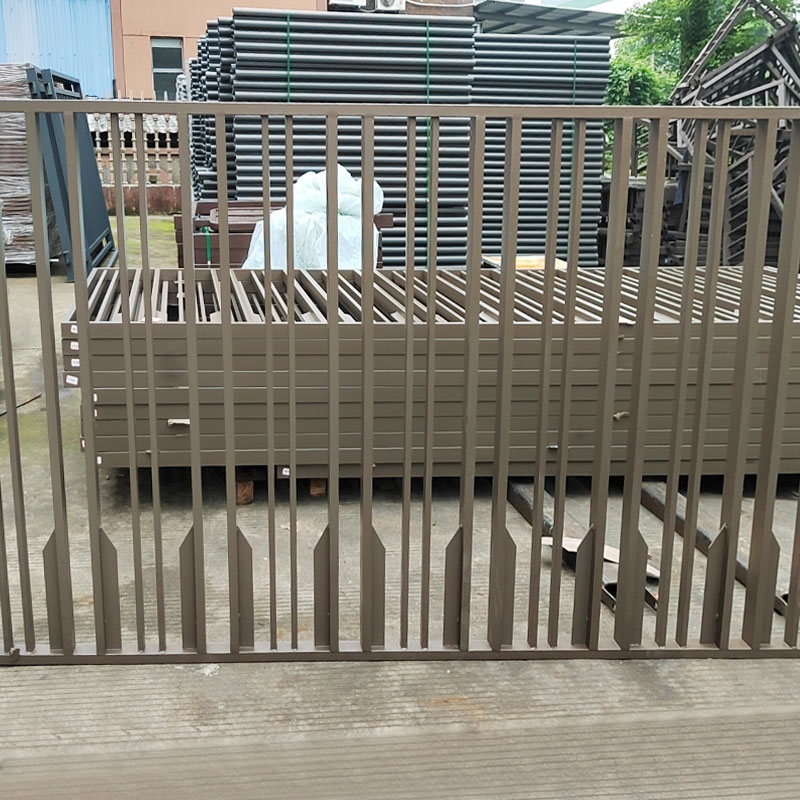
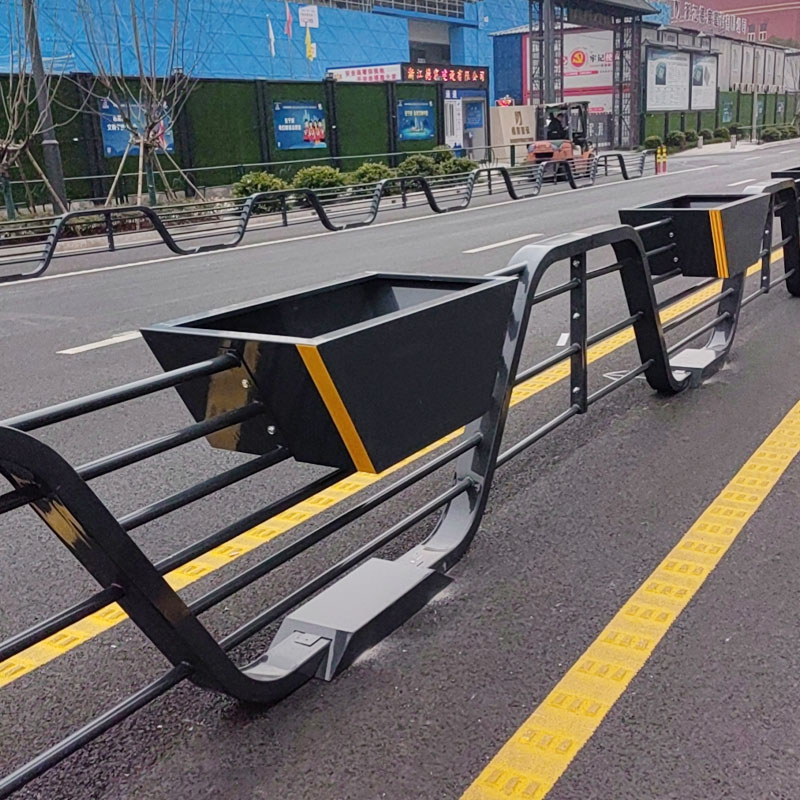
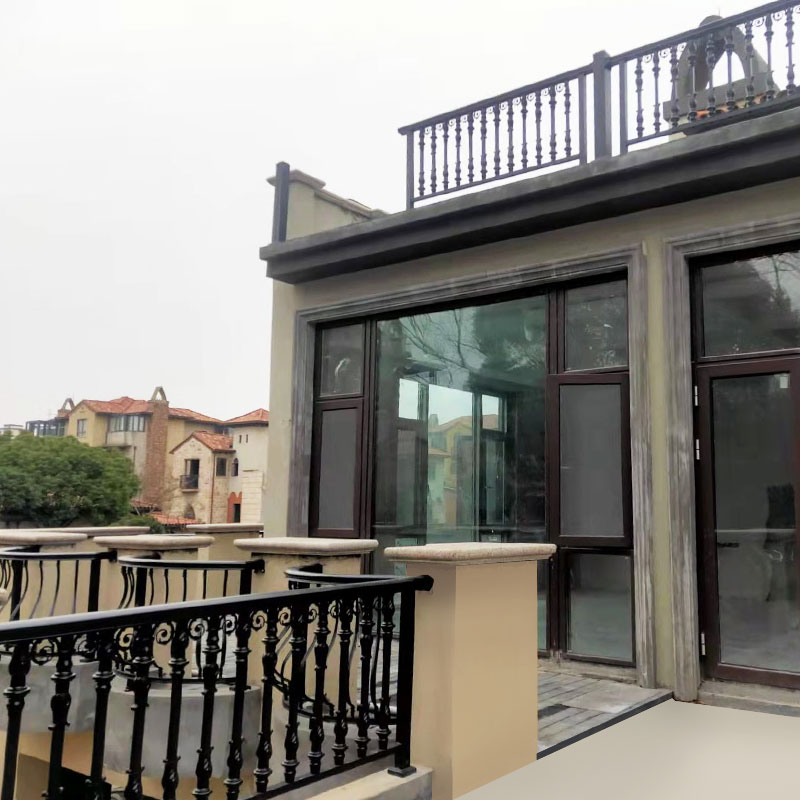
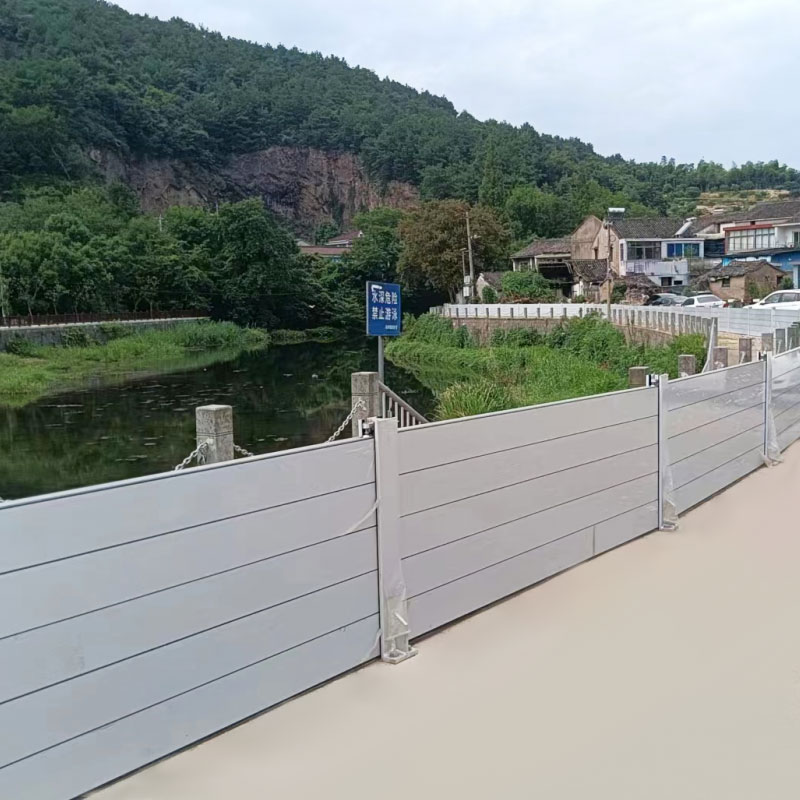
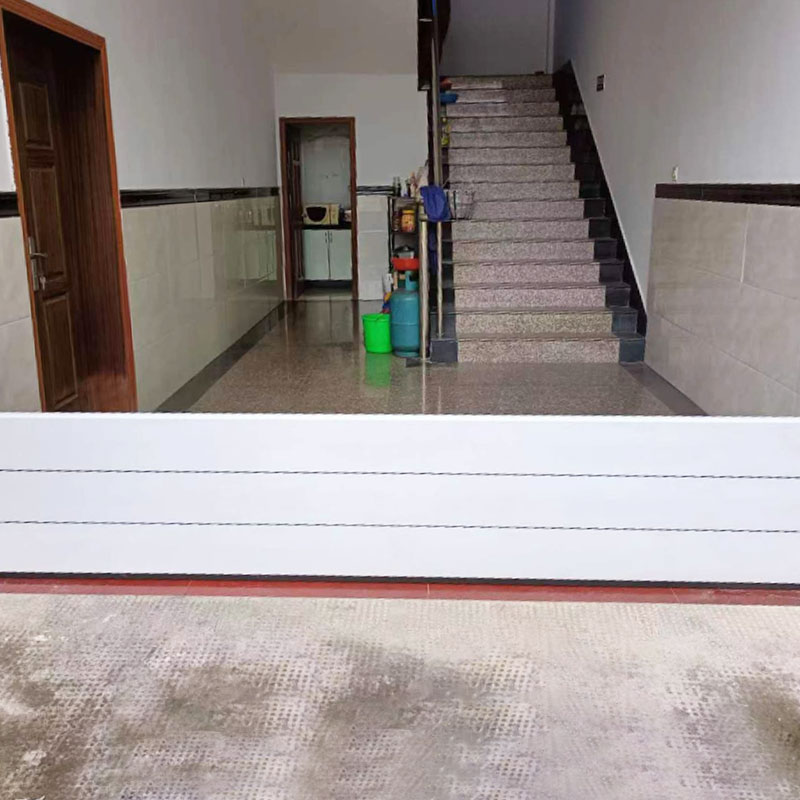
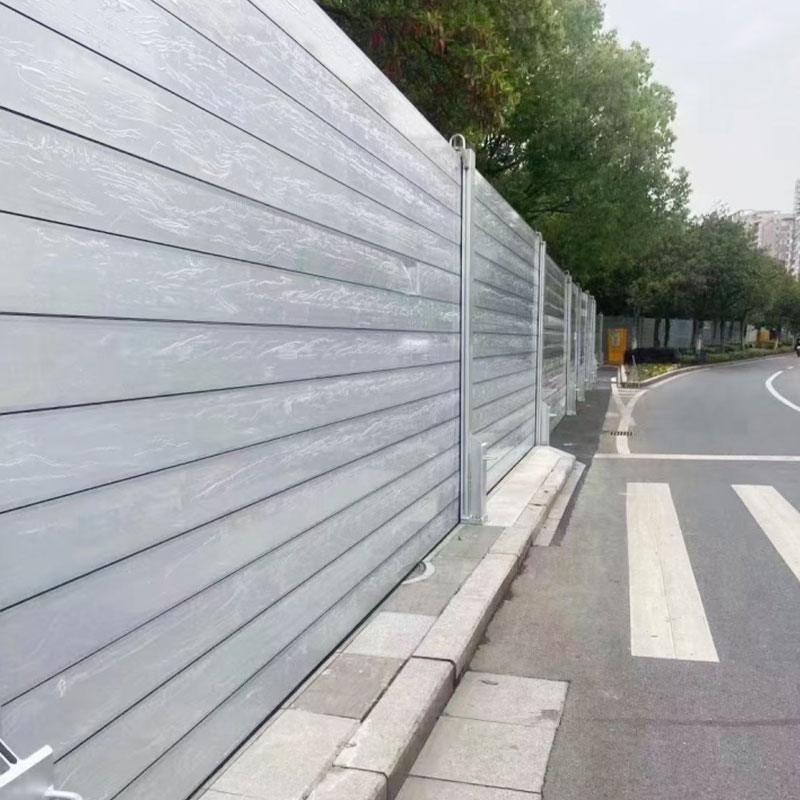
Aluminum alloy guardrails, on the other hand, champion being lightweight yet robust, corrosion-resistant, highly aesthetic, and easy to install as their core advantages. With low density and a lightweight texture, aluminum alloy makes transport and installation more convenient. It naturally possesses anti-corrosion and anti-aging characteristics, requiring no frequent maintenance. When paired with powder coating or spray painting processes, its surface texture is further elevated, satisfying the dual requirements of protection and aesthetics. This material is suitable for scenarios with strict requirements on weight, corrosion resistance, and appearance, such as the racetrack crash barriers in Shengzhou, Zhejiang, the perimeter fences in Deqing County, Huzhou, Zhejiang, and coastal flood control auxiliary guardrails. In racetrack scenarios, it accommodates specialized protective demands by virtue of its lightweight nature and impact resistance; in perimeter scenarios for business parks, residential communities, and factory zones, it balances isolation protection with environmental beautification; in high-salt-spray coastal environments, it effectively resists corrosion to extend its service life.
In practical engineering applications, Q235 guardrails are better suited for outdoor heavy-duty protection and high-volume traffic scenarios, while aluminum alloy guardrails are better suited for business park protection, urban landscapes, and specialized environments (high salt spray, high humidity). Based on the engineering requirements of different scenarios, our facility precisely matches materials with craftsmanship, allowing both core materials to excel in their respective strengths. This not only guarantees the protective performance of our guardrail products but also fulfills the personalized and scenario-specific needs of our clients, providing high-quality material and product solutions for all types of guardrail engineering projects.

 English
 Español