
 English
 Español
Road Guardrail Upgrades Become Essential for Modern Highway Safety
Road guardrail systems remain one of the most important roadside safety technologies used in modern transportation infrastructure. Properly designed guardrails help prevent vehicles from leaving the roadway, reduce collision severity, and improve driver protection in high-risk traffic environments.
Across highways, bridges, mountain roads, urban expressways, and rural transportation networks, guardrails act as controlled impact barriers that redirect vehicles during collisions. Their effectiveness depends on structural strength, installation accuracy, material durability, and proper selection according to road conditions.
Modern road guardrail systems are engineered to absorb impact energy while minimizing vehicle rollover risk. In many highway safety projects, upgraded guardrail designs have contributed to measurable reductions in fatal roadside accidents. Transportation authorities in multiple regions report that properly installed roadside barriers can reduce severe run-off-road crashes by 40% or more under certain traffic conditions.
As vehicle speeds increase and traffic density continues to rise, road guardrail technology is evolving toward stronger materials, better energy absorption, improved corrosion resistance, and smarter safety integration for long-term infrastructure performance.
Road guardrails are not simply metal barriers placed beside highways. Their design is based on detailed crash engineering principles intended to control vehicle movement during accidents and reduce injury severity.
One of the primary purposes of a road guardrail is preventing vehicles from departing the roadway into dangerous areas such as steep slopes, rivers, bridge edges, cliffs, or opposing traffic lanes.
Guardrails are engineered to deform in a controlled manner during impact. This controlled deformation absorbs collision energy and helps reduce the force transferred to vehicle occupants.
Instead of abruptly stopping a vehicle, modern guardrails are designed to redirect vehicles along the barrier line. This reduces the risk of secondary collisions and rollover accidents.
Road guardrails also help protect bridge supports, utility structures, tunnels, pedestrian walkways, and roadside equipment from vehicle impact damage.
| Safety Function | Purpose | Operational Benefit |
|---|---|---|
| Vehicle Containment | Prevent roadway departure | Lower fatality risk |
| Impact Absorption | Reduce collision forces | Improved occupant safety |
| Vehicle Redirection | Guide vehicle movement | Reduced rollover incidents |
| Infrastructure Protection | Shield roadside assets | Lower repair costs |
Road environments vary greatly in terms of traffic speed, vehicle type, terrain conditions, and accident risk. For this reason, several guardrail configurations are commonly used depending on project requirements.
W-beam road guardrails are among the most common highway barrier systems because they offer balanced performance, cost efficiency, and relatively simple installation procedures.
The wave-shaped steel beam helps distribute impact forces across multiple support posts, improving energy absorption during vehicle collisions.
Thrie-beam guardrails feature an additional corrugation profile that increases structural rigidity and impact resistance. These systems are commonly used on bridges and high-speed roadways.
Cable barriers use tensioned steel cables to absorb crash energy. They are frequently installed in highway medians where preventing cross-lane collisions is a major safety priority.
Concrete guardrail systems are commonly installed in urban expressways, tunnels, and high-risk infrastructure zones where maximum containment strength is required.
| Guardrail Type | Key Feature | Typical Application |
|---|---|---|
| W-Beam | Balanced flexibility | Highways and rural roads |
| Thrie-Beam | Higher impact strength | Bridges and high-speed roads |
| Cable Barrier | Flexible energy absorption | Road medians |
| Concrete Barrier | Maximum containment | Urban expressways |
Road guardrails are continuously exposed to sunlight, rain, snow, salt, humidity, and vehicle vibration. Material durability therefore has a major influence on maintenance cost and long-term safety performance.
Hot-dip galvanized steel is widely used because zinc coatings help protect steel surfaces from rust and environmental corrosion. In coastal or humid environments, corrosion-resistant coatings are especially important.
High-quality galvanized coatings can extend service life beyond 20 years under appropriate maintenance conditions.
Thicker guardrail beams generally provide greater impact resistance and structural durability. However, thickness must be balanced with flexibility to maintain effective energy absorption.
Additional protective coatings help improve weather resistance and reduce repainting or replacement frequency in demanding climates.
Bolts, washers, and connection hardware must maintain secure structural performance under long-term traffic vibration and weather exposure.
Even high-quality road guardrails may fail during collisions if installation procedures are not performed correctly. Accurate positioning, foundation stability, and alignment are critical to ensuring reliable crash performance.
Guardrail posts must be embedded at proper depths according to soil conditions and road design requirements. Insufficient post depth may weaken impact resistance.
Continuous alignment helps maintain smooth vehicle redirection during impact events. Sudden changes in rail height or positioning may increase collision severity.
Guardrail end terminals are designed to reduce the risk of severe vehicle penetration or abrupt stopping during frontal impacts.
Poor drainage may accelerate soil erosion around support posts and weaken guardrail stability over time.
Different roadway environments create unique engineering challenges for road guardrail design and placement.
Mountain highways often feature sharp curves, steep slopes, and limited roadside recovery zones. Strong containment systems are essential in these areas.
Bridge guardrails must prevent vehicles from penetrating bridge edges while maintaining structural integrity under high-speed impact conditions.
Urban traffic environments require guardrail systems that protect vehicles, cyclists, pedestrians, and roadside infrastructure simultaneously.
Salt exposure accelerates corrosion in coastal transportation infrastructure, requiring stronger anti-corrosion protection systems.
Routine inspection and maintenance are essential for preserving guardrail safety performance over long operational periods.
Damaged guardrails may lose structural integrity and fail during future collisions if repairs are delayed.
Regular corrosion inspection helps identify coating deterioration before severe structural damage develops.
Overgrown vegetation may hide damaged sections or reduce driver visibility near roadside barriers.
Loose bolts or damaged connectors may reduce guardrail effectiveness during impact events.
| Maintenance Area | Inspection Focus | Safety Benefit |
|---|---|---|
| Beam Sections | Deformation and cracks | Improved impact performance |
| Support Posts | Foundation stability | Higher structural reliability |
| Protective Coatings | Corrosion resistance | Longer service life |
| Fasteners | Tightness and damage | Improved crash reliability |
Transportation infrastructure is gradually integrating intelligent monitoring technologies into road safety systems, including road guardrails.
Sensor-equipped guardrails can automatically detect collisions and transmit accident alerts to traffic management systems in real time.
Digital monitoring systems can identify structural fatigue, vibration changes, or corrosion risks before major failures occur.
Research into advanced coatings and recyclable structural materials is helping reduce long-term environmental impact and maintenance demand.
As intelligent transportation systems evolve, future guardrails may integrate communication technology that supports vehicle guidance and roadway safety coordination.
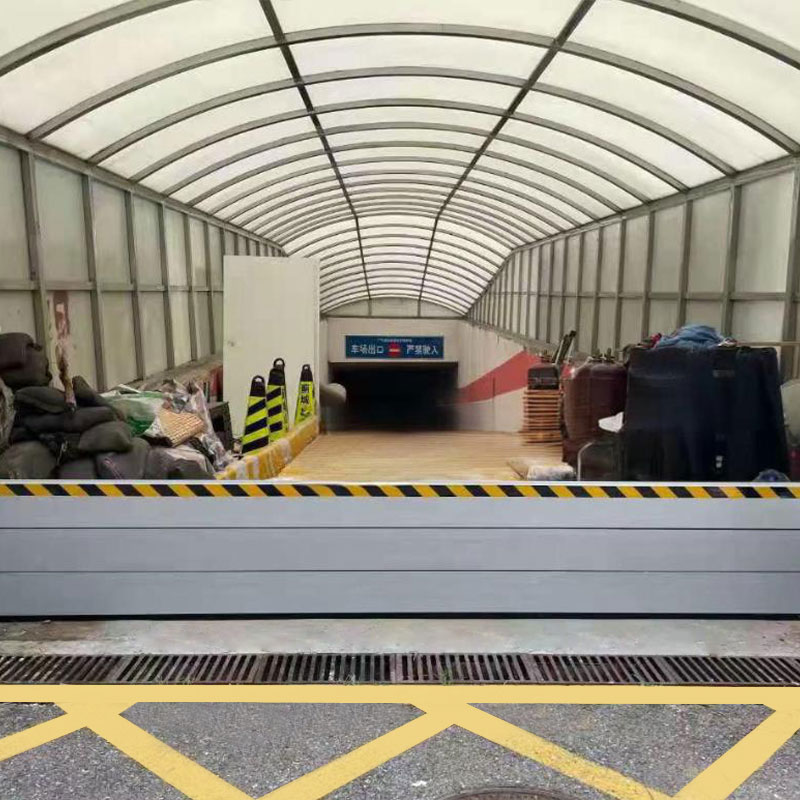
The entrance and exit water retaining plate, also known as water blocking plate, waterproof plate, rain shield, flood control plate, water-proof plate...
See Details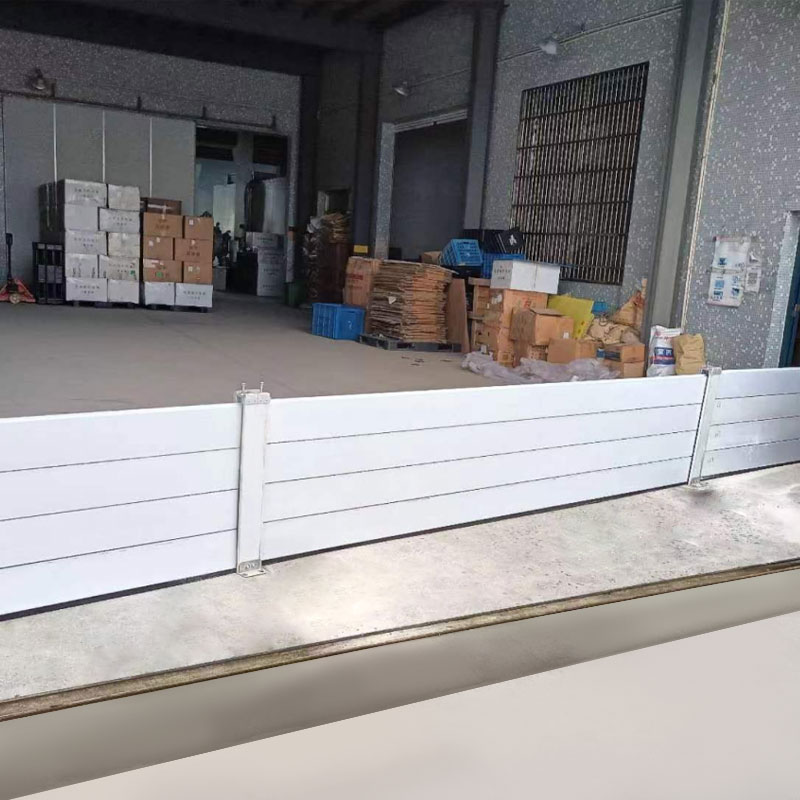
Flood control panels for workshops and factories are important protective equipment used to prevent floods or large amounts of water from invading wor...
See Details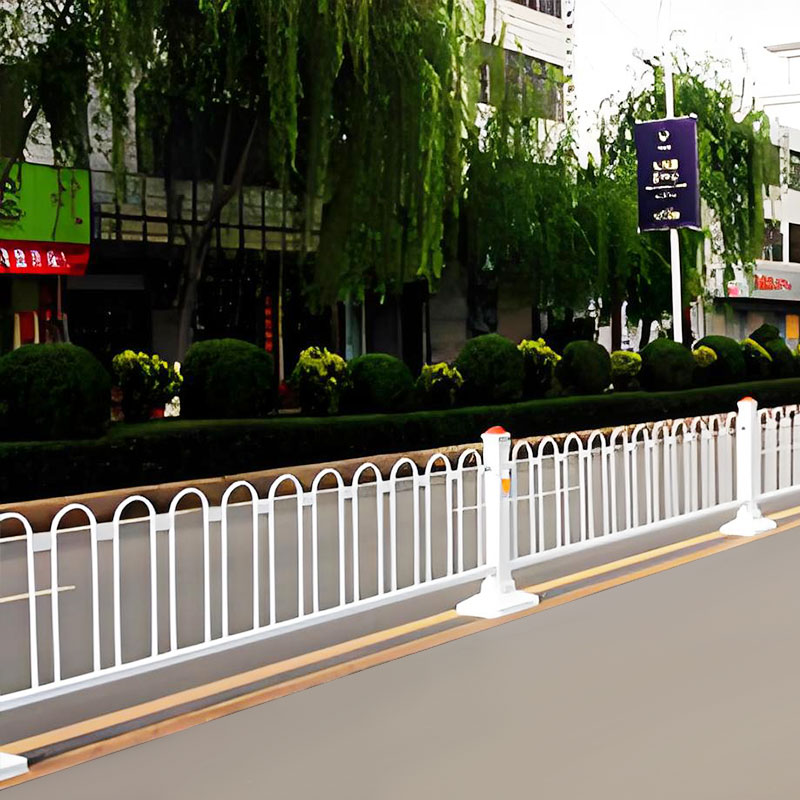
Beijing-style road guardrails are shaped like the letters N and U, so they are also called n-type iron fences and inverted U-shaped central fences. Th...
See Details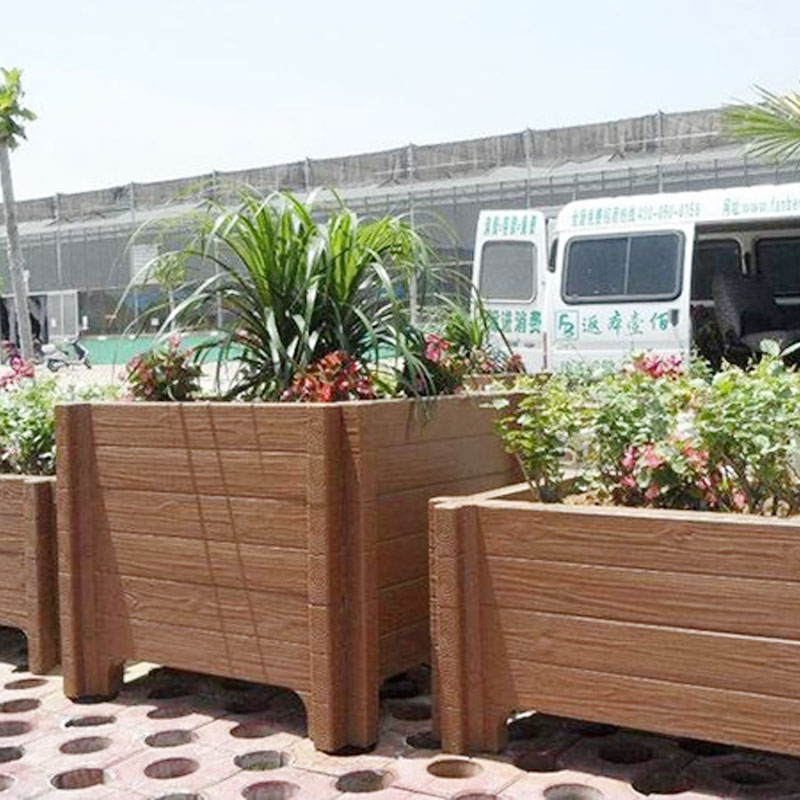
Imitation wood flower box guardrail is a kind of guardrail product that combines imitation wood technology and flower box design. It has the functions...
See Details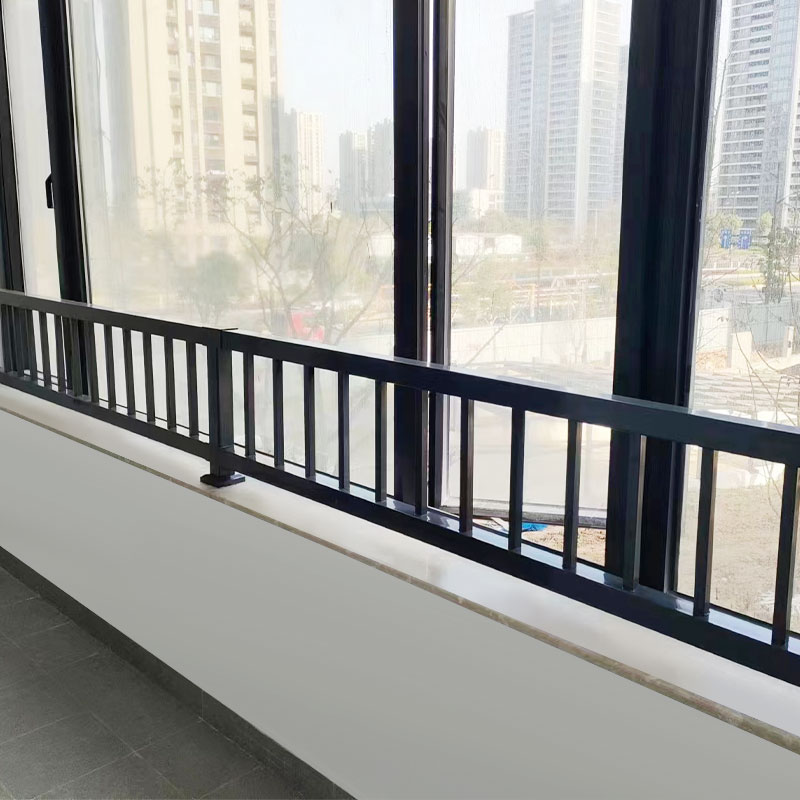
The zinc steel balcony guardrail is made of zinc alloy, which is not only strong and hard, but also beautiful in appearance, colorful and durable, so ...
See Details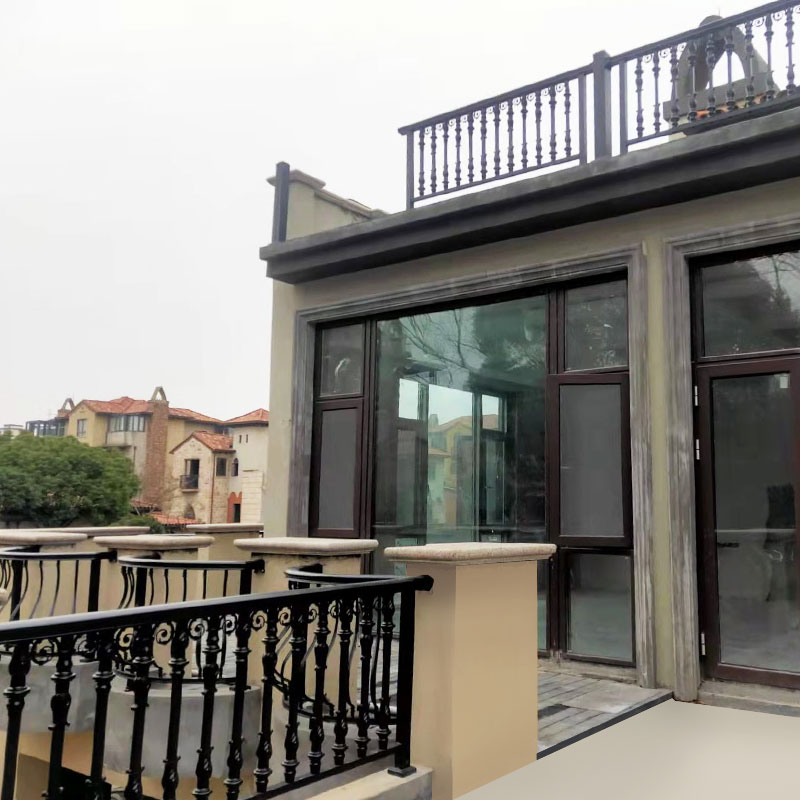
As a new generation of guardrail material, aluminum alloy guardrail has gradually become the first choice for many buildings due to its excellent anti...
See DetailsContact Us
Add:No. 577 Fuqiang Road, Panhuo Street, Yinzhou District, Ningbo City, Zhejiang Province
Email: [email protected]
Telephone: +86-18058271903
Phone: +86 0571-28284189

Zhenxuan Traffic Engineering Co., Ltd. is a large manufacturers of professional responsible for the design, production and sales of a series of guard rails, guard rails and high-speed soundproofing screens.
PRODUCT
case
 OEM/ODM Aluminum/Steel Guardrail Manufacturers
+86-18058271903