
 English
 Español
Aluminum Alloy Flood Barriers VS Traditional Flood Control Facilities
In flood control engineering, the material, craftsmanship, and practicality of flood prevention facilities directly determine the effectiveness of flood mitigation. Compared with traditional sandbags and concrete flood walls, the aluminum alloy flood barriers developed and manufactured by our facility have emerged as a premier new choice for coastal, riverway, and municipal flood control projects by virtue of multiple core advantages, providing more efficient, convenient, and durable solutions for flood control and disaster reduction.
In terms of material and durability, aluminum alloy flood barriers are fabricated from high-strength aluminum alloy, yielding a lightweight yet structurally robust profile with outstanding resistance to corrosion, aging, and hydrostatic pressure. They can be deployed long-term in harsh environments, such as high salt spray along coastlines and high humidity along riverways, requiring no frequent maintenance and offering a long service life. In contrast, traditional flood sandbags are prone to moisture and tearing, resulting in high degradation after a single use; concrete flood walls, while sturdy, possess weak corrosion resistance and are susceptible to cracking and leakage under prolonged submersion. In terms of installation and utilization, aluminum alloy flood barriers adopt a modular design and come equipped with dedicated embedded parts, diagonal bracings, watertight seals, and other accessories. A standardized layout featuring one post every 5 meters renders installation more convenient, allowing a small team to rapidly complete the assembly and significantly boosting operational efficiency during emergency flood control. Conversely, traditional sandbags require manual filling, transport, and stacking, which is time-consuming, labor-intensive, and slow in emergency response; concrete flood walls are fixed structures that cannot be flexibly adjusted in height according to flood conditions, resulting in poor adaptability. In terms of practicality and cost-effectiveness, the height of aluminum alloy flood barriers is highly customizable, and the precise fit between the planks and sealing strips delivers an excellent leak-prevention effect. Furthermore, they can be disassembled and stored after use, offering a high reuse rate that substantially lowers long-term operational costs. Traditional sandbags provide limited leak prevention and are easily scrapped after use, leading to high subsequent consumable costs; concrete flood walls require long construction cycles, entail high initial costs, and present significant difficulties for later modification.
In addition, aluminum alloy flood barriers feature a natural aluminum finish, presenting a clean appearance that blends well with the surrounding environment, while their specifications can be customized based on engineering requirements to balance practicality with customization needs. In comparison, traditional flood control facilities exhibit obvious shortcomings in customization, flexibility, and reusability. The development and application of our aluminum alloy flood barriers compensate for the deficiencies of traditional facilities. Characterized by the core advantages of being "lightweight and durable, highly efficient to install, superior in waterproofing, and highly cost-effective," they provide a brand-new alternative for flood control engineering and have already been successfully deployed in flood control projects such as the coastline of Changbai Island in Zhoushan and Fuqing in Fujian, earning high recognition from our clients.
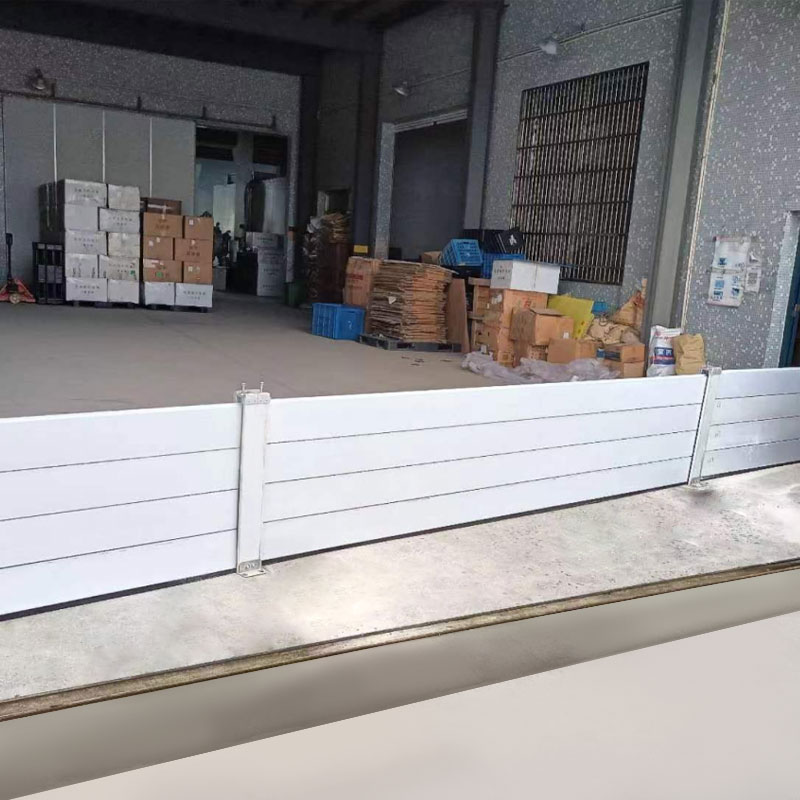
Flood control panels for workshops and factories are important protective equipment used to prevent floods or large amounts of water from invading wor...
See Details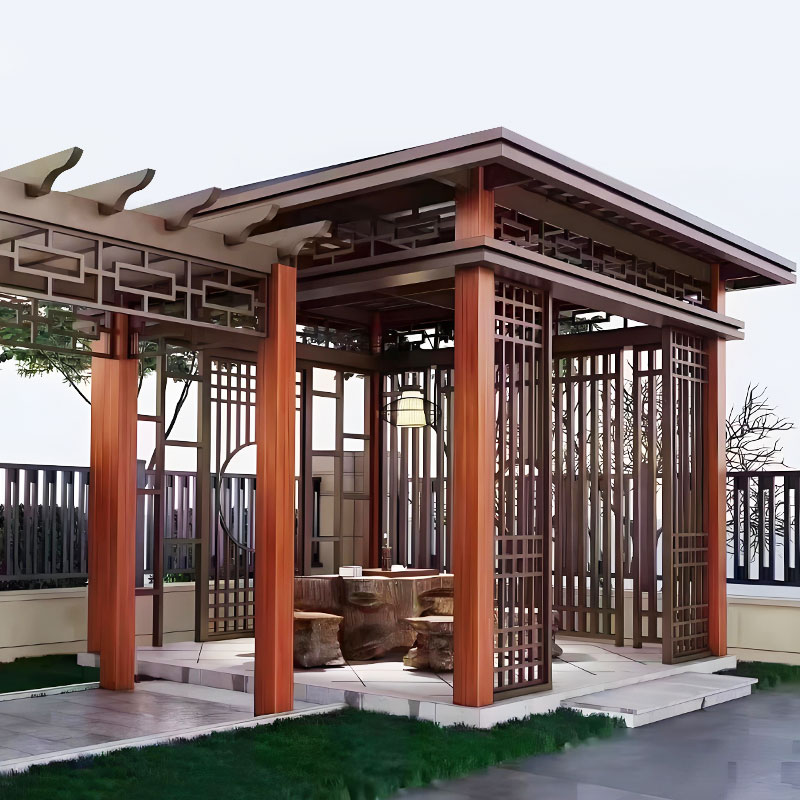
Aluminum alloy art gallery has become a popular choice for modern landscape and architectural design due to its lightweight, high strength, easy proce...
See Details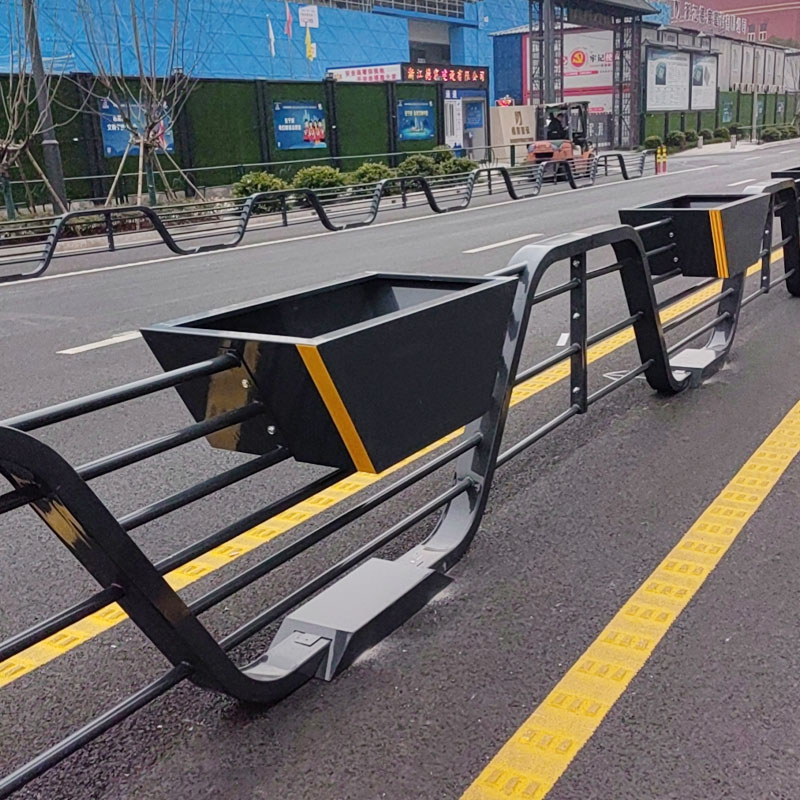
The aluminum alloy flower box guardrail combines the modern feel of metal materials with the greening function of flower boxes. It is lightweight, cor...
See Details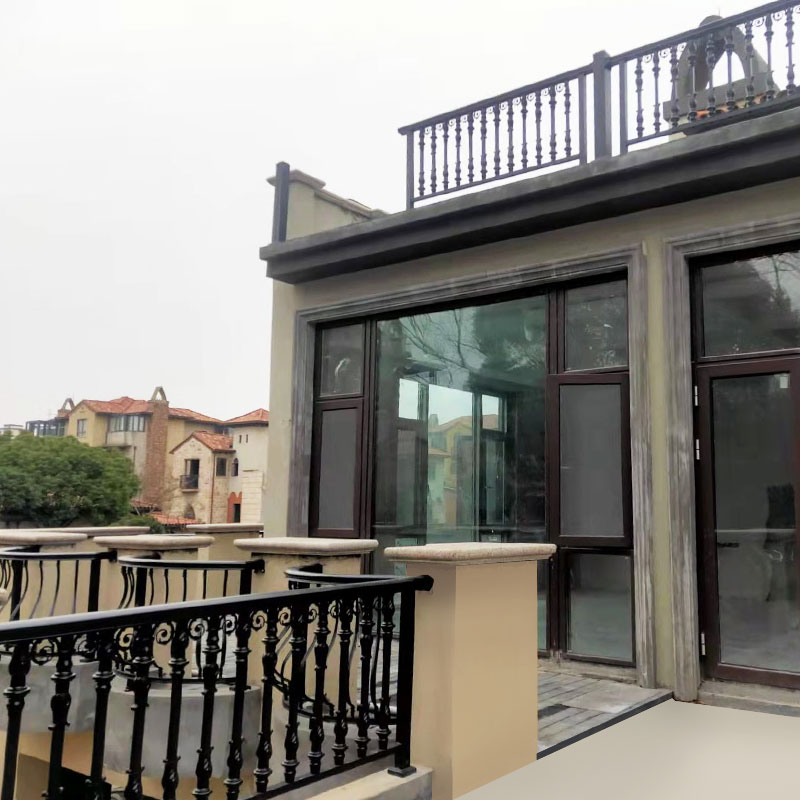
As a new generation of guardrail material, aluminum alloy guardrail has gradually become the first choice for many buildings due to its excellent anti...
See Details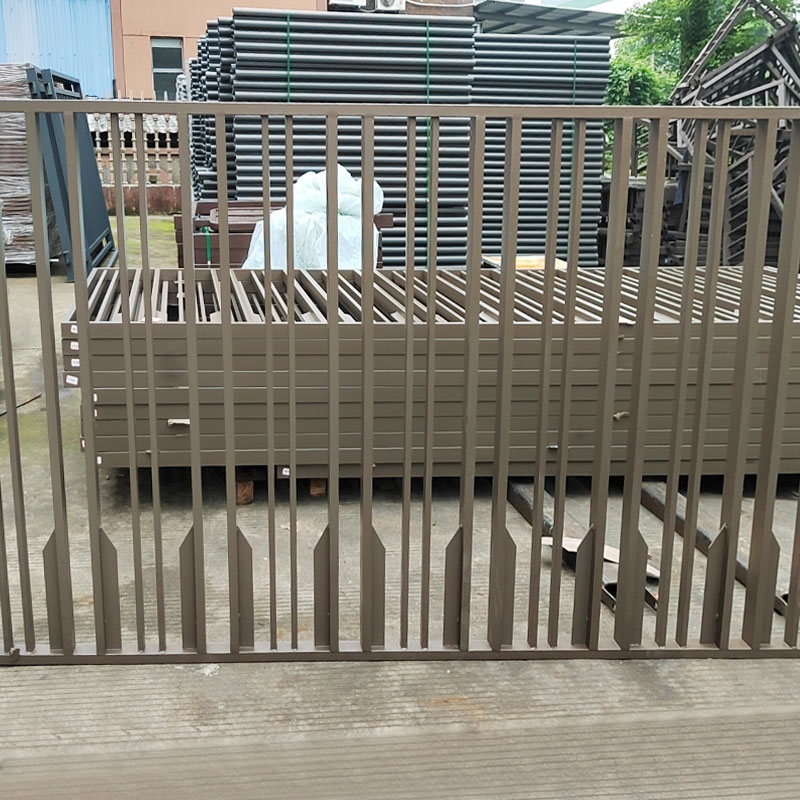
Aluminum alloy grille fence is a modern fencing solution that combines functionality and decoration. It is made of high-strength aluminum alloy materi...
See Details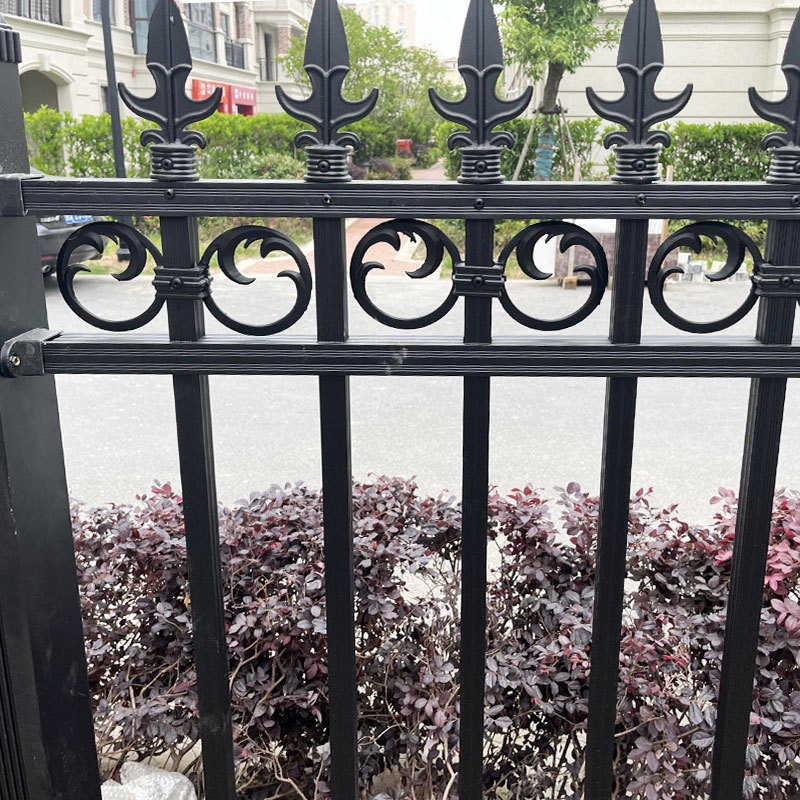
This is a new type of iron fence. It is made of all-aluminum art, which can be disassembled and assembled, without welding, and no screws can be seen ...
See DetailsContact Us
Add:No. 577 Fuqiang Road, Panhuo Street, Yinzhou District, Ningbo City, Zhejiang Province
Email: [email protected]
Telephone: +86-18058271903
Phone: +86 0571-28284189

Zhenxuan Traffic Engineering Co., Ltd. is a large manufacturers of professional responsible for the design, production and sales of a series of guard rails, guard rails and high-speed soundproofing screens.
PRODUCT
case
 OEM/ODM Aluminum/Steel Guardrail Manufacturers
+86-18058271903